Popular Interior Design Styles: 30 Looks to Help You Find Yours
If you have ever saved a hundred rooms on Pinterest without being able to explain what they all have in common, you are in the right place. Interior design style labels can feel overwhelming, especially when so many of them overlap or look deceptively similar. This guide breaks down the most popular interior design styles out there, from calm and quiet to bold and dramatic, so you can finally put a name to the rooms you love. But once you understand what actually separates each one, everything clicks, and these interior design styles stop feeling like a foreign language.
I put this guide together because interior design styles can feel like a foreign language until someone actually breaks them down for you. Once you understand what separates each one, you’ll probably realize you’ve been drawn to a specific set of values all along — natural materials, quiet color, and intentional simplicity, for example, is Japandi, one of dozens of interior design styles most people don’t have language for yet.
So before you read on, try this: think about how you want your home to feel, not just look. Calm and restful? Warm and cozy? Layered and expressive? Bold and dramatic? That answer will point you toward the right interior design styles faster than any quiz, no matter how many interior design styles you have saved on Pinterest.
Key Takeaways
- There are 30 major interior design styles covered here, organized from calm and minimal to bold and dramatic, making this one of the more complete roundups of popular interior design styles you will find.
- Your starting point should always be the feeling you want to come home to, not just a specific aesthetic, since so many interior design styles overlap on the surface.
- Japandi, Wabi Sabi, and Organic Modern consistently top the list for nature-forward, peaceful interiors in 2026.
- Many interior design styles share materials or colors but differ in mood and intention: Japandi and Scandinavian look similar but feel different to live in.
- Mixing two interior design styles with one common thread (material, color, mood) usually creates the most personal and livable result.
- No style is more “right” than another. Of all the interior design styles here, the best one is simply the interior design style that actually reflects how you live.
Japandi Interior Style
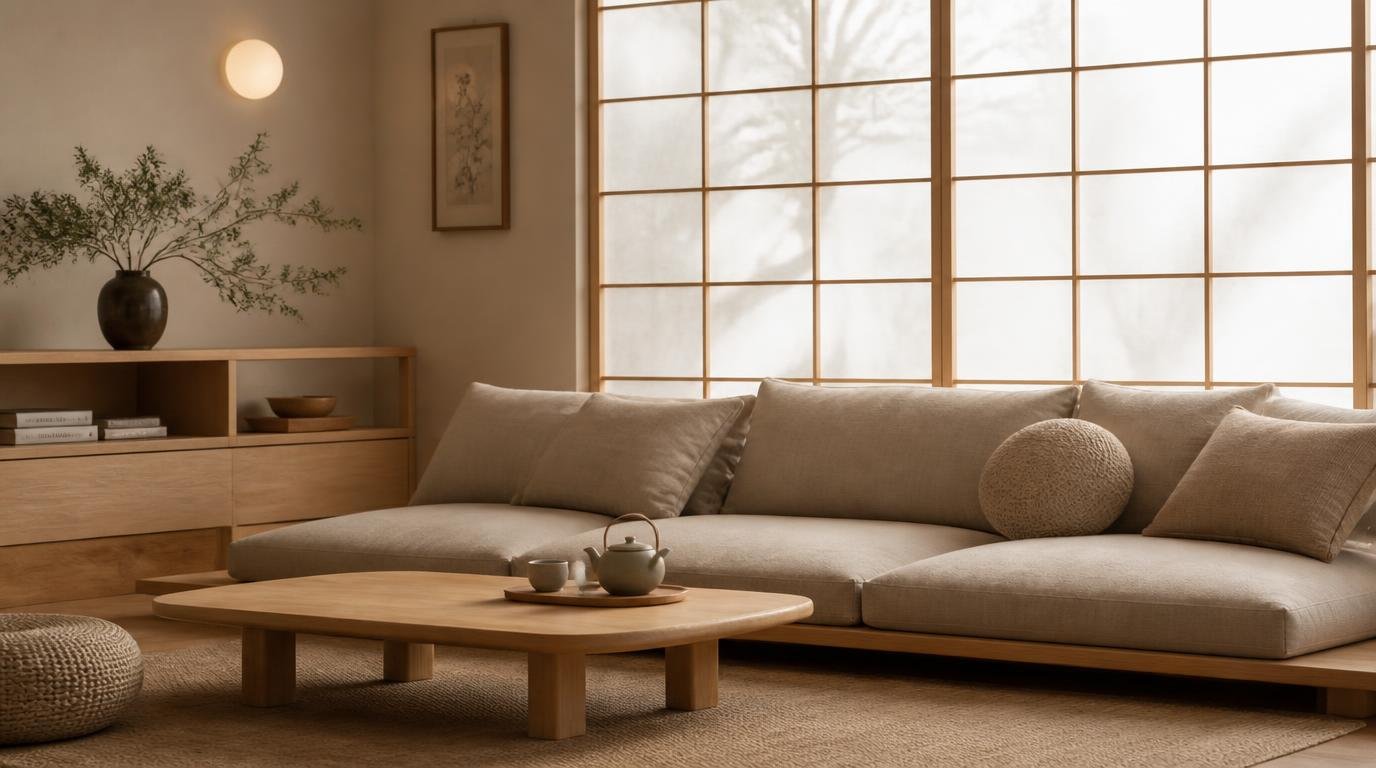
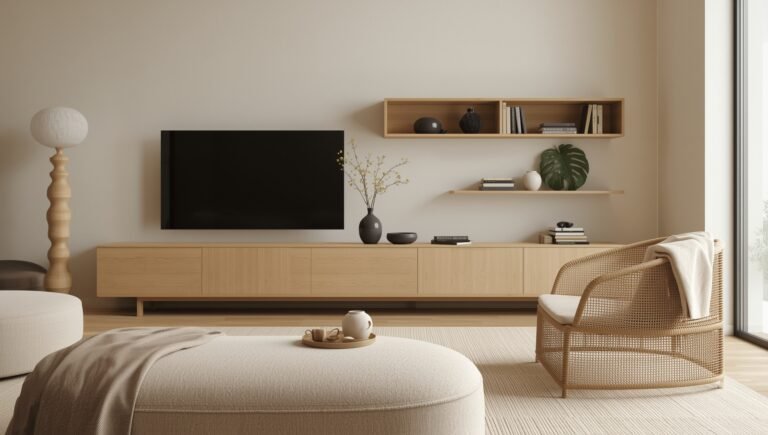
Japandi is the style I keep coming back to, and it is the heart of everything I do at Dwell Studio 24. It fuses Japanese design philosophy with Scandinavian sensibility, and what you get is something genuinely rare: a home that is both beautiful and deeply easy to live in. Japandi is one of the most versatile interior design styles on this list.
Every piece earns its place. Nothing is decorative for the sake of it. And the result is a kind of calm that does not feel sterile or cold, it feels considered.
What Makes Japandi Instantly Recognizable
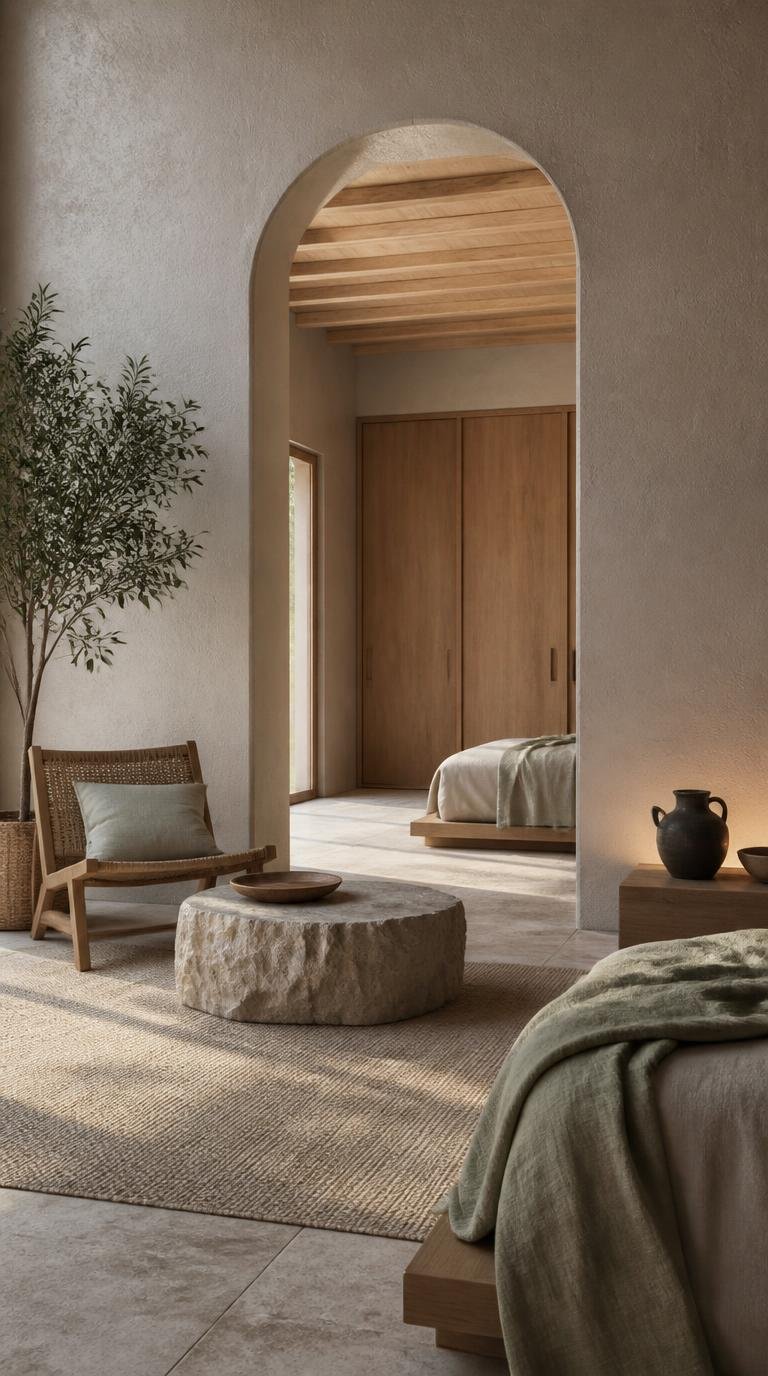
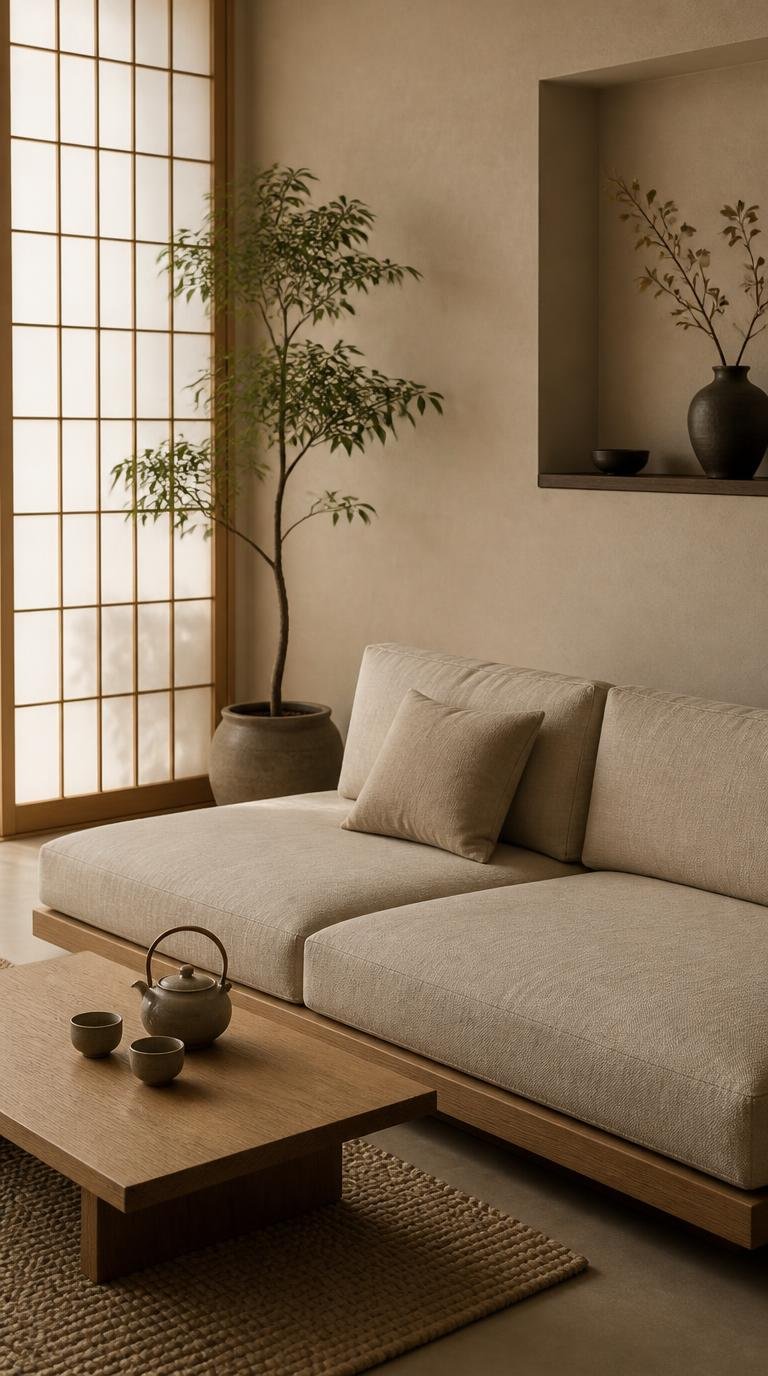
- Material story: Wood (especially lighter tones like ash and oak), linen, bamboo, stone, and handmade ceramics in every room.
- Color restraint: Warm creams, sandy taupes, muted greens, and soft grays that feel organic rather than neutral-for-neutral’s-sake.
- Low-profile furniture: Floor-hugging sofas, platform beds, and clean silhouettes that feel grounded and unhurried.
- Wabi Sabi influence: Imperfect textures and handmade elements that give the space soul, not showroom polish.
Wabi Sabi Interior Style
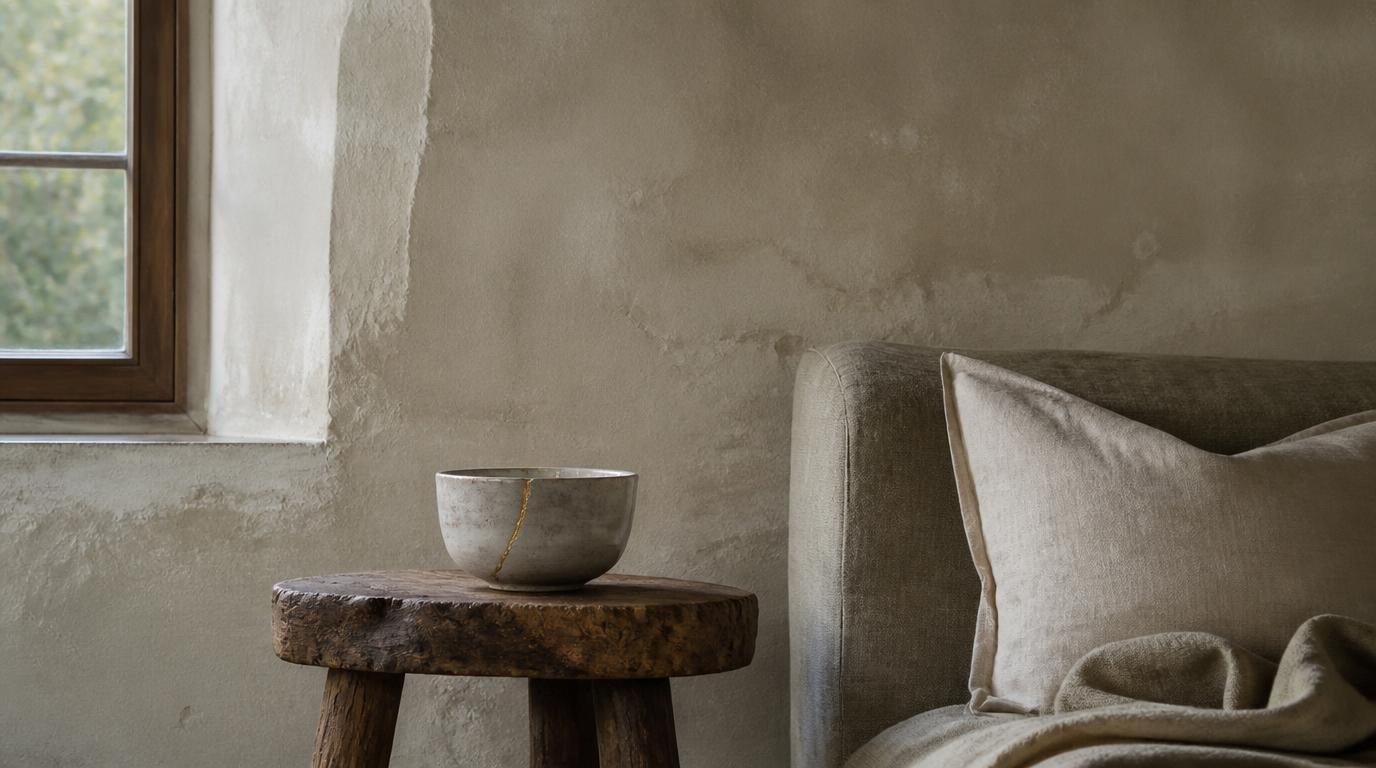
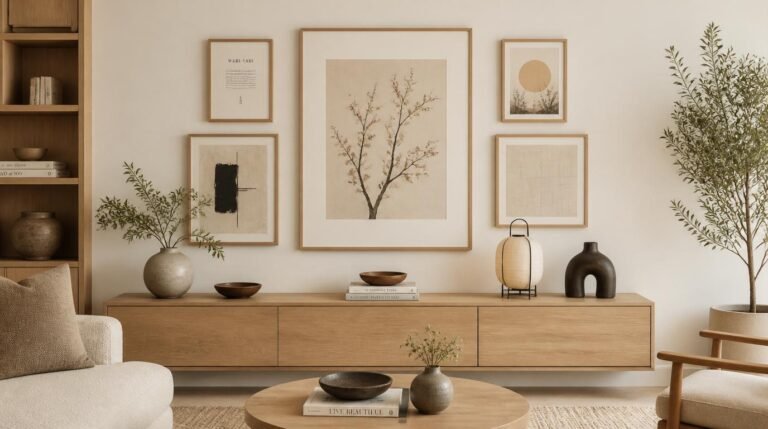
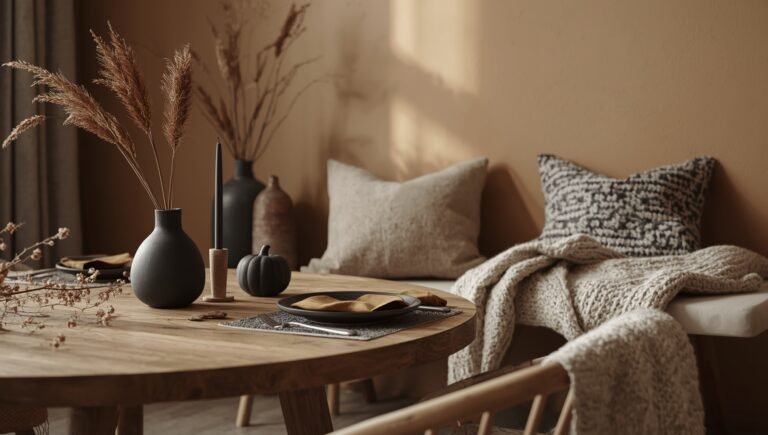
Wabi Sabi is a Japanese philosophy before it is a design style, and understanding that distinction changes everything. It is about finding beauty in things that are impermanent, incomplete, and imperfect. A cracked ceramic bowl. A weathered piece of driftwood. A wall that shows its age. Wabi Sabi has quickly become one of the most popular interior design styles among new homeowners.
If you tend to over-style or feel like nothing in your home ever looks “done,” Wabi Sabi is your permission to stop chasing perfect and start appreciating real.
The Soul of Wabi Sabi Design
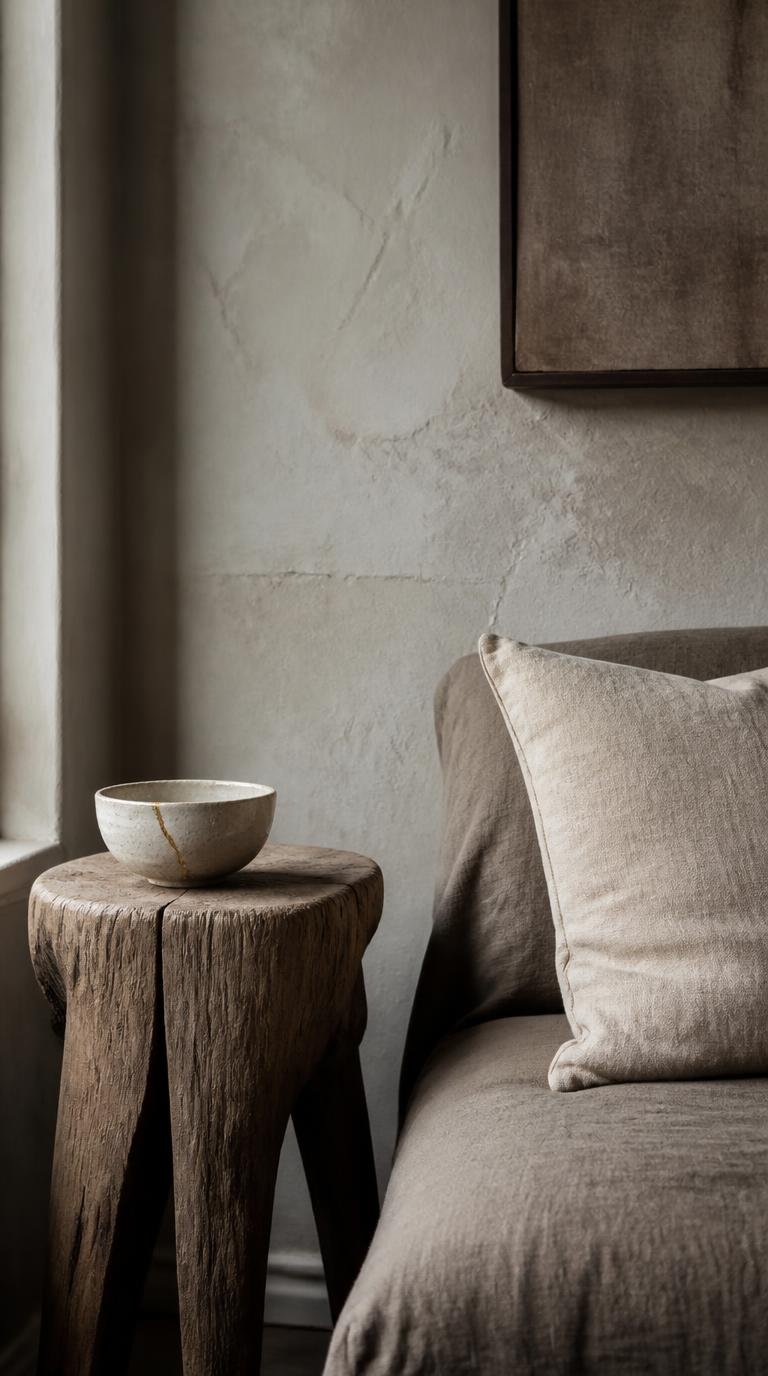
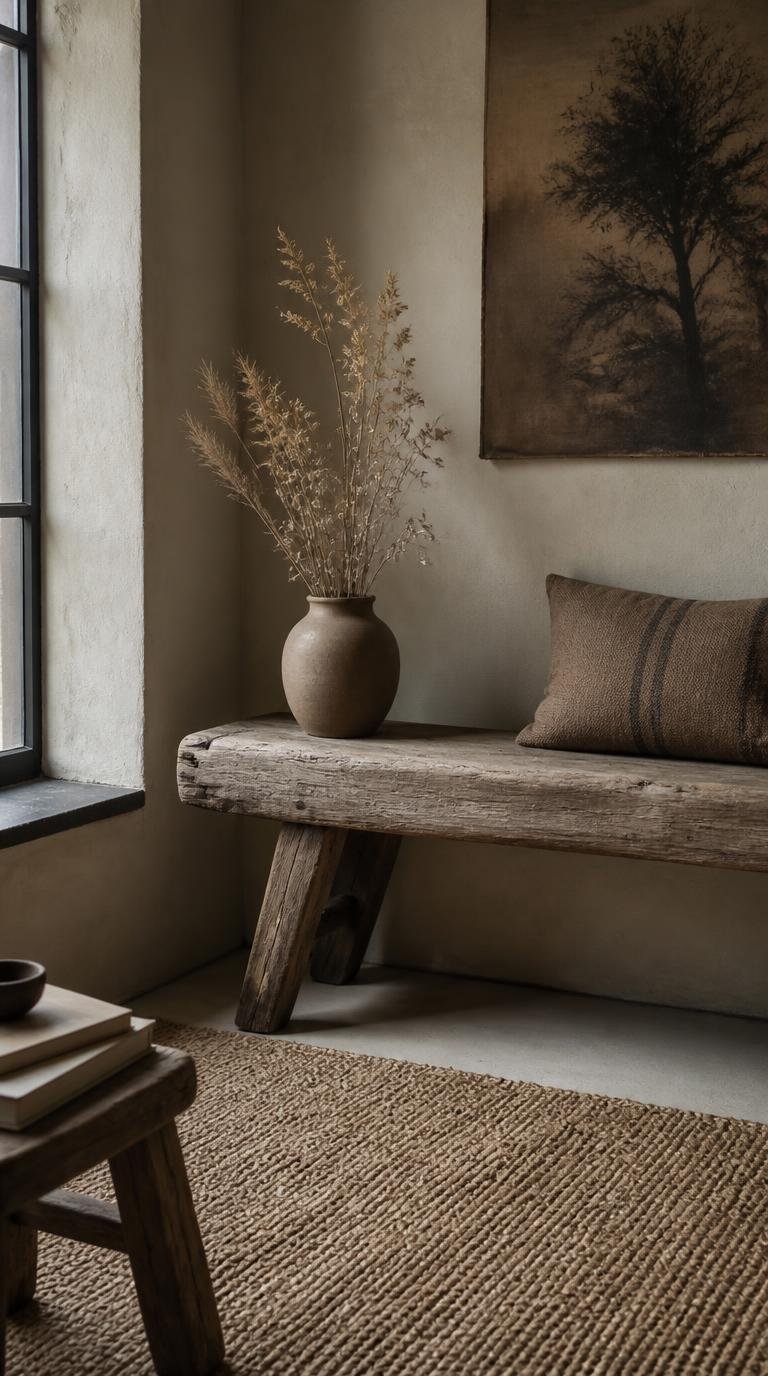
- Earthy, muted palette: Soft browns, clay, stone gray, warm taupe. Nothing bright, nothing synthetic.
- Raw and organic materials: Unpolished stone, rough-hewn wood, linen, handmade ceramics with visible imperfections.
- Asymmetry as a design choice: Uneven arrangements, irregular shapes, and objects that show their age or making.
- Edited, meaningful objects: Three things chosen with intention rather than twelve chosen for visual fill.

My Top Tip: Try placing a single branch of dried flowers or a cracked ceramic vessel on an otherwise empty shelf. In Wabi Sabi, one imperfect object says more than a dozen perfect ones.
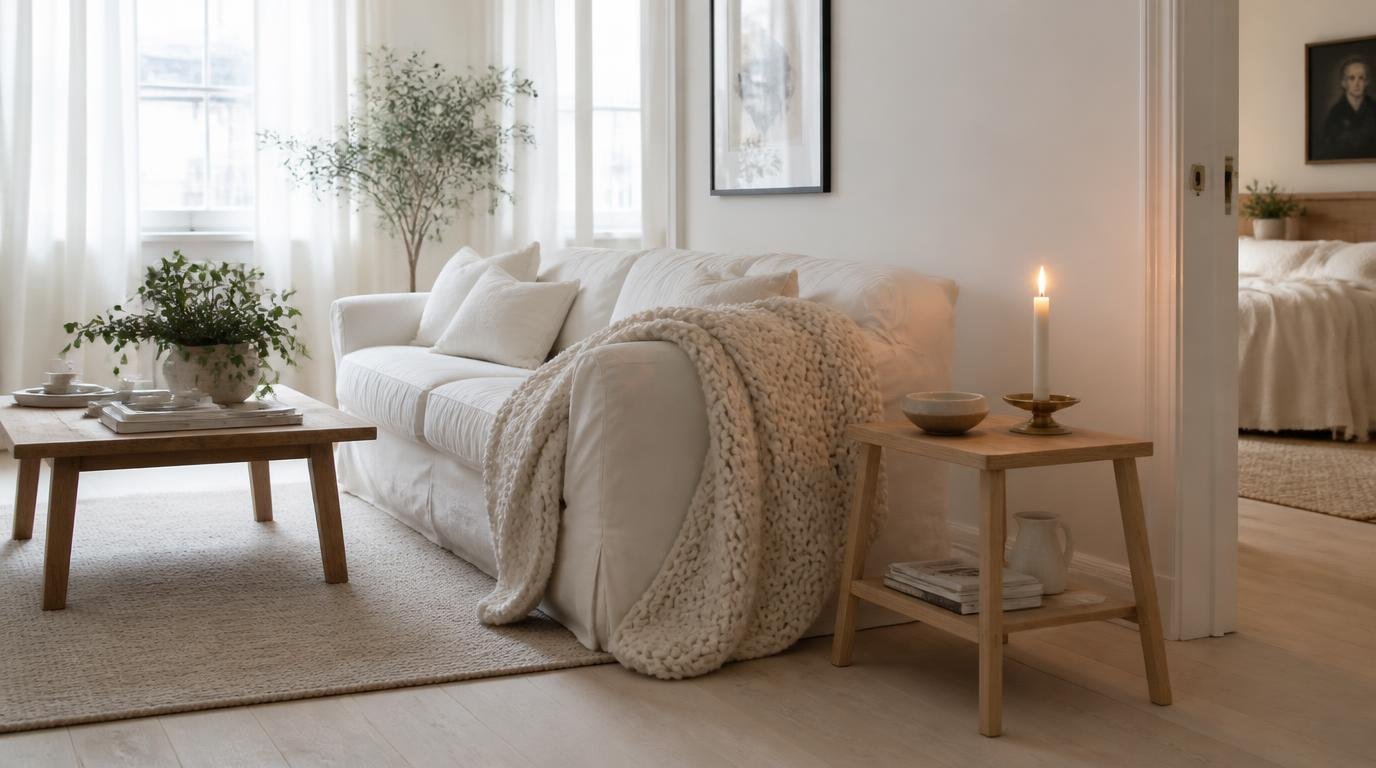
Scandinavian design comes from the Nordic countries and it has a very specific superpower: it makes a room feel warm and minimal at exactly the same time. That is surprisingly hard to do. Most interiors tip one way or the other. Scandi lives in the middle, and it does it through texture, light, and an almost architectural approach to comfort. Scandinavian is one of the more distinctive interior design styles to commit to fully.
Scandi Style at a Glance
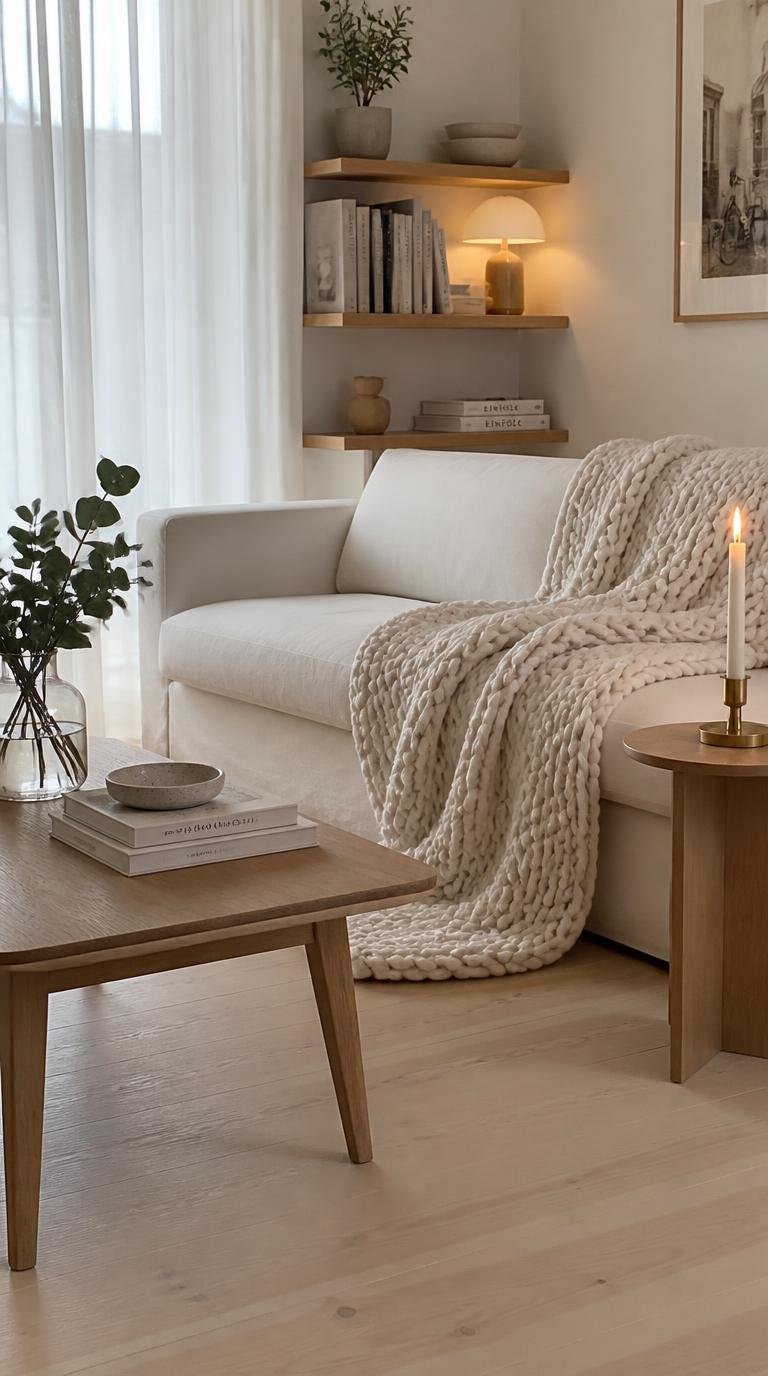
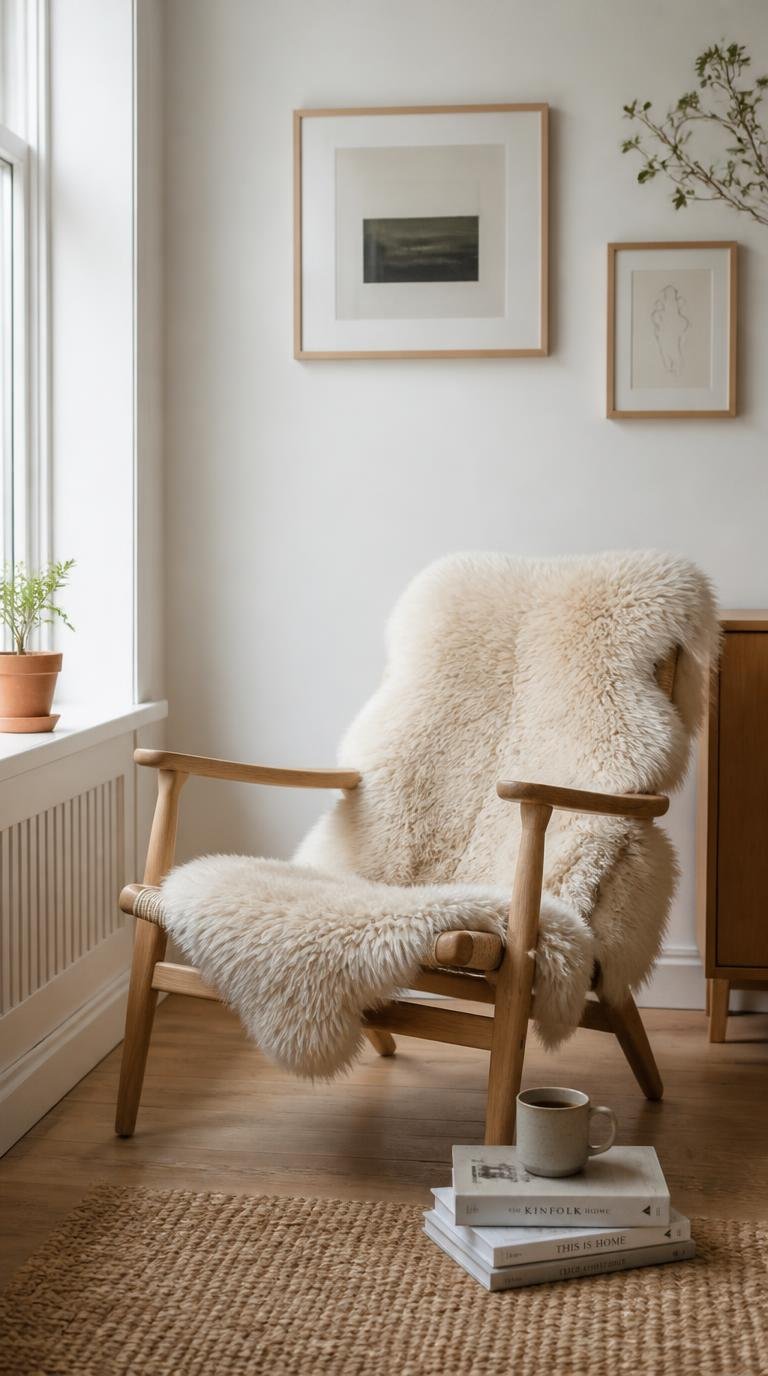
- The palette: White, soft gray, warm birch, and the occasional dusty sage or terracotta accent.
- The materials: Light wood (birch, pine), wool, sheepskin, cotton, and simple ceramics.
- The furniture: Simple forms with tapered legs, functional storage, and an absence of unnecessary ornament.
- The cozy layer: Chunky knit throws, beeswax candles, woven rugs, and soft pendant lighting that pools warmth rather than flooding a room.
Minimalist Interior Style
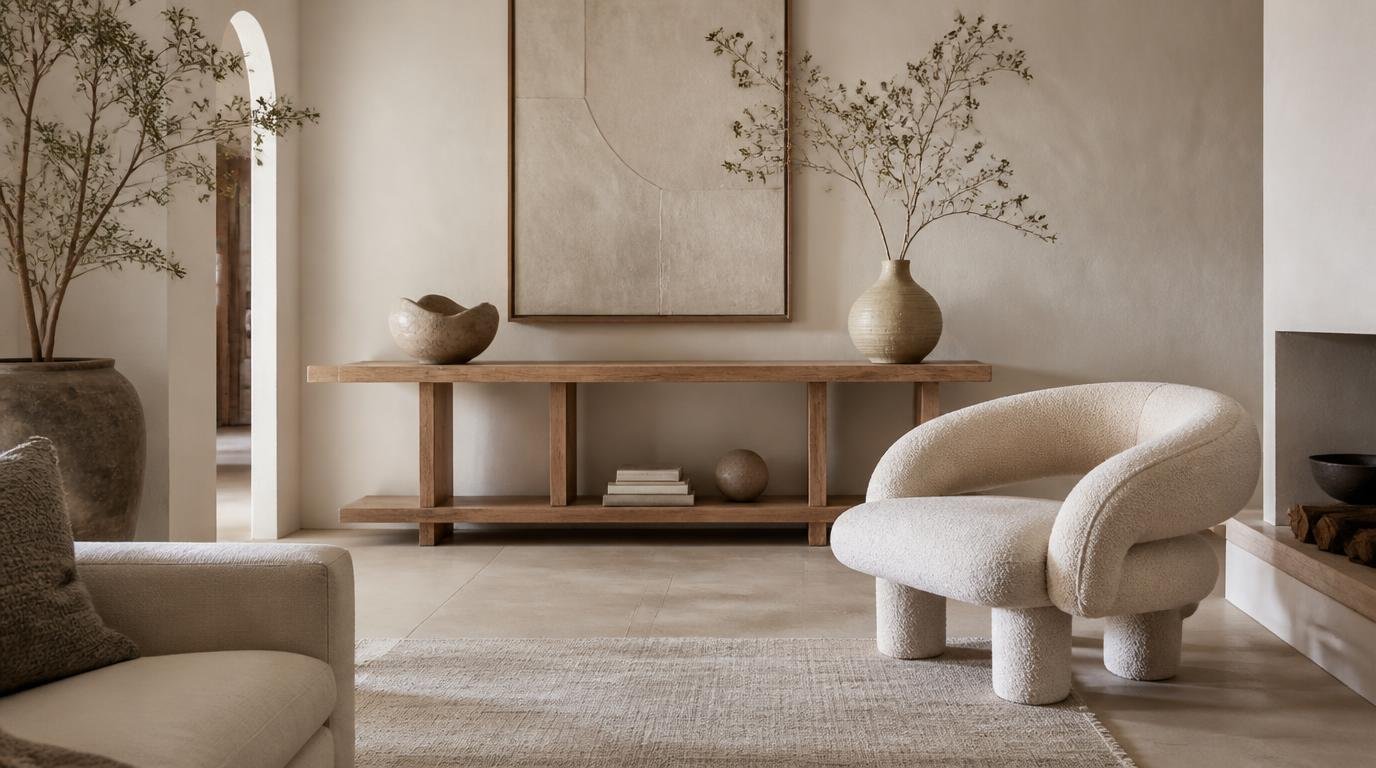
True minimalism is not about having nothing. It is about keeping only what genuinely matters. And when done with care, the result is a space that feels more generous and expansive than a room twice its size filled with furniture. Minimalist remains one of the most requested home interior design styles right now.
The challenge most people face is that minimalism requires real editing. That means making decisions about what to keep, which is actually much harder than shopping.
The Minimalist Toolkit
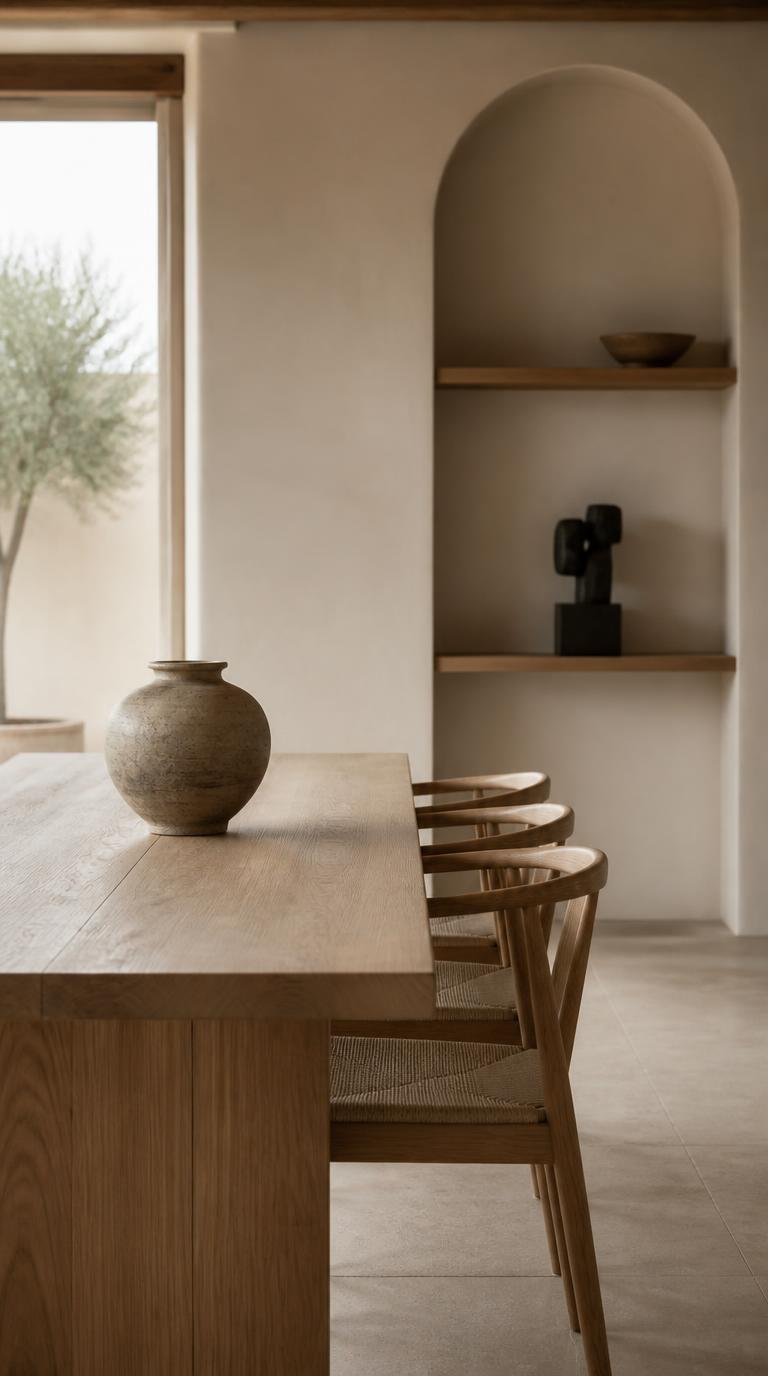
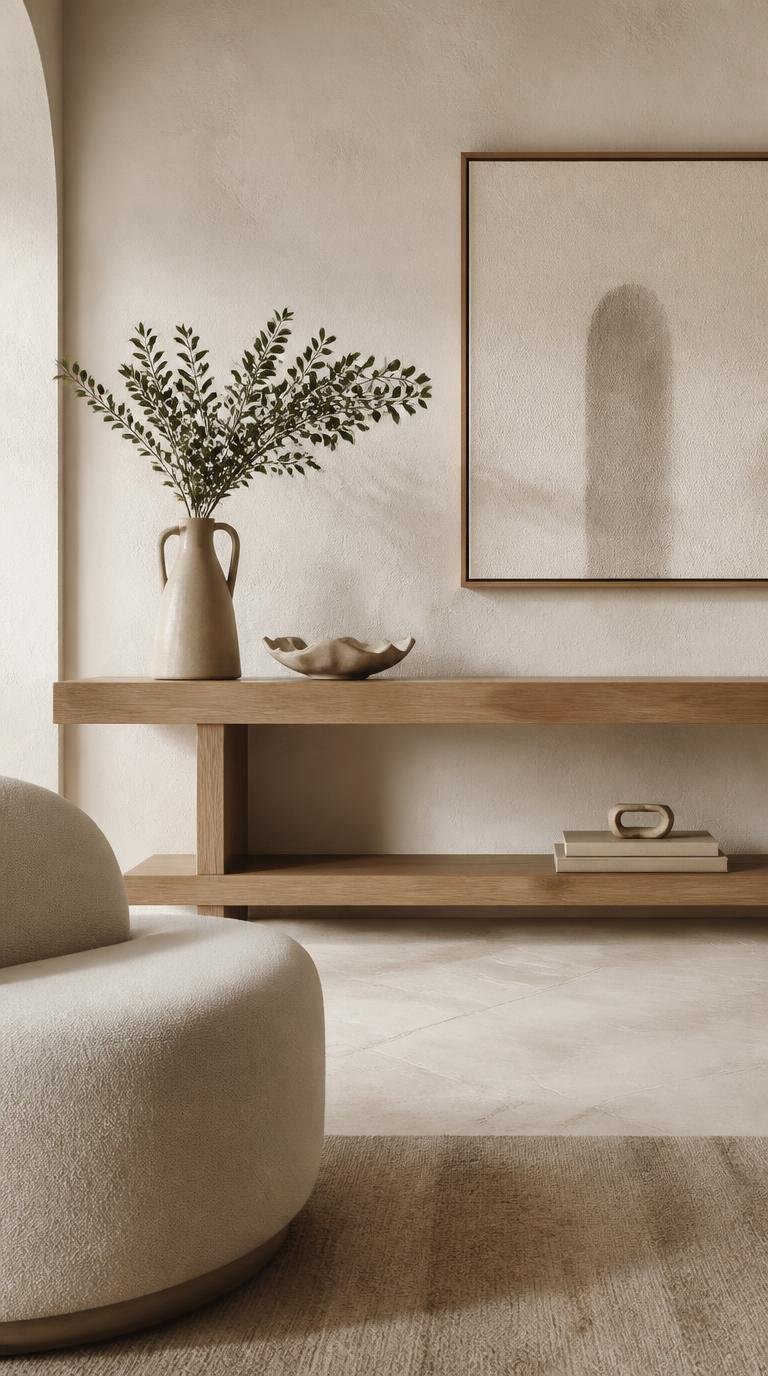
- Neutral color base: White, off-white, soft gray, warm beige. No competing colors pulling attention.
- Open surfaces: Counters, shelves, and tables with breathing room are the point, not an accident.
- Furniture with intention: Each piece solves a problem. Nothing is there just to fill a corner.
- Quality over quantity: One well-made piece always beats three average ones, a rule that carries across most types of interior design.
Organic Modern Interior Style
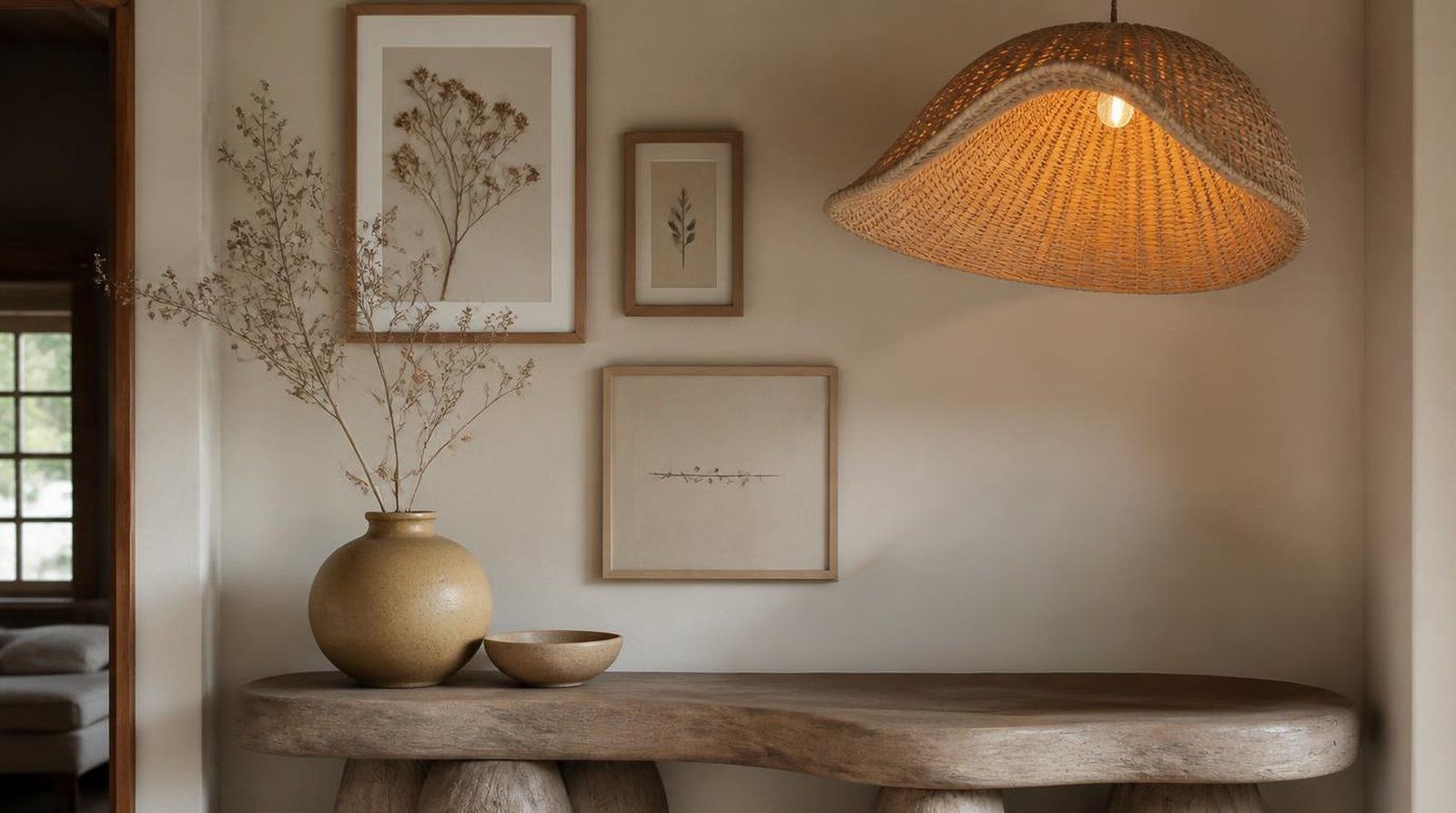
Organic Modern is the style I reach for when I want something that feels polished but not cold. It takes the clean sensibility of contemporary design and softens it with natural textures, curved forms, and earthy colors that feel genuinely welcoming. Organic Modern proves that interior design styles don’t have to follow just one rulebook.
Think warm cream linen sofas, sculptural rattan light fixtures, and a gallery wall of dried botanicals. It is biophilic design with excellent taste.
Organic Modern in Practice
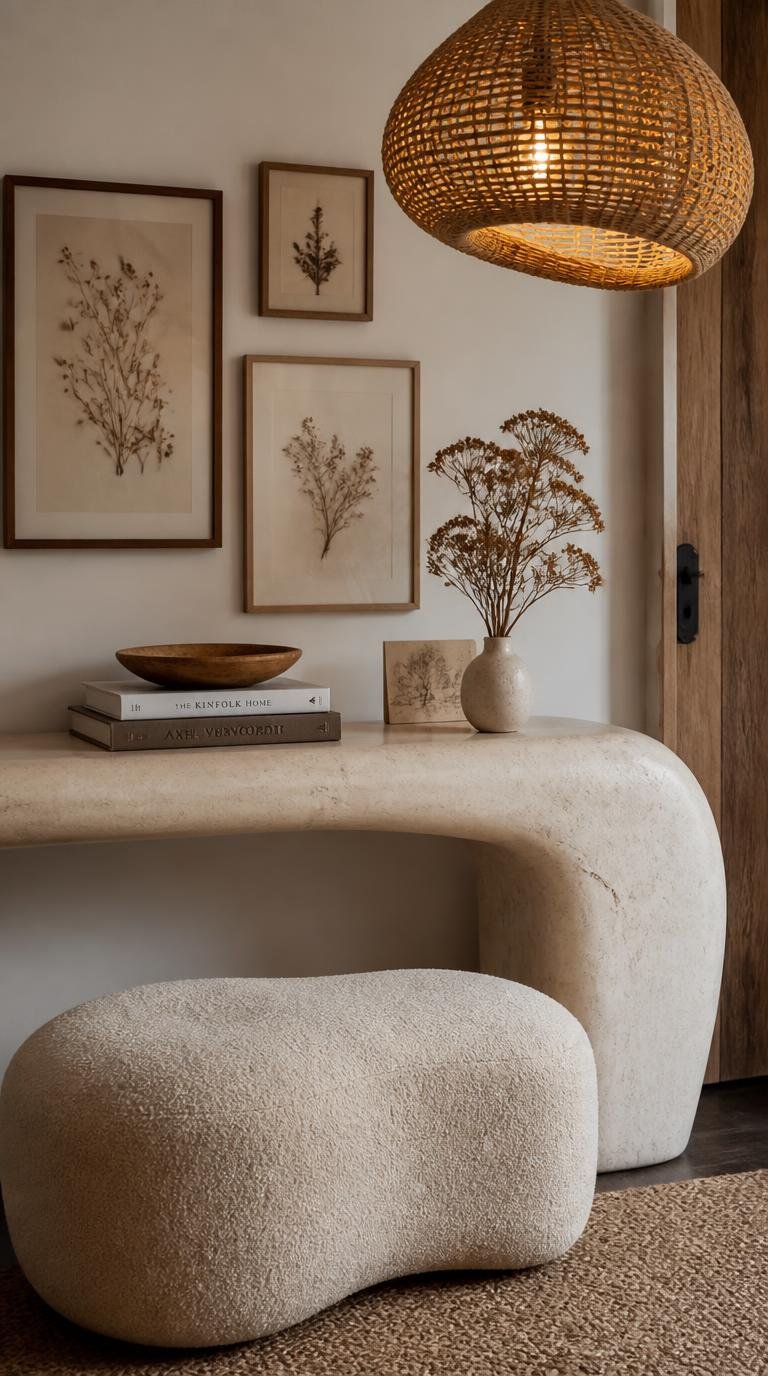
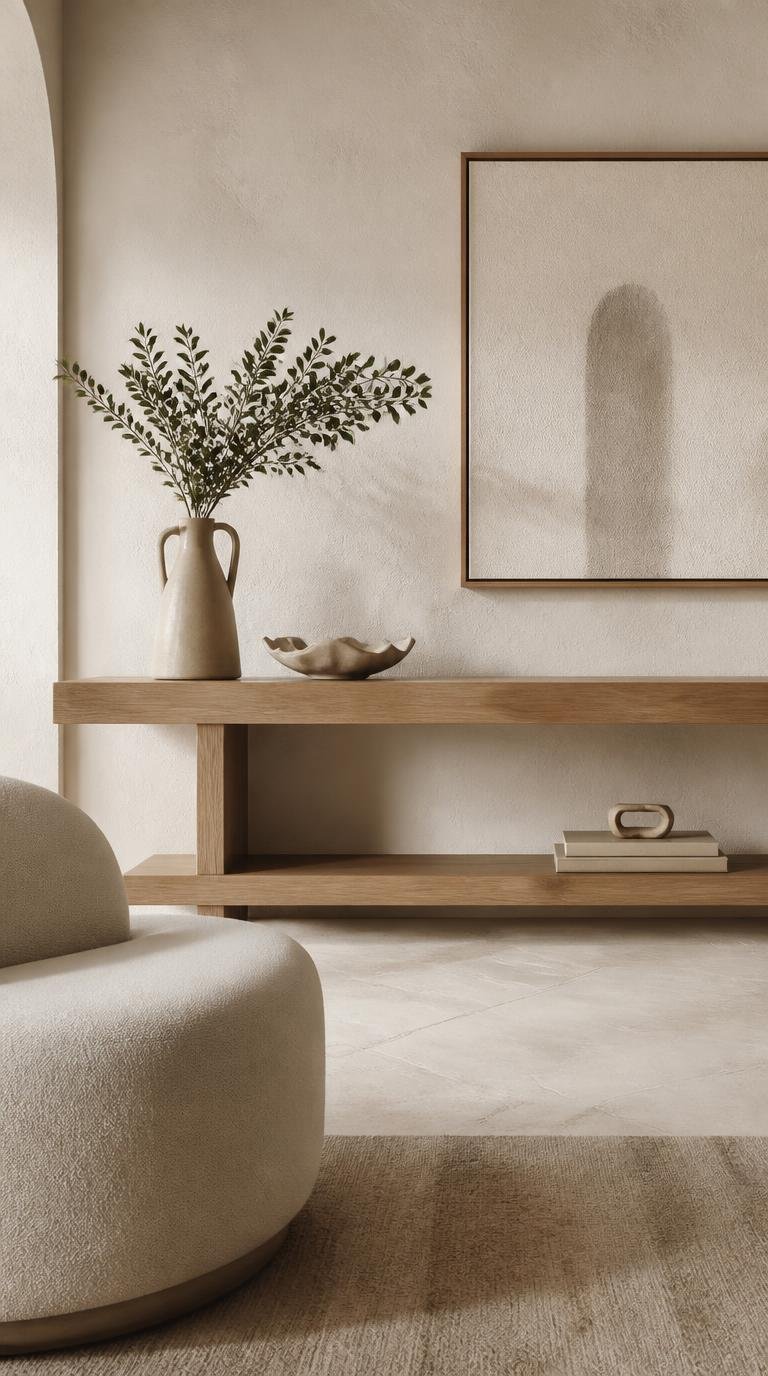
- Warm neutral palette: Creamy whites, warm taupes, terracotta, muted sage, and sand. No cool grays here.
- Nature-forward textures: Linen, rattan, jute, raw wood, and stone as the primary material language.
- Curves and soft shapes: Round mirrors, arched doorways, blob-shaped cushions, and sculptural furniture with no hard edges.
- Plants as architecture: Large-leaf indoor plants like monstera and fiddle leaf fig are not optional extras, they are structural.
Now for a quick comparison of the four calm styles that get confused the most. I get asked about these constantly:
| Style | Core Mood | Signature Material | Key Difference |
|---|---|---|---|
| Japandi | Intentional calm | Oak, linen, ceramics | East-meets-West restraint |
| Wabi Sabi | Imperfect peace | Raw stone, handmade objects | Celebrates age and imperfection |
| Scandinavian | Cozy functionality | Birch, wool, candlelight | Warmth is the priority |
| Minimalist | Open and uncluttered | Any, used sparingly | Absence is the aesthetic |
Loving this guide? Save it to your Pinterest board so you can come back to it whenever you’re ready to start decorating. And if you already know your style, jump straight to the dedicated posts linked throughout this article for more inspiration.
Mid-Century Modern Interior Style
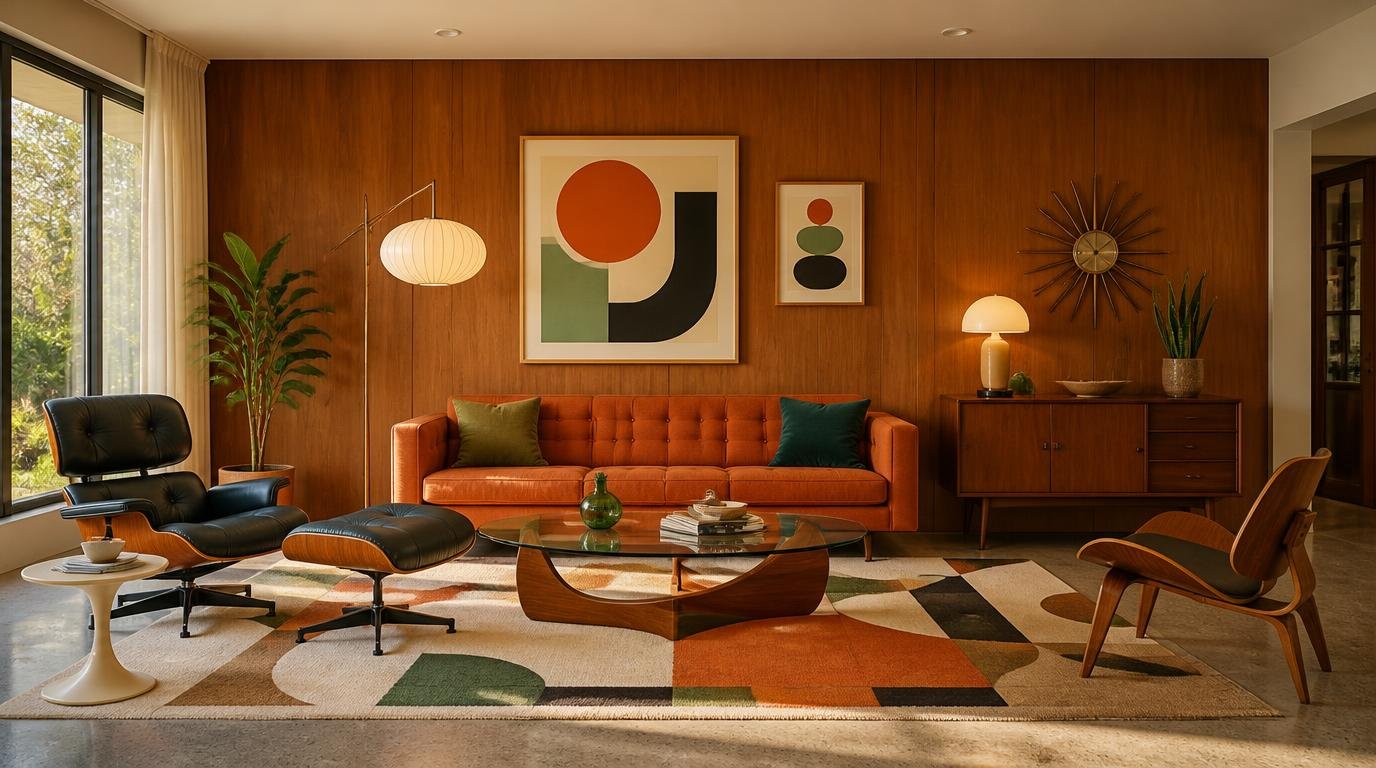
Mid-Century Modern has a timeless cool factor that I genuinely believe will outlast most trends. It emerged in the 1940s to 1960s as a response to post-war optimism, and its combination of organic shapes, functional design, and warm wood tones still feels completely fresh today. Of all the interior design styles covered here, Mid-Century Modern rewards commitment the most.
The MCM Checklist
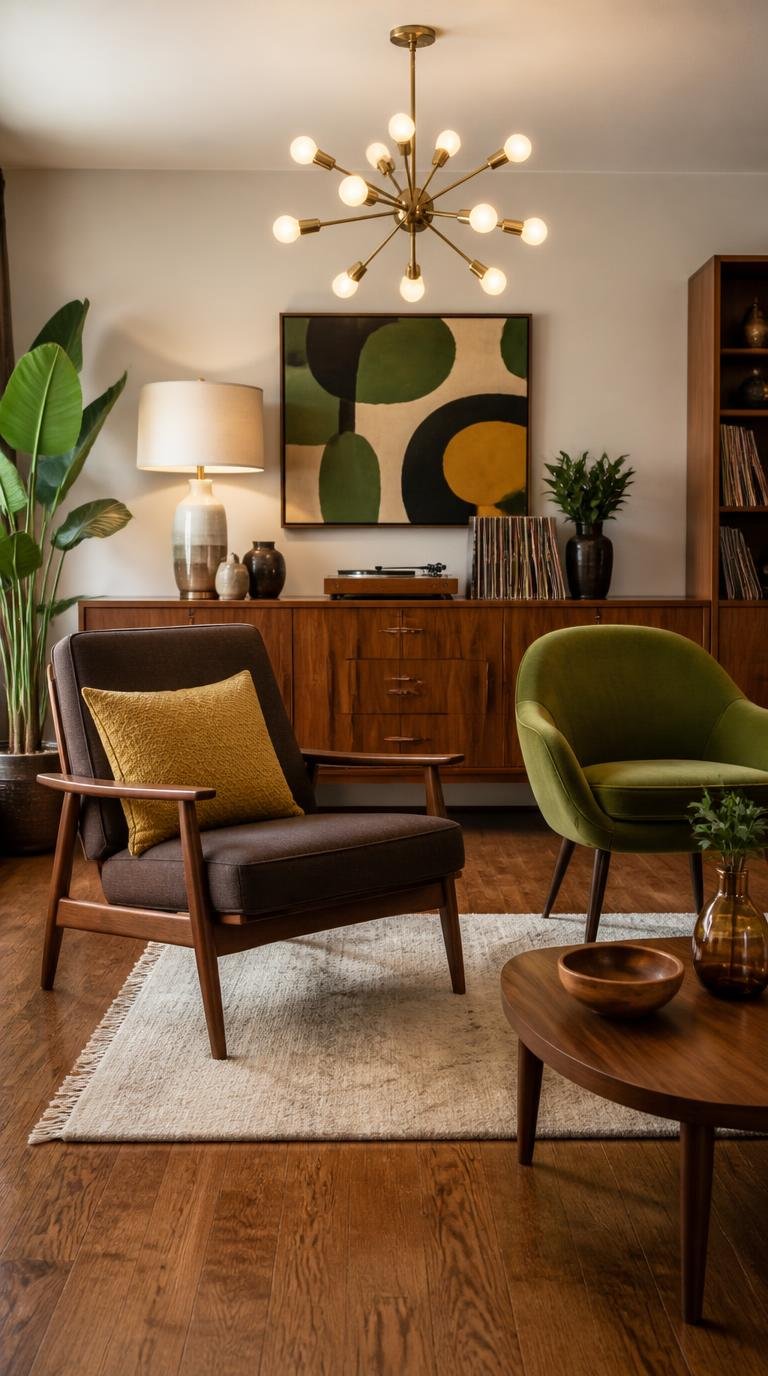
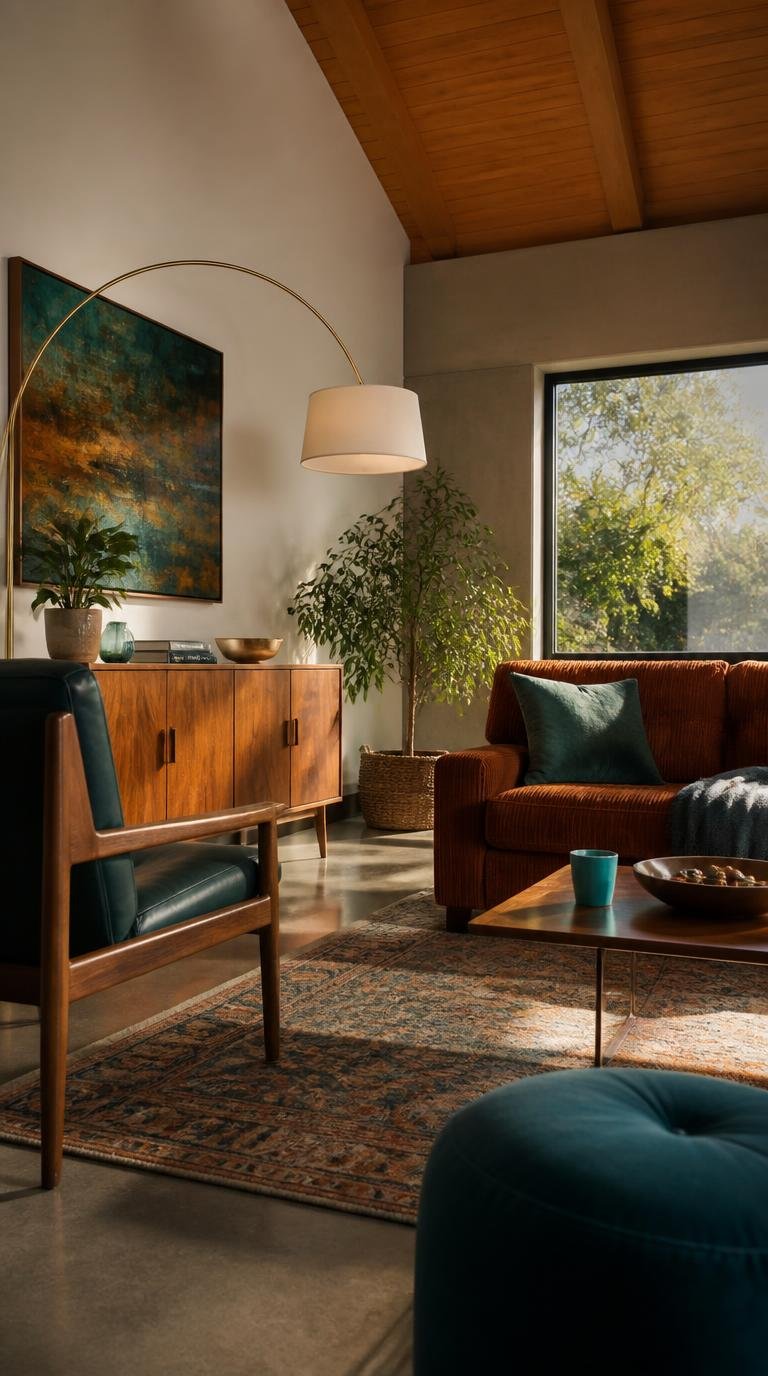
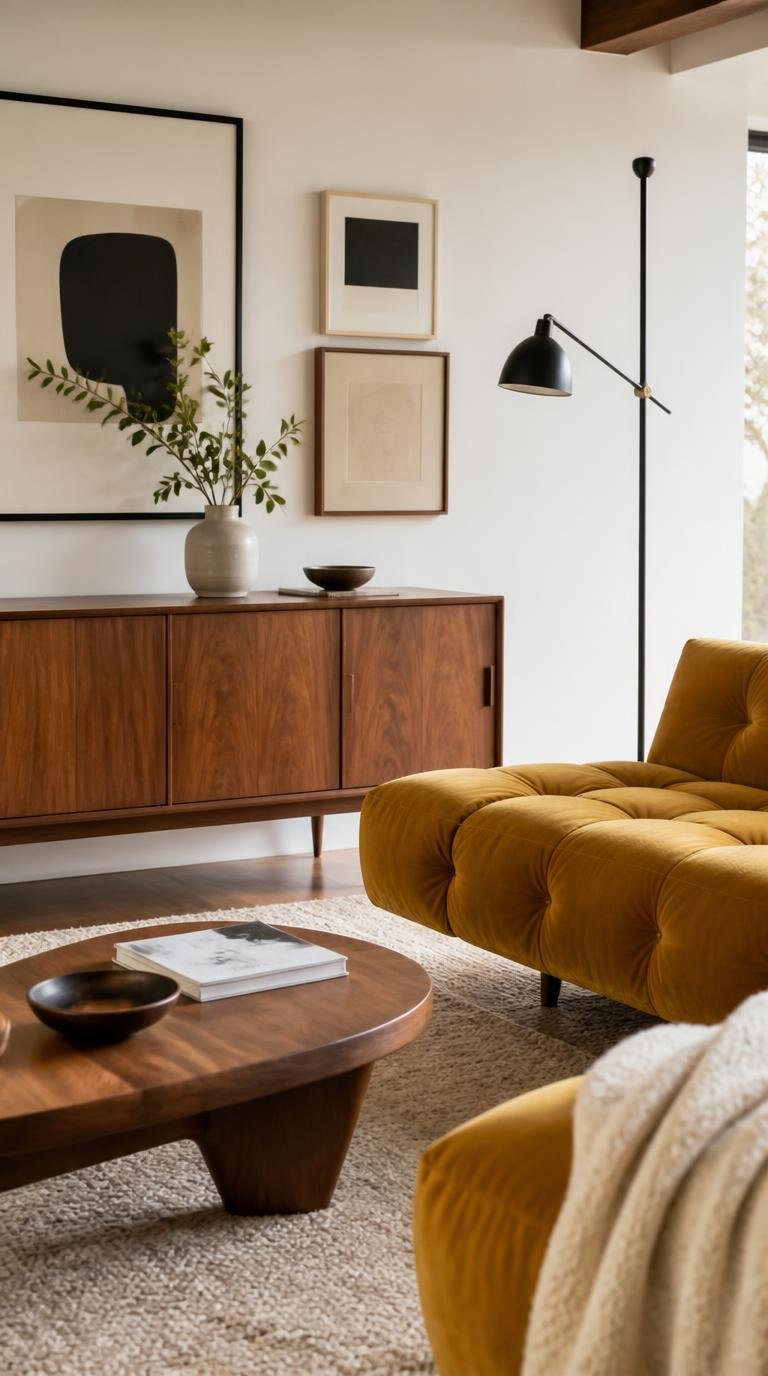
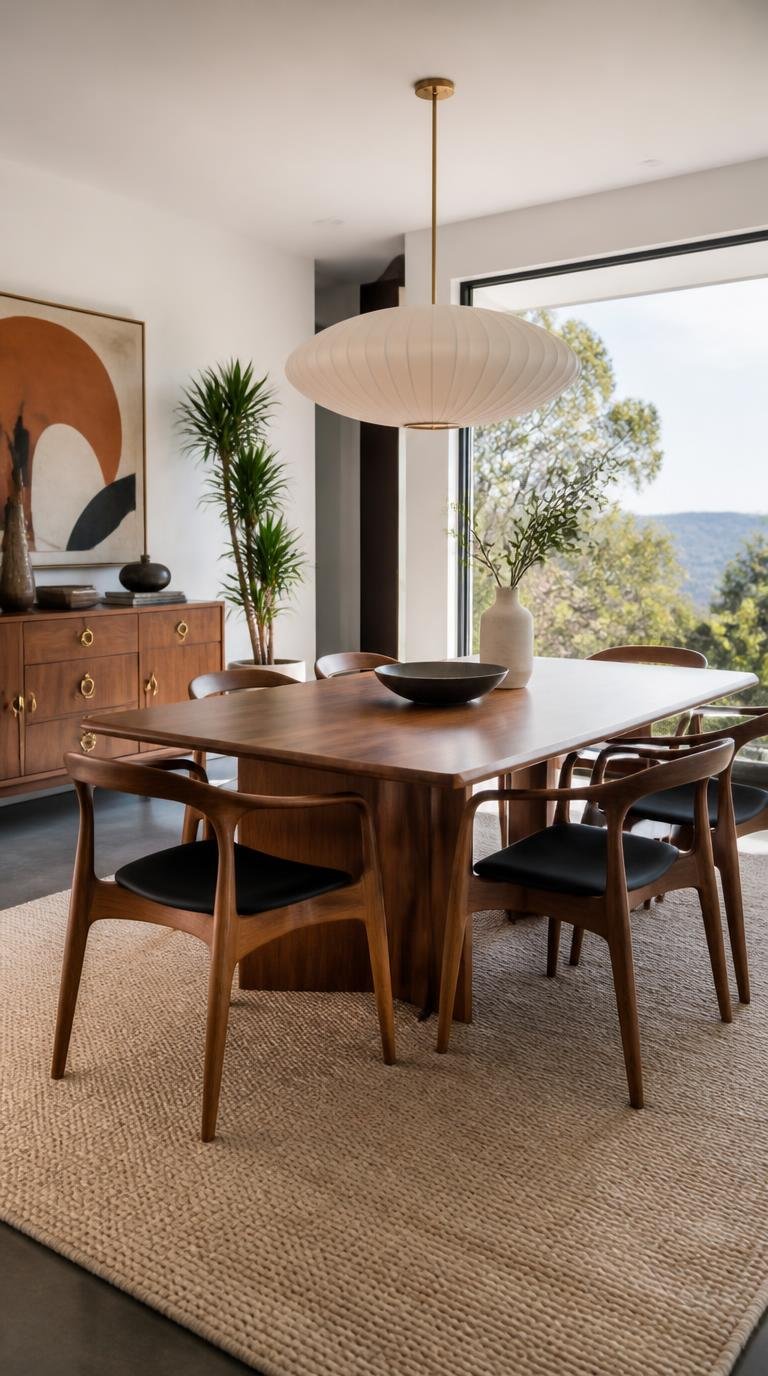
- Furniture silhouette: Tapered legs, low profile, and clean lines with just enough organic curve to feel warm.
- Wood tones: Walnut and teak are the MVPs. Rich, warm, and immediately recognizable.
- Color accents: Mustard yellow, burnt orange, avocado green, and teal paired with a neutral base.
- Statement lighting: Sputnik chandeliers, arc floor lamps, and globe pendants are practically required.
Bauhaus Interior Style
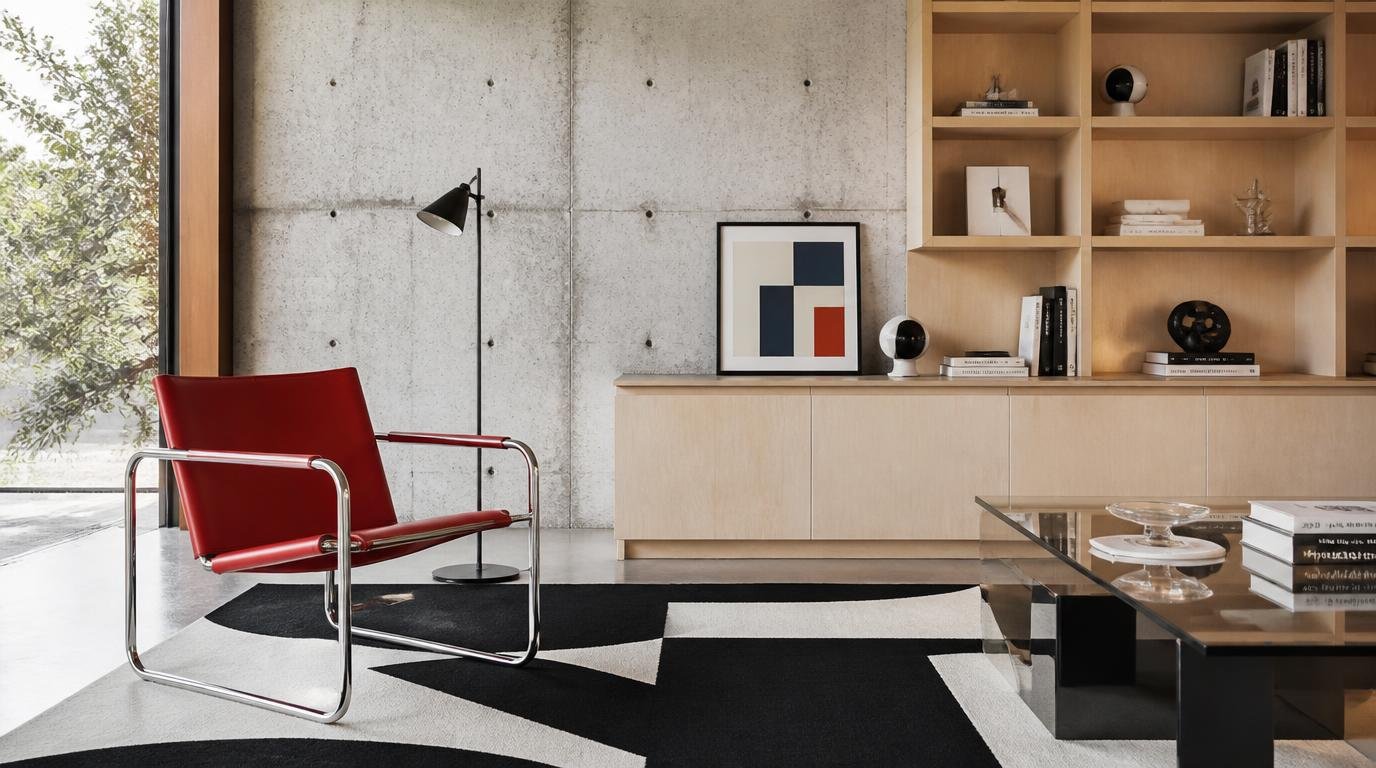
Bauhaus is the design school that changed everything. Founded in Germany in 1919, it gave us the radical idea that beauty and utility should never be separated. Form follows function. Decoration for its own sake is waste. It sounds strict, but in practice Bauhaus interiors have an incredible elegant quality that comes from total clarity of purpose. Bauhaus is one of the most versatile interior design styles on this list.
If you love design that feels almost mathematical in its precision but still manages to be beautiful, Bauhaus is the style for you. Think primary colors used as punctuation, not paint color. Think steel and glass paired with simple wood. Think furniture that looks like it was designed to solve a problem and ended up solving an aesthetic one too.
Bauhaus Design at Its Core
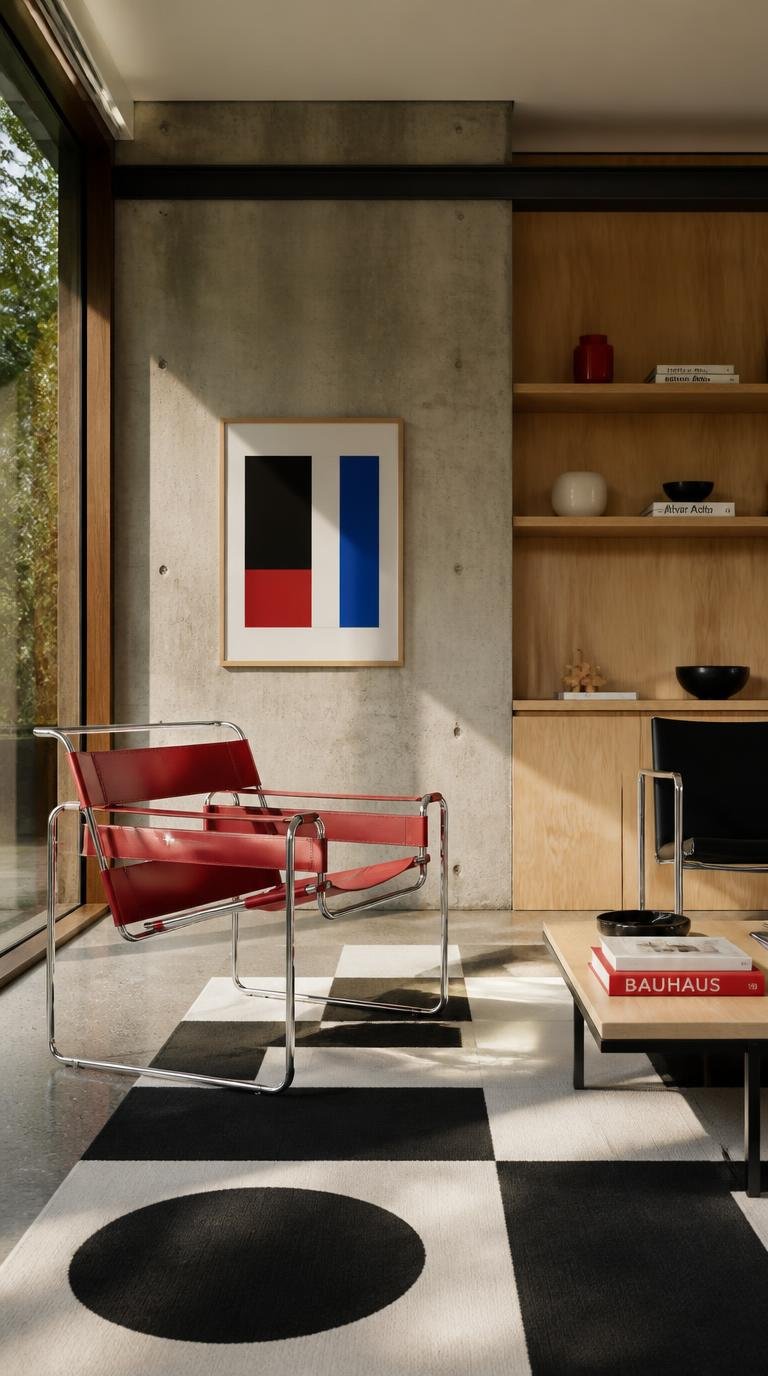
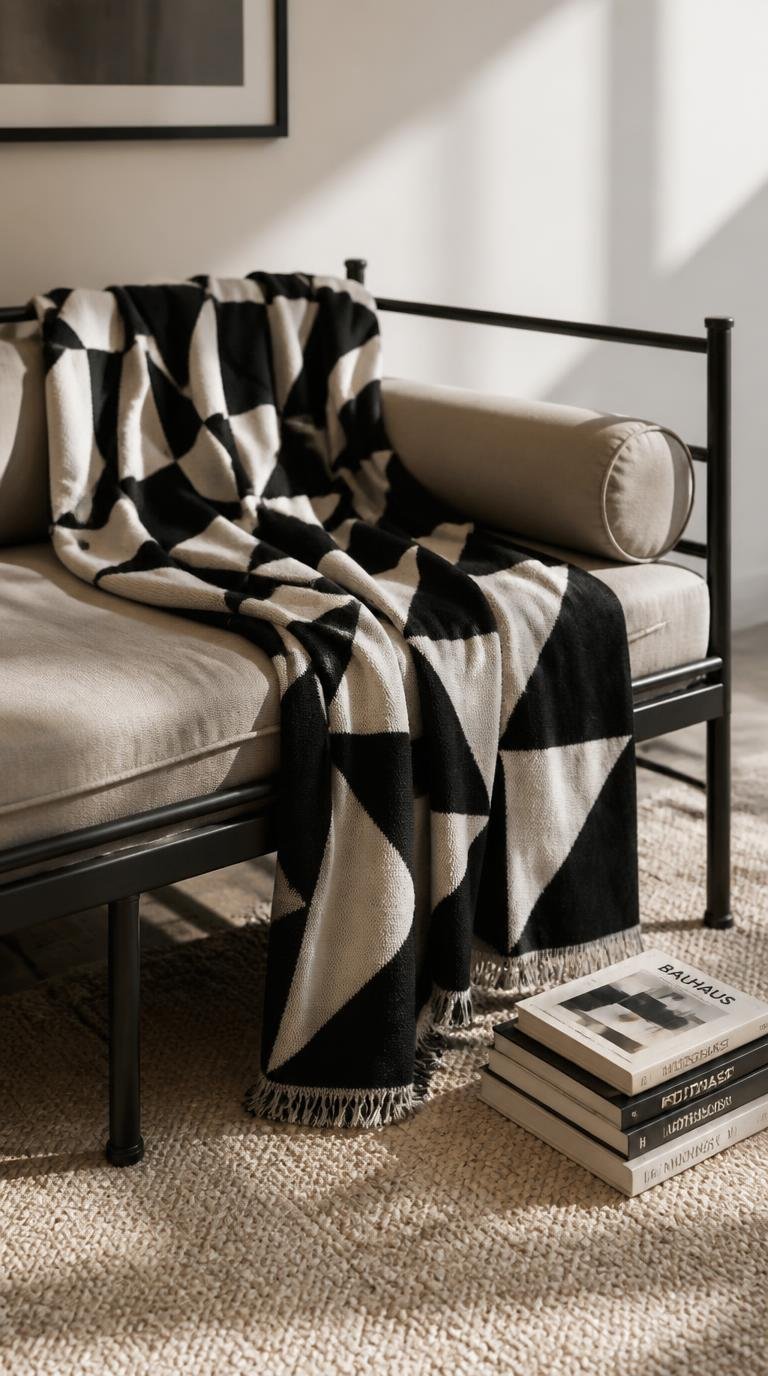
- Form follows function: Every design decision starts with purpose. Ornament is only welcome when it adds meaning.
- Primary color accents: Red, yellow, and blue used as deliberate focal points against a mostly neutral or monochrome base.
- Industrial materials: Steel, glass, and concrete alongside simple woods like beech or birch.
- Geometric precision: Clean lines, right angles, and grid-based layouts that feel almost architectural in their logic.
Coastal Interior Style
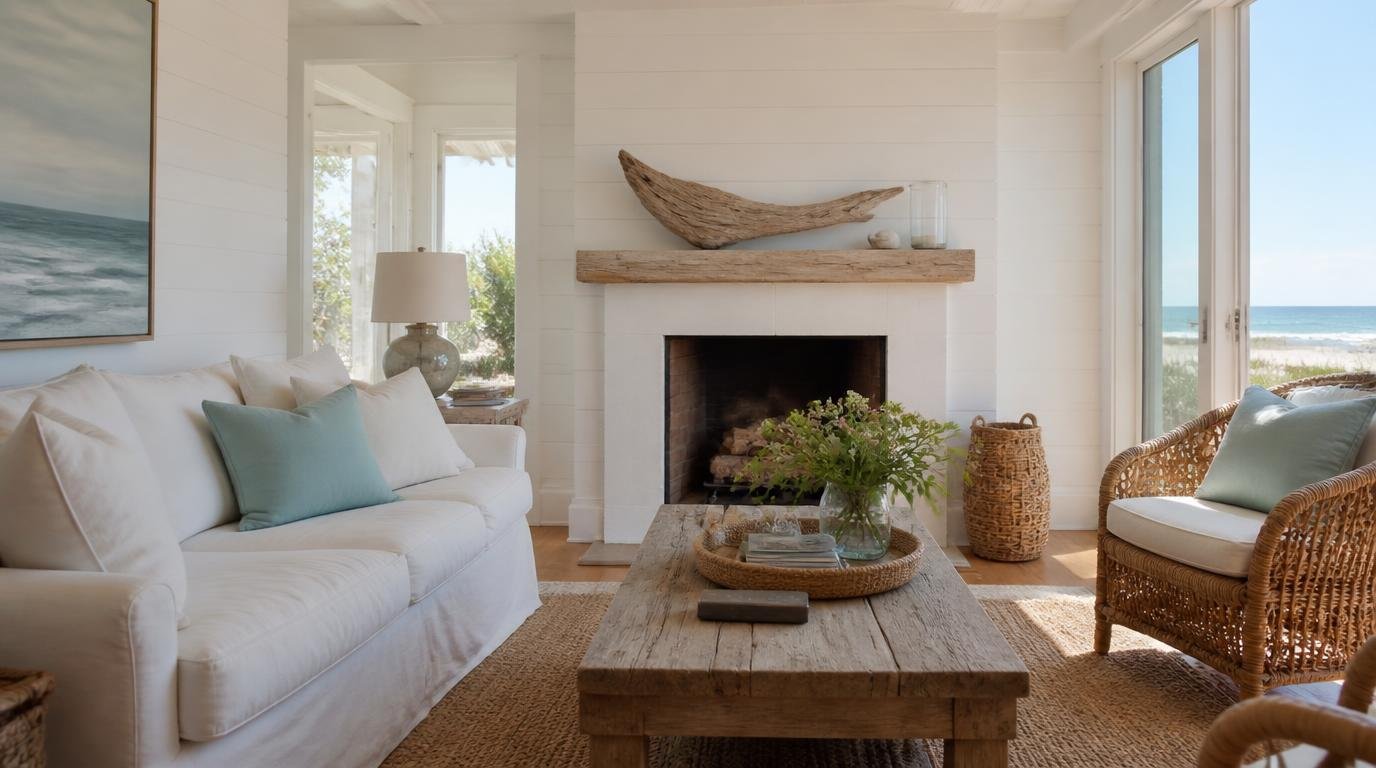
Coastal design does one thing really well: it makes you feel like you exhaled when you walked in. It captures the light, the ease, and the unhurried quality of life near the water without requiring you to actually live near the water. It is one of the most popular interior design styles in the US, and the reason is simple: everyone wants a home that feels like a vacation. Coastal has quickly become one of the most popular interior design styles among new homeowners.
The Coastal Palette and Materials
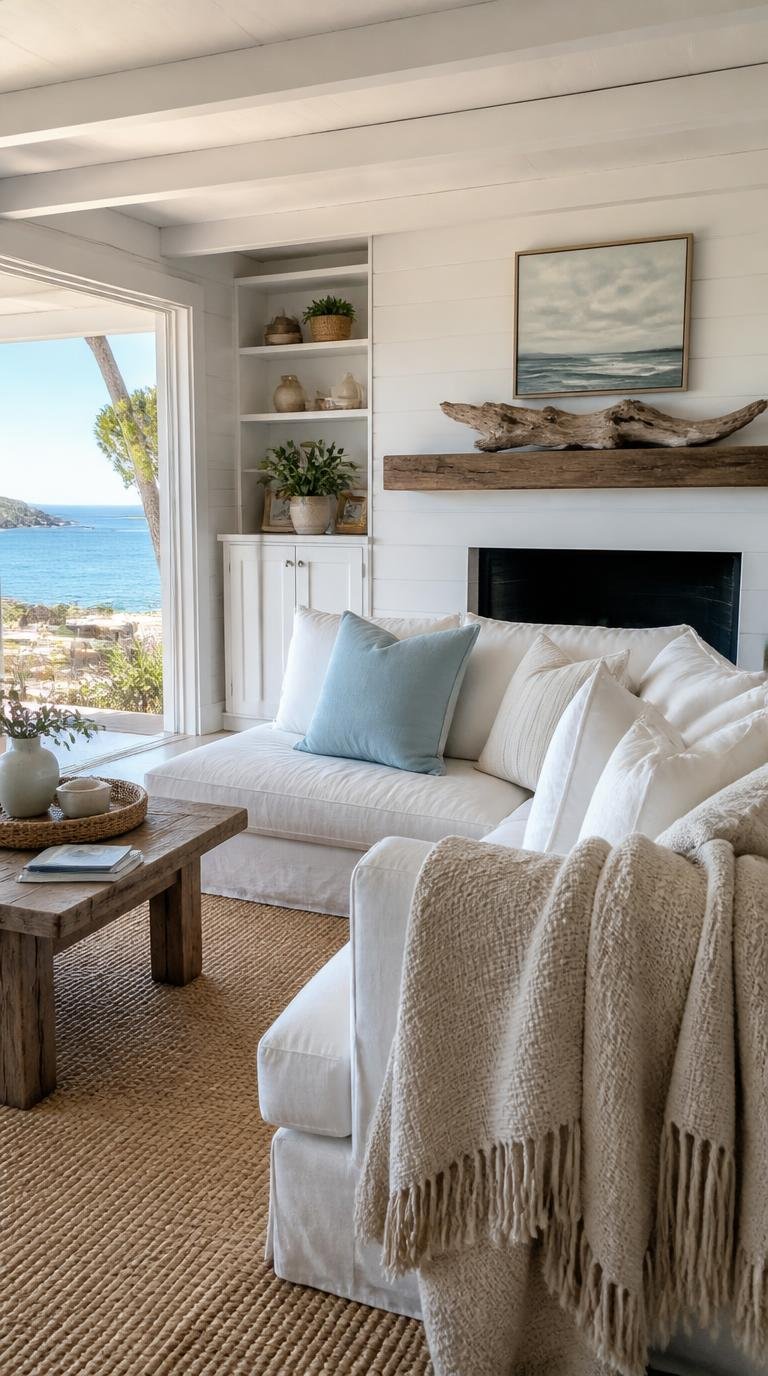
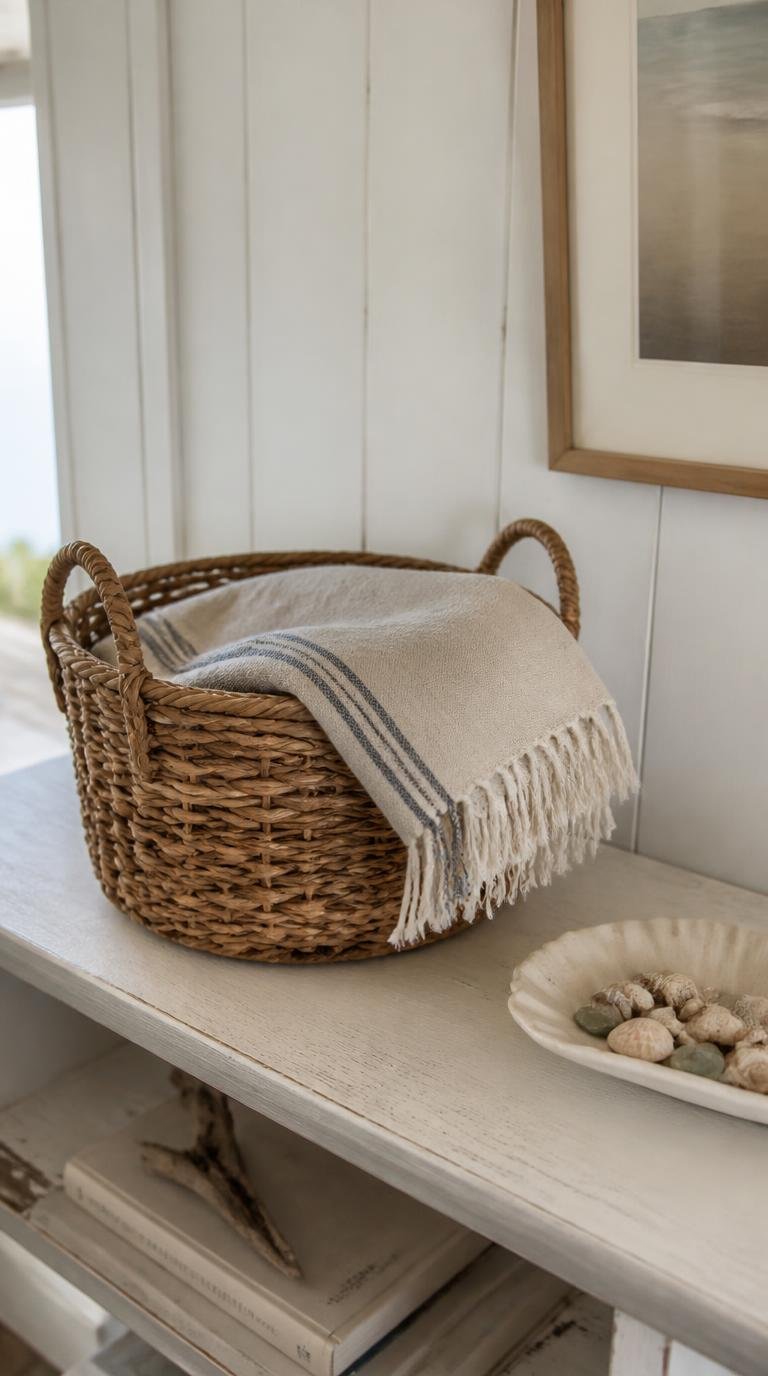
- Color story: Soft blue, sea glass green, sandy beige, and crisp white. The palette of a morning at the beach.
- Texture over drama: Jute rugs, rattan furniture, white-washed wood, and loose linen curtains rather than heavy drapes.
- Light as a design element: Large windows, sheer panels, and pale surfaces that bounce natural light around the room.
- Restrained coastal accents: Driftwood, woven textures, and subtle ocean references rather than anchors and lobsters everywhere.
Bohemian (Boho) Interior Style
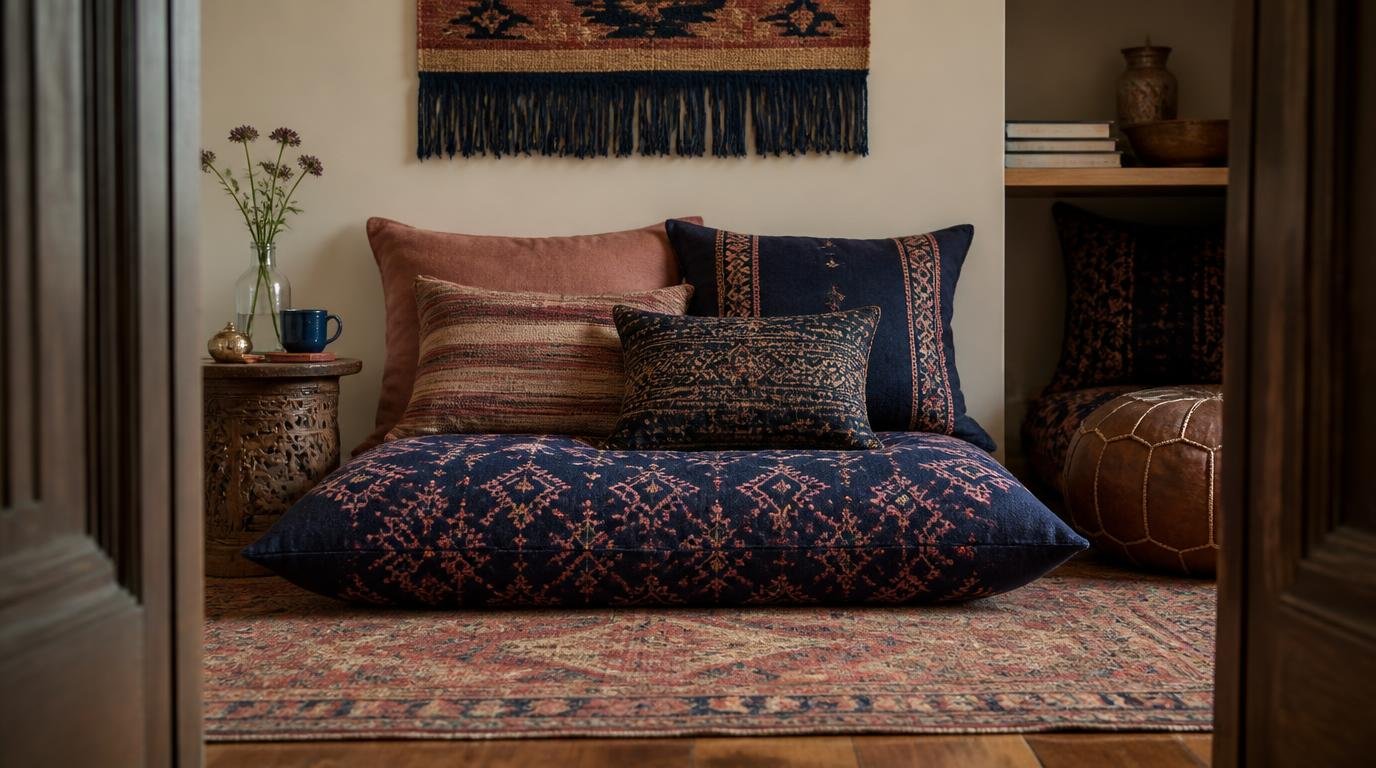
Boho is the style for people who collect things, love color, and want their home to feel like a living reflection of everywhere they have been and everything they love. It is layered, warm, a little wild, and completely intentional in its own chaotic way. Bohemian is one of the more distinctive interior design styles to commit to fully.
The best Boho homes do not look random. They look like someone with very specific taste brought together pieces from different corners of the world and somehow made them all speak the same language.
Boho’s Essential Ingredients
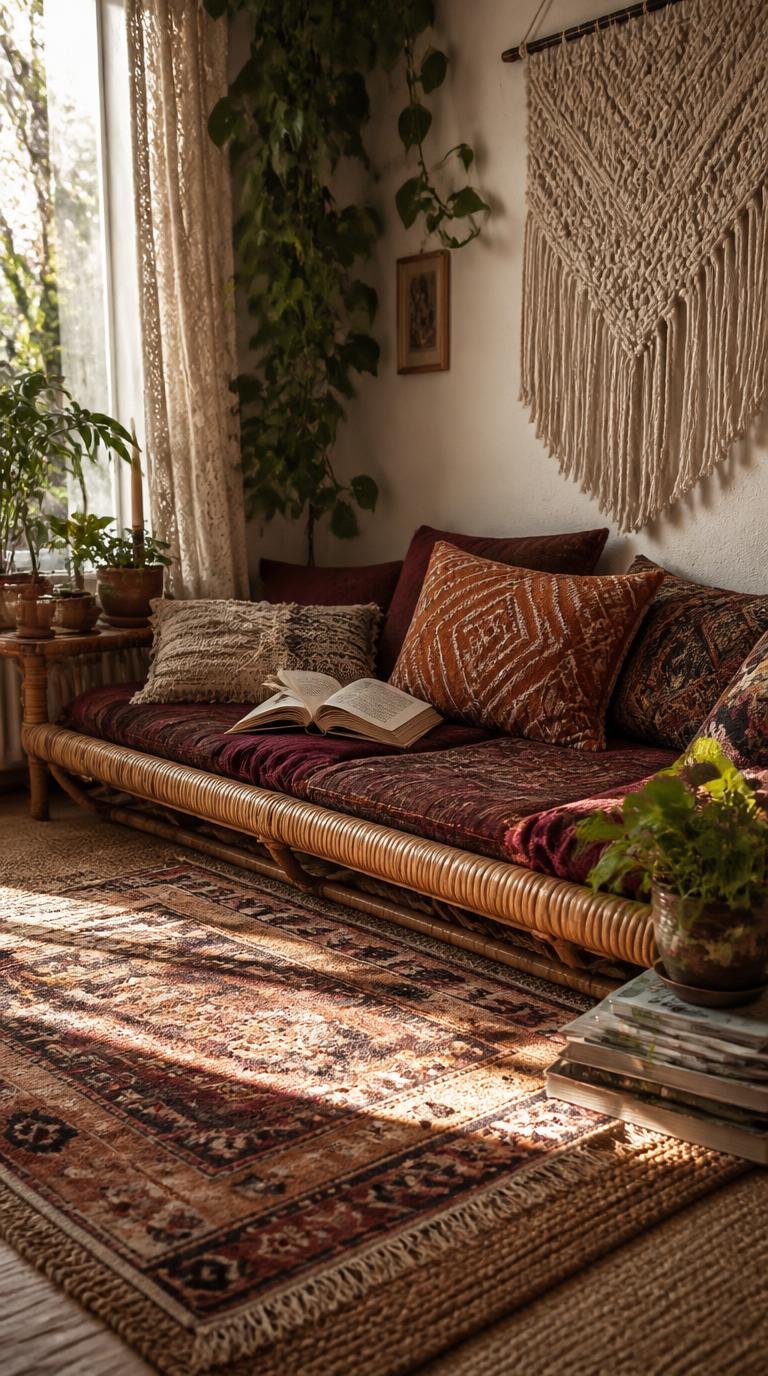
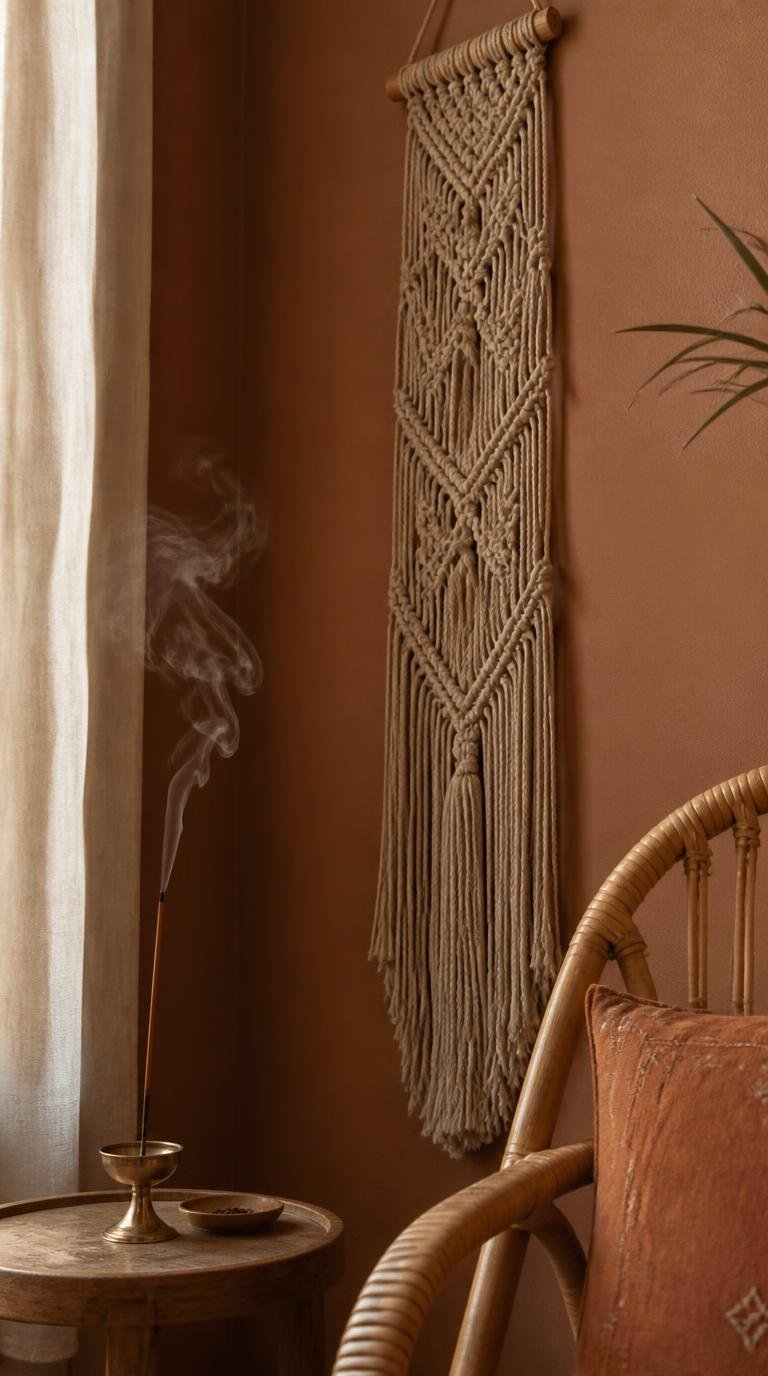
- Color confidence: Deep burgundy, terracotta, dusty rose, indigo, and warm amber layered together without apology.
- Textile layering: Kilim rugs over jute, velvet cushions on linen sofas, macrame beside woven wall art.
- Pattern mixing: Geometric, tribal, and floral patterns in the same room is not a mistake; it is the point.
- Living materials: Plants, wood, rattan, and wicker keep the whole thing from feeling over-decorated.
Top Tip: If Boho feels too much for you all at once, start with one Boho textile, a patterned throw or a vintage kilim rug, and let it anchor the rest of the room. You can layer from there at your own pace.
Contemporary Interior Style
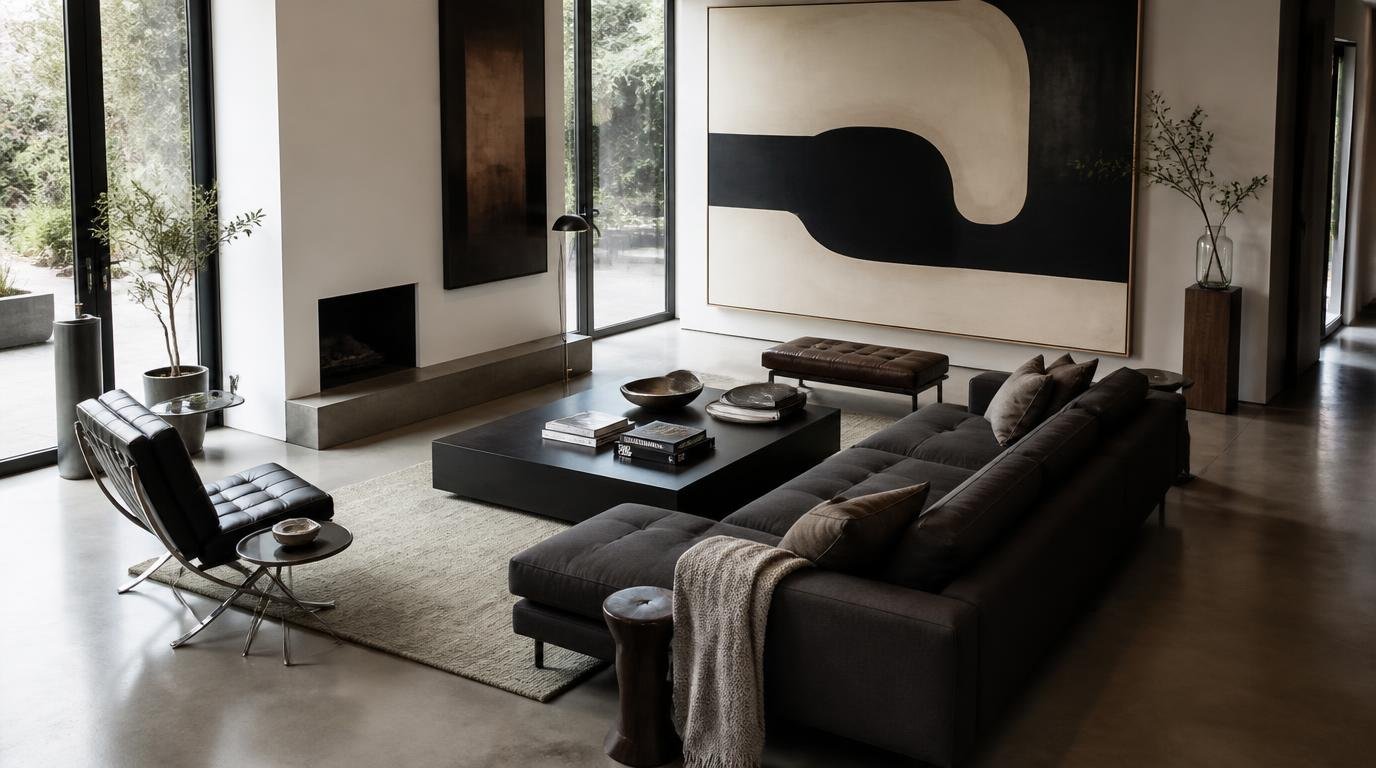
Contemporary design is a moving target by definition. Unlike “modern” (which refers to a specific mid-20th century period), contemporary simply means “of right now.” It reflects current design thinking: clean lines, open floor plans, restrained decoration, and materials that feel current rather than historical. Contemporary remains one of the most requested home interior design styles right now.
Contemporary Style Markers
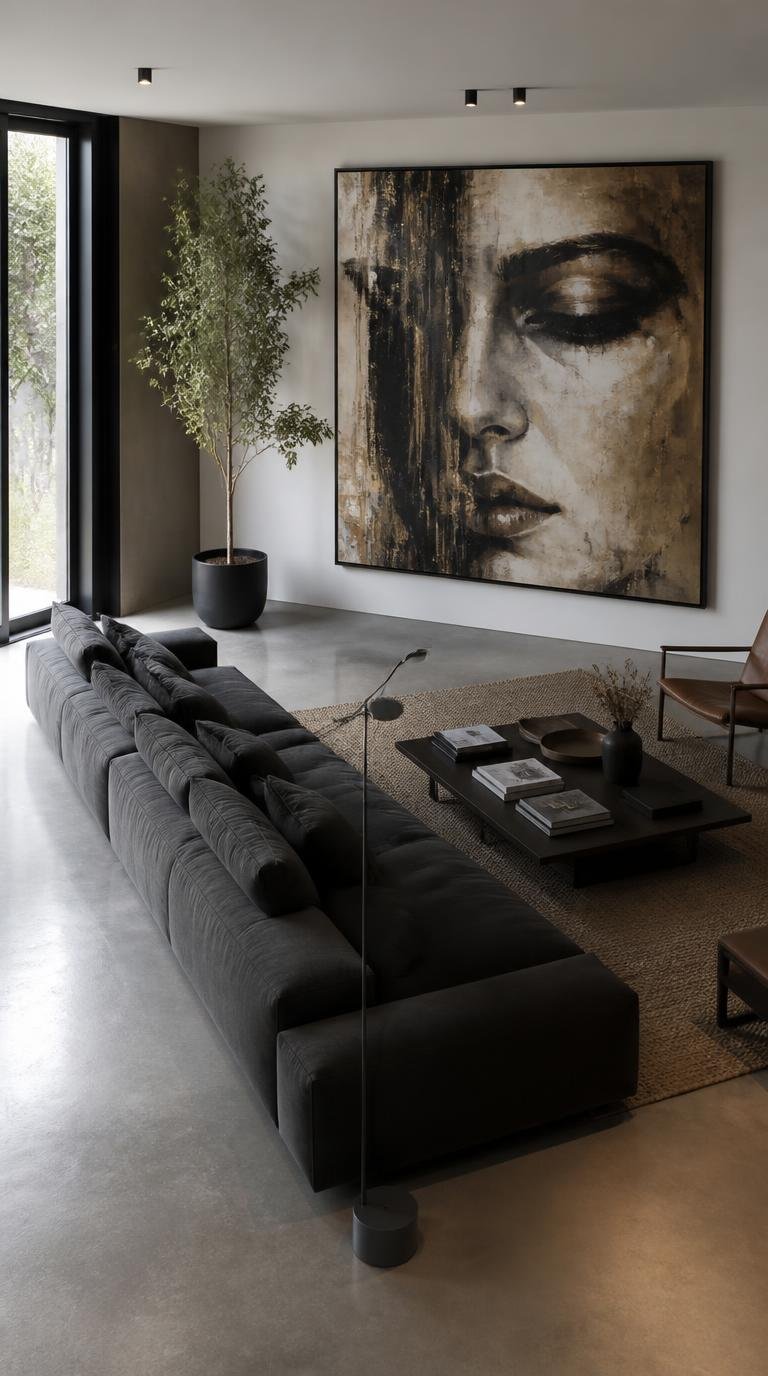
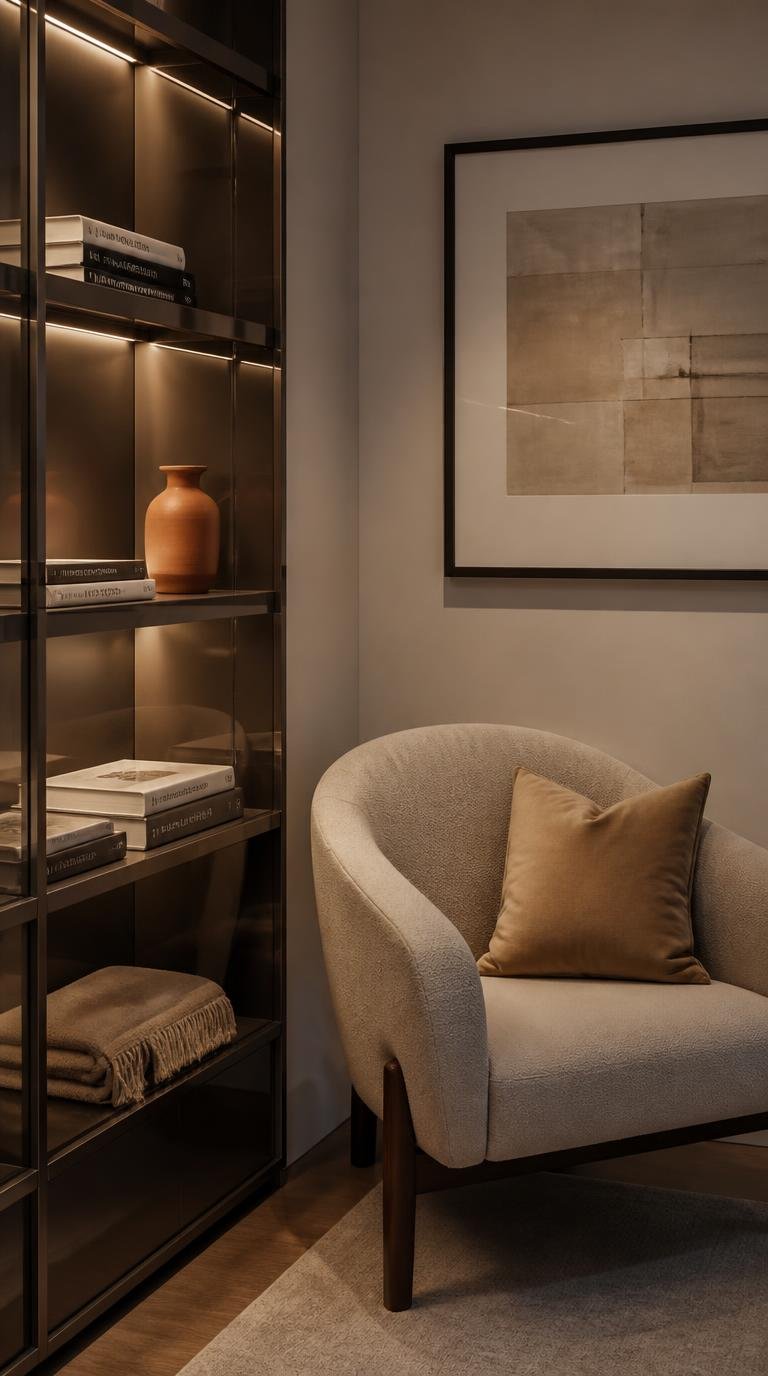
- Neutral foundation: Warm gray, charcoal, white, and black create a calm, graphic base.
- Uncluttered layouts: Open plans, breathing room, and a strong commitment to storage-as-design.
- Modern materials: Concrete, glass, brushed steel, and smooth lacquered finishes.
- Statement art: Large-scale artwork is often the hero of a contemporary room, doing the emotional heavy lifting that ornament does in other styles.
Art Deco Interior Style
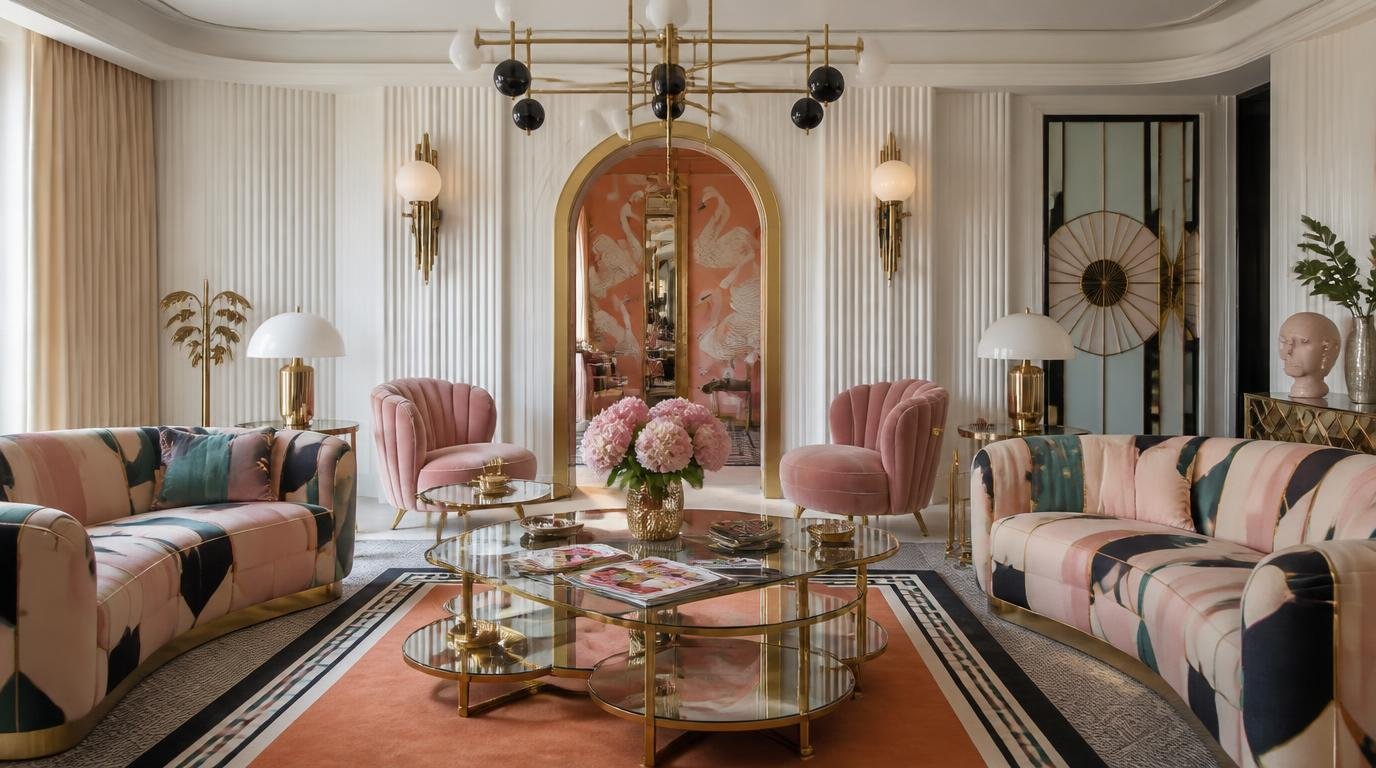
Art Deco is glamour made architectural. It emerged in the 1920s and 1930s as a celebration of modernity, opulence, and bold geometric beauty. If you love the feeling of walking into a room and thinking “this is serious,” Art Deco is the style that delivers that every single time. Art Deco proves that interior design styles don’t have to follow just one rulebook.
The Art Deco Formula
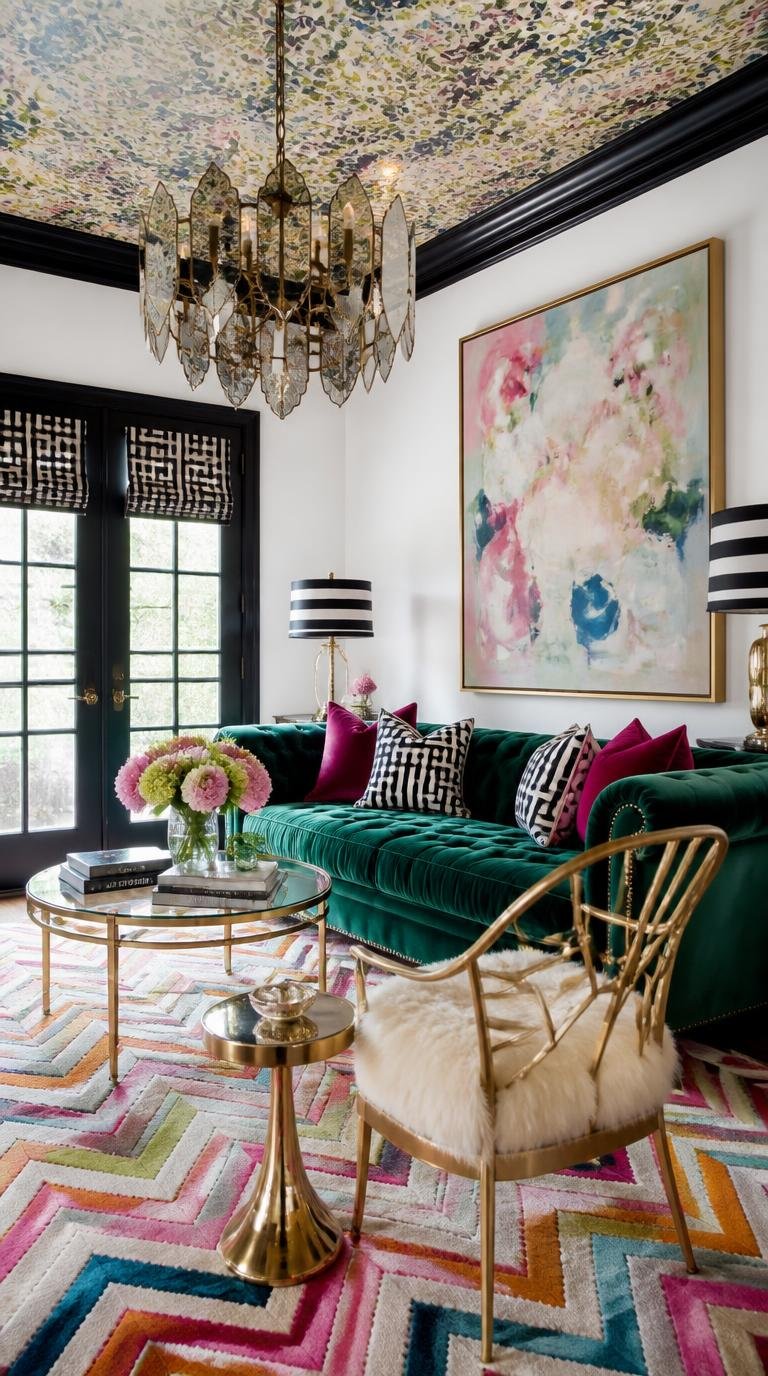
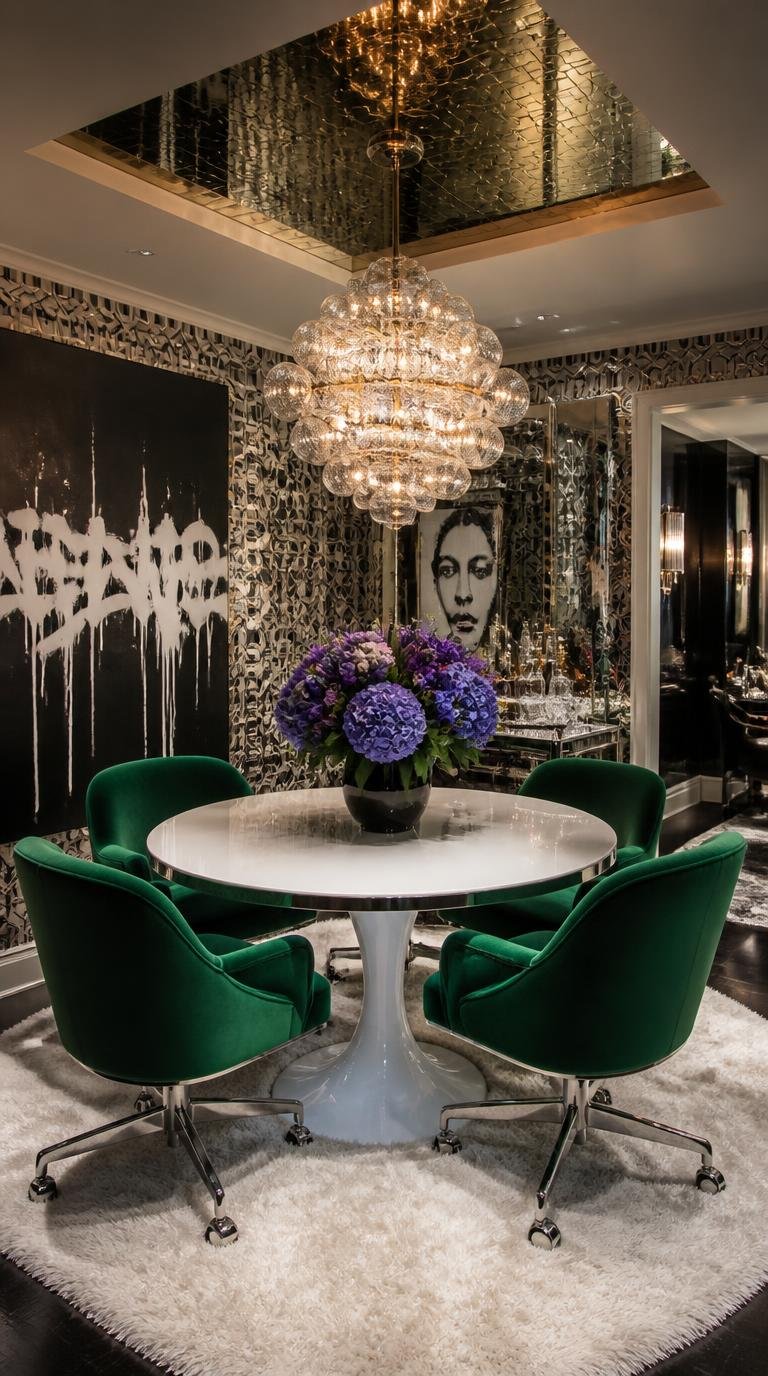
- Geometry everywhere: Fan motifs, chevron patterns, sunbursts, zigzags, and bold symmetrical repetition.
- Metallic luxury: Polished gold, chrome, mirrored surfaces, and lacquered finishes.
- Jewel tone palette: Emerald, sapphire, ruby, and onyx black as statement colors.
- Sculptural lighting: Chandeliers, wall sconces, and table lamps that are as much art as they are light source.
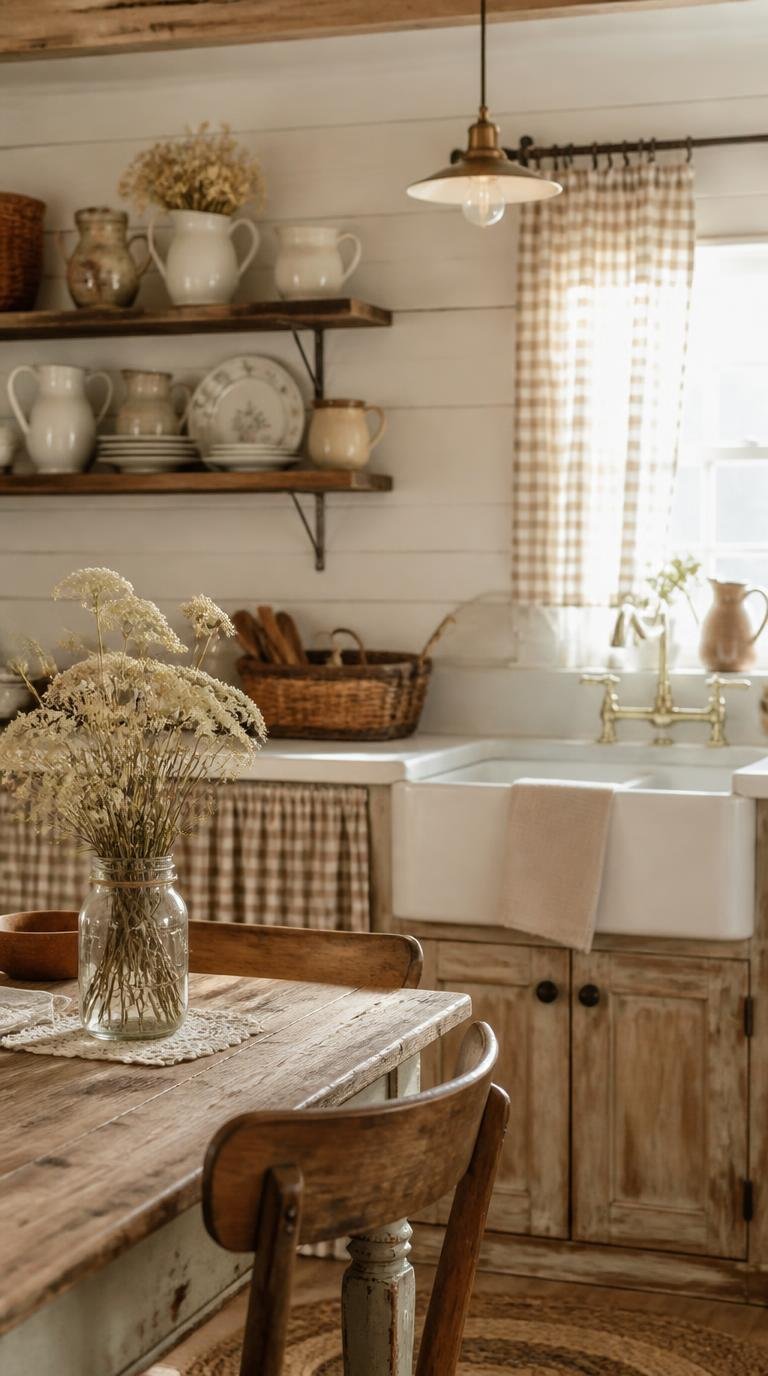
Farmhouse Interior Style
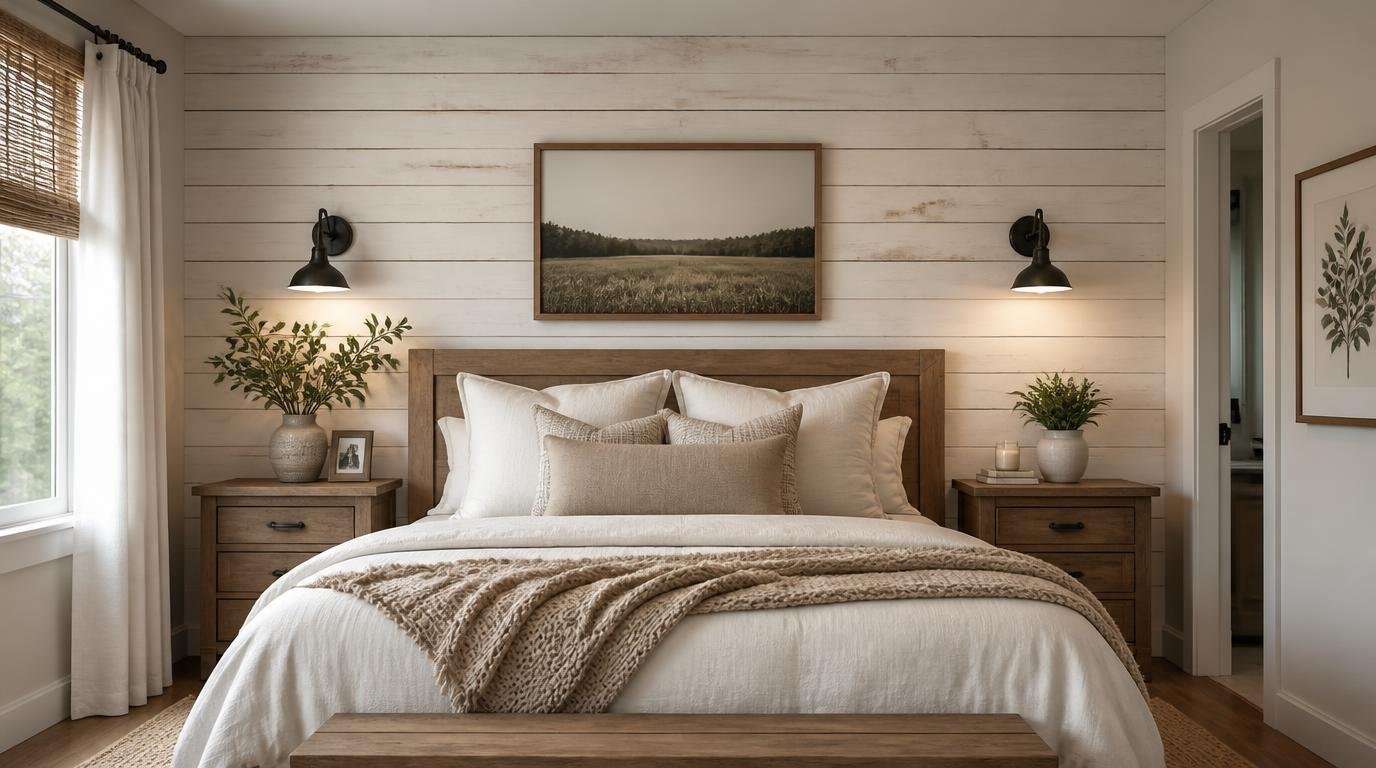
Farmhouse design is rooted in practical warmth. It takes the bones of rural American homes, reclaimed wood, functional furniture, simple materials, and updates them with a cleaner, more considered approach that feels right for the way families actually live today. Of all the interior design styles covered here, Farmhouse rewards commitment the most.
What Farmhouse Looks Like
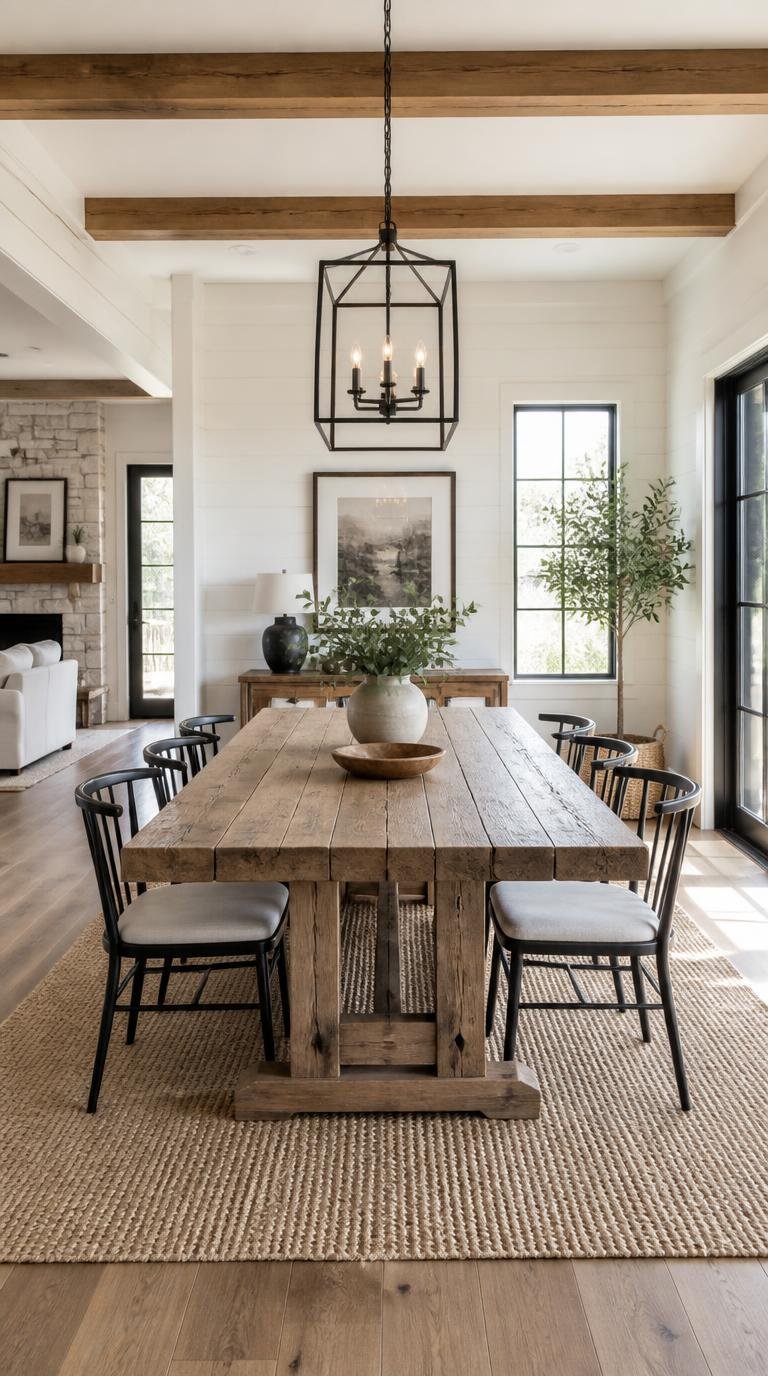
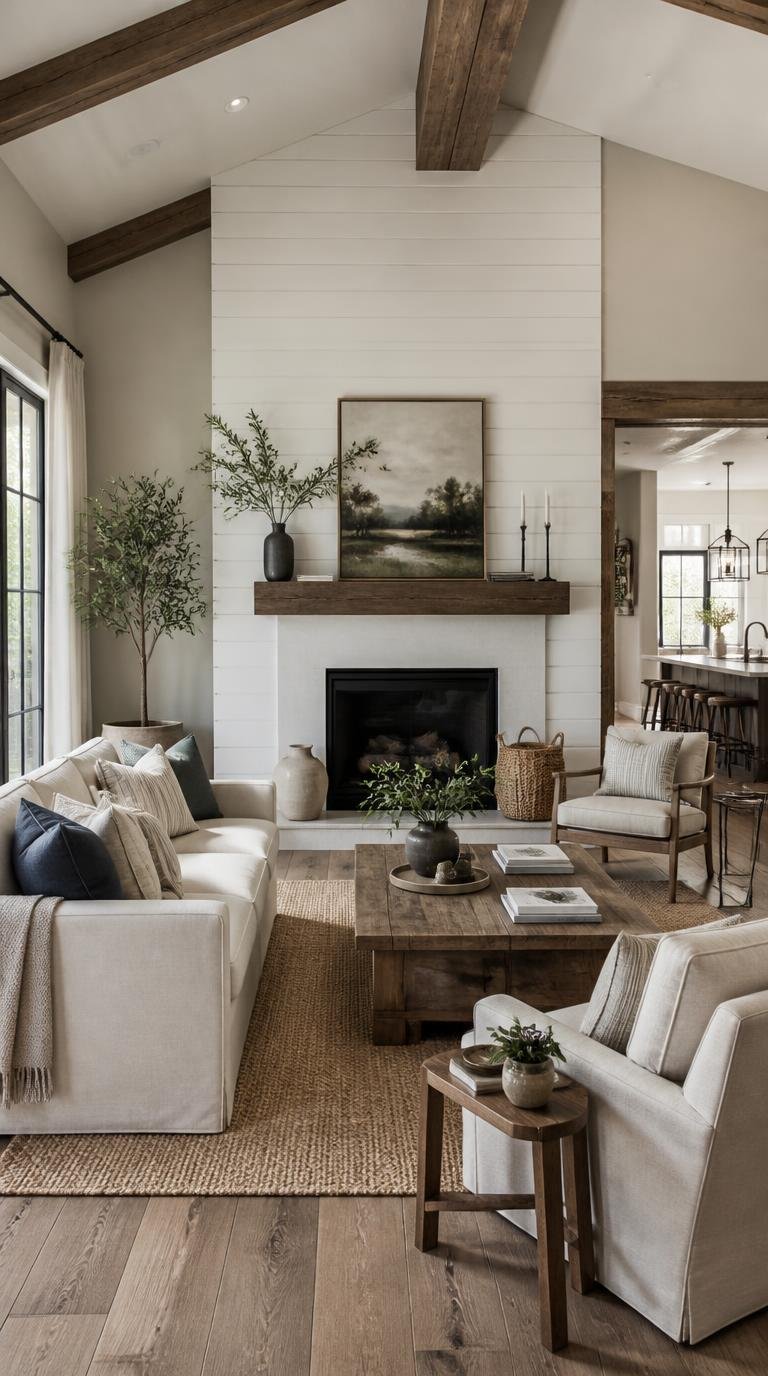
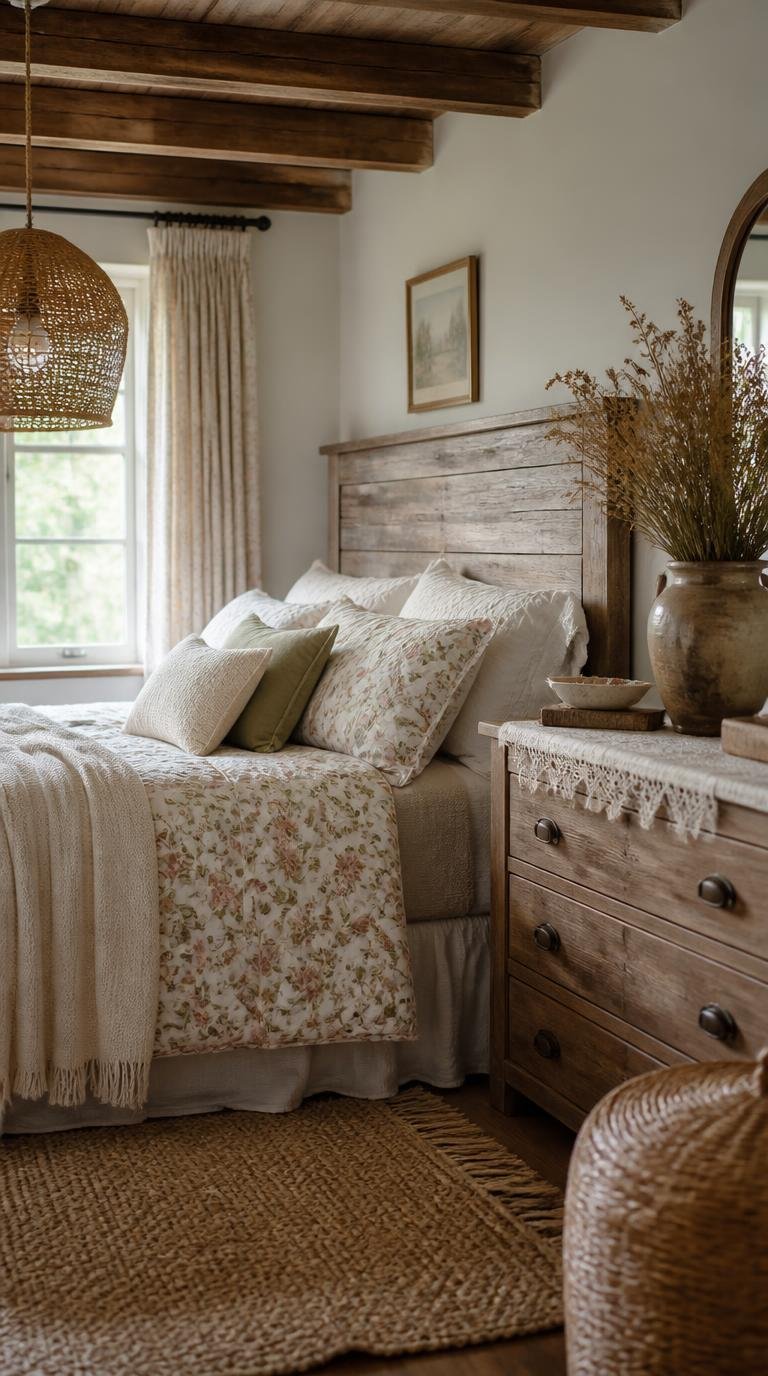
- Natural wood throughout: Reclaimed planks, shiplap walls, exposed beams, and wood floors with real character.
- Soft neutral color story: Warm white, soft beige, and the occasional sage green or dusty blue as accent.
- Vintage and found objects: Galvanized metal, antique furniture, mason jars, and hand-thrown pottery.
- Built to last furniture: Solid, unpretentious pieces that can handle real family life without losing their charm.
Cottagecore Interior Style
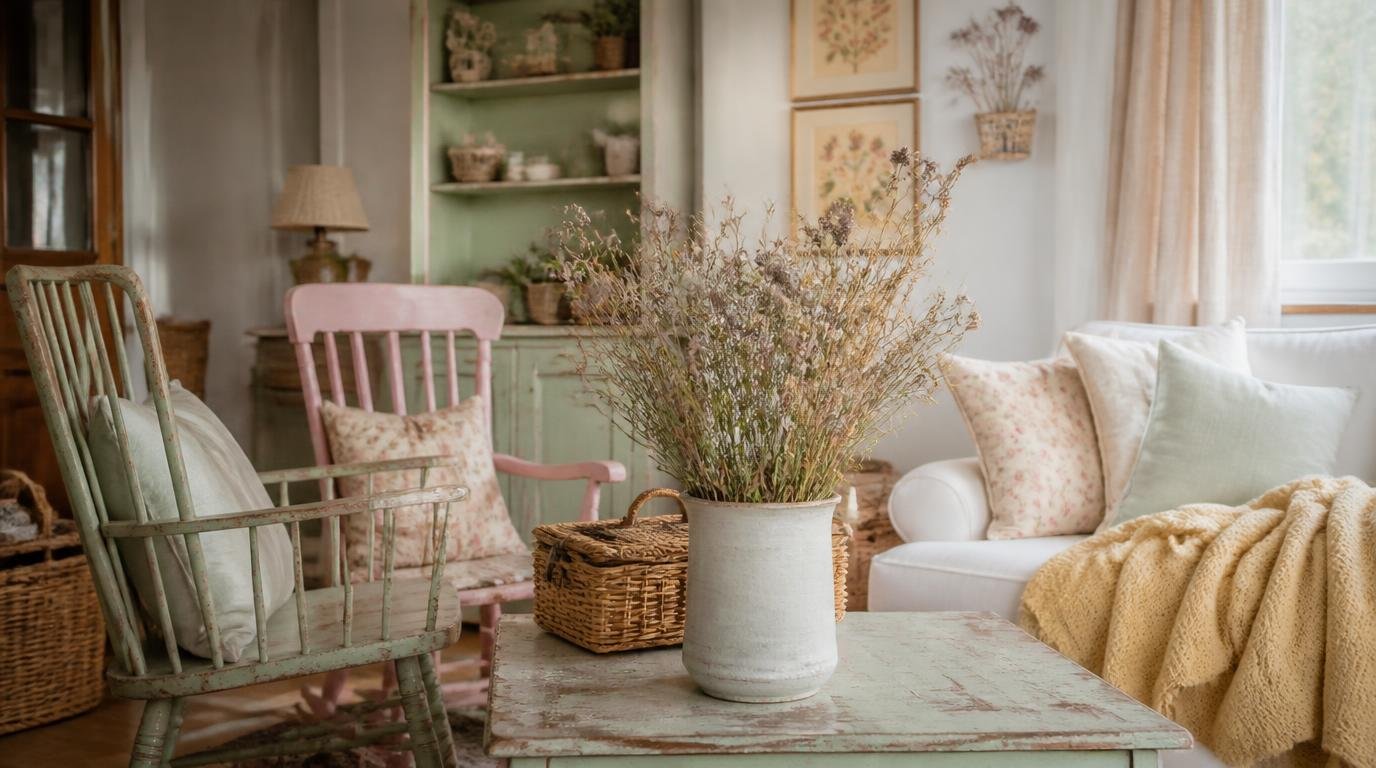
Cottagecore is a love letter to slow living. It romanticizes the rural, the handmade, and the quietly beautiful in a way that feels completely at odds with the pace of modern life. Which is exactly why it resonates so deeply with so many people. Cottagecore is one of the most versatile interior design styles on this list.
The Cottagecore Signature
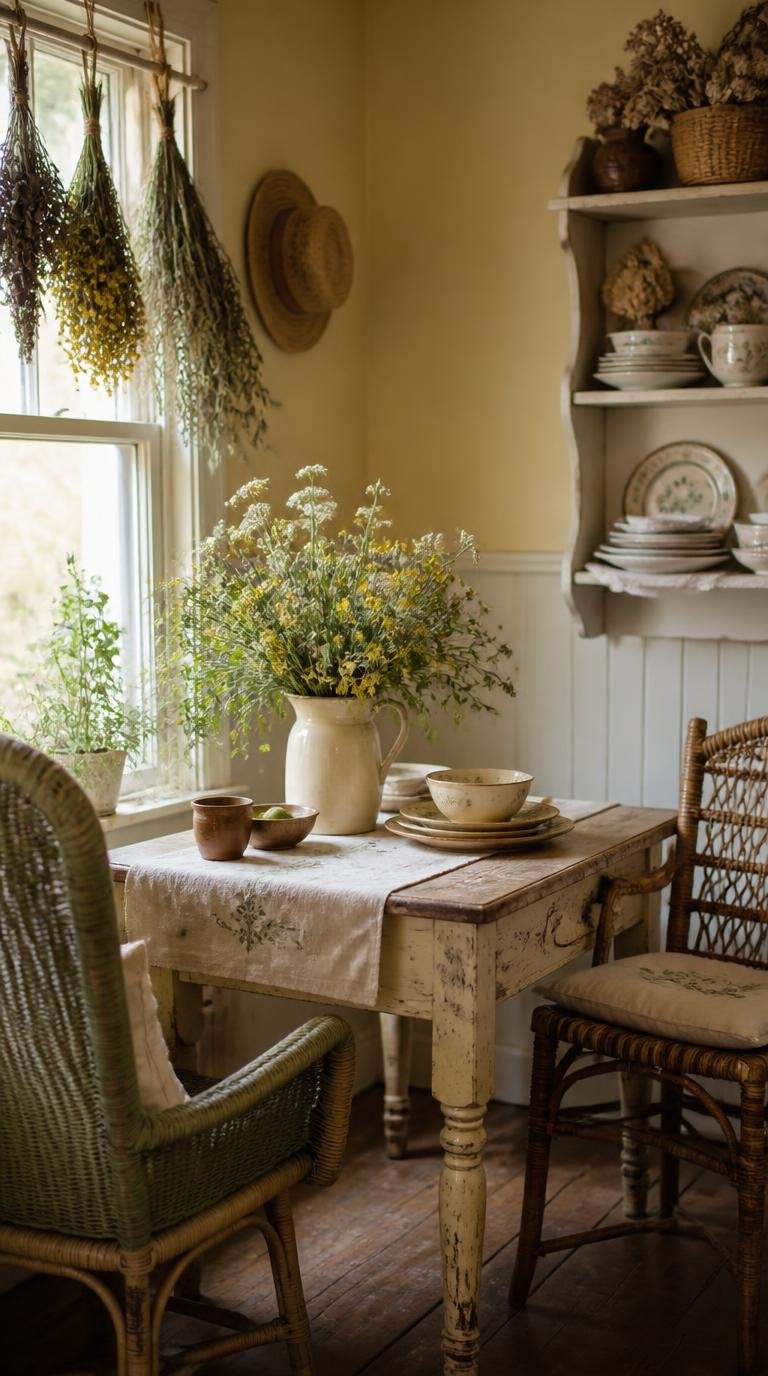
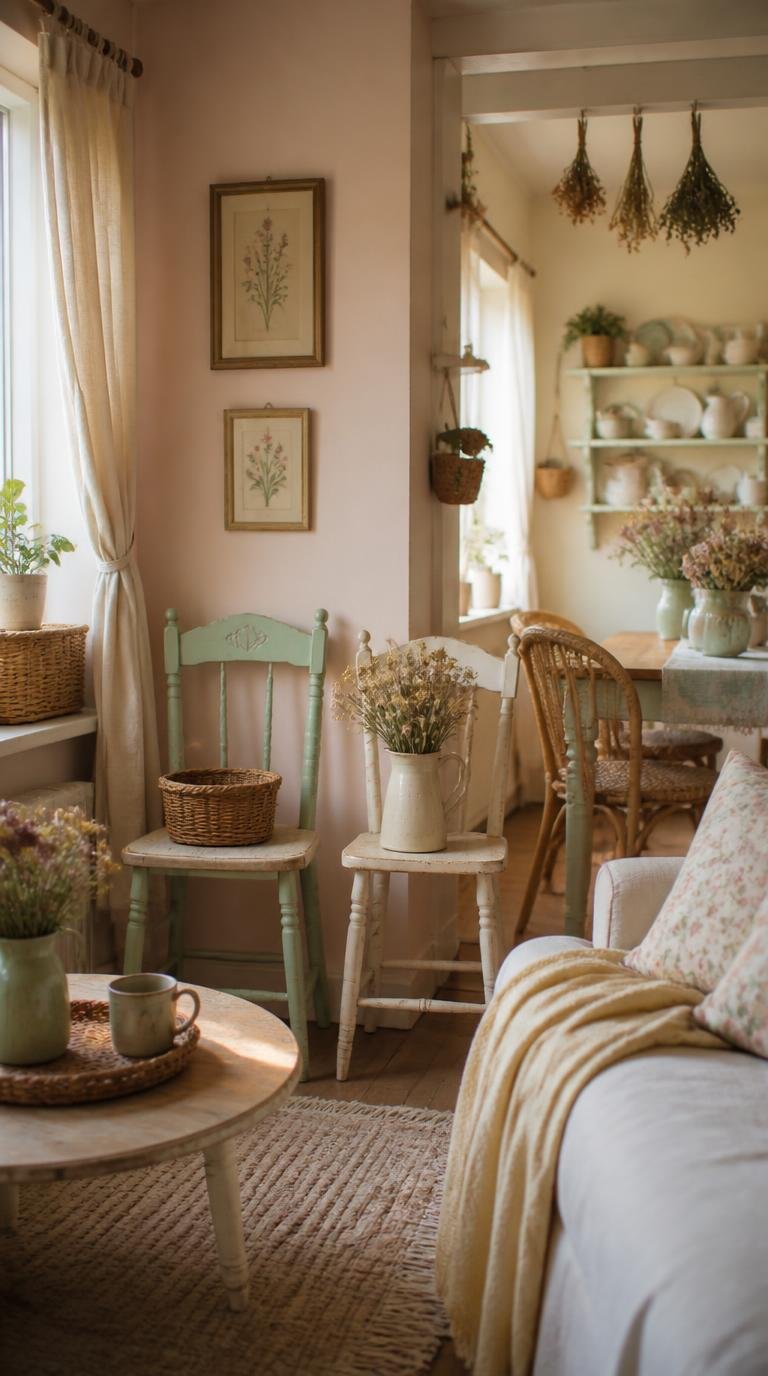
- Soft pastel palette: Blush, sage, butter yellow, and ivory as the main color story.
- Secondhand and vintage pieces: Mismatched chairs, painted wood furniture, and objects with a worn, loved finish.
- Natural and handmade materials: Linen, cotton, wicker, and wood in their least processed forms.
- Botanical and floral motifs: Wildflower prints, dried herb bunches, pressed flowers in frames, and garden-gathered arrangements.
Country Interior Style
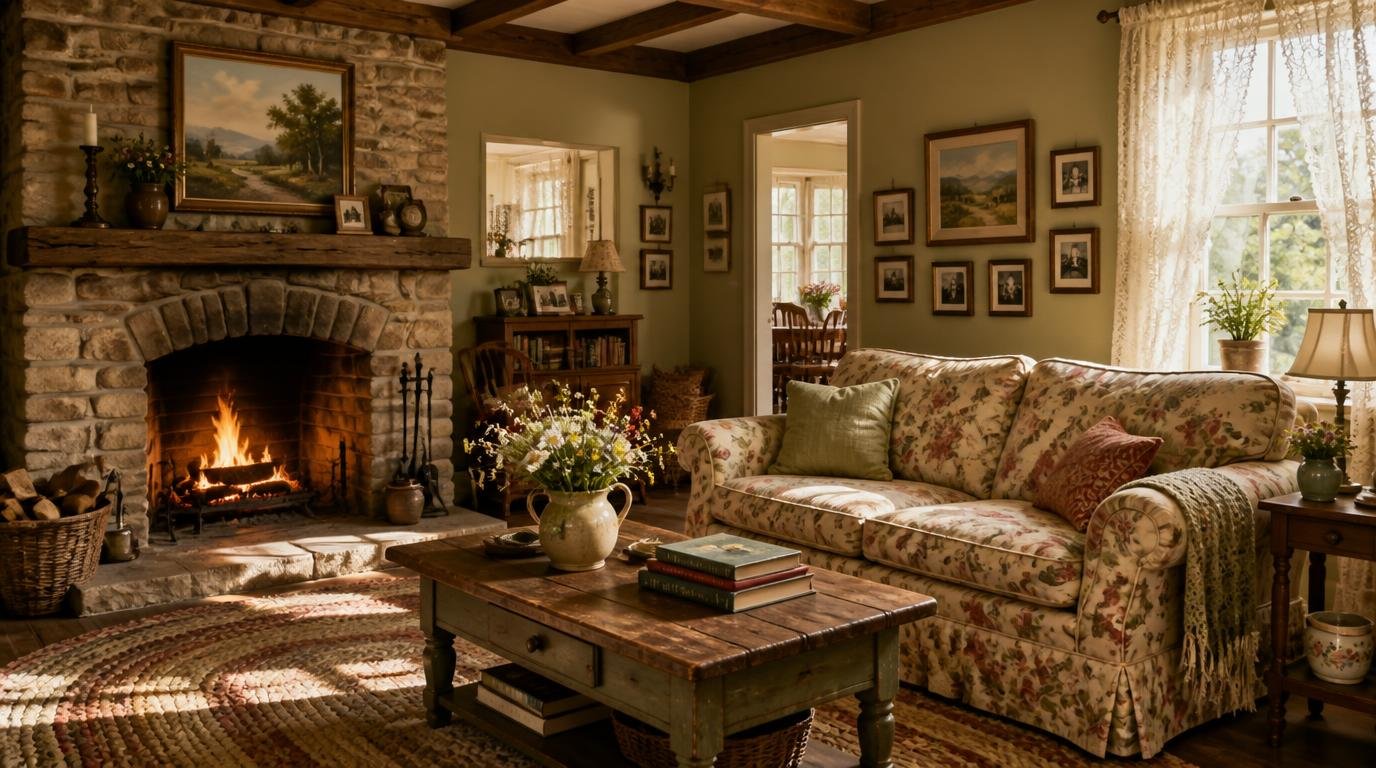
Country style has the same warmth as Farmhouse and the same pastoral spirit as Cottagecore, but it sits comfortably in the middle of both. It is rooted in tradition, craftsmanship, and a genuine sense that the home is a gathering place for the people you love. Country has quickly become one of the most popular interior design styles among new homeowners.
Country Style in Detail
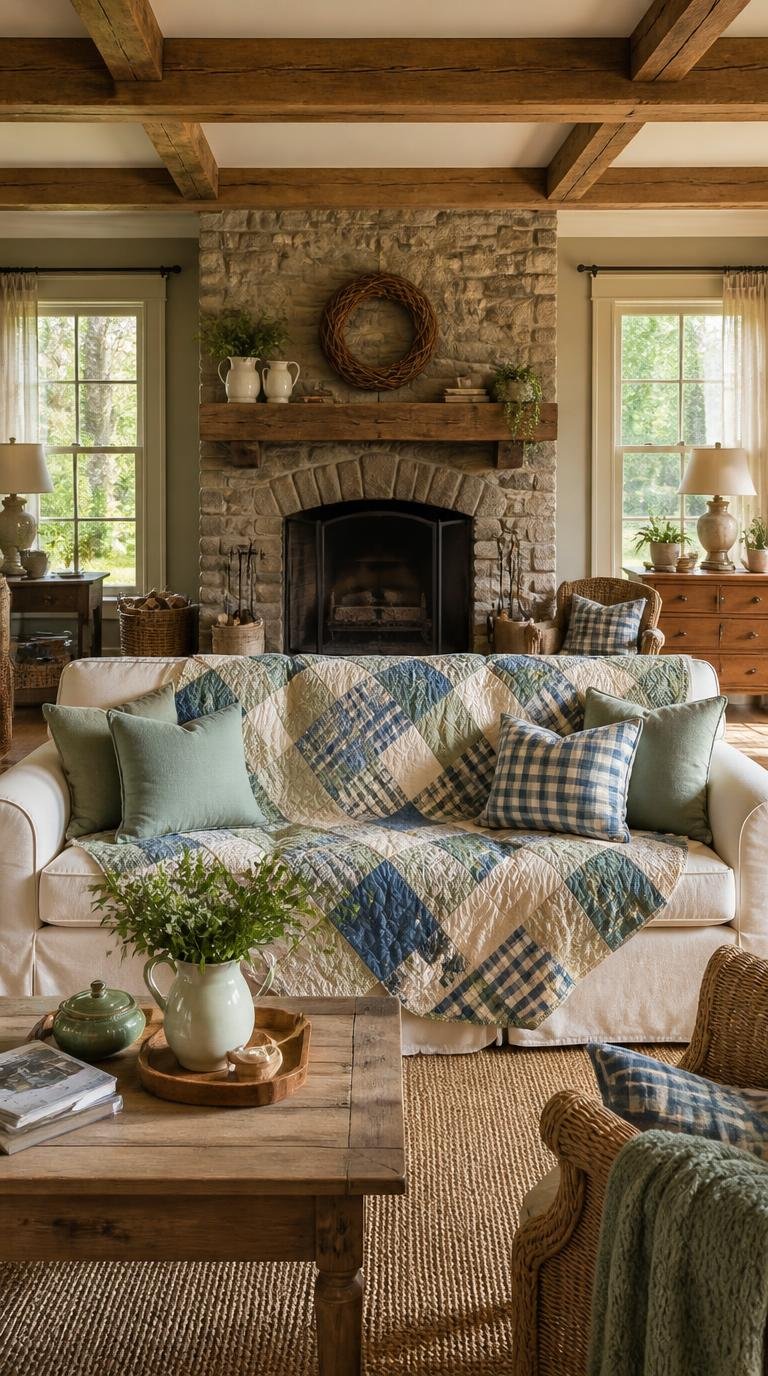
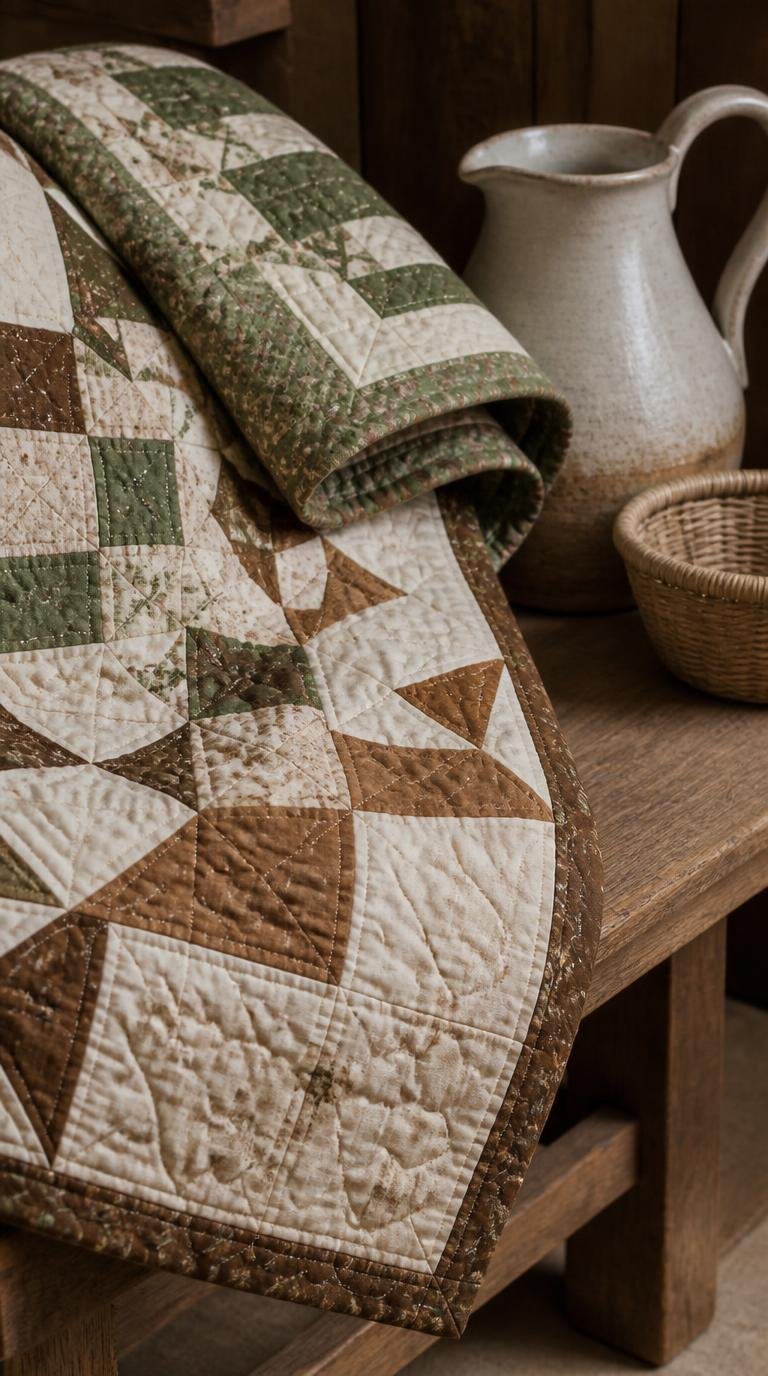
- Warm, earthy color palette: Cream, sage green, dusty blue, warm brown, and terracotta.
- Tactile natural materials: Stone fireplaces, wooden beams, cotton, and linen throughout.
- Heritage patterns: Gingham, plaid, and simple florals used in quilts, curtains, and upholstery.
- Layered collected decor: Handmade quilts, ceramic pitchers, woven baskets, and objects with personal or family history, the kind of detail that separates lived-in interior design styles from staged ones.
French Interior Style
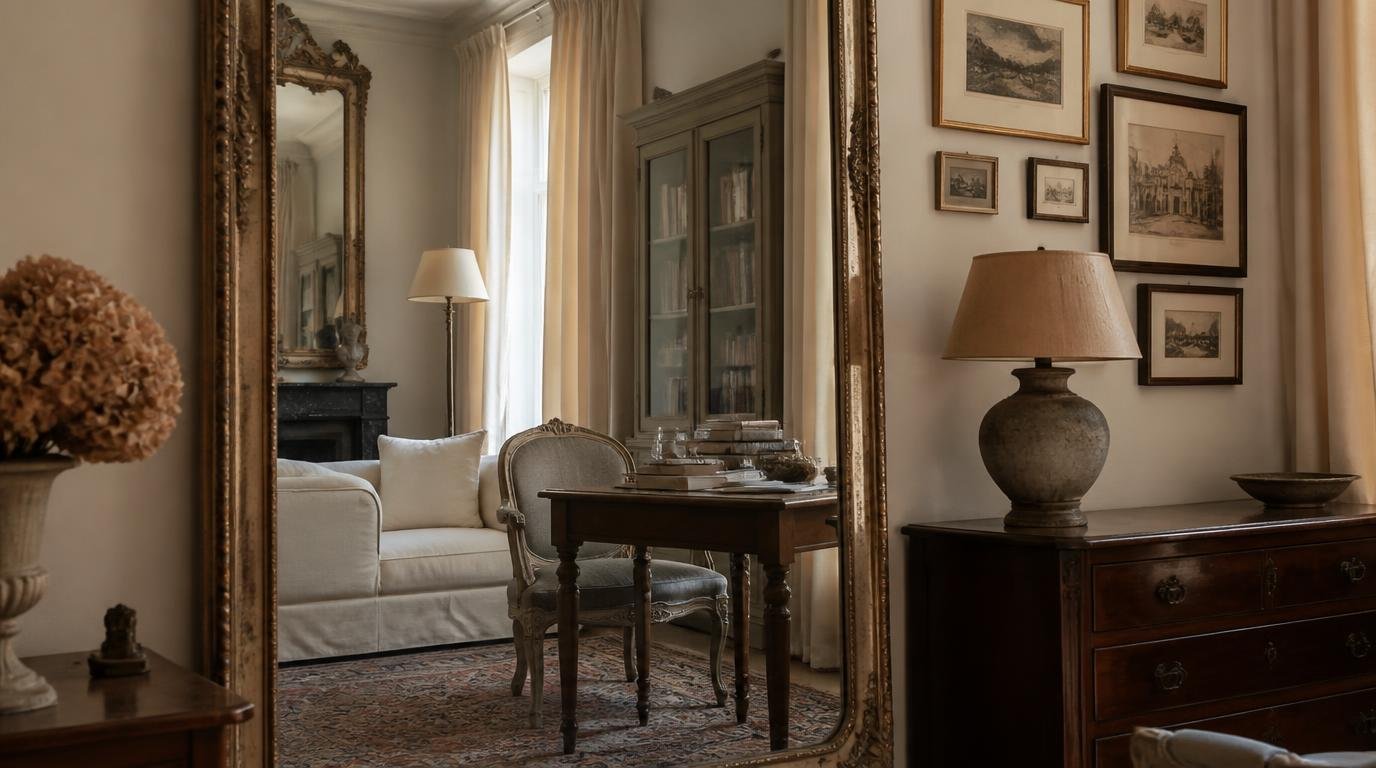
French interiors have a quality that is incredibly hard to achieve: they look deliberate and effortless at exactly the same time. The French approach to decorating celebrates beauty, comfort, and a kind of cultured casualness that makes even formal rooms feel livable. French is one of the more distinctive interior design styles to commit to fully.
Whether you lean toward French Provincial (warm, rustic, sun-soaked) or Parisian chic (cool, sophisticated, layered), the underlying values are the same: quality, patina, and rooms that look like they have been loved for generations.
The French Decorating Code
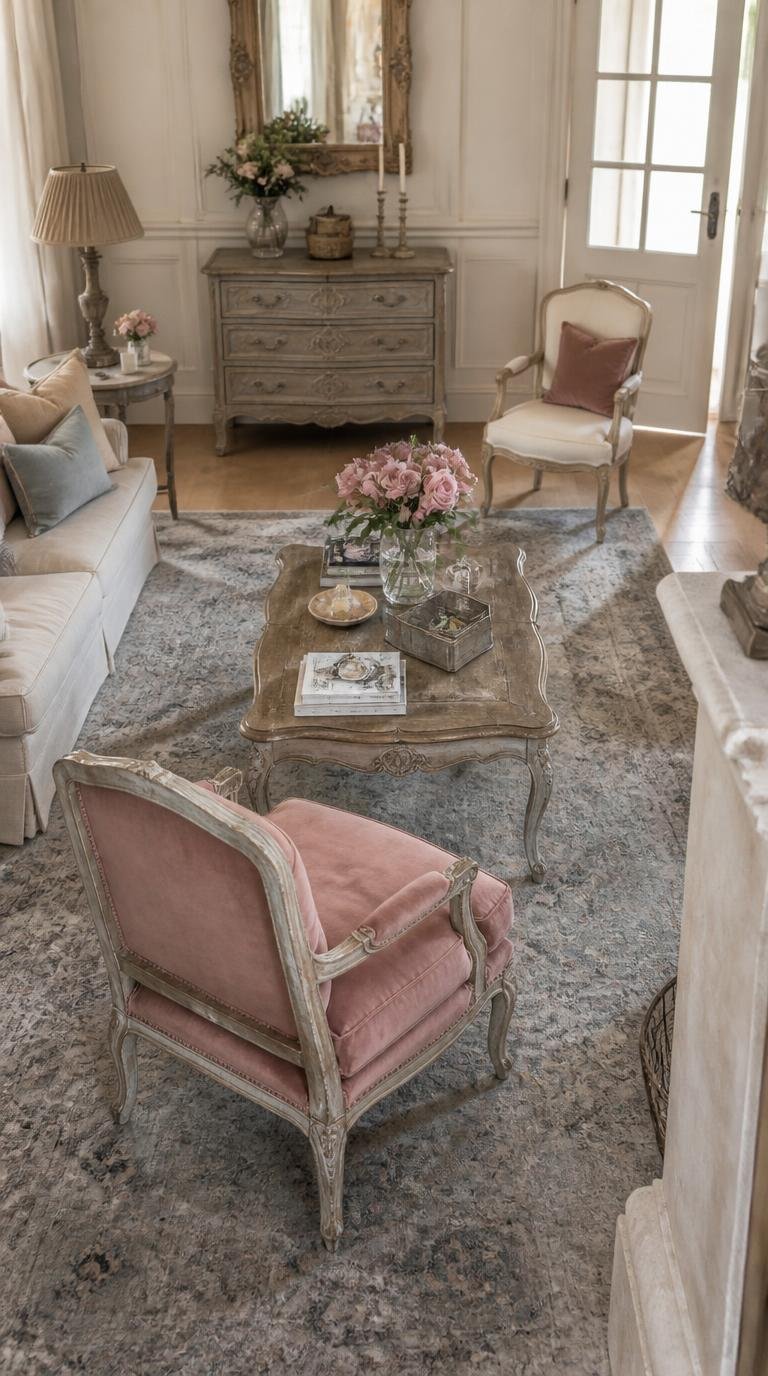
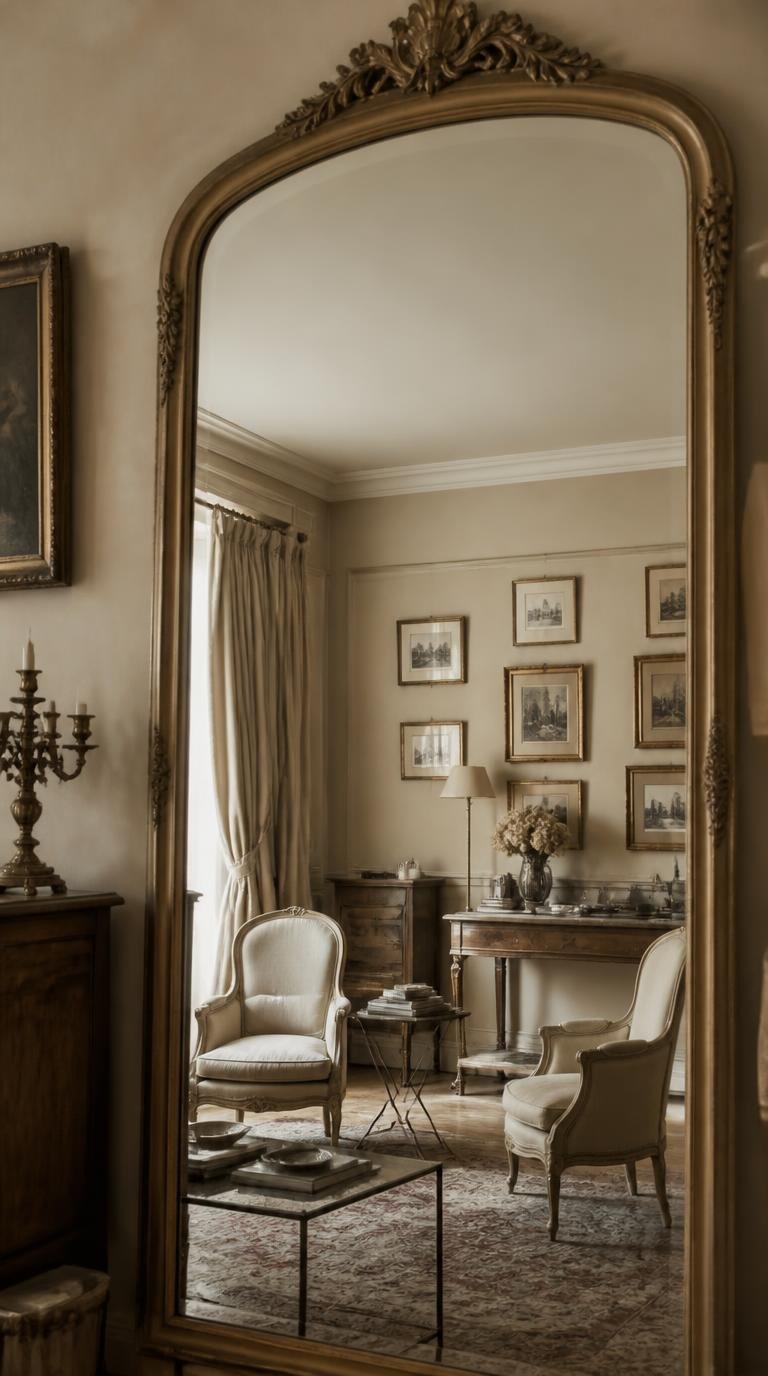
- Color foundation: Warm white, cream, dusty rose, and faded gray-blue create a refined, romantic base.
- Patina-rich furniture: Carved wood frames, painted finishes with age, and antique pieces that look lived-in rather than pristine.
- Luxurious textiles: Velvet, silk, and heavy linen in upholstery, drapery, and throw cushions.
- Collected art and objects: Vintage mirrors, framed prints, and decorative objects that feel gathered over time, not purchased all at once, a patience most interior design styles reward eventually.
Maximalist Interior Style
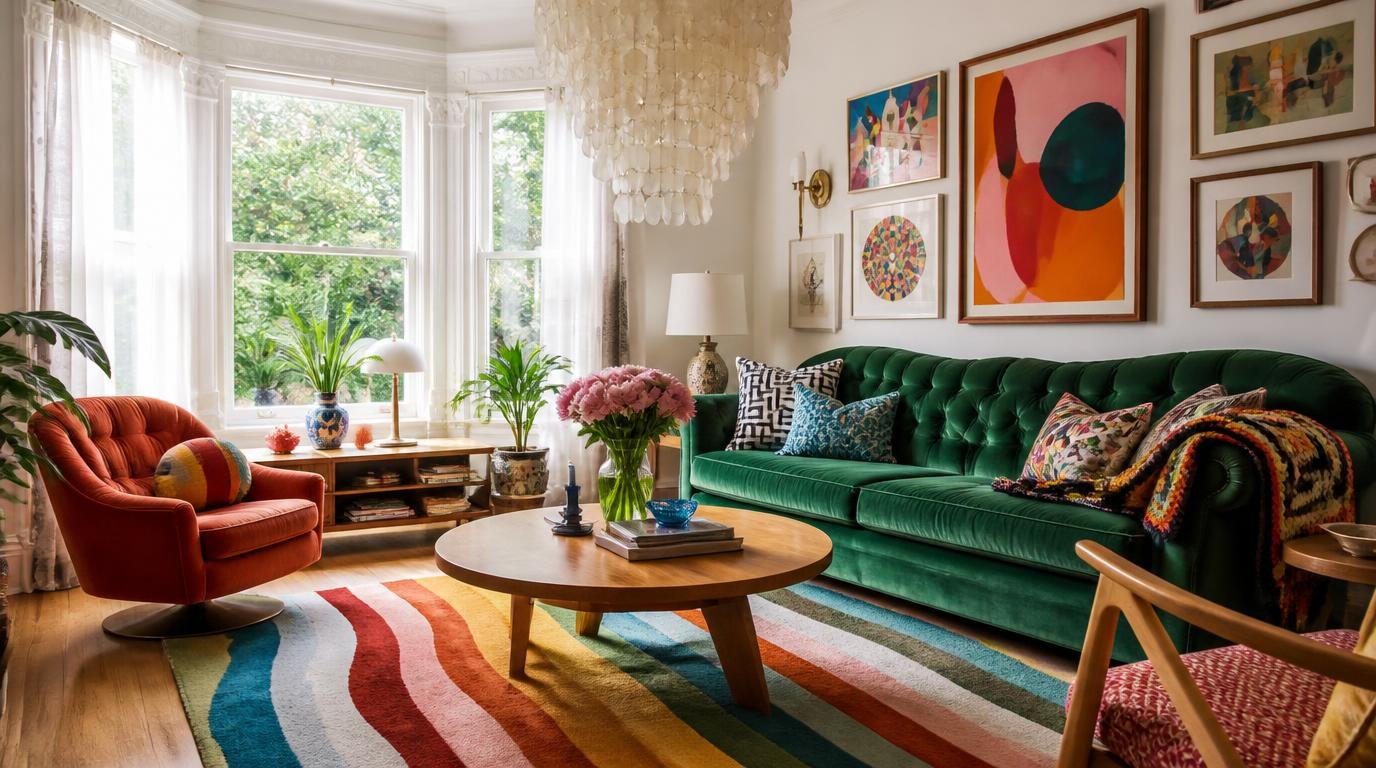
Maximalism is not mess. That is the single most important thing to understand about this style. A truly great Maximalist home is more curated than a Minimalist one in some ways, because every single piece has to justify its place in a room that already has a lot going on. Maximalist remains one of the most requested home interior design styles right now.
Maximalism is for people with strong visual identity and the confidence to follow it. As Homes and Gardens puts it, the best Maximalist rooms have a unifying element, whether a color, a material, or a consistent era, that holds all the layers together.
How to Maximize Successfully
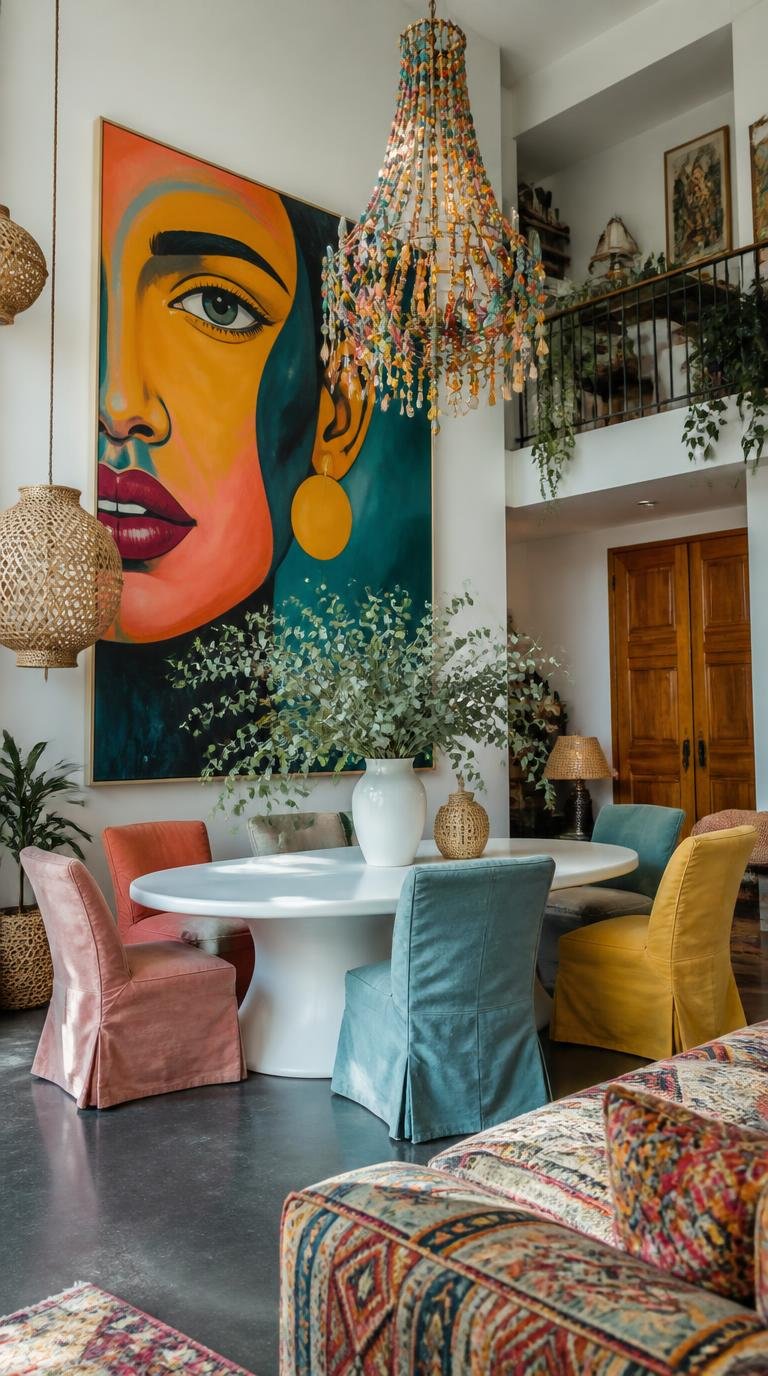
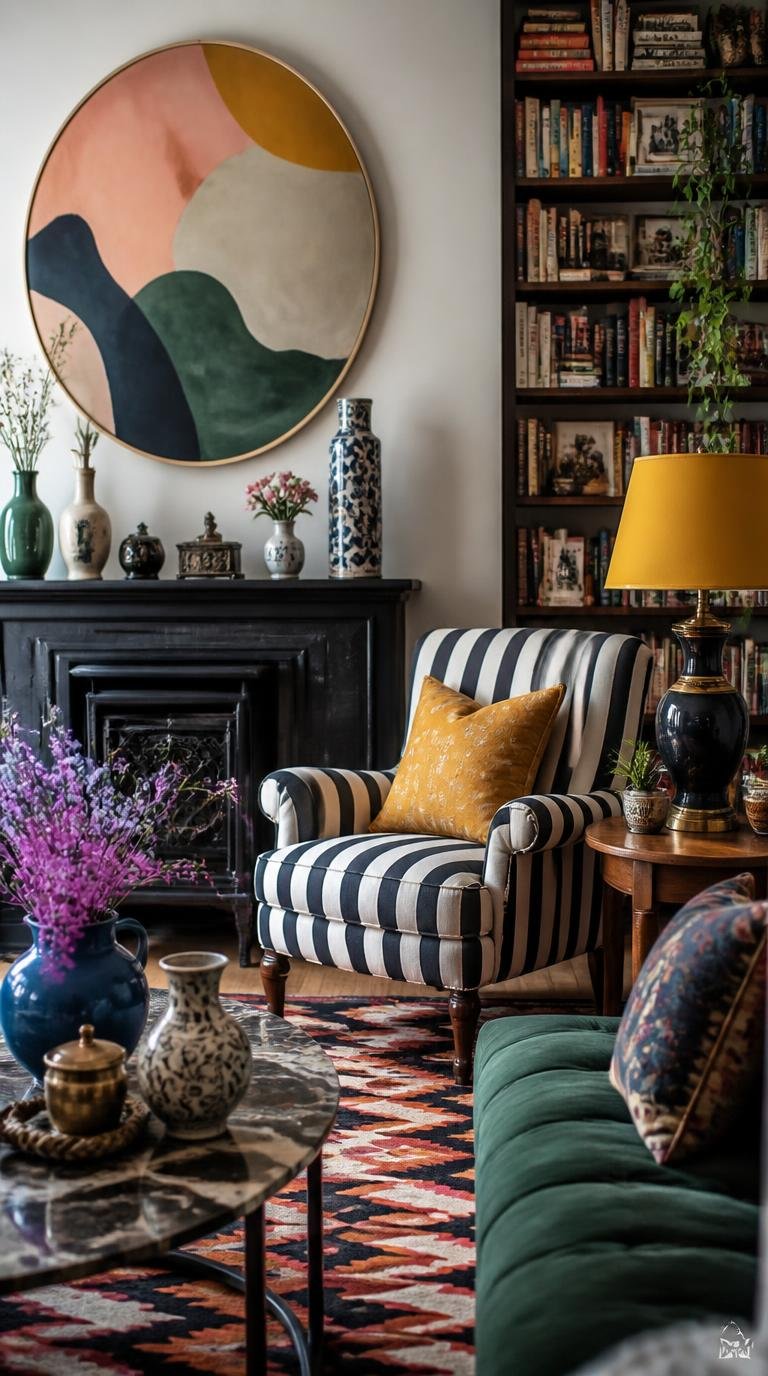
- Lead with a unifying color: Even in the most layered Maximalist rooms, one dominant color pulls everything into coherence.
- Collect, do not accumulate: Every object should be something you specifically chose, not something that landed there by default.
- Layer textures strategically: Velvet, brocade, leather, and woven textiles in different scales and weights.
- Commit to at least one statement piece: A dramatic painting, an oversized chandelier, or a piece of furniture that stops people in their tracks, a trick that works across nearly all interior design styles.
Traditional Interior Style
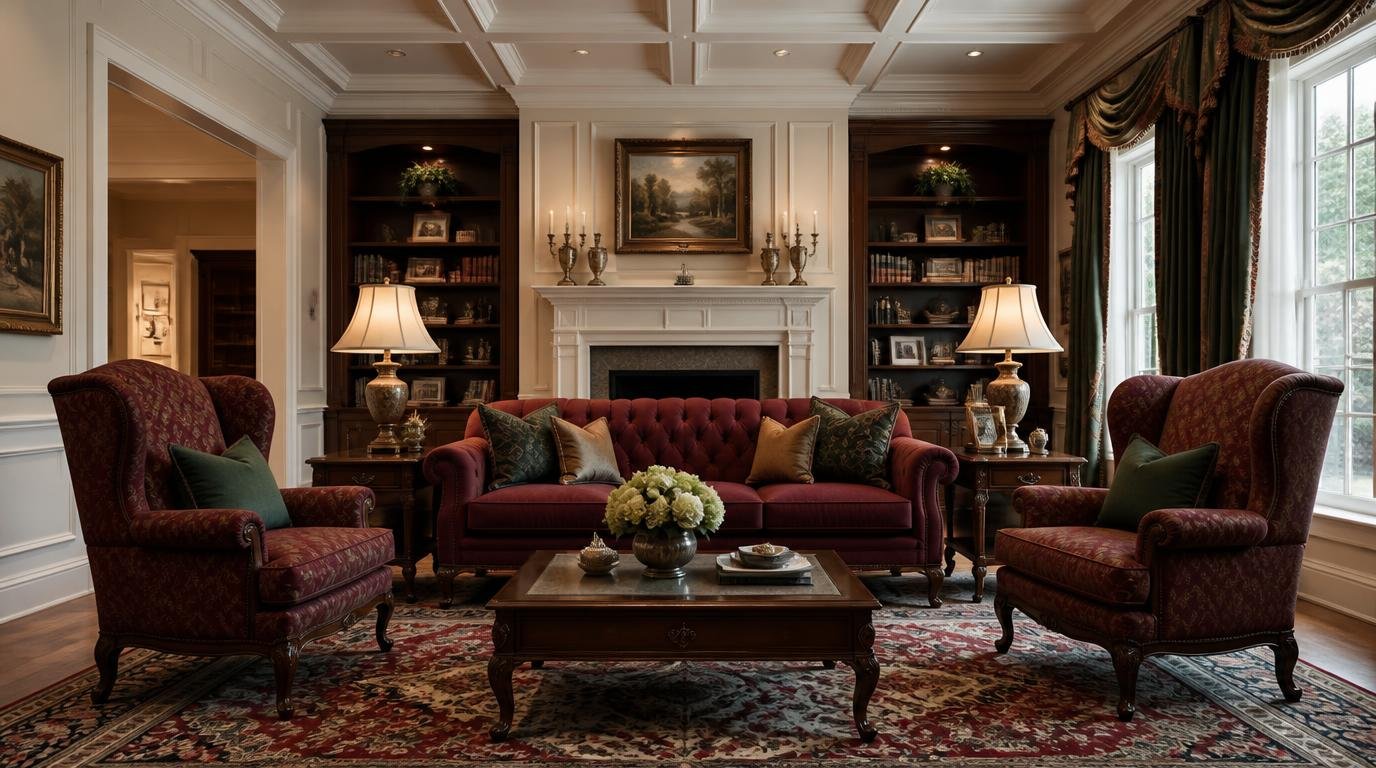
Traditional style draws on centuries of European decorating history and the result is a home that feels warm, orderly, and timelessly beautiful. It is not old-fashioned. It is enduring. There is a difference, and Traditional style knows it. Traditional proves that interior design styles don’t have to follow just one rulebook.
The Traditional Interior Blueprint
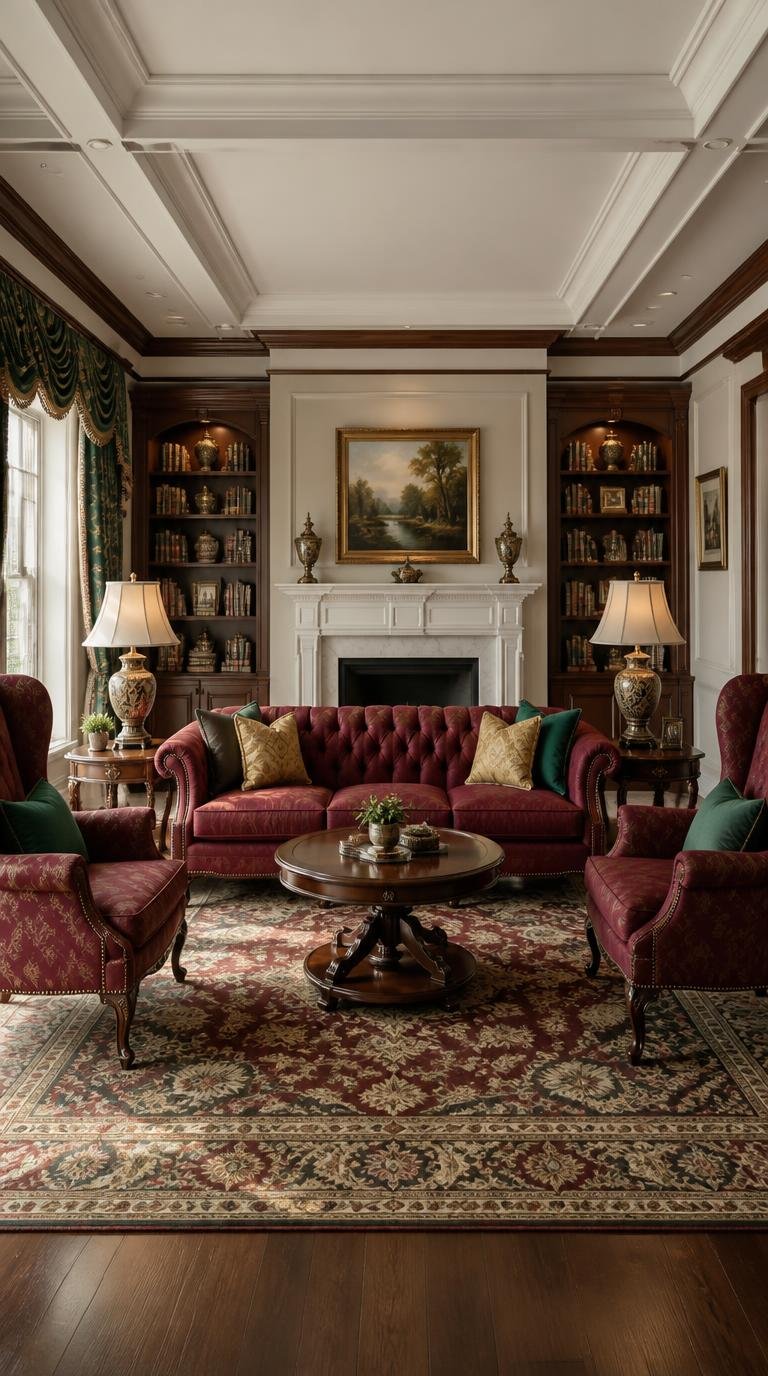
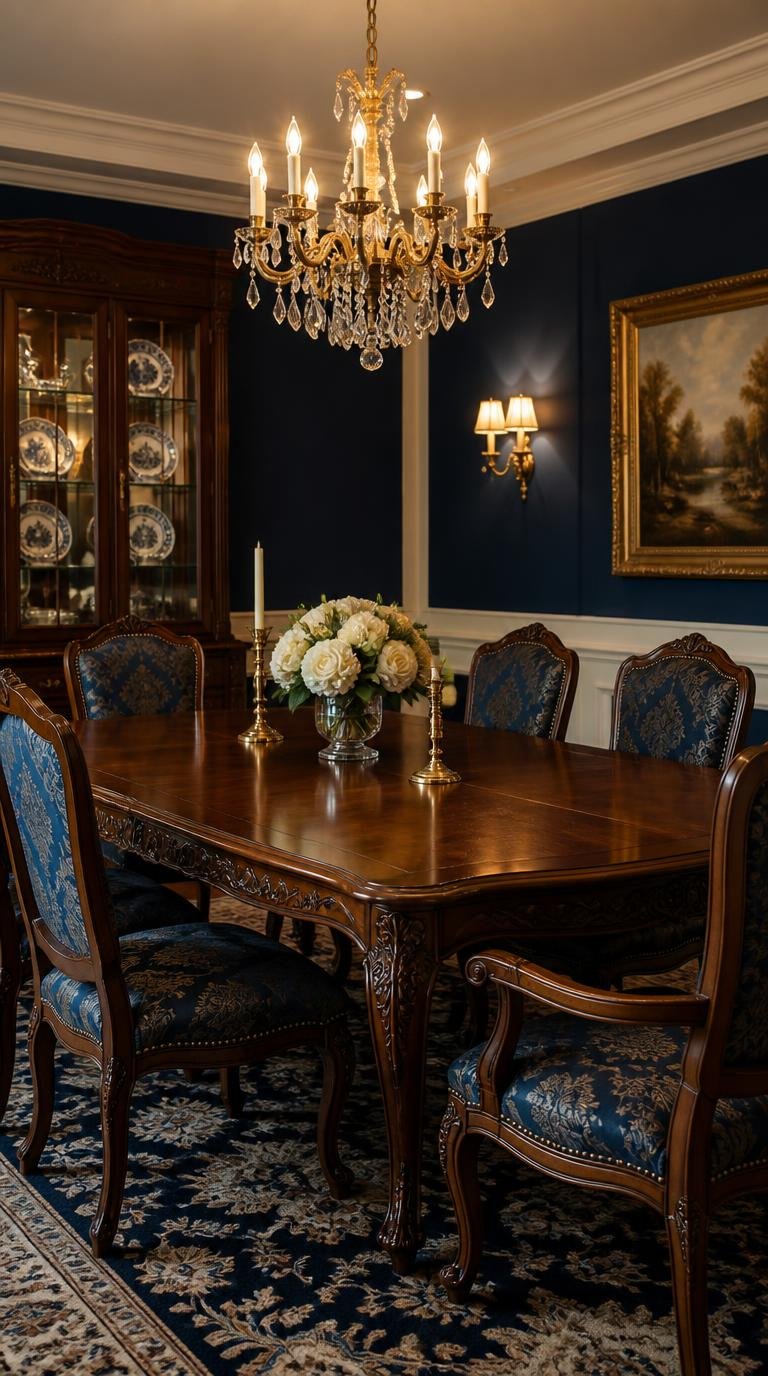
- Warm, layered colors: Burgundy, navy, forest green, and gold in upholstery, walls, and accessories.
- Classic furniture forms: Tufted sofas, wingback chairs, four-poster beds, and pieces with traditional carved or turned details.
- Symmetrical arrangements: Paired table lamps, matching armchairs, and a general sense of balanced, mirror-image order.
- Architectural detailing: Crown molding, wainscoting, coffered ceilings, and built-in bookshelves as part of the room’s bones, not just its furniture.
Industrial Interior Style
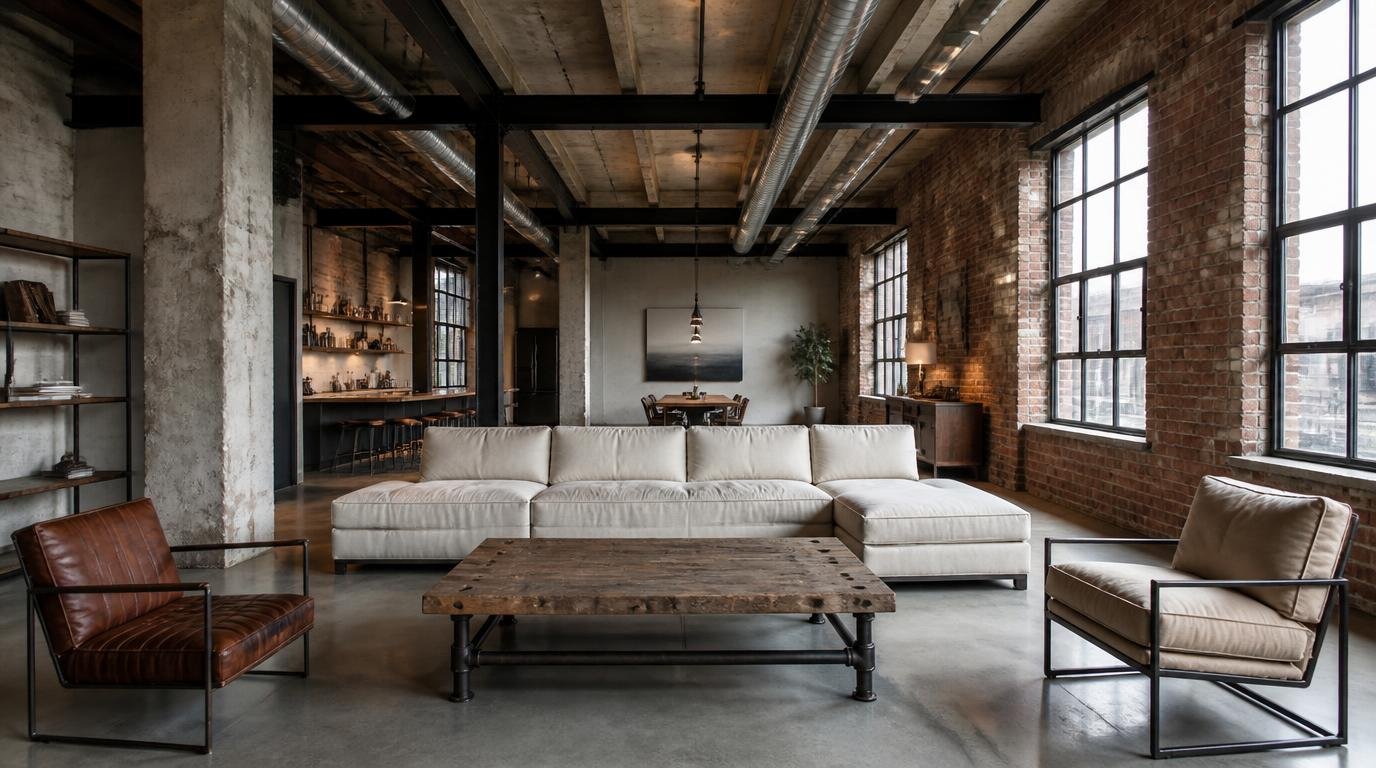
Industrial design made a virtue of what was once considered unfinished. Exposed pipes, bare concrete, raw brick, and factory-style fixtures were architectural flaws in most design thinking until Industrial came along and reframed them as the whole point. Of all the interior design styles covered here, Industrial rewards commitment the most.
Industrial Materials and Mood
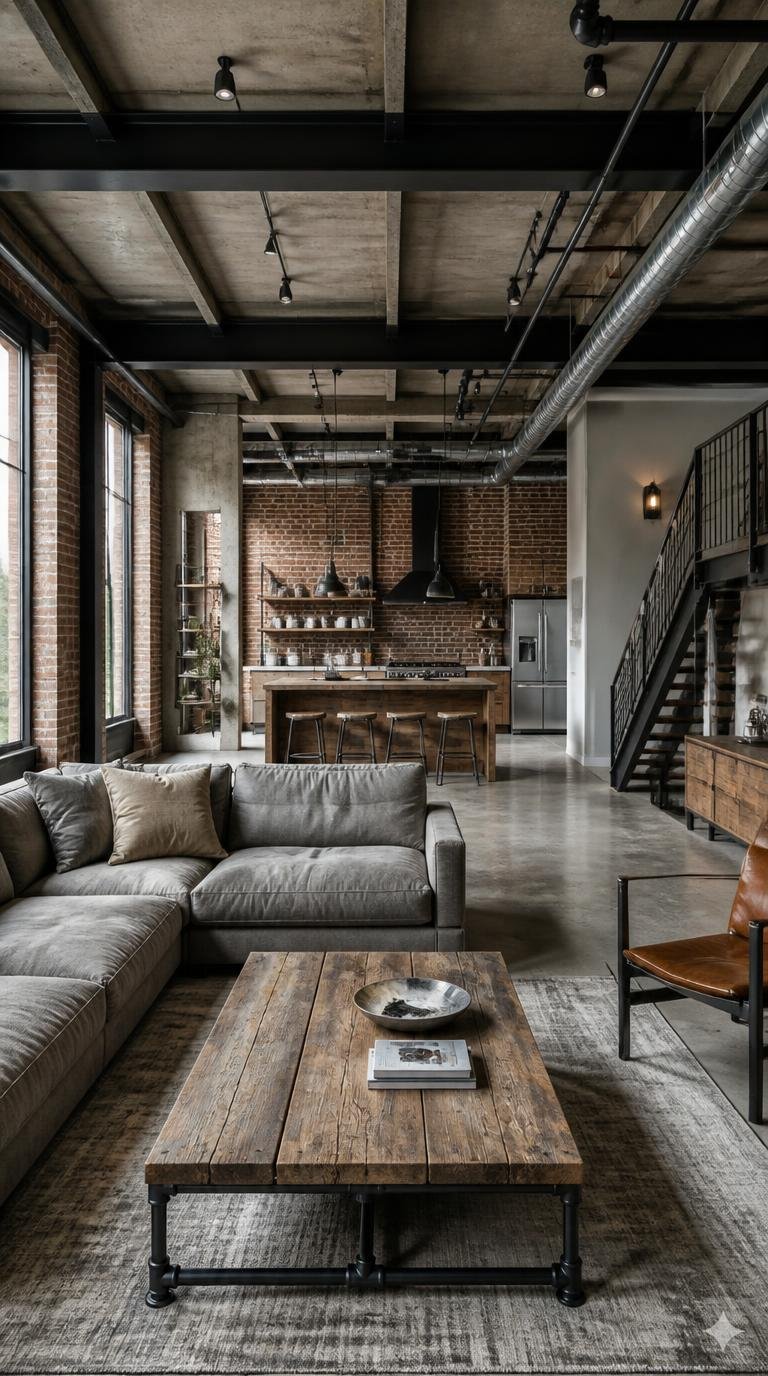
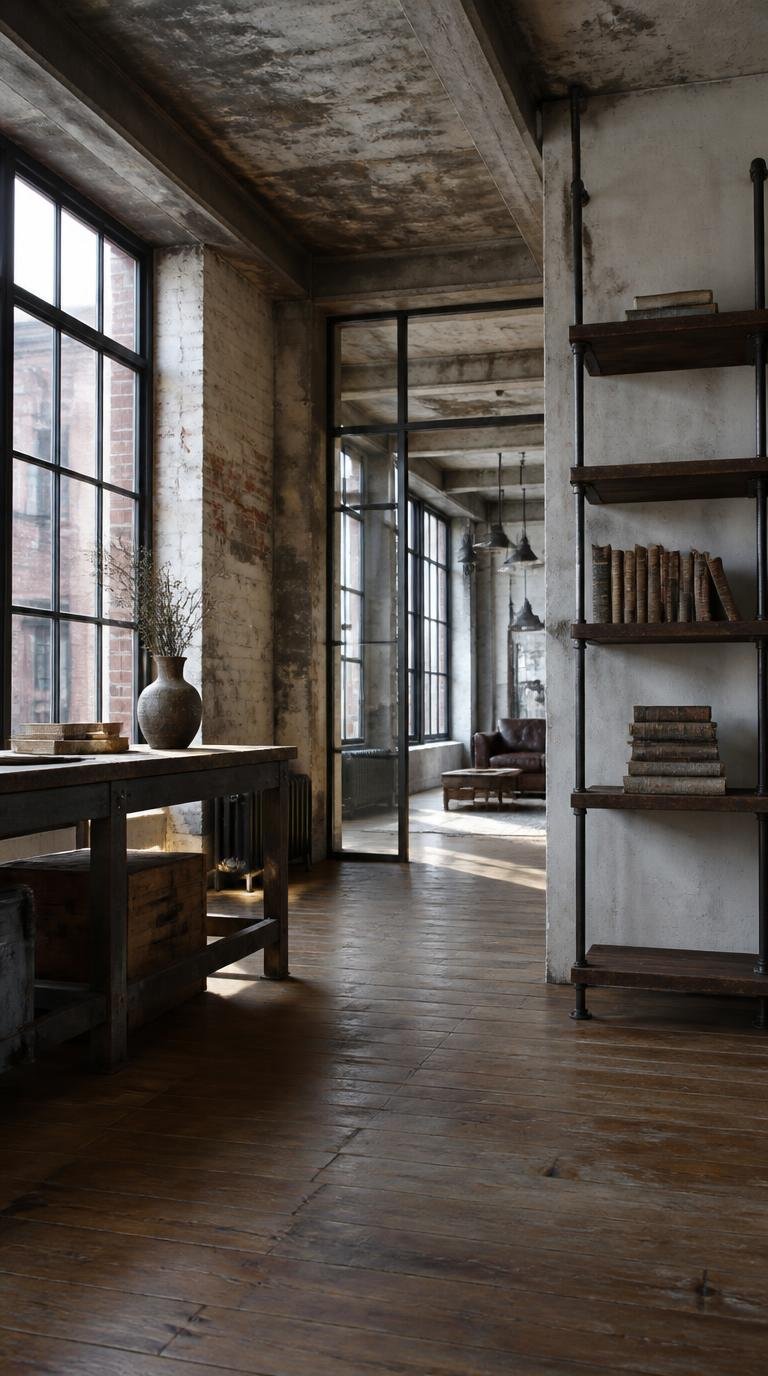
- Raw structure as decor: Exposed brick, concrete walls, steel beams, and ductwork left visible and celebrated.
- Reclaimed and repurposed furniture: Old factory tables, pipe shelving, and reclaimed wood pieces with honest wear and history.
- Matte black as a constant: Hardware, light fixtures, window frames, and pipe details in matte black create cohesion across the raw palette.
- Open, generous layouts: Minimal partitions and a strong sense of uninterrupted space.
Shabby Chic Interior Style
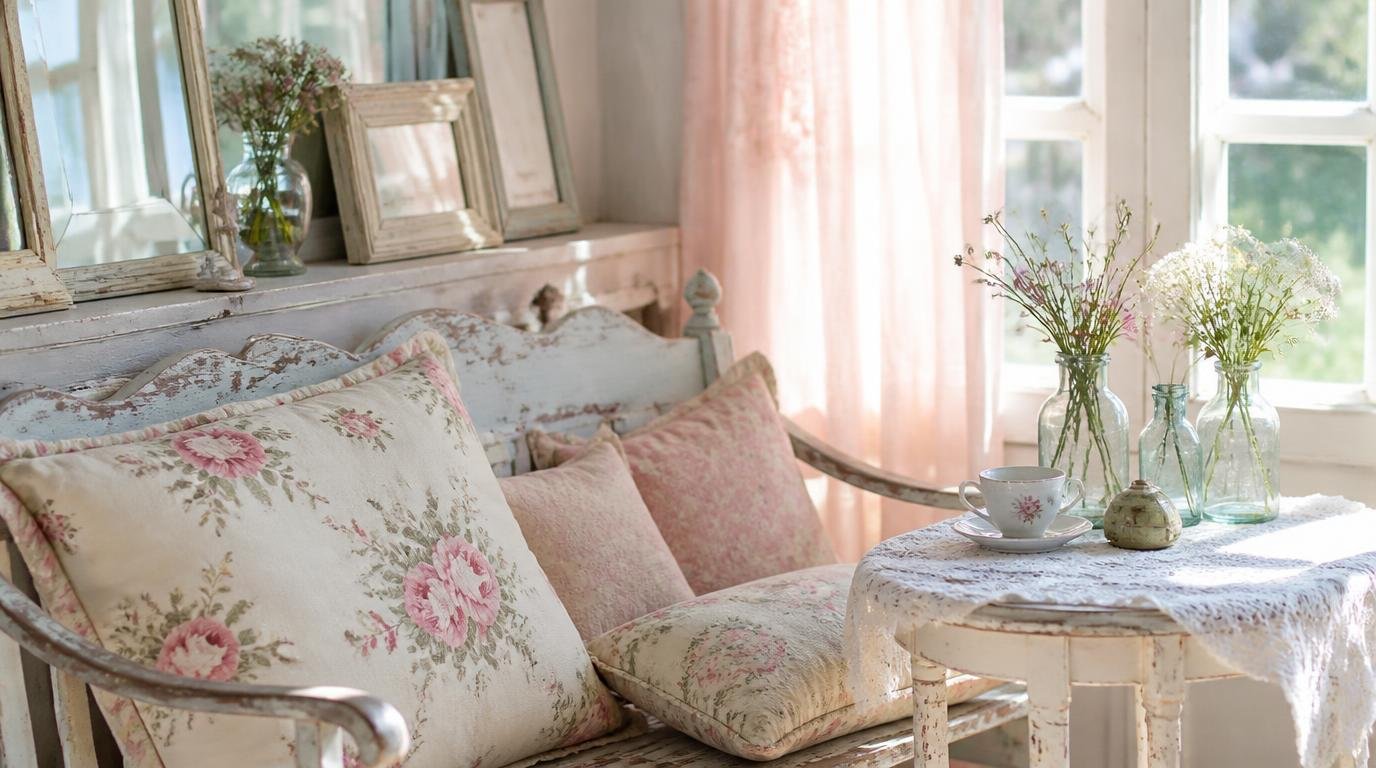
Shabby Chic was pioneered by Rachel Ashwell in the 1980s and it introduced the now-familiar combination of distressed painted furniture, soft floral textiles, and a faded, romantic palette that feels like a beautiful old house in the French countryside. It is nostalgic, feminine, and unapologetically pretty. Shabby Chic is one of the most versatile interior design styles on this list.
What Gives Shabby Chic Its Charm
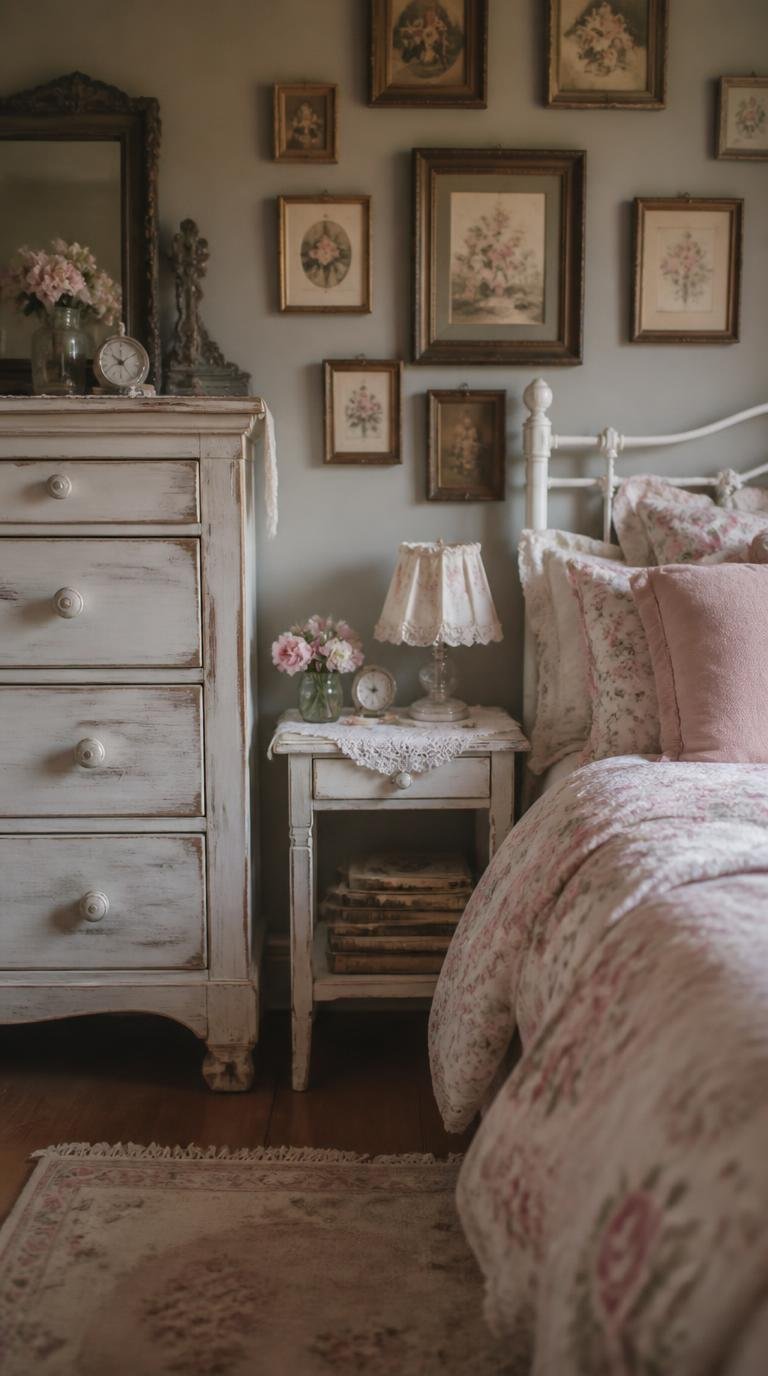
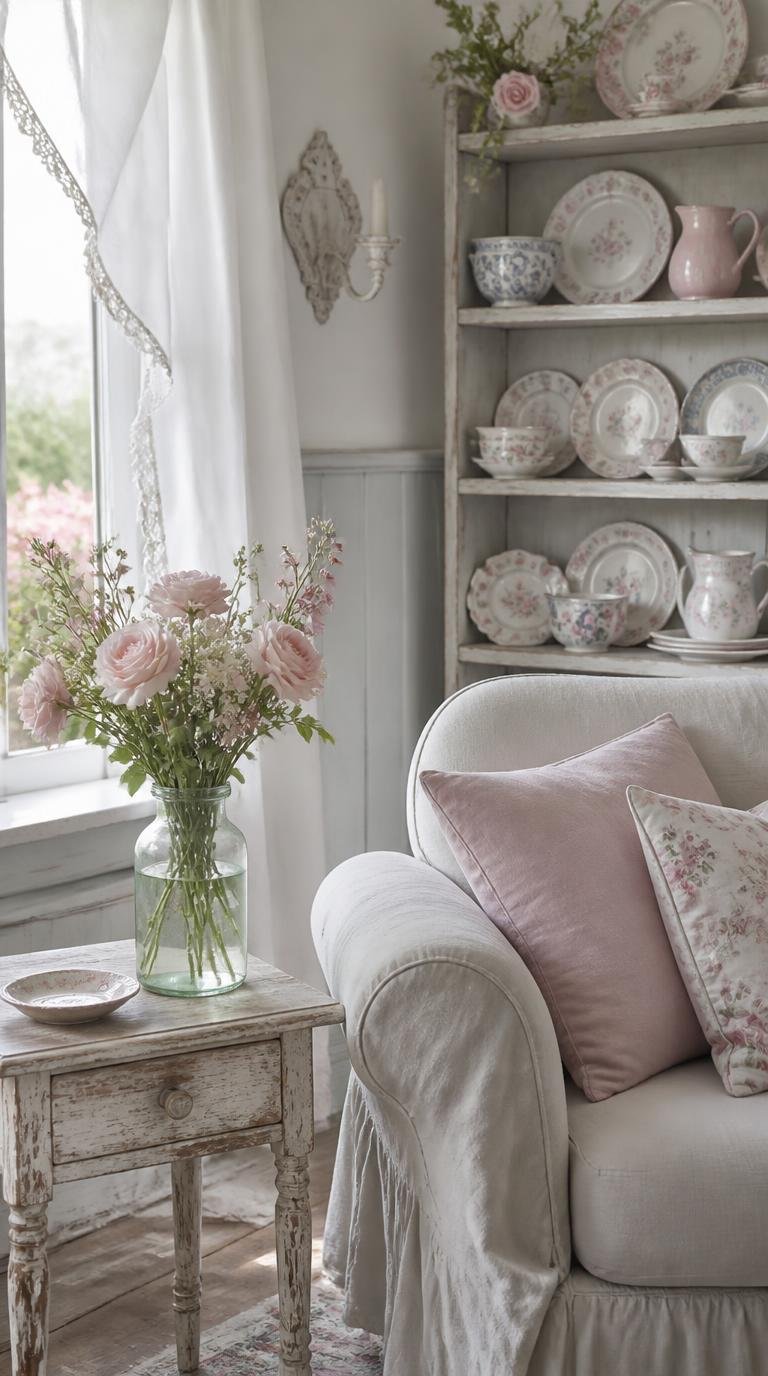
- Pale, faded palette: Chalky white, blush pink, pale mint, and soft gray as the color story throughout.
- Deliberately distressed furniture: Painted wood pieces with worn edges, chipped finishes, and a vintage or thrifted quality.
- Floral textiles: Printed florals in slipcovers, curtains, cushions, and table linens are the signature.
- Romantic accessories: Mismatched china, lace trims, vintage picture frames, and glass bottles with garden flowers.
Victorian Interior Style
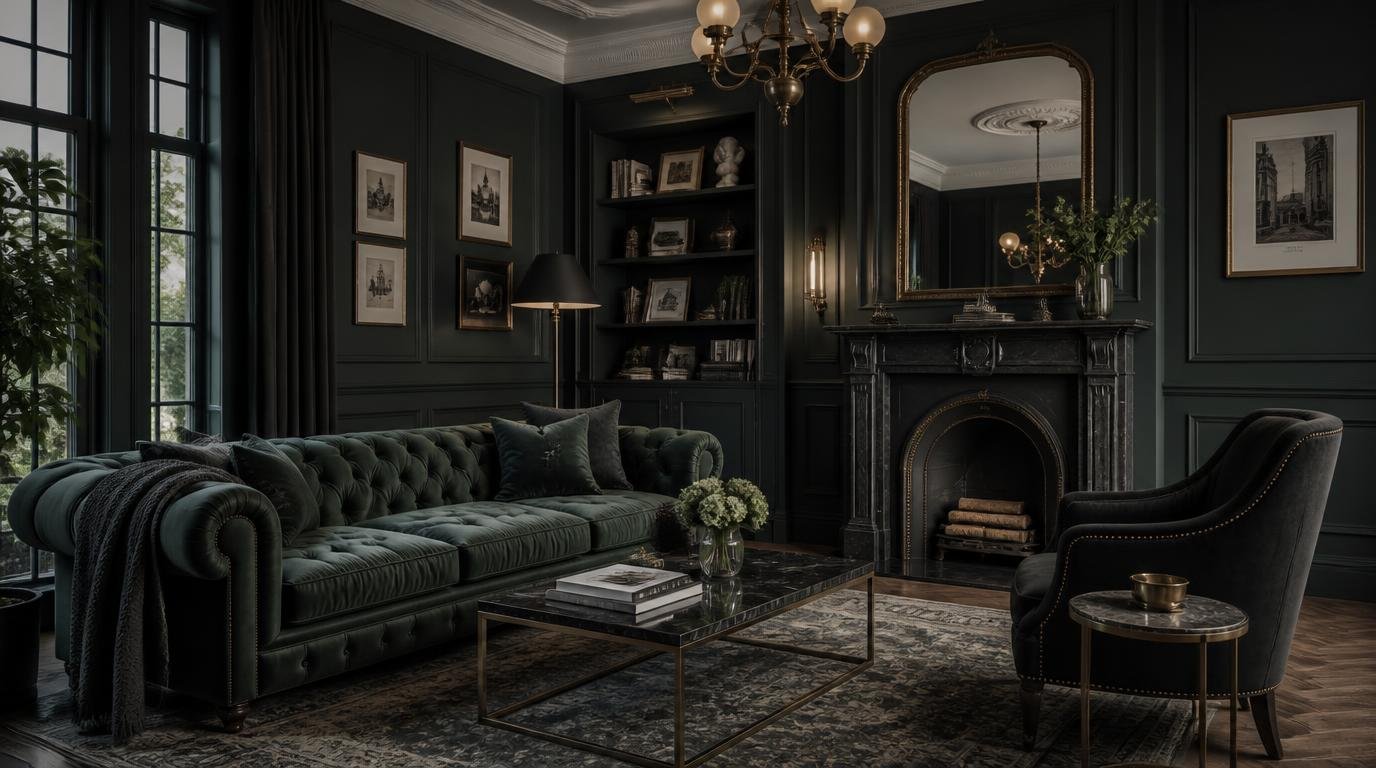
Victorian interiors are the ultimate expression of “more is more.” Originating in 19th-century England during Queen Victoria’s reign, the style celebrates craftsmanship, opulence, and a deep appreciation for decorative detail that borders on theatrical. It is not a style for the faint of heart, and that is part of its enduring appeal. Victorian has quickly become one of the most popular interior design styles among new homeowners.
Victorian Grandeur in 4 Points
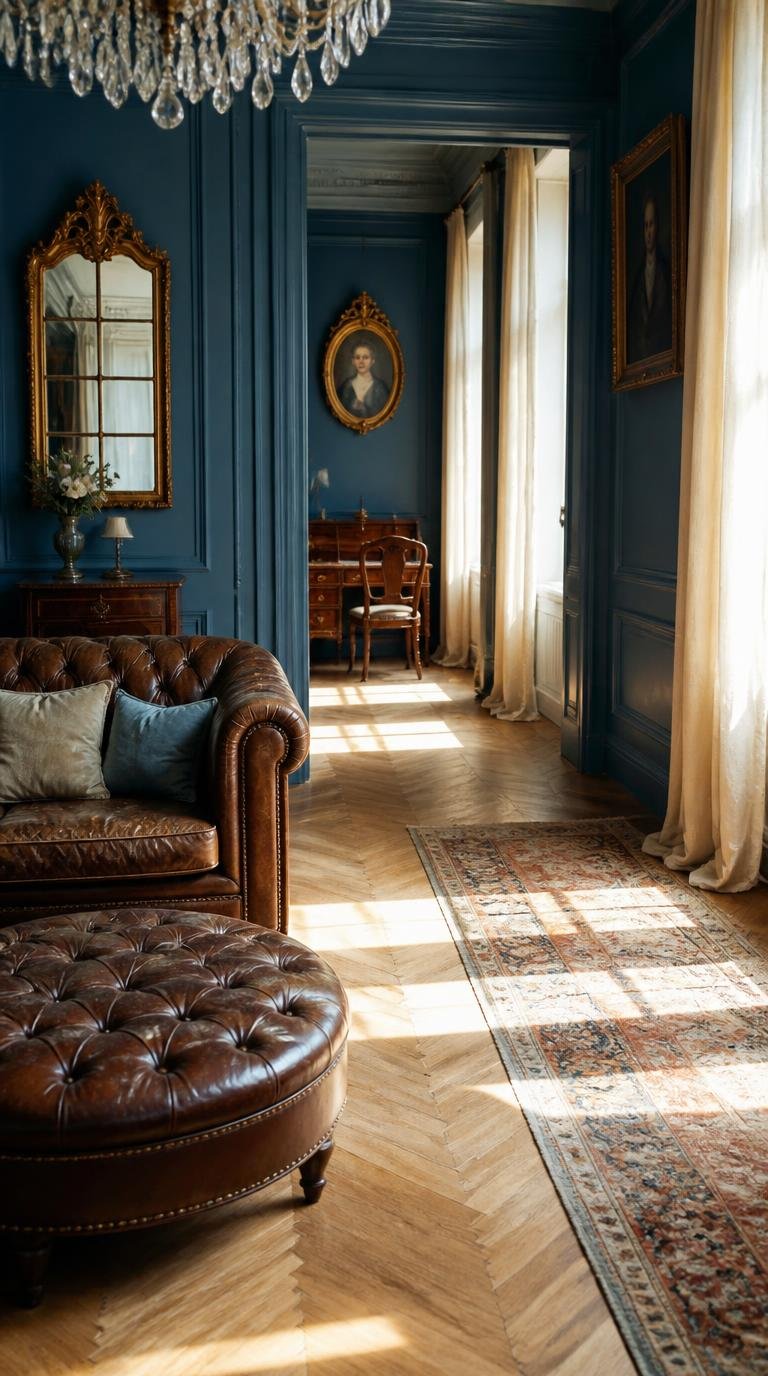
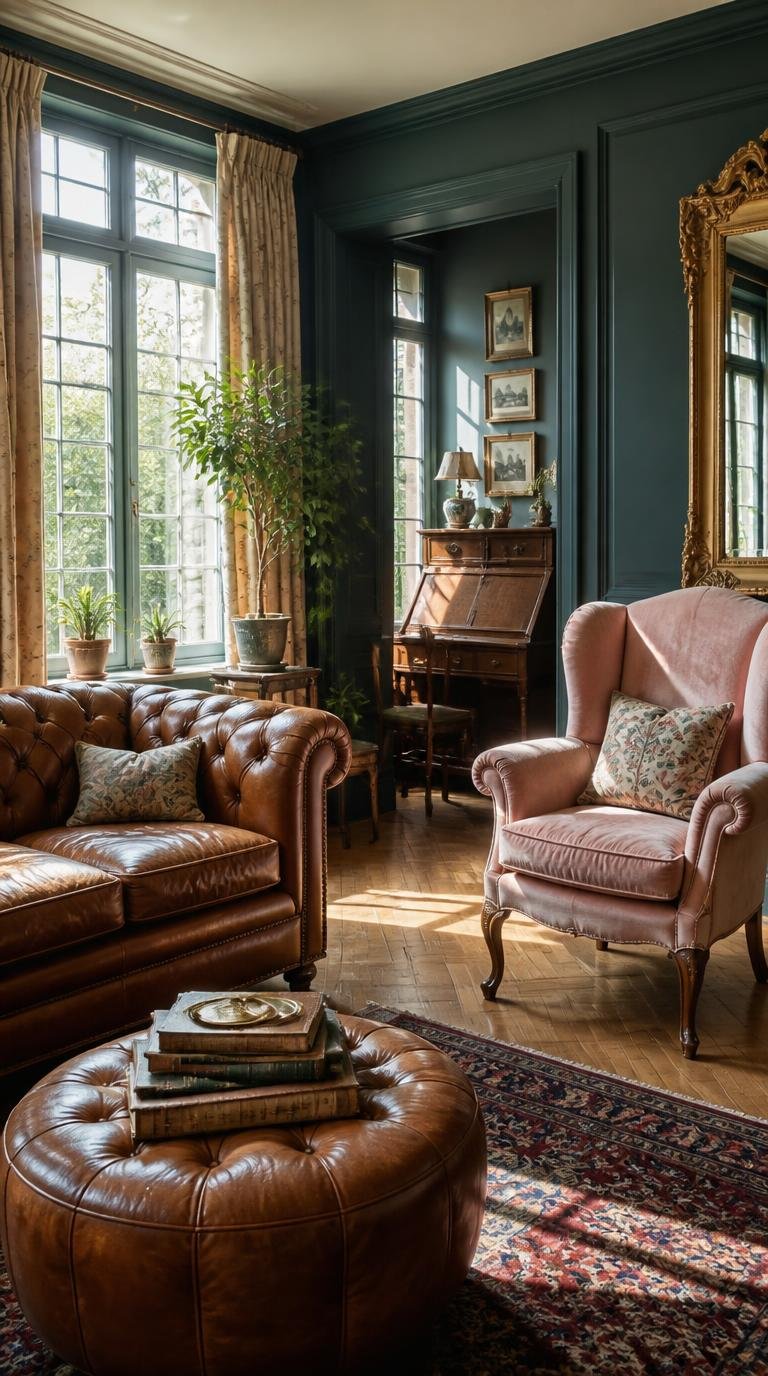
- Deep, saturated colors: Burgundy, emerald, plum, and midnight blue layered throughout the room.
- Elaborately carved furniture: Tufted velvet upholstery, heavily carved wood frames, and ornate detailing on every surface.
- Heavy, rich textiles: Velvet, brocade, damask, and jacquard in curtains, upholstery, and cushions.
- Architectural ornament: Decorative moldings, ceiling roses, wallpaper with large-scale florals, and an overall love of pattern.
Nautical Interior Style
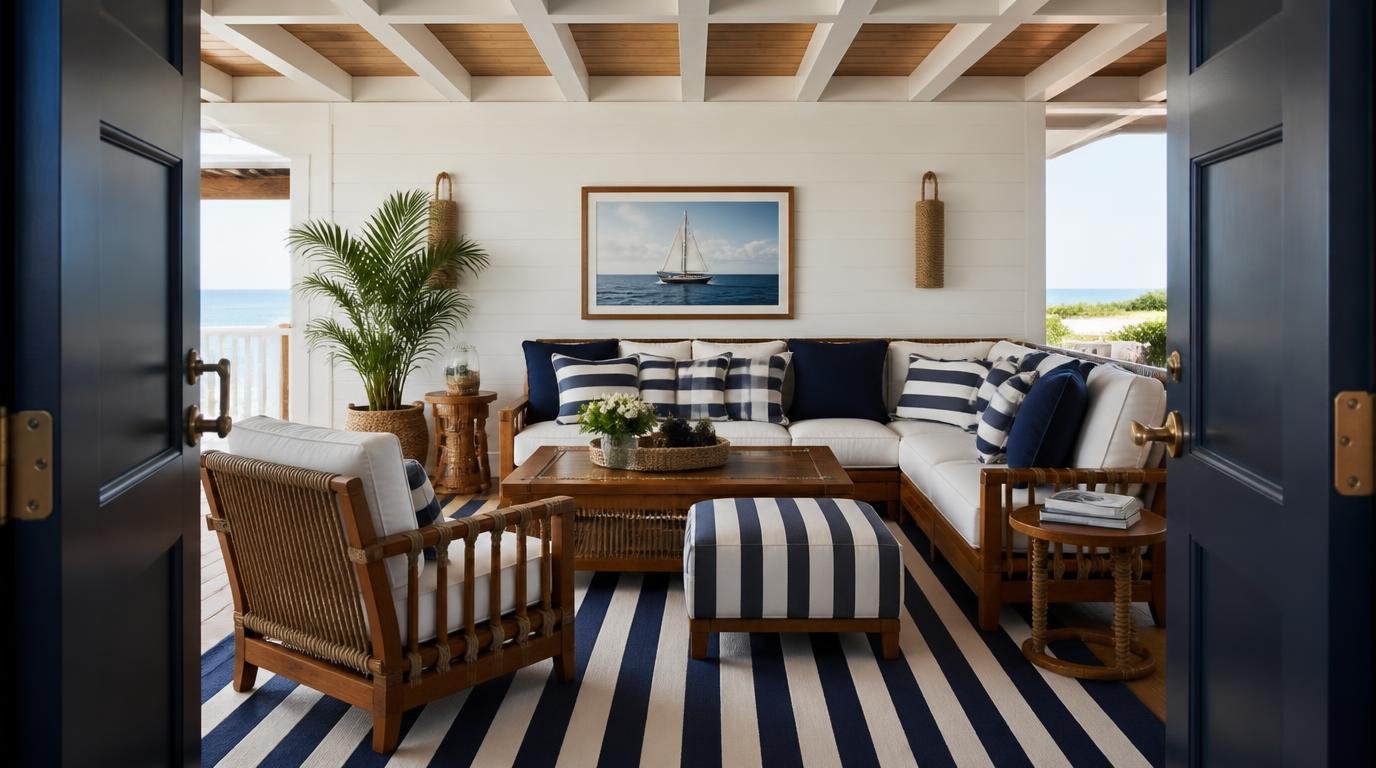
Nautical design is Coastal’s more structured, more thematic sibling. Where Coastal design takes inspiration from the feeling of the shore, Nautical draws on the specific visual language of maritime life: navy stripes, rope details, ship wheels, and the crisp graphic contrast of blue and white. Nautical is one of the more distinctive interior design styles to commit to fully.
A note on the Coastal vs. Nautical distinction: Coastal feels breezy and natural, drawing on sand, driftwood, and sea glass. Nautical is bolder and more graphic, with clear references to sailing and maritime traditions. Both are lovely interior design styles in their own right; it depends on whether you want the shore or the ship.
The Nautical Look Defined
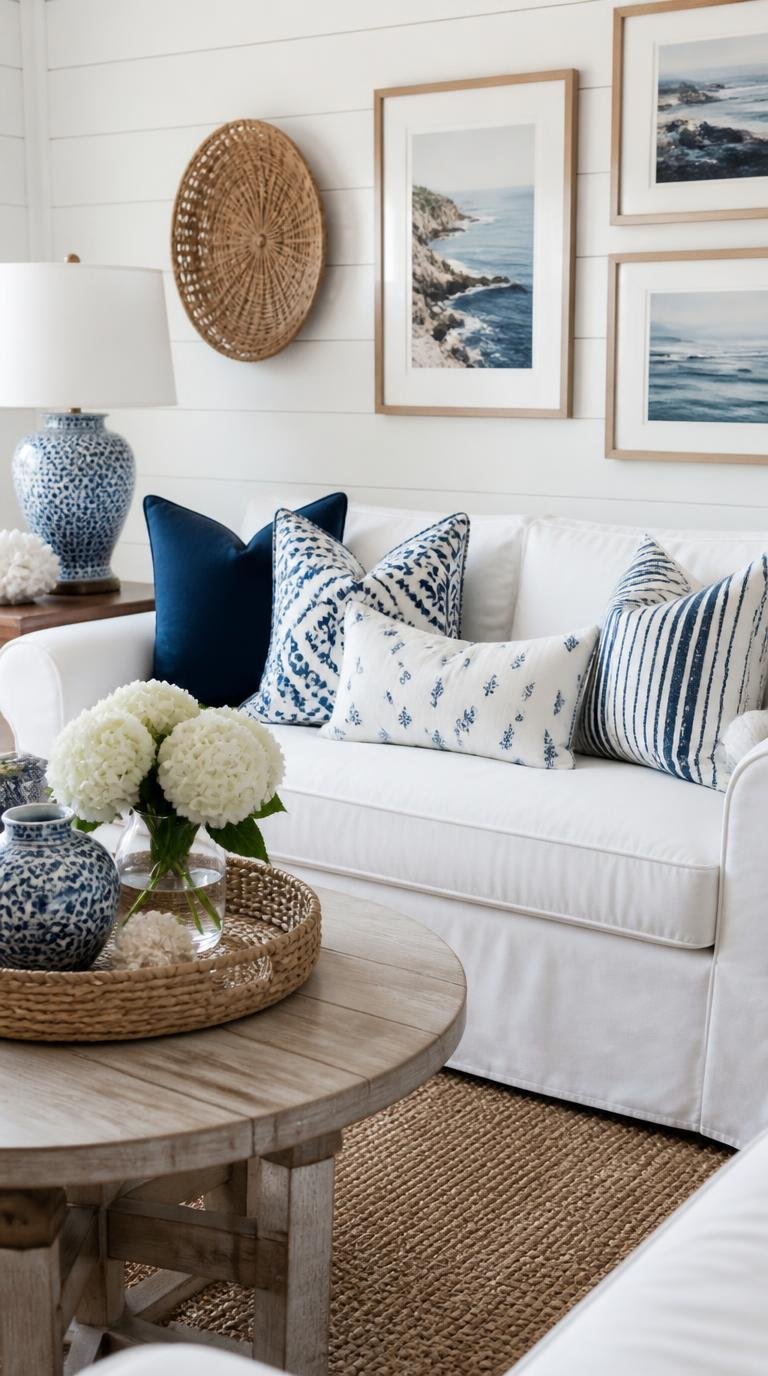
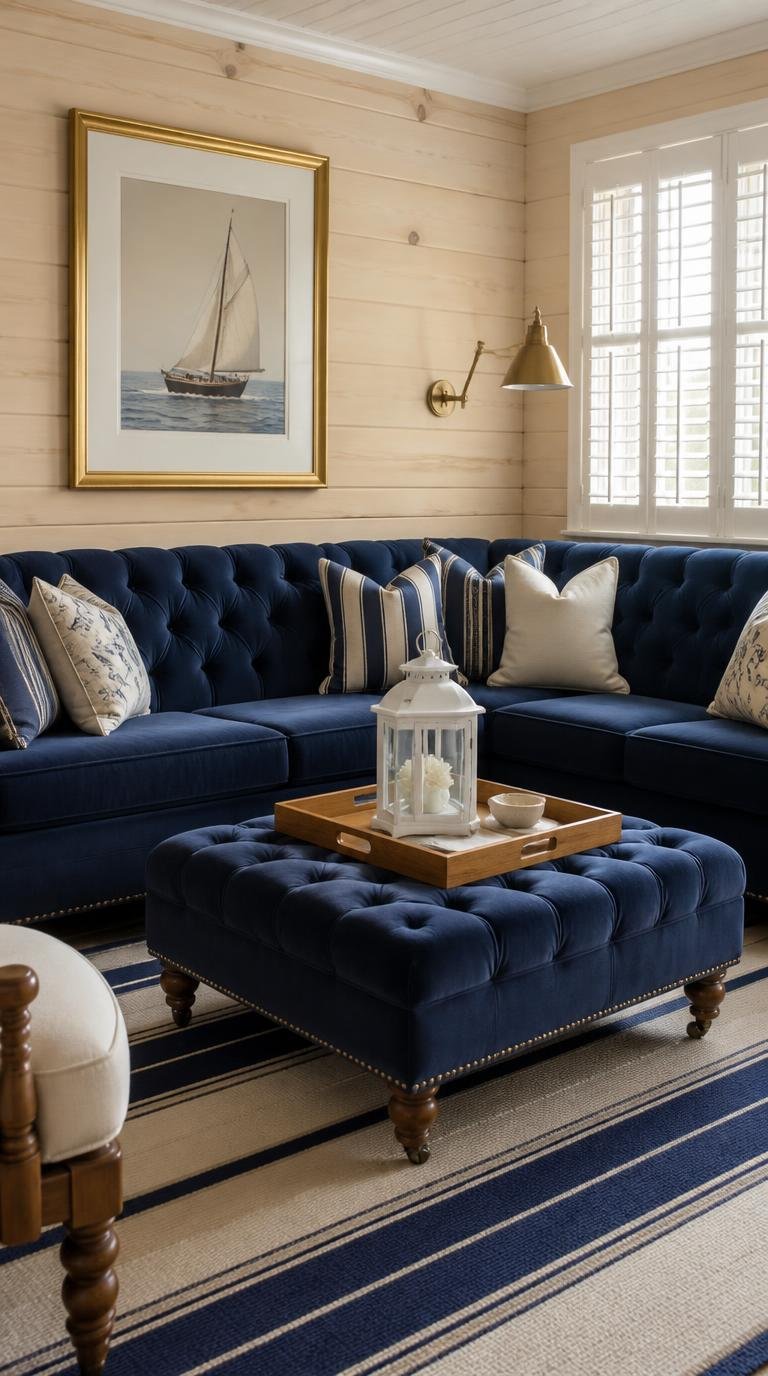
- Strong graphic palette: Navy blue, crisp white, and red as accent, with clean high-contrast combinations.
- Classic natural materials: Teak, rope, canvas, and wicker that reference a boat’s working materials.
- Maritime motifs, used tastefully: Rope accents, lanterns, and subtle sea-life references rather than full anchor-and-lighthouse territory, which keeps this one of the more wearable interior design styles for a coastal home.
- Stripe patterns: Navy and white stripes in textiles are as close to a rule as Nautical gets.
Gothic Interior Style
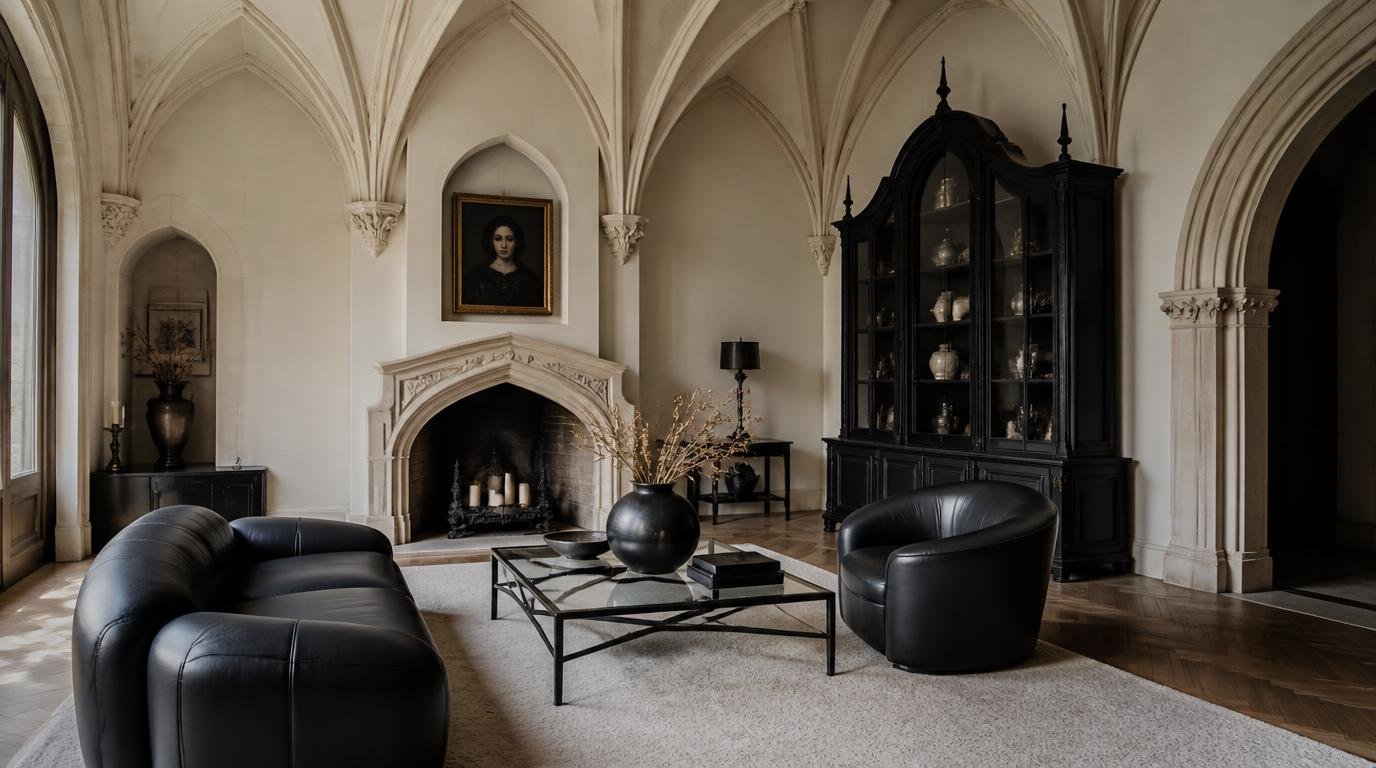
Gothic interior design is for people who find beauty in the dramatic, the moody, and the historically rich. Inspired by medieval architecture and the romantic, literary tradition of Gothic fiction, it creates spaces that feel theatrical and immersive in a way that no other style quite matches. Gothic remains one of the most requested home interior design styles right now.
Gothic Style at Its Most Beautiful
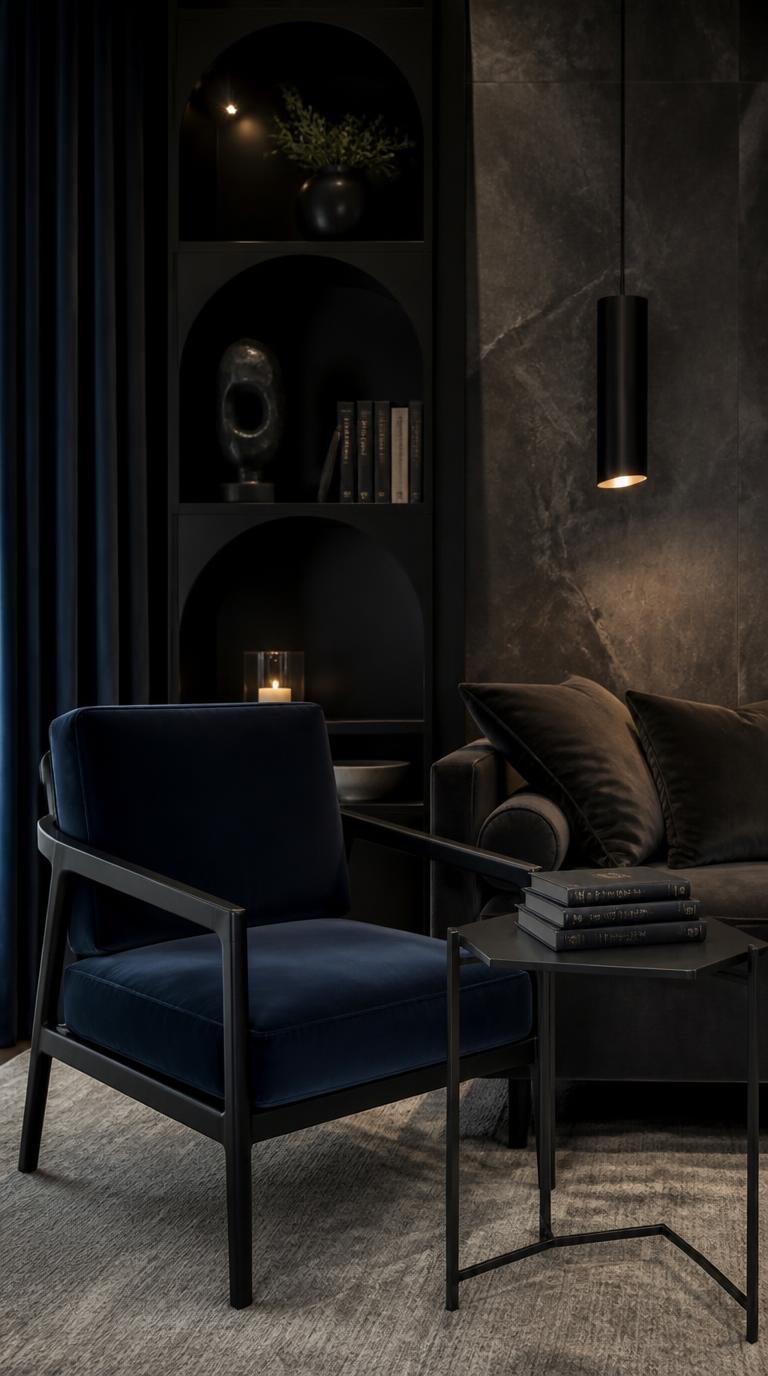
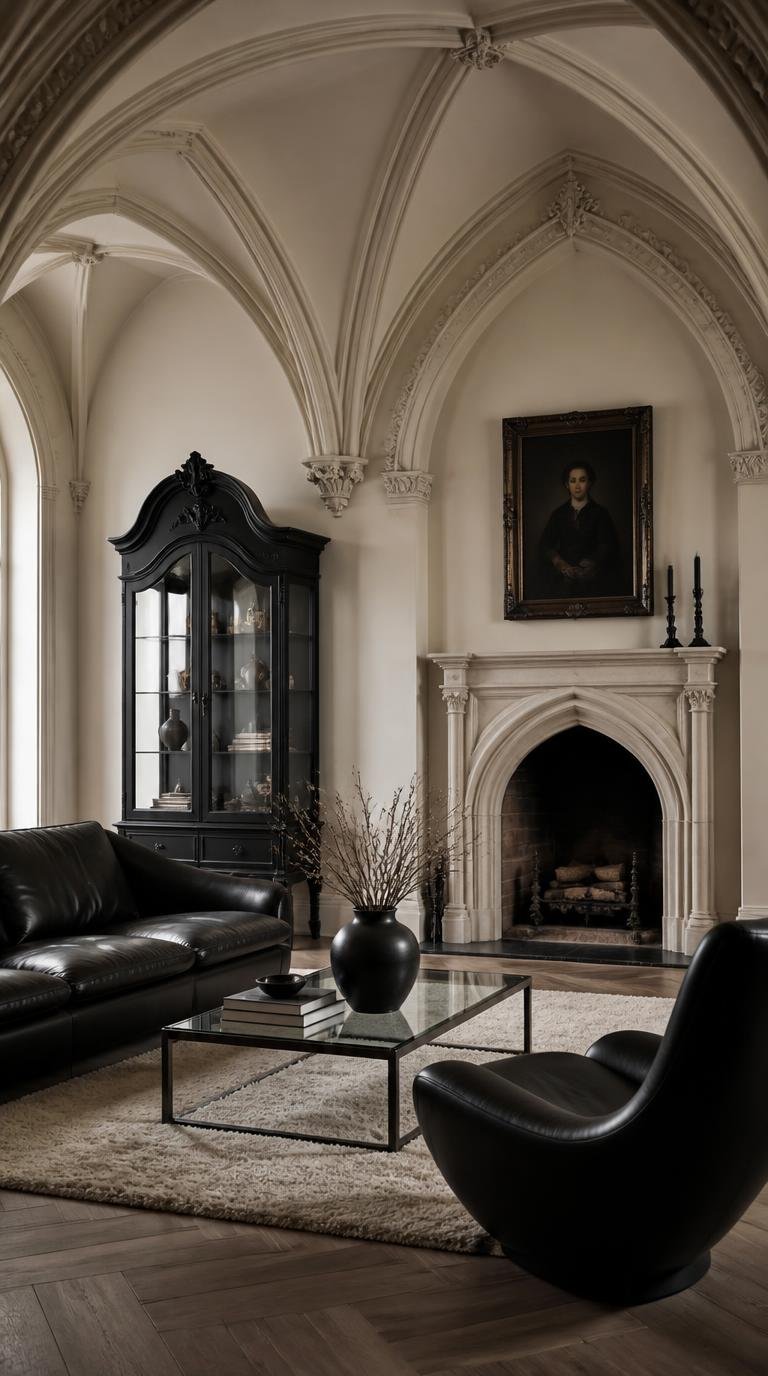
- Deep, moody colors: Ink black, blood burgundy, midnight blue, and dark forest green as the dominant palette.
- Ornate and carved details: Pointed arches, intricate woodwork, and decorative elements with medieval or ecclesiastical references.
- Heavy, opulent textiles: Velvet, brocade, and leather in rich, saturated tones throughout soft furnishings.
- Dramatic lighting: Candelabras, clustered pillar candles, and chandelier lighting that creates shadow and atmosphere rather than brightness.
Coquette Interior Style
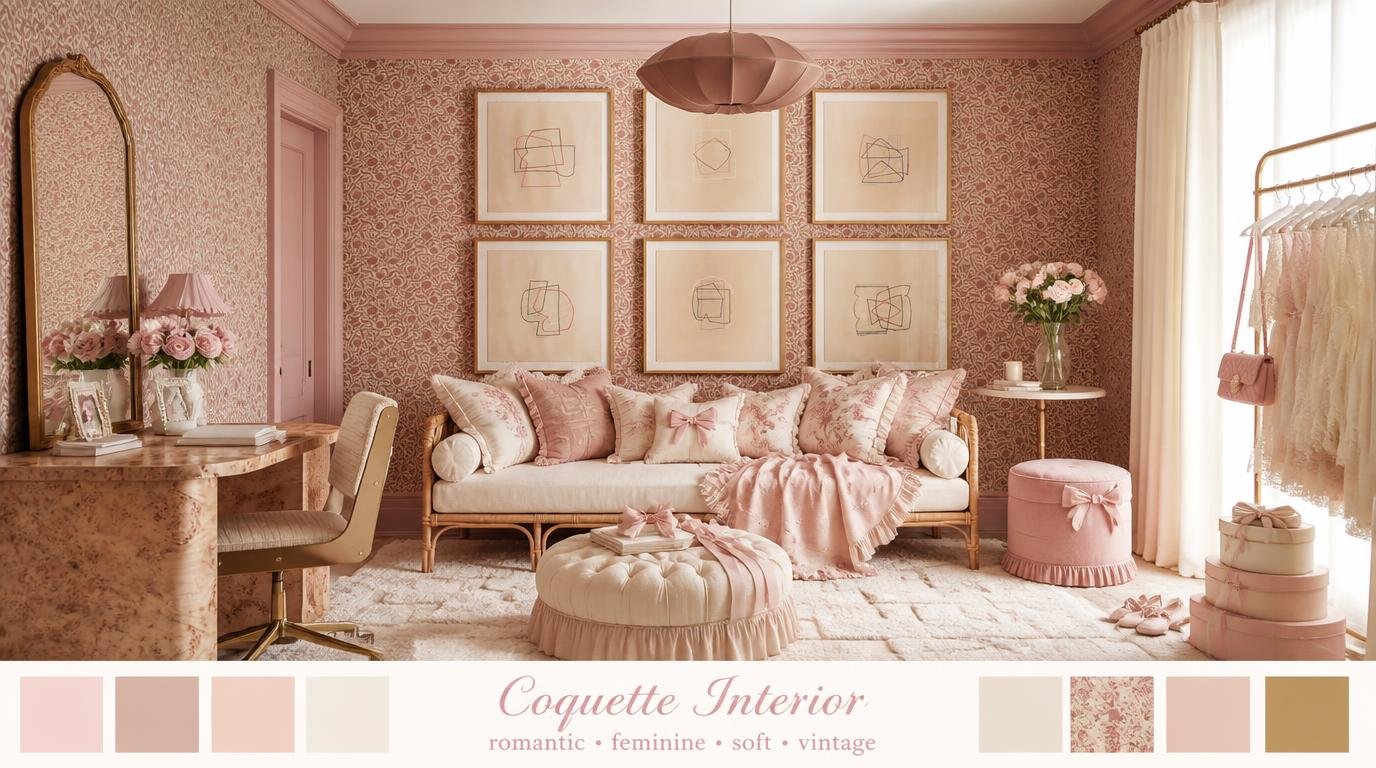
Coquette is the newest style on this list, and it arrived via TikTok and Pinterest in the early 2020s as a very specific kind of feminine aesthetic. It is sweet, romantic, playful, and just a little flirtatious. Think Bridgerton bedrooms, bow-trimmed mirrors, and blush-pink everything with a vintage twist. Coquette proves that interior design styles don’t have to follow just one rulebook.
It is polarizing (you either immediately get it or you very much do not), but for the people who love it, it is genuinely joyful to live in.
The Coquette Aesthetic, Decoded
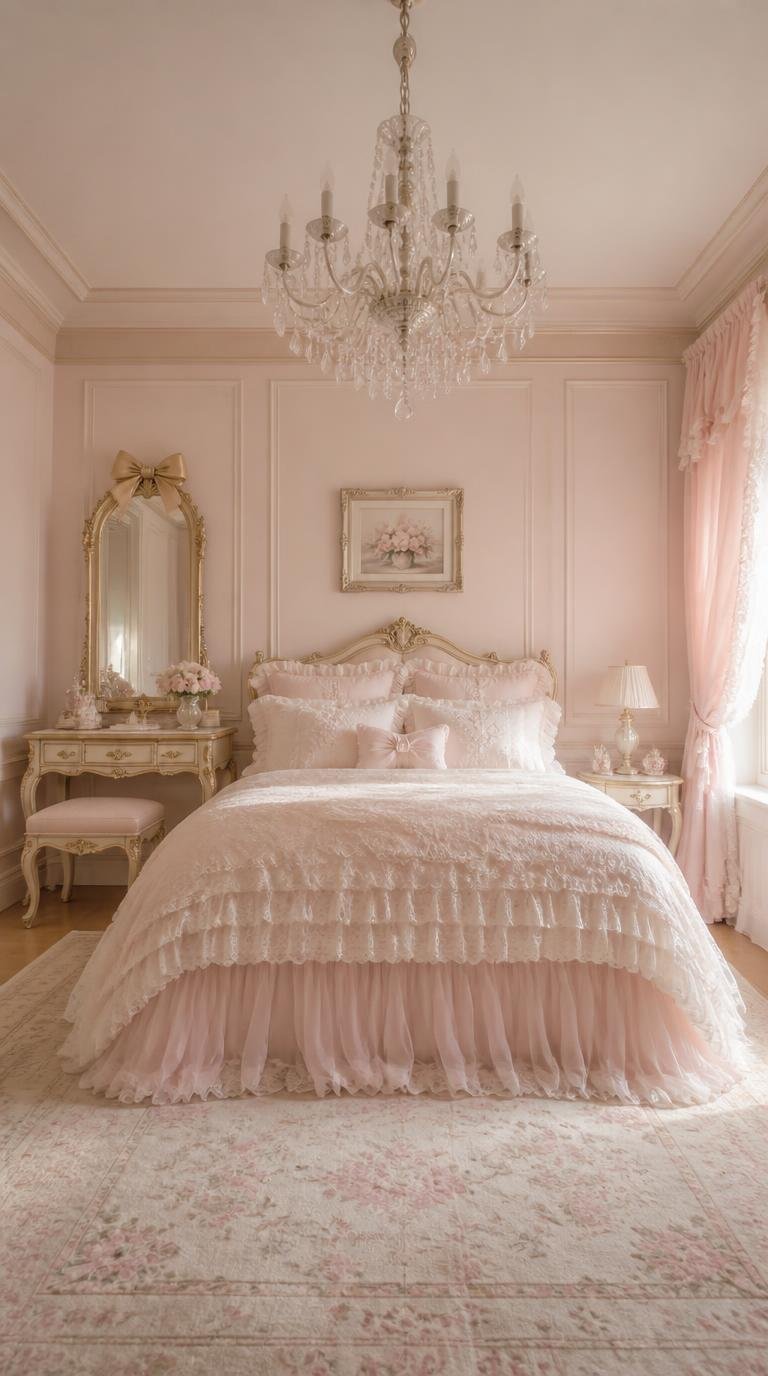
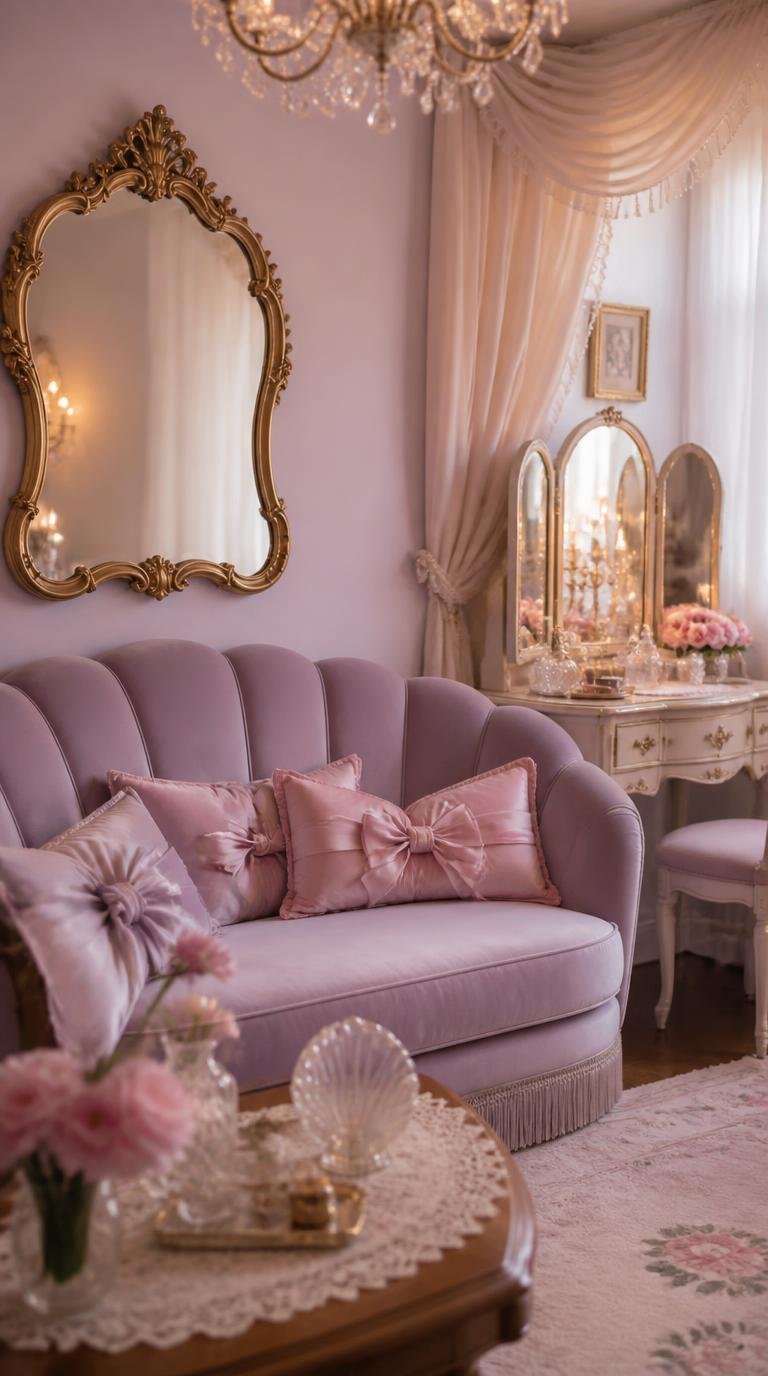
- Dreamy pastel palette: Blush pink, baby blue, lavender, and soft champagne white throughout.
- Romantic and playful details: Bows, scalloped edges, ruffles, and delicate lace used as intentional design elements.
- Vintage-glamour accents: Gilded mirrors, antique vanity tables, dainty crystal chandeliers, and old-Hollywood references.
- Delicate fabric language: Silk, satin, chiffon, and organza in curtains, bedding, and decorative accents.
Mediterranean Interior Style
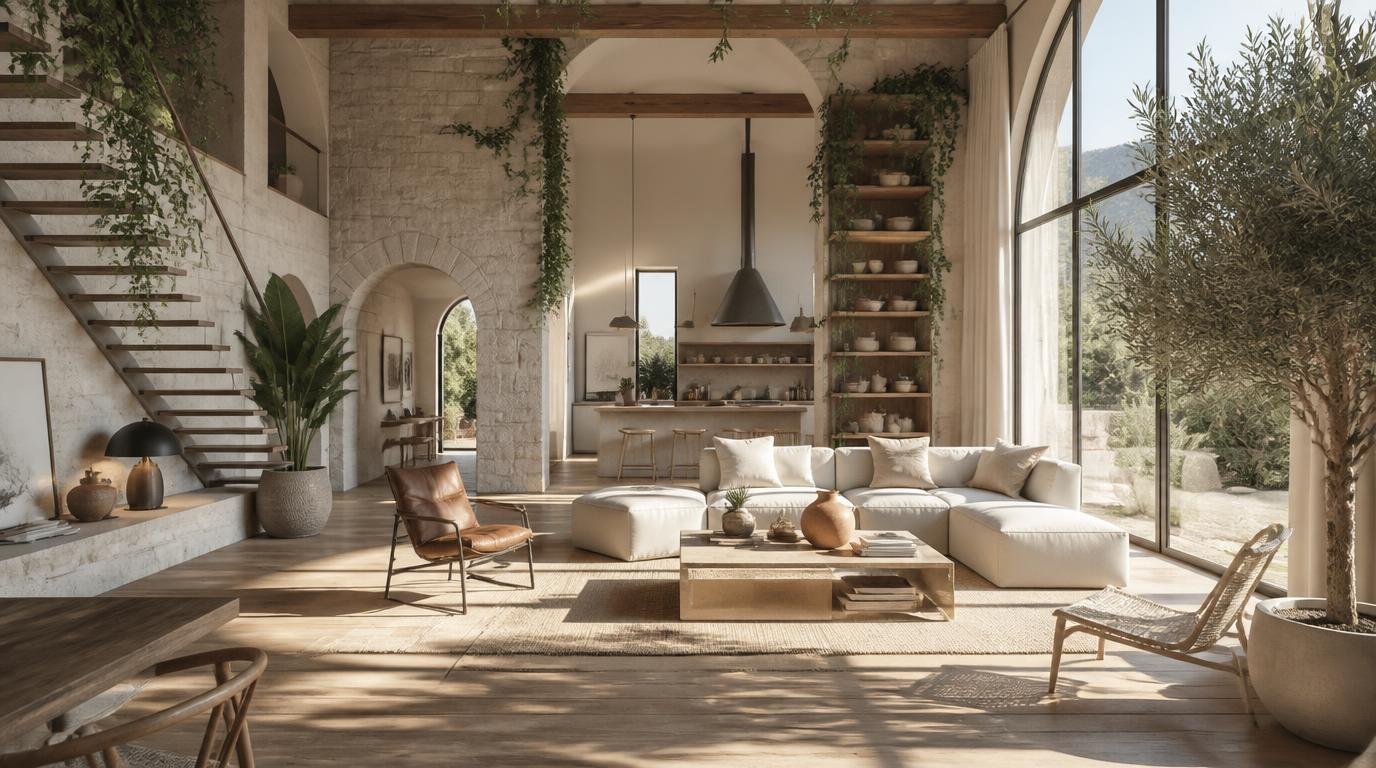
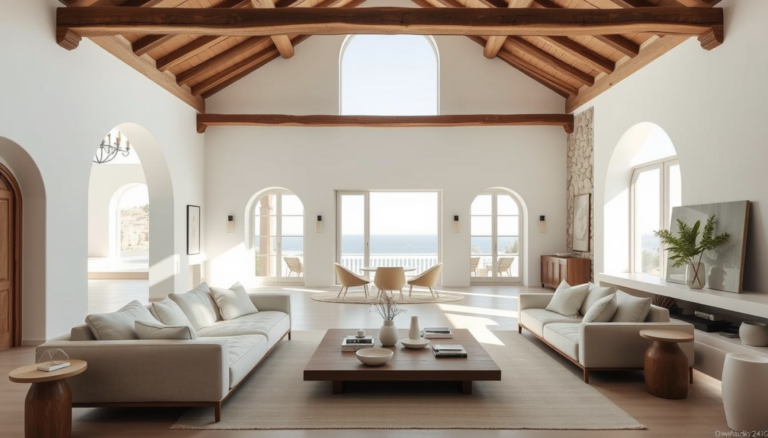
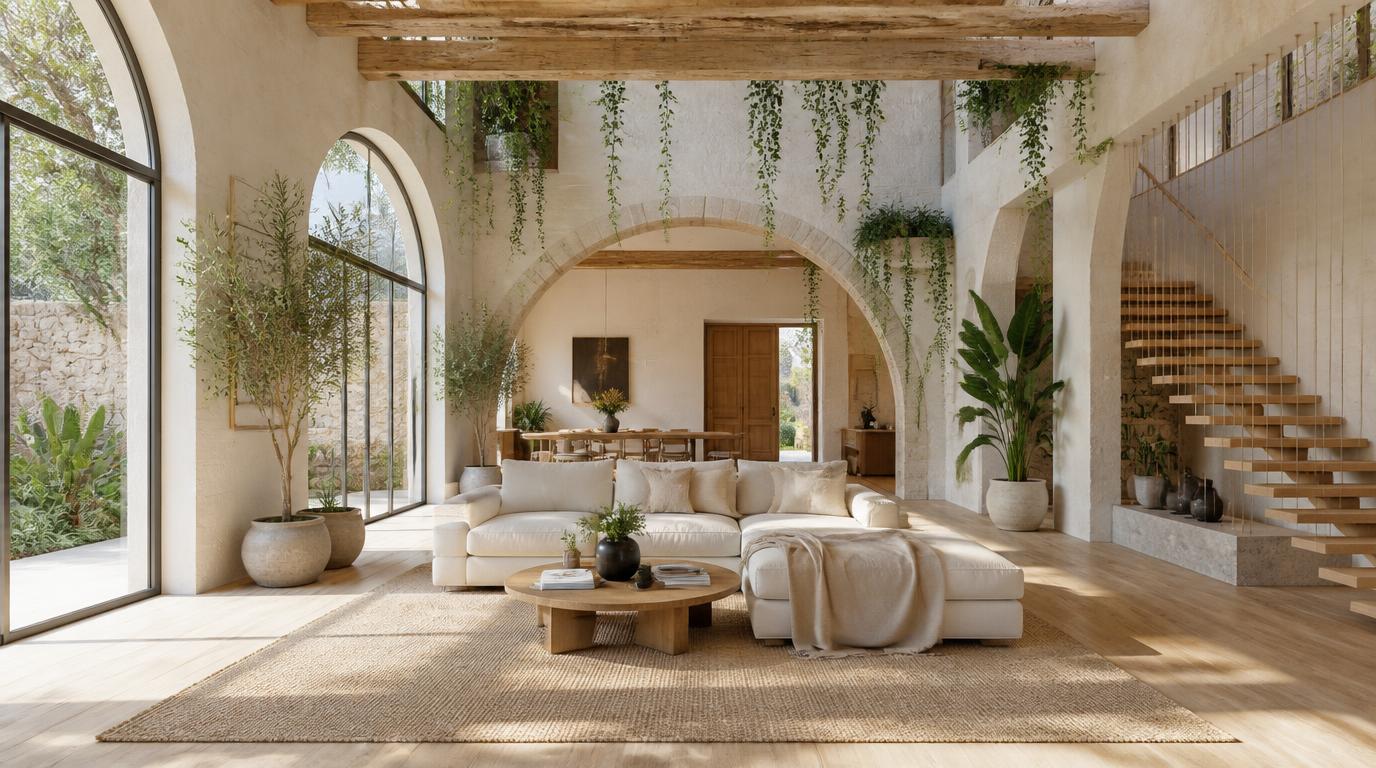
Mediterranean design borrows its ease from centuries of sun, sea, and slow living along the coastlines of Southern Europe and North Africa. It is warm without being fussy, textured without being cluttered, and it wears its age beautifully rather than trying to hide it. Of all the interior design styles covered here, Mediterranean rewards commitment the most.
The Mediterranean Formula
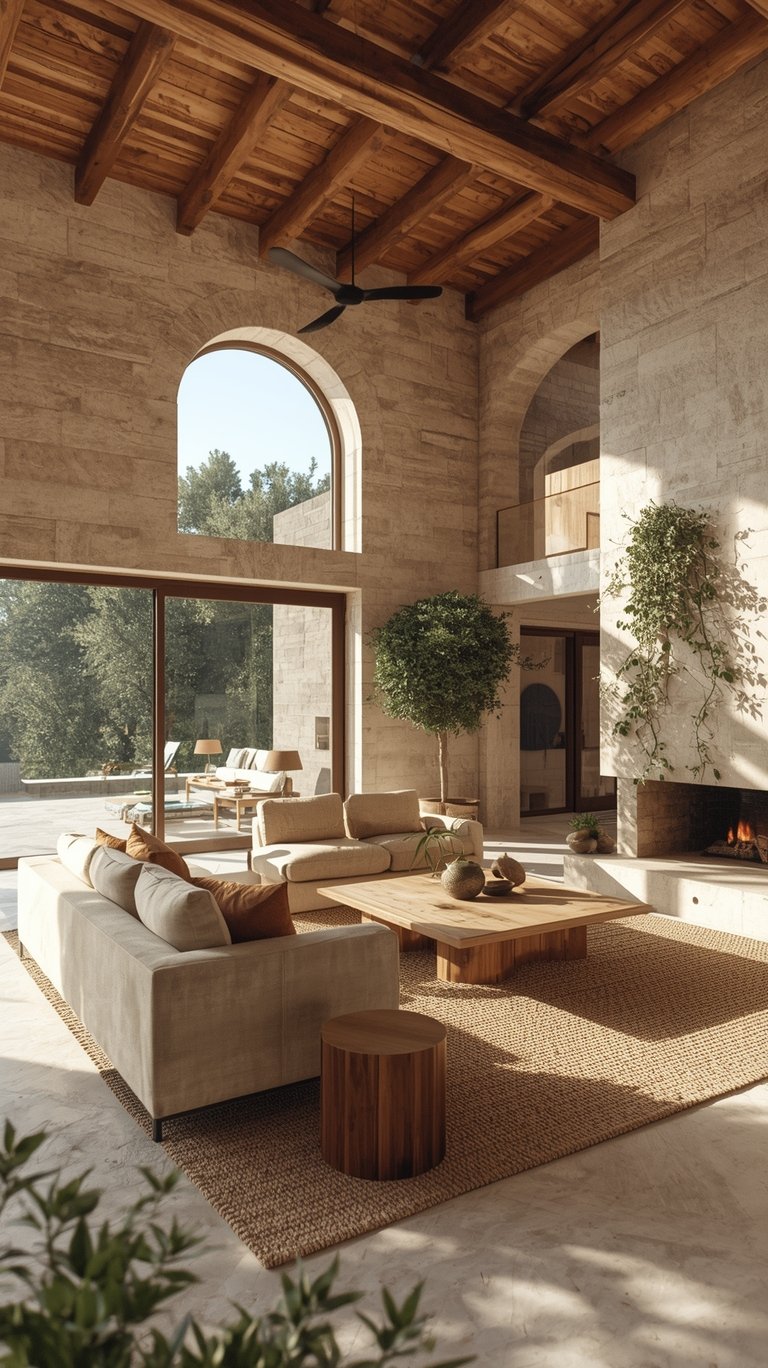
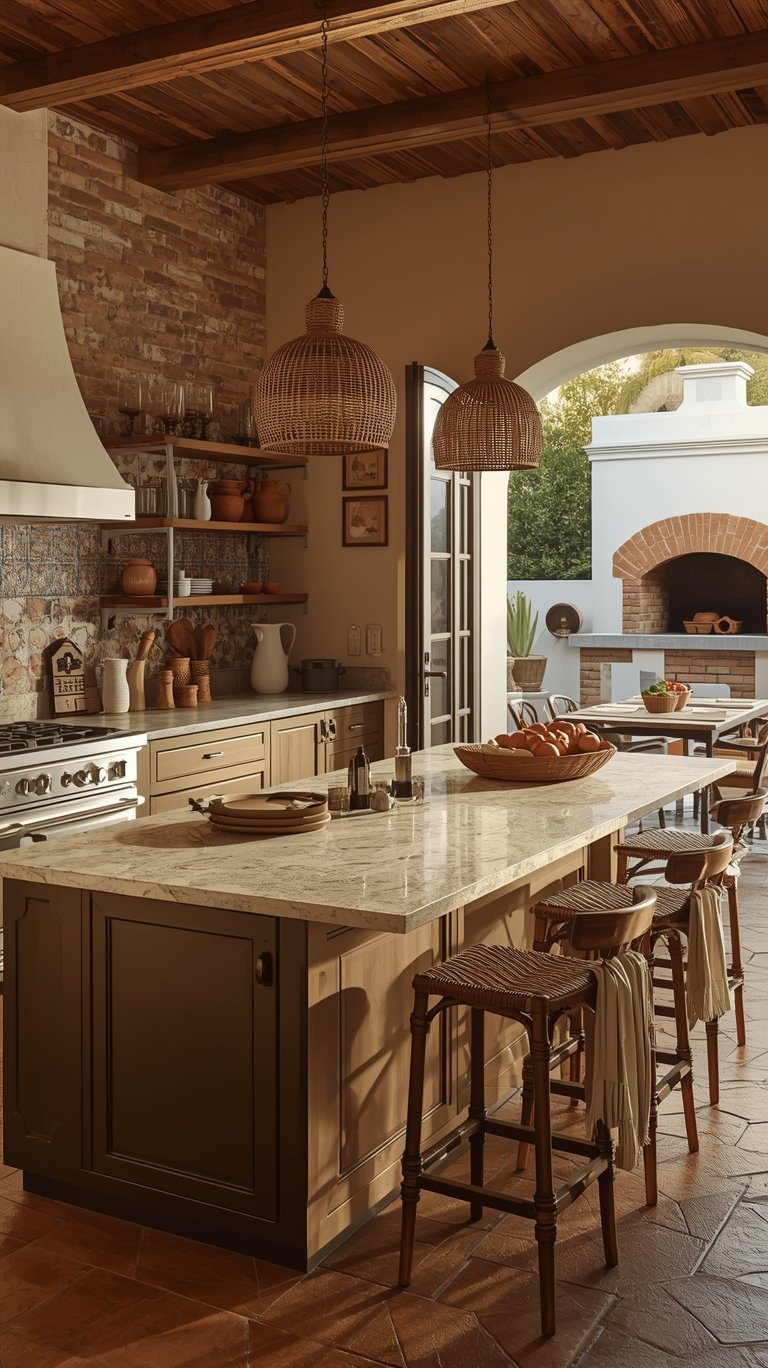
- Sun-baked color palette: Warm cream, terracotta, ochre, and deep olive green, grounded by the occasional cobalt blue accent.
- Handmade textures: Rough-troweled stucco walls, hand-glazed terracotta tile, wrought iron, and reclaimed wood.
- Arched architecture: Arched doorways, windows, and niches that soften every straight line in the room.
- Outdoor-indoor living: Climbing vines, potted olive trees, and furniture that feels equally at home on a patio or inside.
Eclectic Interior Style
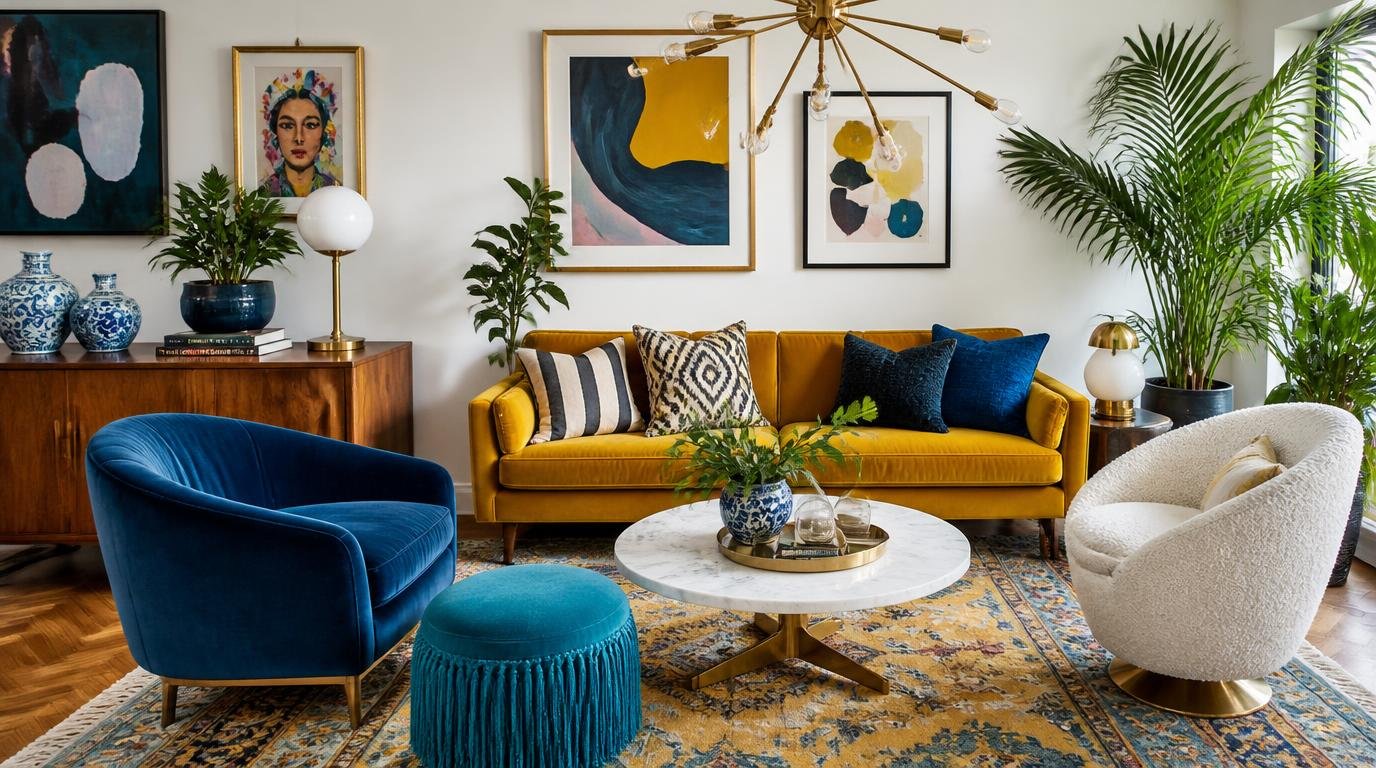
Eclectic interior design is proof that more taste, not more rules, makes a room feel like you. It takes the confidence to break every “matching” convention and the discipline to make sure the mix still reads as curated eclectic home design rather than chaos. Eclectic is one of the most versatile interior design styles on this list.
The Eclectic Mixing Rules
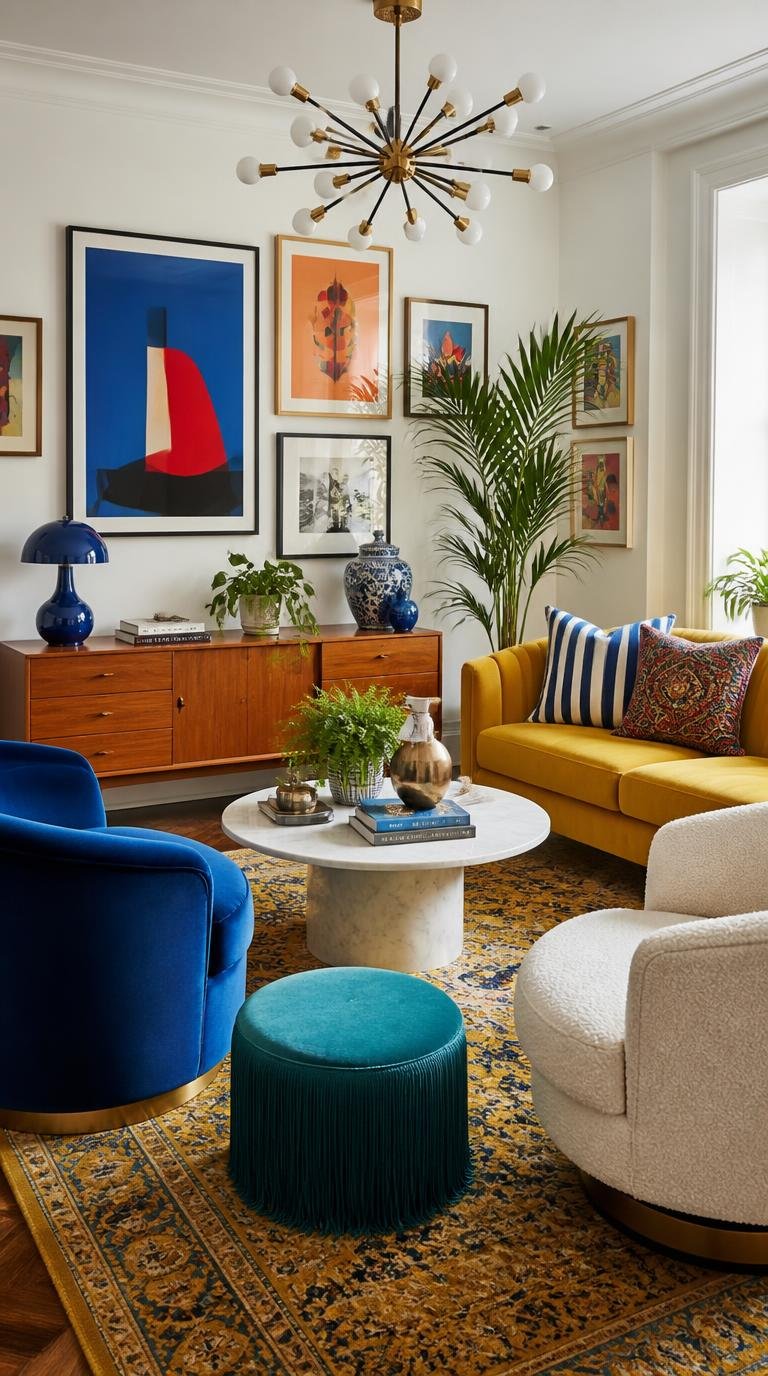
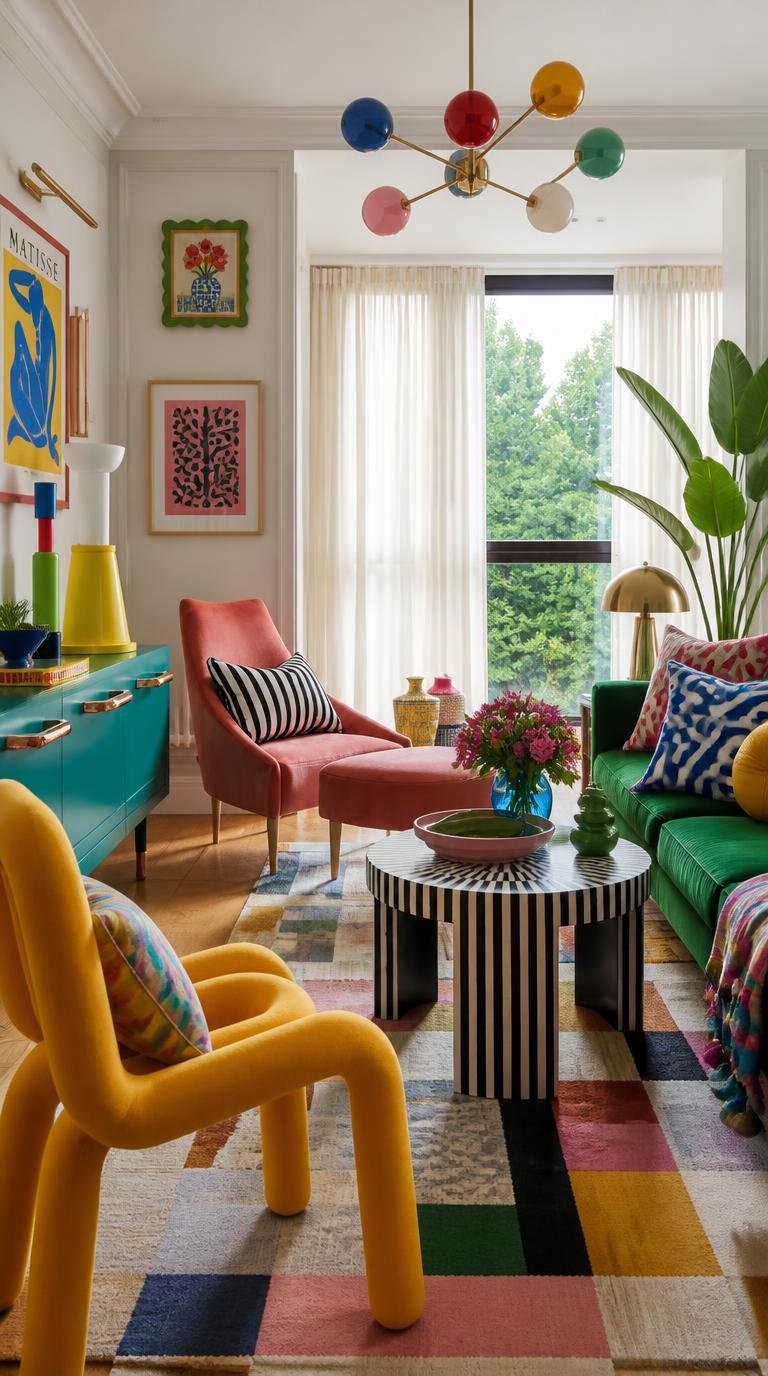
- Color as the throughline: One repeated color or tone running across mismatched furniture eras keeps eclectic home interior design cohesive instead of cluttered.
- Furniture from different eras, blended on purpose: A mid-century chair beside an antique dresser beside a modern sculptural lamp, each piece chosen on its own merits.
- Pattern layered with restraint: Two or three patterns at most, varied in scale, so eclectic interior decor reads as intentional rather than accidental.
- A few genuinely personal objects: Travel finds, inherited pieces, and art that means something. This is the part no algorithm can replicate.
Transitional Interior Style
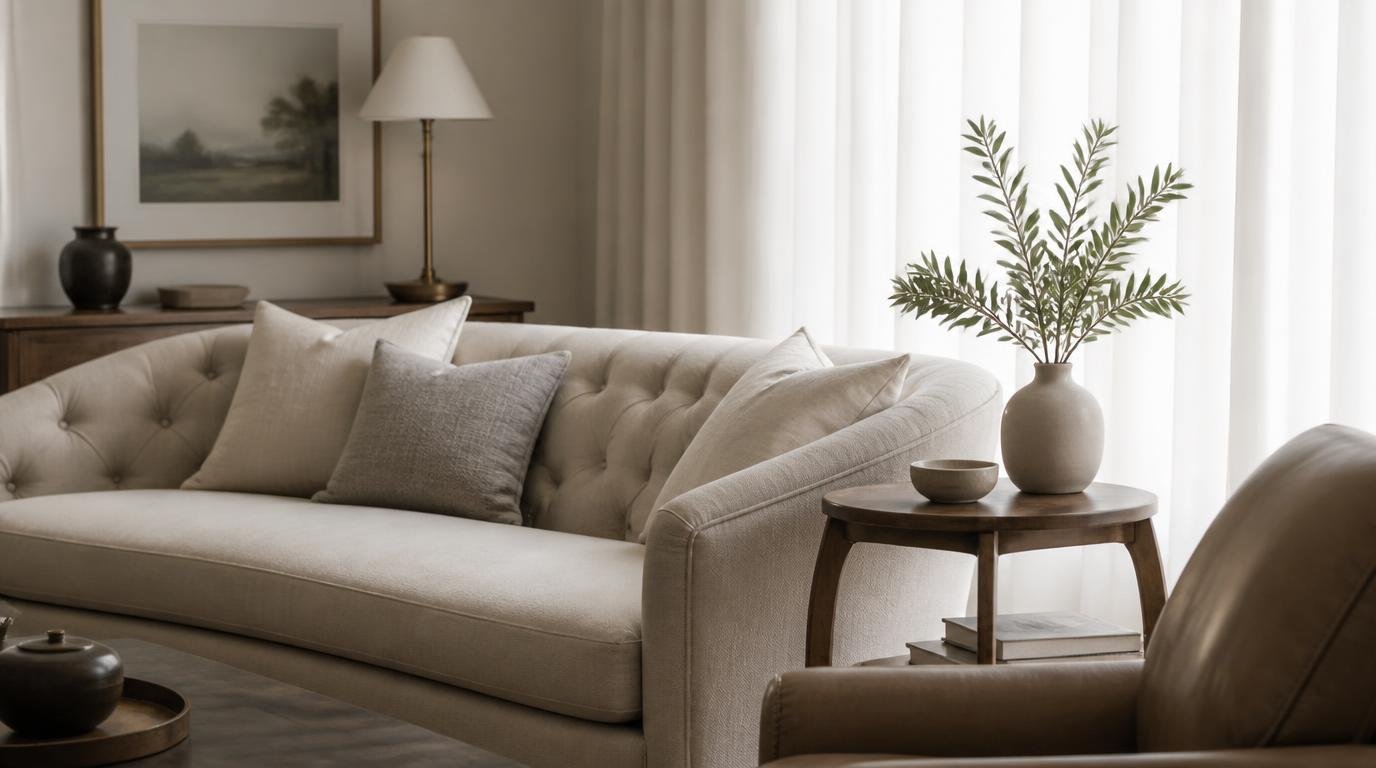
Transitional interior design sits exactly between traditional and contemporary, and that in-between space is exactly why it is one of the most searched interior styles in America right now. It borrows the comfort of traditional furniture and pairs it with the clean lines of modern design. Transitional has quickly become one of the most popular interior design styles among new homeowners.
The Transitional Balance
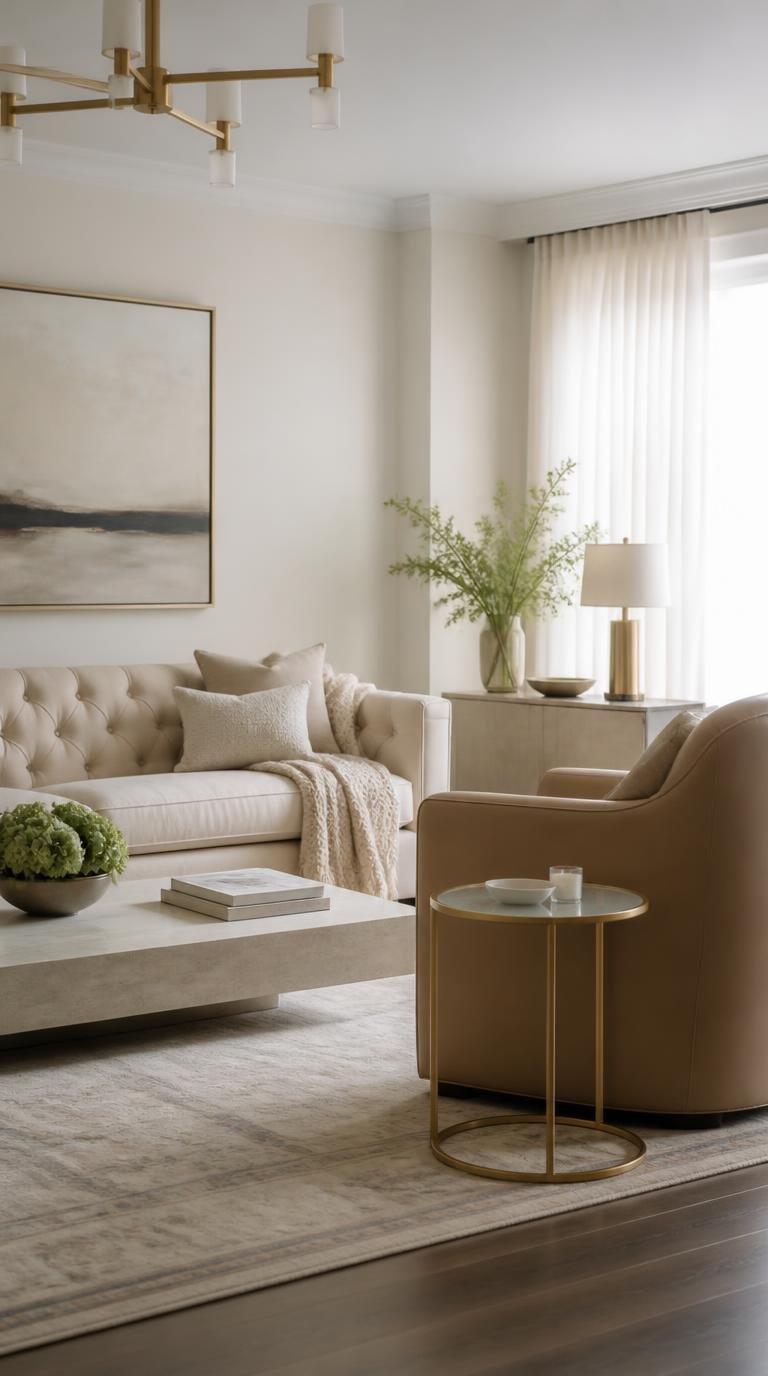
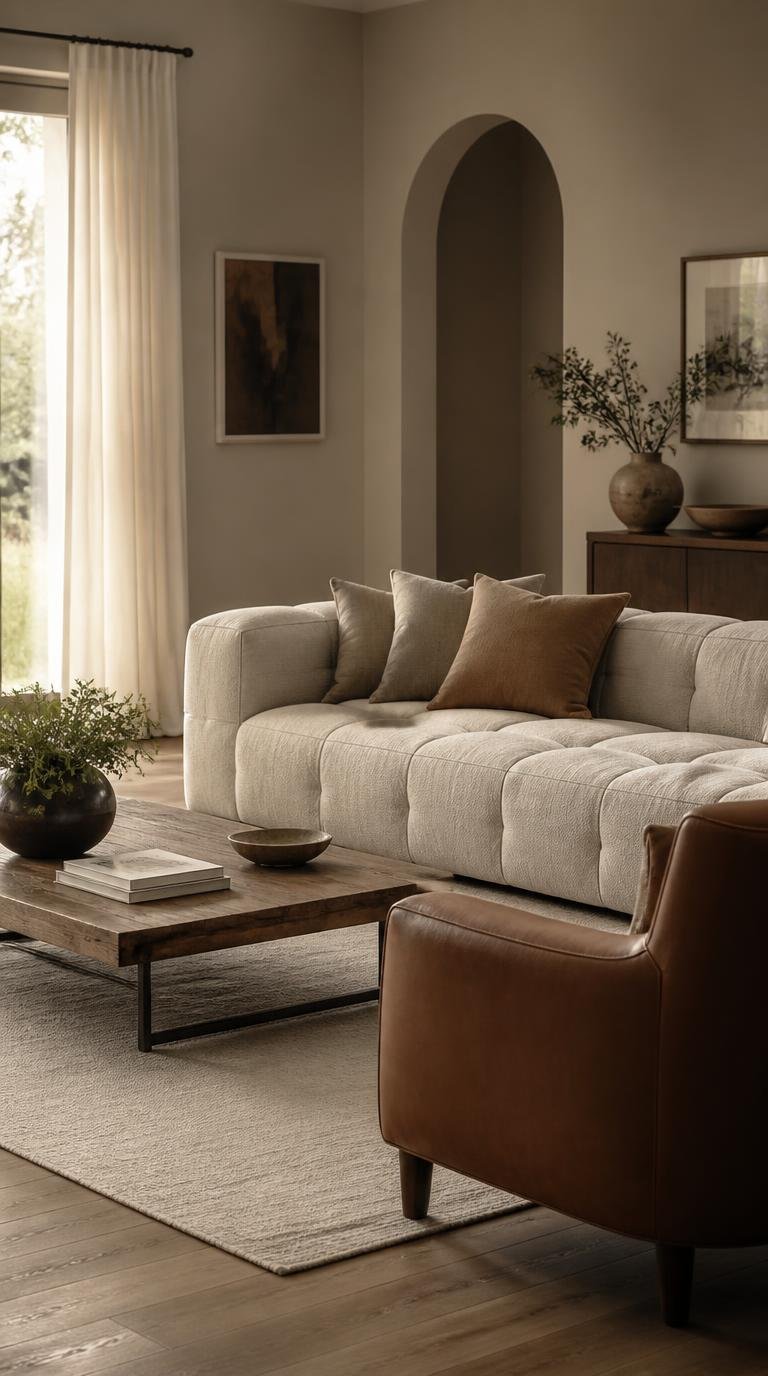
- Neutral color foundation: Warm greige, soft taupe, and creamy white that never feels dated, the backbone of most transitional decor.
- Furniture with softened lines: Transitional furniture style trades ornate carving for simple, rounded silhouettes that split the difference between old and new.
- A mix of textures over patterns: Linen, wool, and leather do the visual work instead of busy prints, keeping the palette calm.
- Classic pieces, current proportions: A tufted sofa in a slimmer, lower-profile shape than its traditional ancestor.
Modern Rustic Interior Style
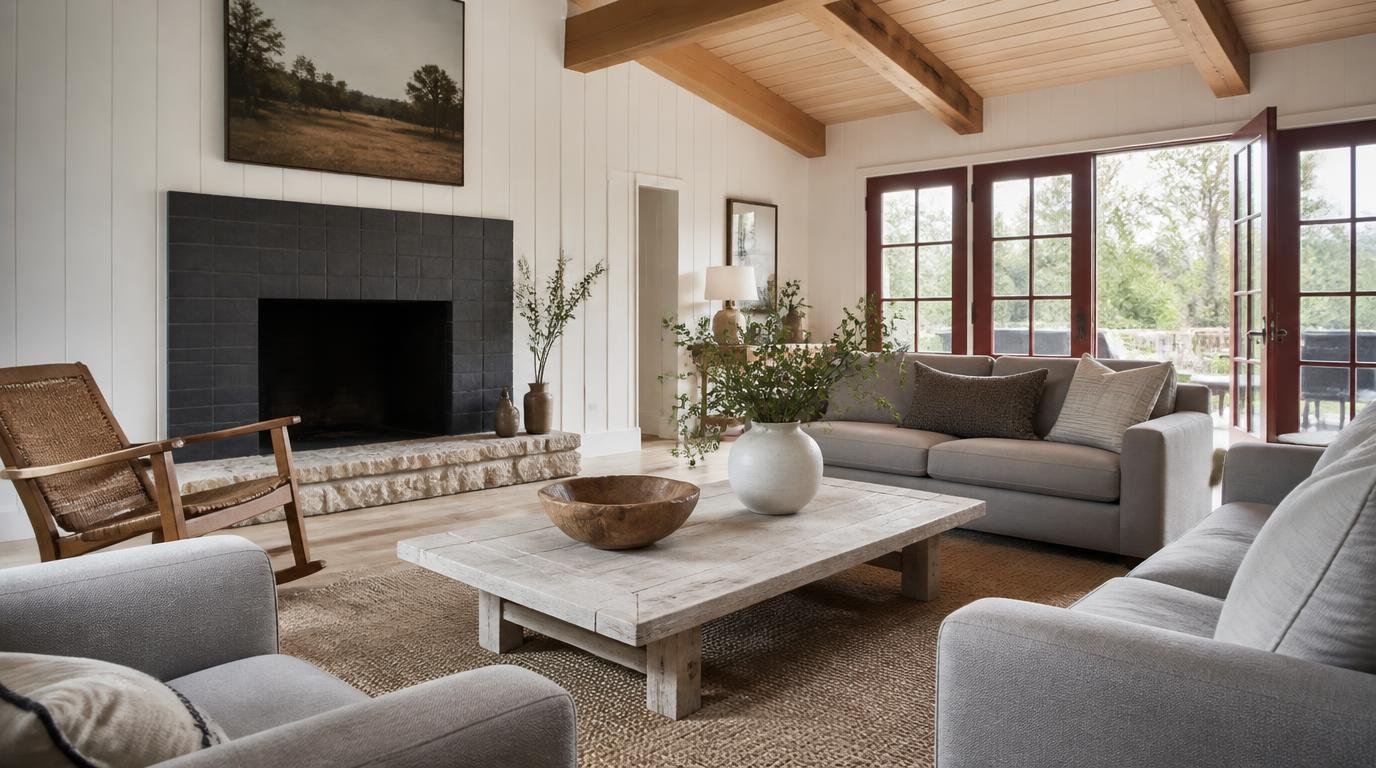
Modern Rustic interior design takes the raw, unfinished materials of traditional Rustic style and edits them with a cleaner, more current hand. It keeps the lodge-like warmth but drops the clutter, which is exactly why modern rustic decor has become one of the most requested looks in new-build homes right now. Modern Rustic is one of the more distinctive interior design styles to commit to fully.
The Modern Rustic Material List
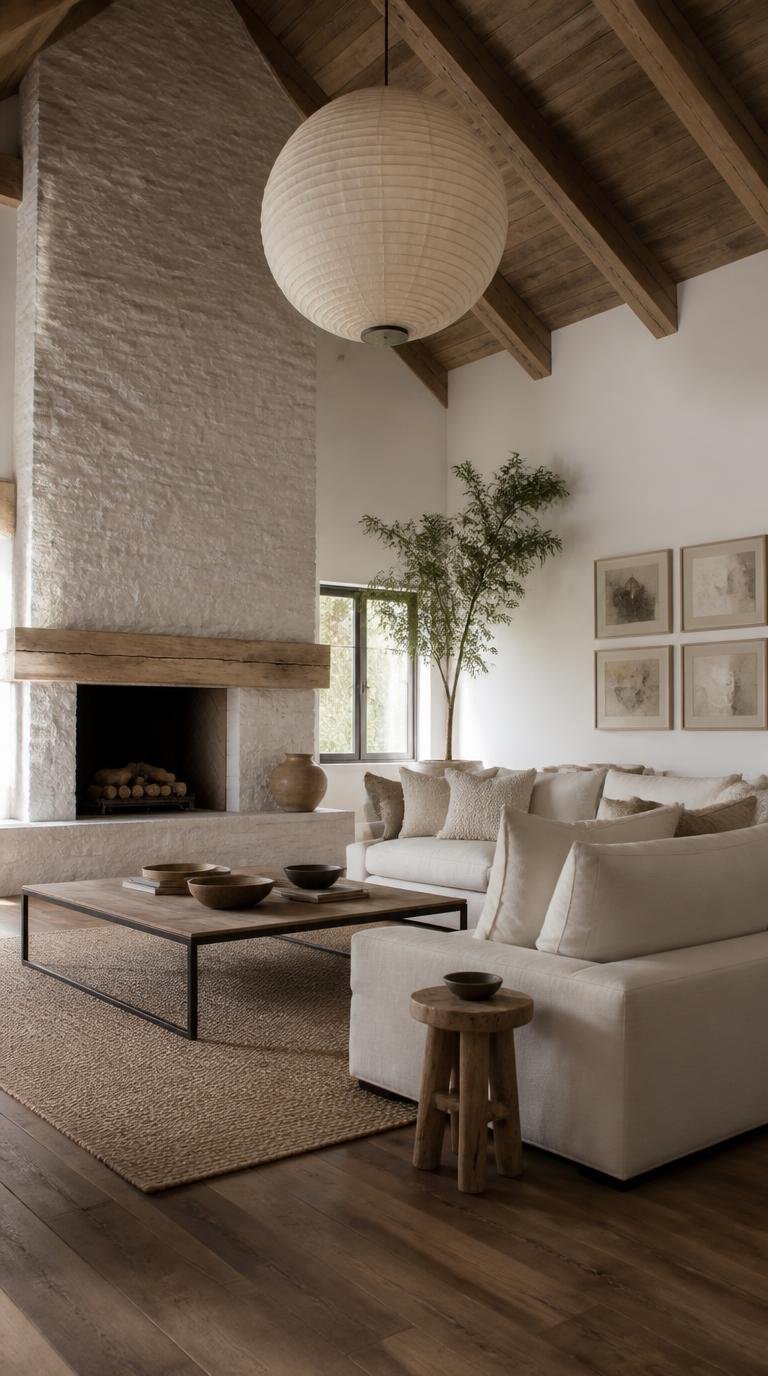
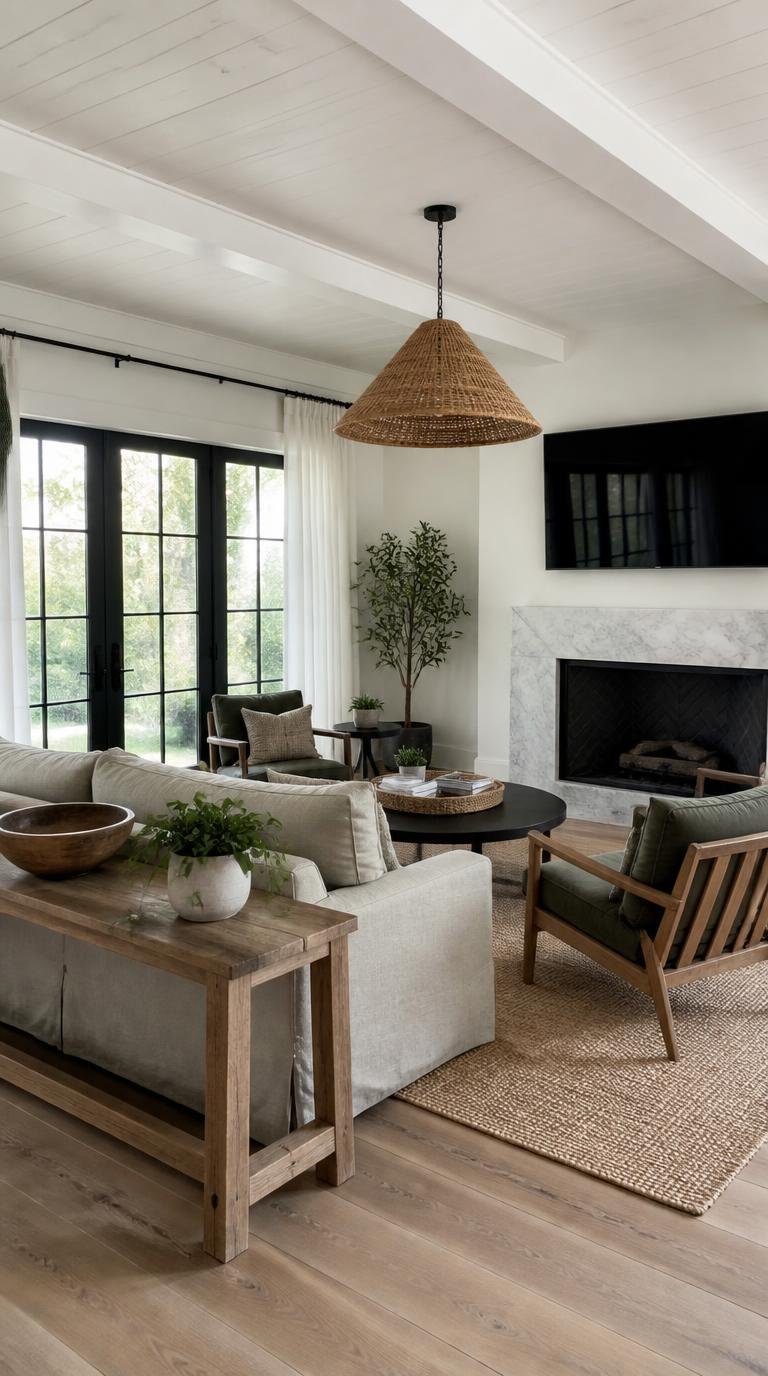
- Raw wood, cleanly detailed: Exposed beams, live-edge tables, and timber furniture, but with simpler joinery than traditional Rustic.
- Stone paired with sleek metal: A stone fireplace balanced by matte black or brushed steel fixtures instead of heavy wrought iron.
- An edited, earthy palette: Deep browns and warm charcoal grounded in natural material, the calmer half of modern rustic decor.
- Fewer, better textures: One wool throw, one leather chair, one hide rug, chosen instead of layered on top of each other, the kind of restraint that separates calmer interior design styles from busier ones.
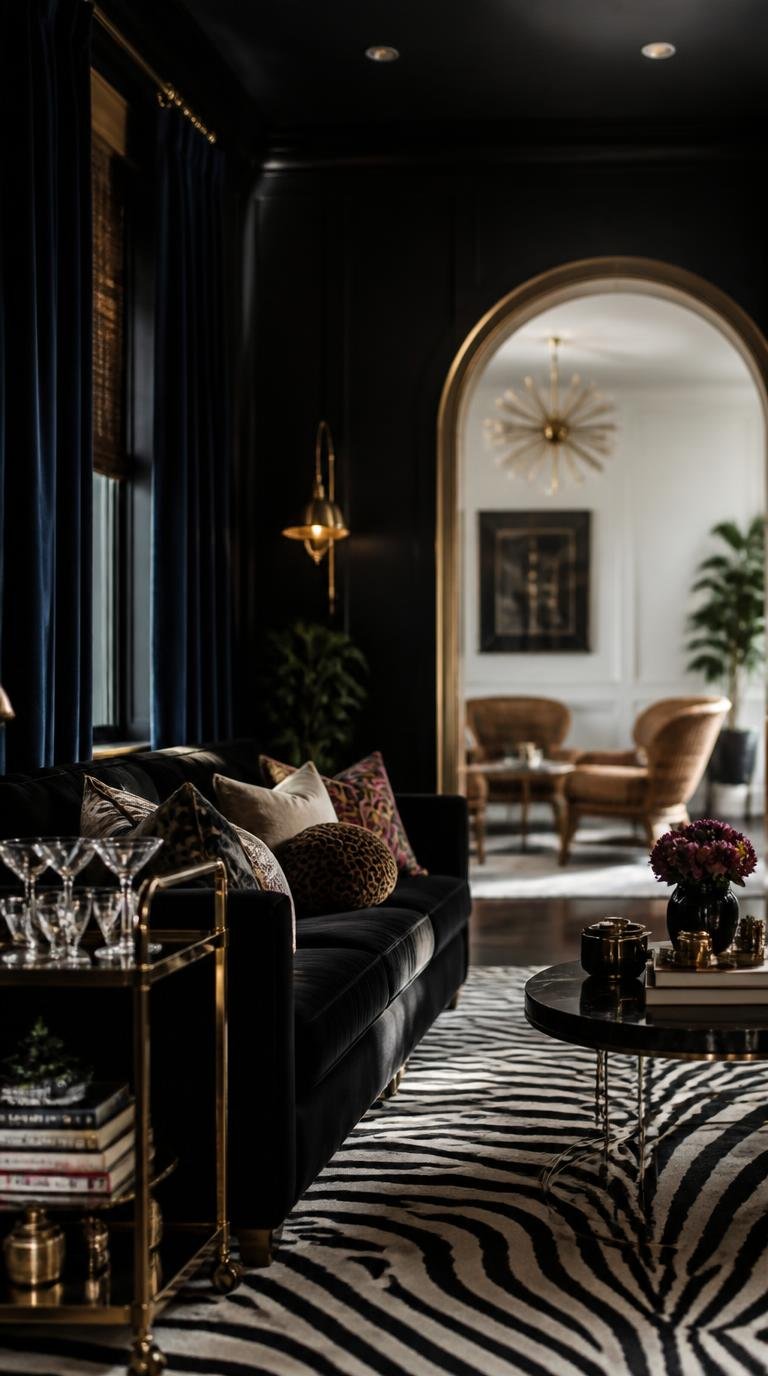
Dark & Moody Interior Style
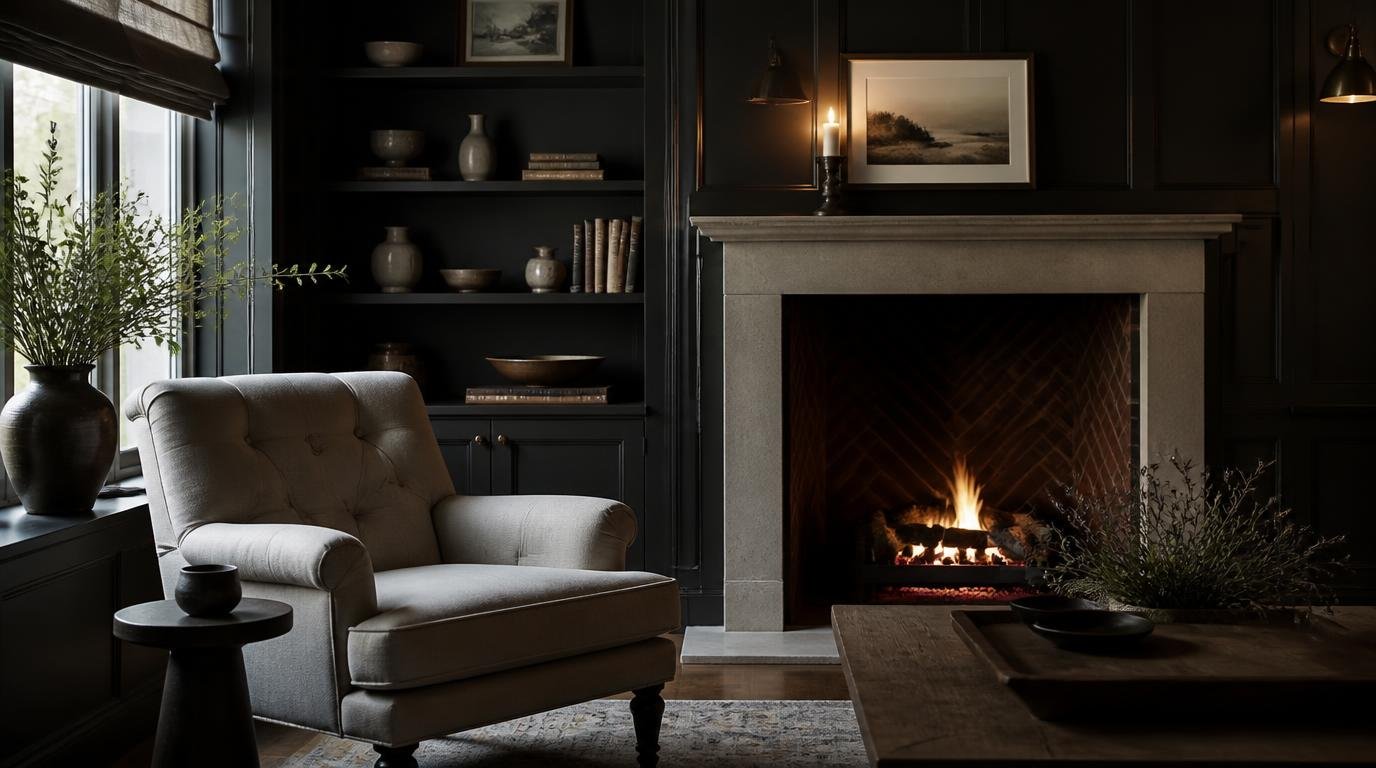
Moody interior design flips the usual advice to keep rooms bright and light. Instead, it uses deep, saturated color on purpose, creating a space that feels cocooning, dramatic, and genuinely restful once the sun goes down. Dark and Moody remains one of the most requested home interior design styles right now.
The Dark & Moody Formula
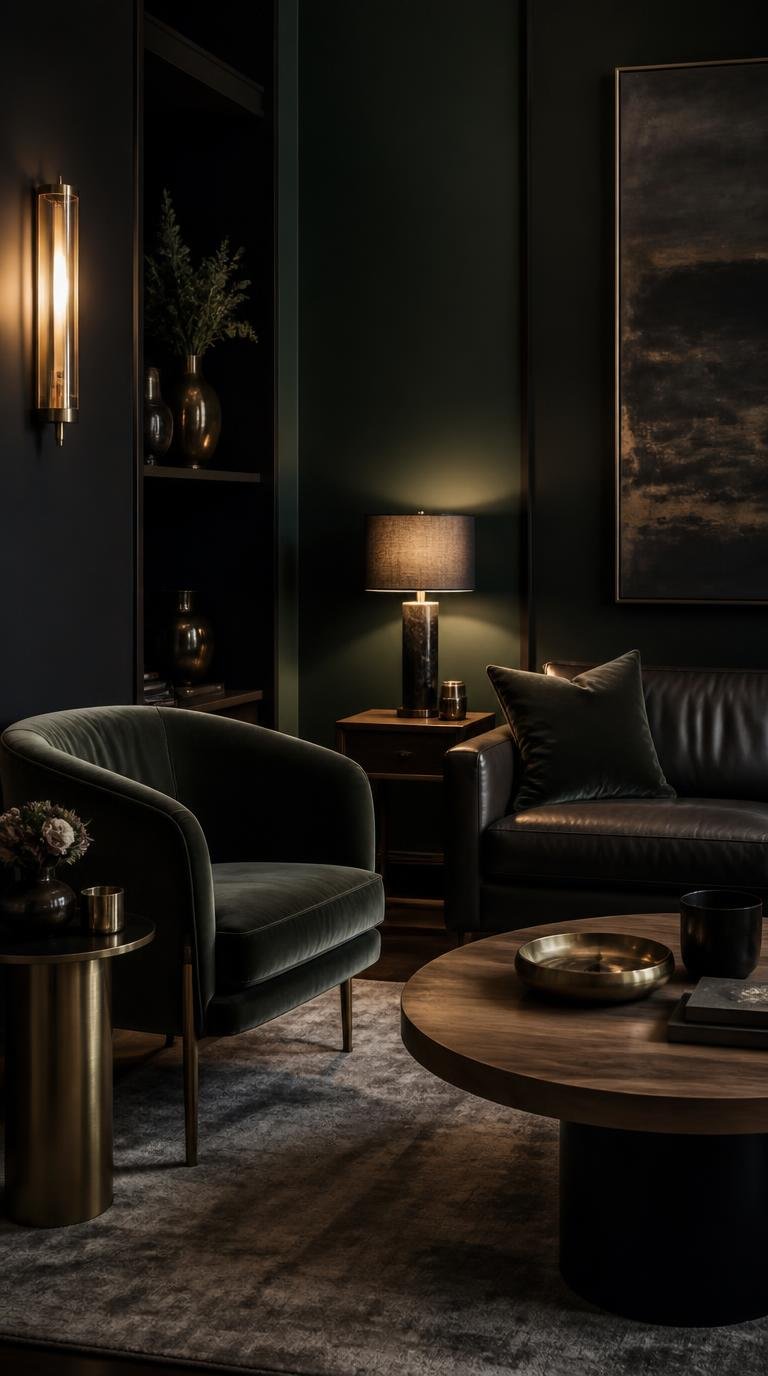
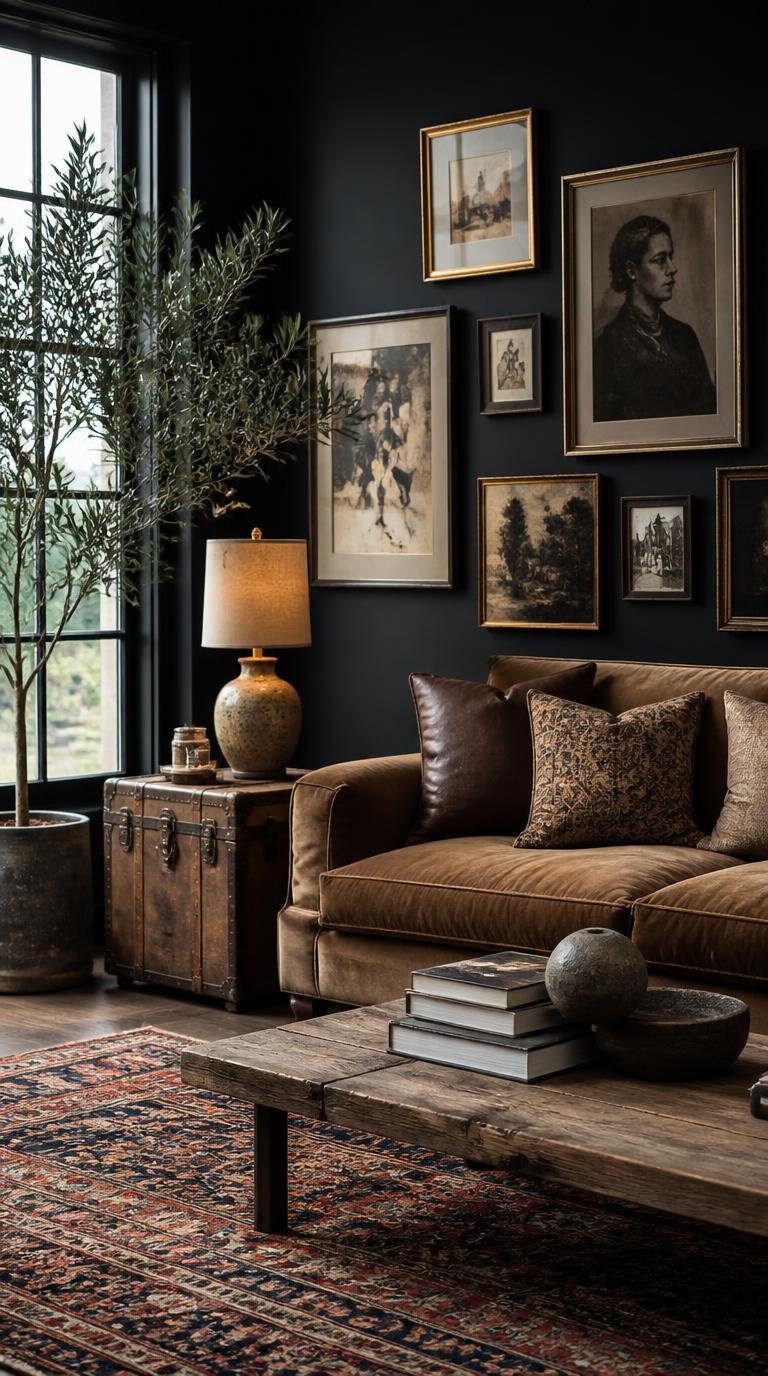
- Deep, saturated wall color: Ink black, charcoal, deep forest, or oxblood, often carried up onto the ceiling for full immersion.
- Warm metallic accents: Brass or aged gold hardware and lighting that catches the light instead of disappearing into the dark walls.
- Layered, low lighting: Table lamps and dimmable fixtures instead of a single overhead light, key to moody interior design done well.
- Rich, tactile textiles: Velvet, dark wood, and leather that add depth rather than pattern to the space, a texture-first approach common to moody interior decorating styles.
Hollywood Regency Interior Style
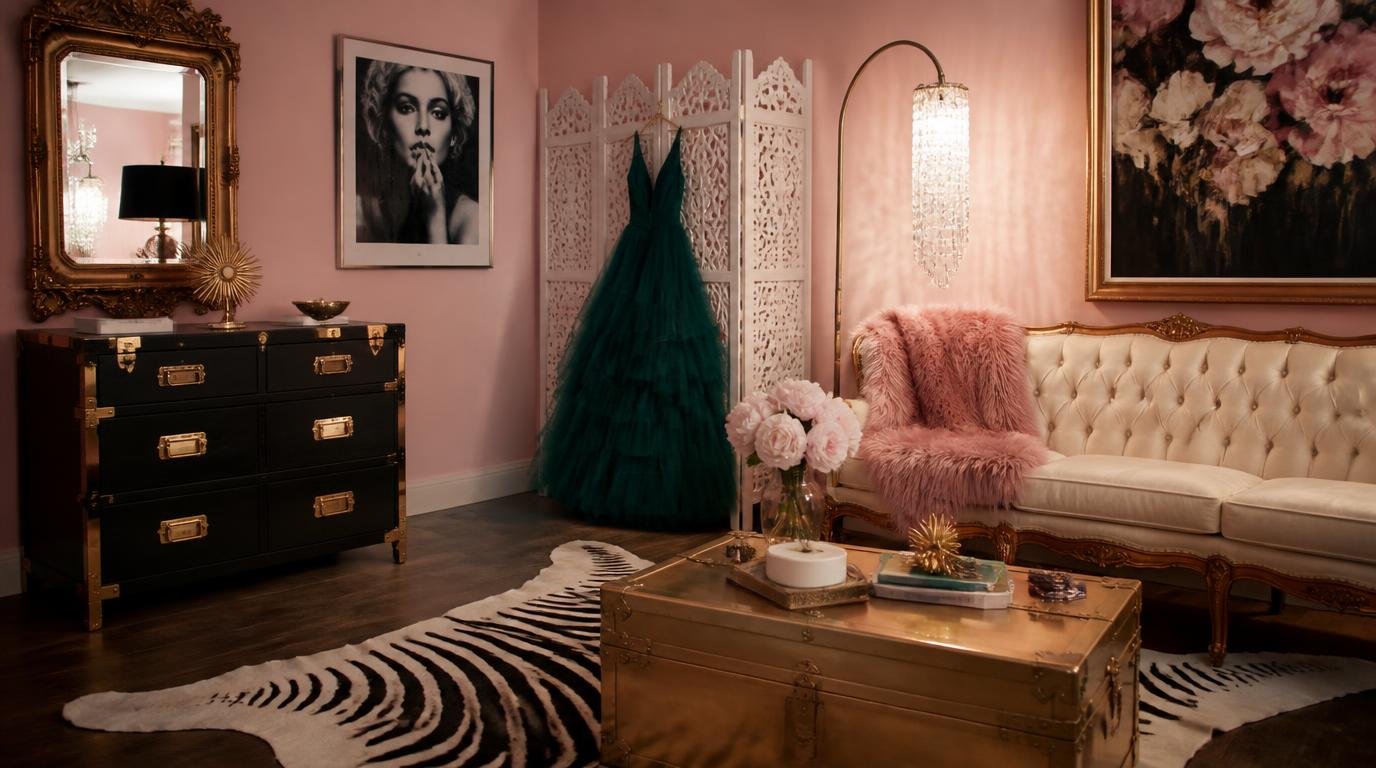
Hollywood Regency decorating style is glamour without apology. Born from 1930s Hollywood set design, it takes classic Regency elegance and turns the volume all the way up with mirrored surfaces, bold color, and a healthy dose of drama. Hollywood Regency proves that interior design styles don’t have to follow just one rulebook.
The Hollywood Regency Playbook
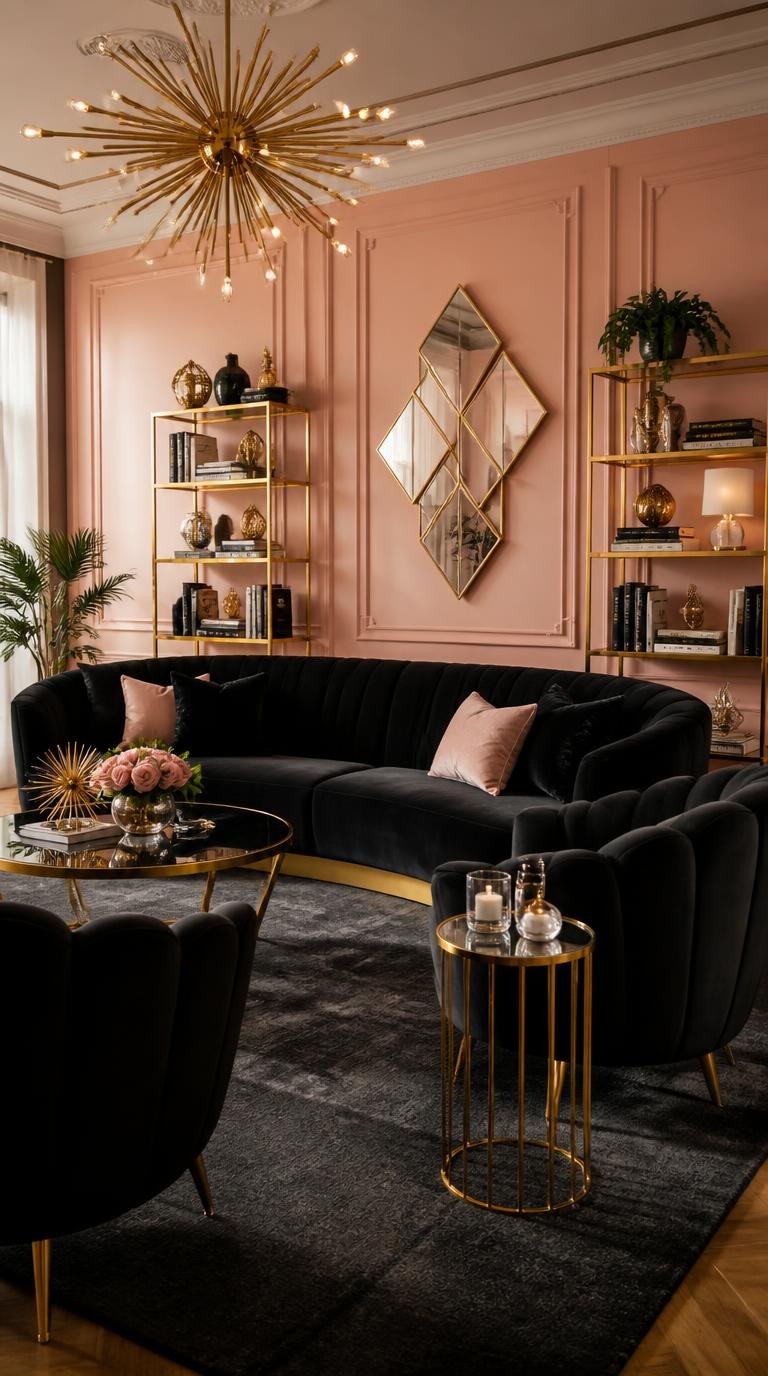
- High-shine surfaces: Mirrored furniture, lacquered finishes, and polished brass or chrome hardware define this Hollywood Regency design style.
- A bold, confident color: Emerald, sapphire, or blush lacquer walls paired with crisp white trim for contrast.
- Glamorous silhouettes: Curved sofas, tufted velvet, and furniture with a sculptural, almost theatrical shape.
- Statement lighting: An oversized crystal chandelier or a sculptural brass fixture as the room’s obvious focal point, a detail that instantly signals which interior design styles a room is borrowing from.
Biophilic Interior Style
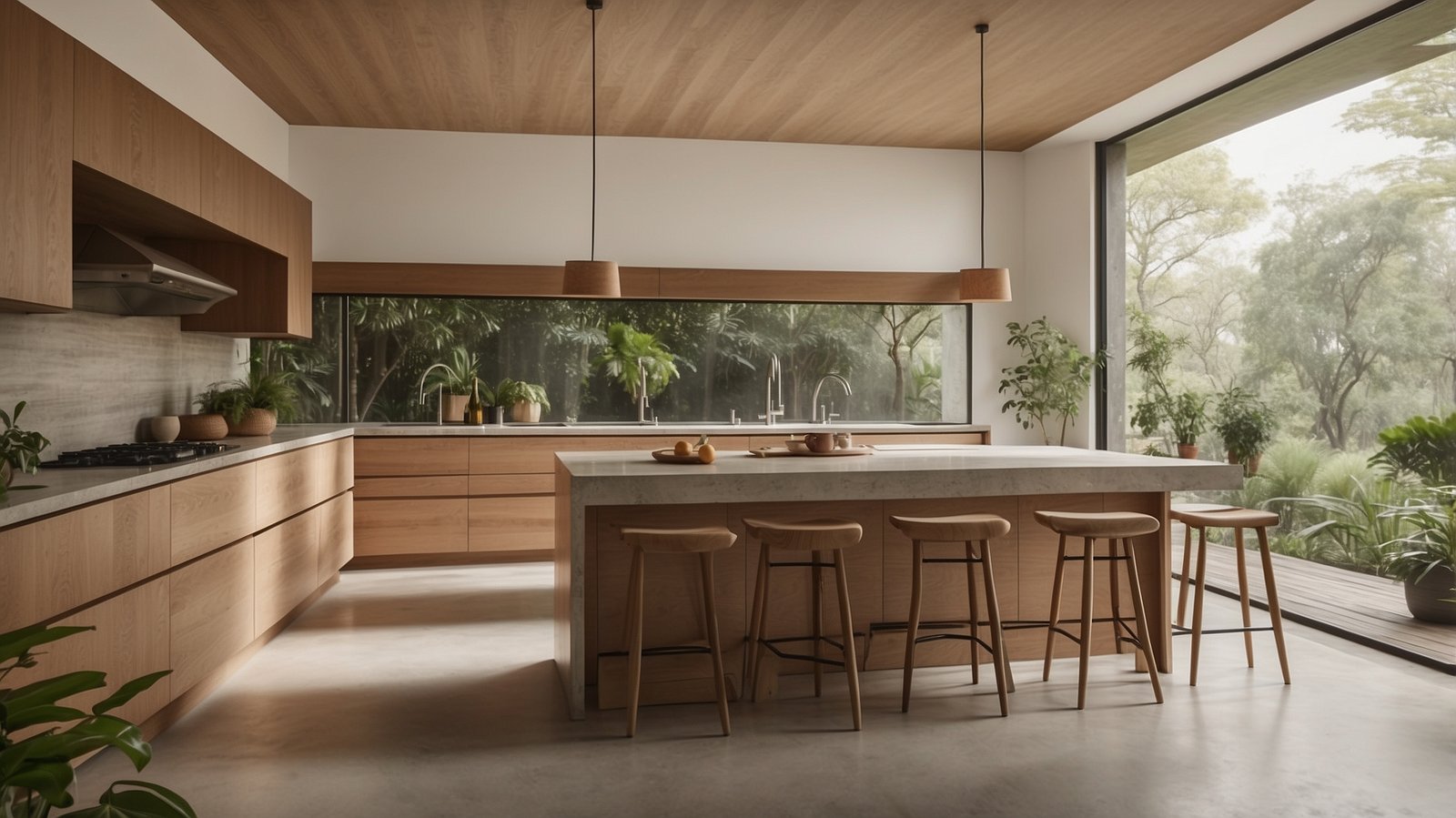
Biophilic interior design is built on a simple idea: humans feel better in spaces that connect them to nature, even indoors. It goes further than a few houseplants, weaving natural light, air, and materials into the actual architecture of a room. Of all the interior design styles covered here, Biophilic rewards commitment the most.
The Biophilic Design Principles
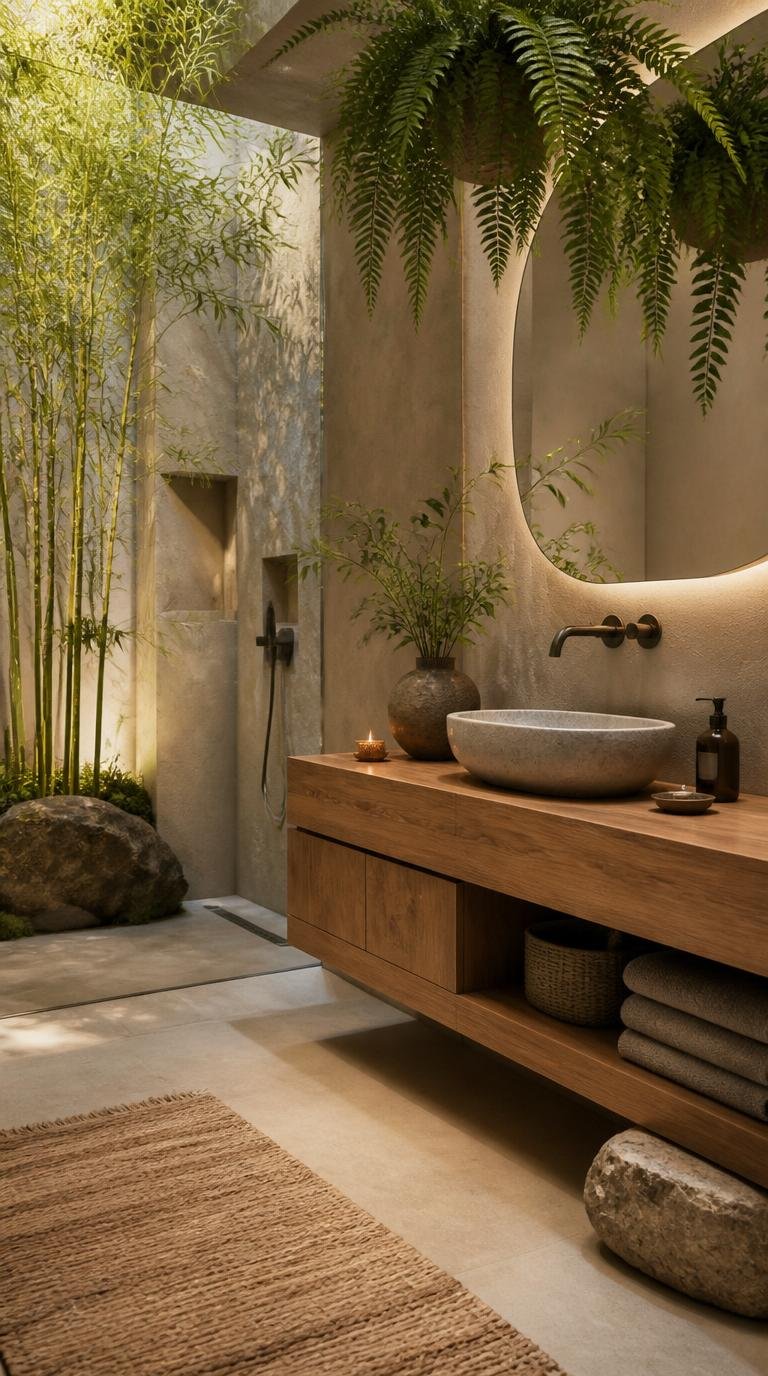
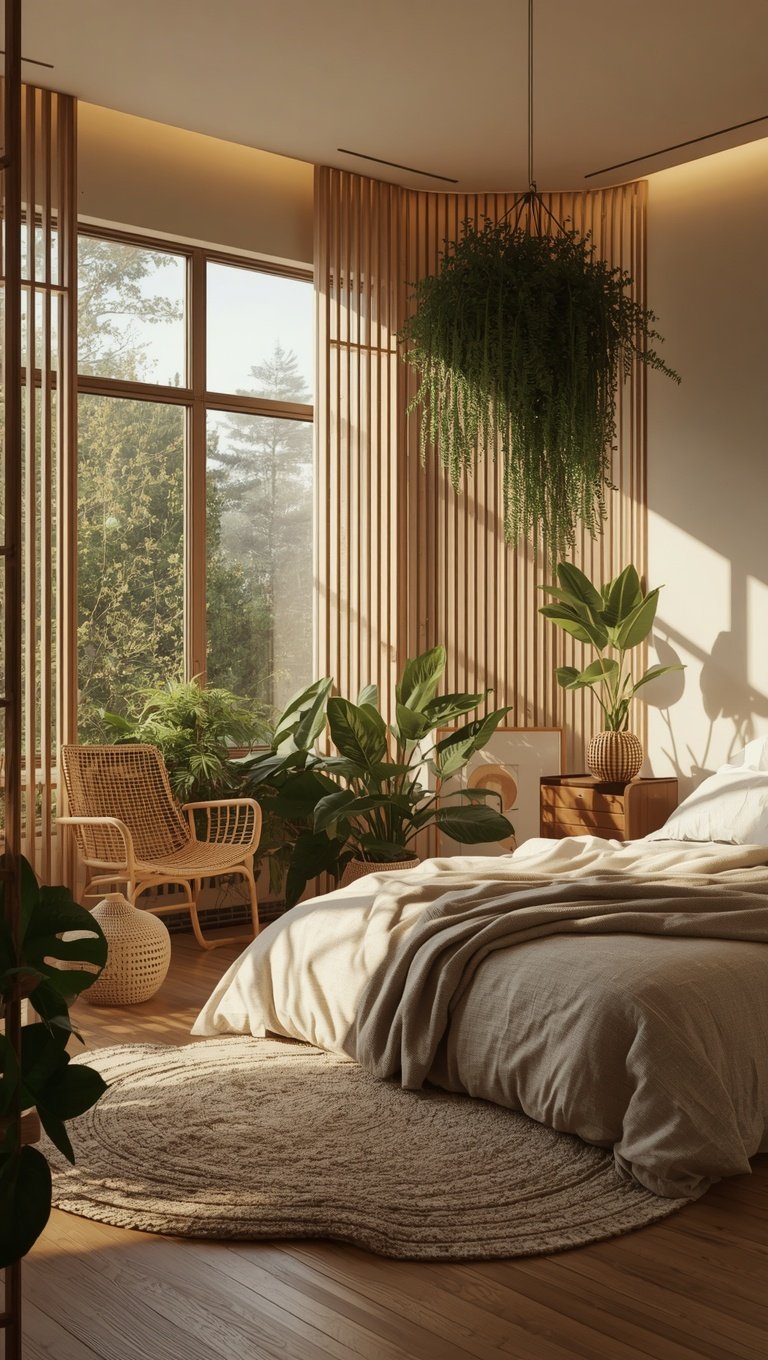
- Living greenery, integrated not decorative: Large plants, living walls, or a dedicated indoor garden bed rather than a single lonely pothos.
- Natural light maximized: Skylights, unobstructed windows, and layouts that follow the sun rather than fight it.
- Organic materials throughout: Raw wood, stone, water features, and natural fiber textiles that echo outdoor textures, core to biophilic design interior work and several other nature-forward interior design styles.
- Views and airflow prioritized: Sightlines to the outdoors and cross-ventilation treated as design features, not afterthoughts, which sets biophilic apart from most other interior design styles on this list.
How to Mix Interior Design Styles

Most of the rooms I personally love most are not purely one style. They are Japandi with a Wabi Sabi edge. Or Scandinavian with a few Boho textiles doing the emotional work. Or Organic Modern with a single Mid-Century Modern lamp that absolutely does not follow the rules but fits anyway.
According to Homes and Gardens, mixing design styles works best when the styles share at least one unifying element, whether that is a common color family, similar material choices, or a compatible level of formality.
Here are the combinations I find work especially well:
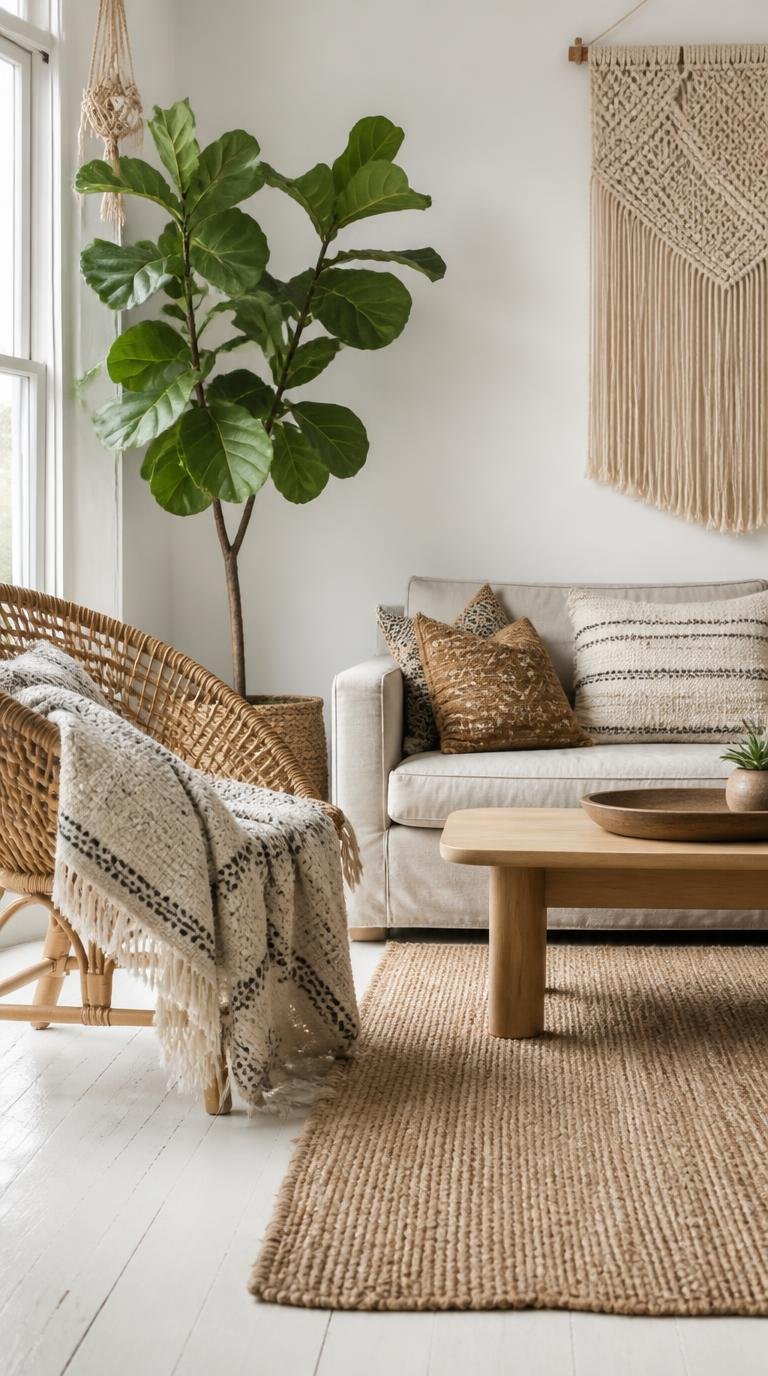
- Organic Modern plus Mediterranean: They share warm neutrals and natural texture, with Mediterranean’s sun-baked color and arched details layering in a little drama. The result is relaxed, textural, and full of character.
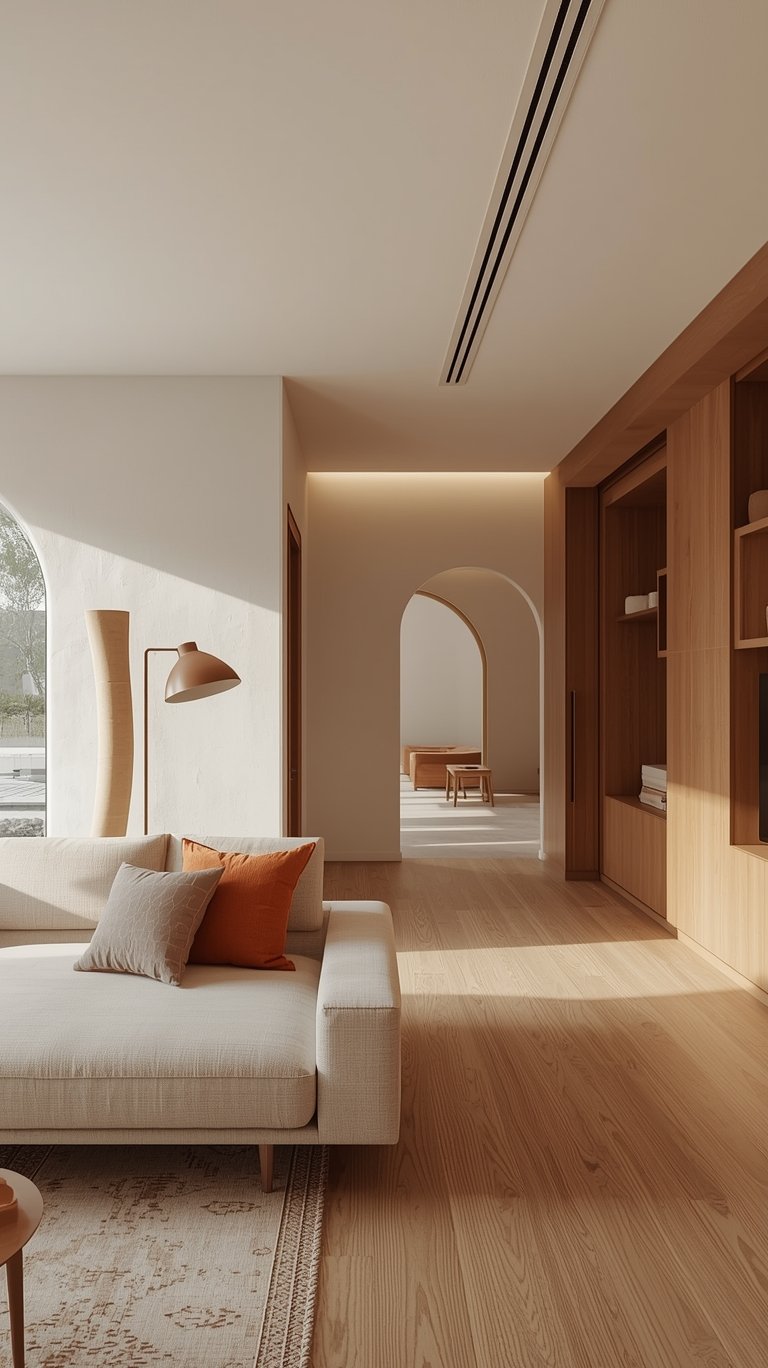
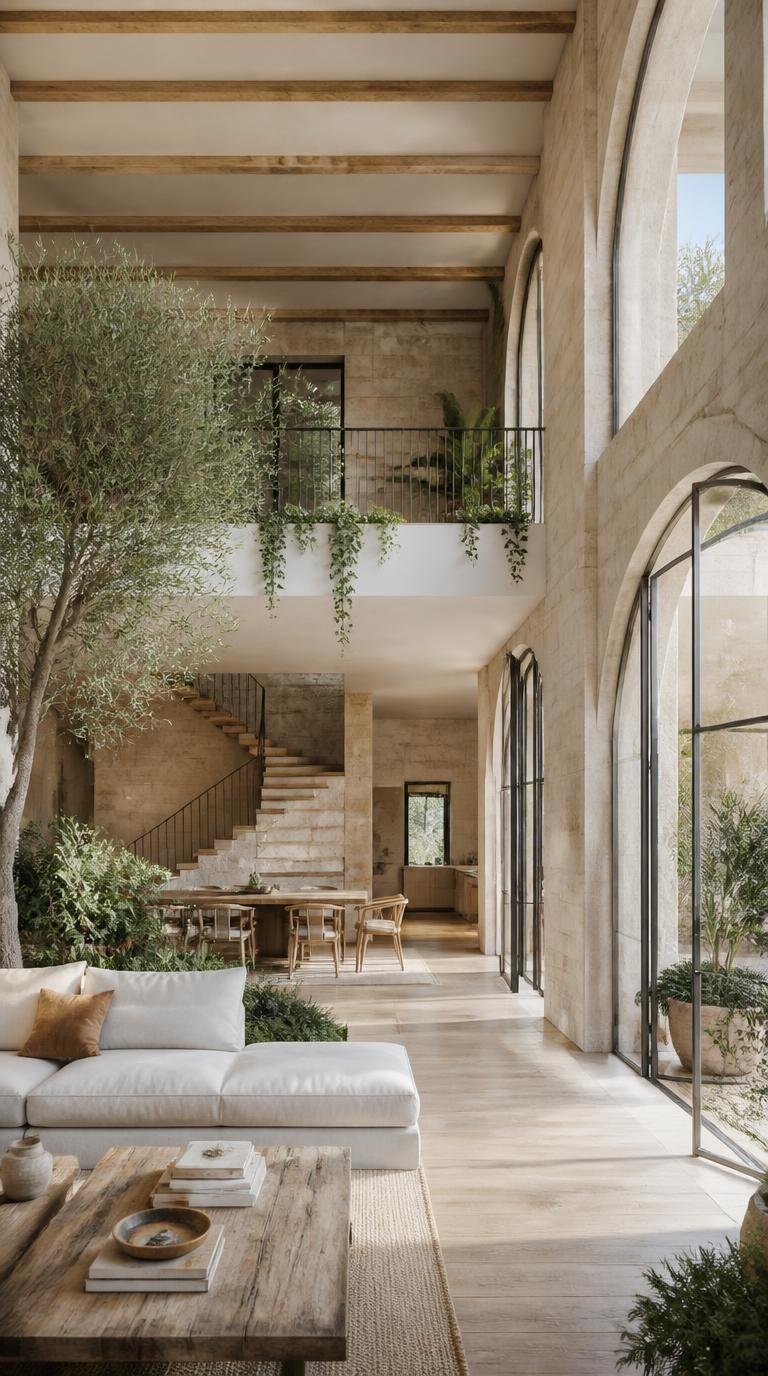
- Scandinavian plus Bohemian: Scandi gives you the clean base; Boho gives you the warmth and personality.
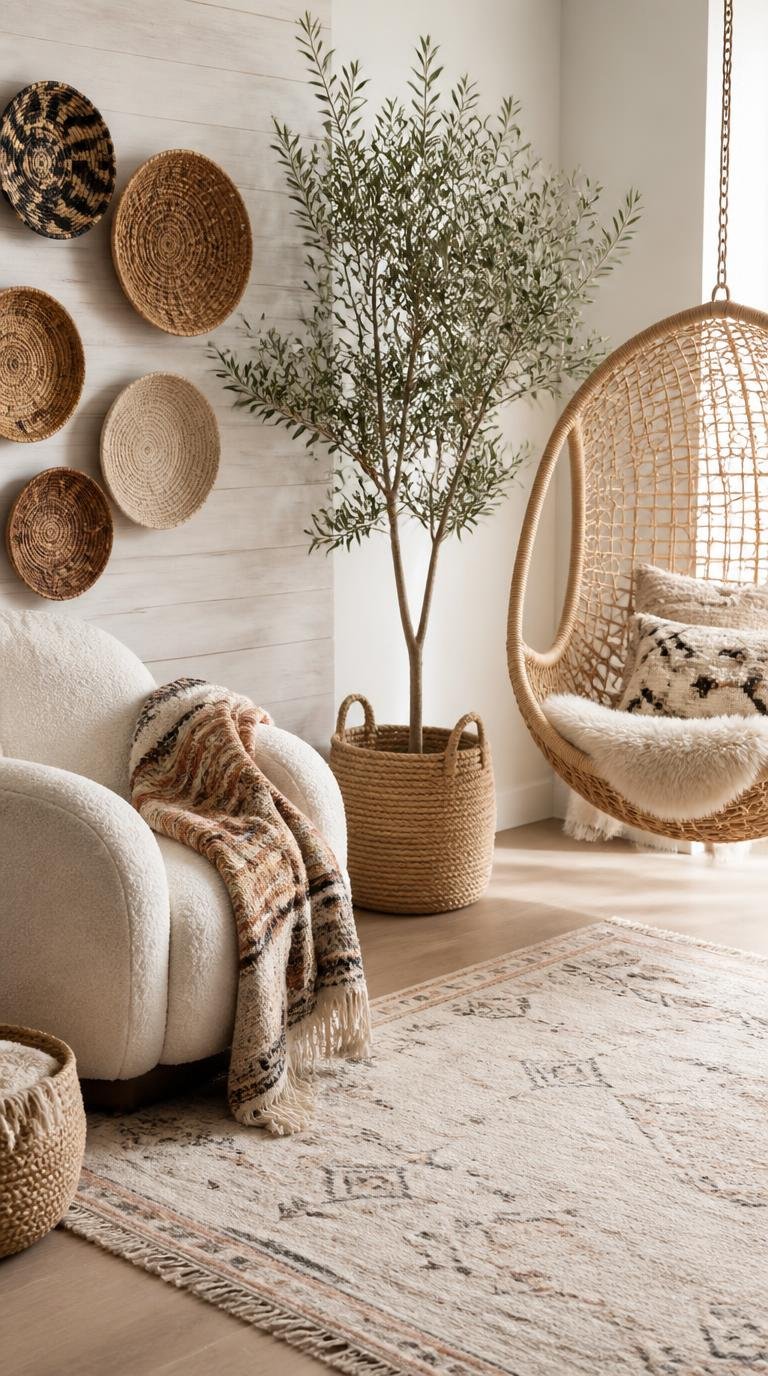
- Mid-Century Modern plus Contemporary: Timeless MCM furniture in a clean, current setting. Effortlessly stylish.
- Farmhouse plus Cottagecore: Both are rooted in natural materials and pastoral warmth. They speak the same language.
Top Tip: Pick one unifying material and let it run through the whole home. In my own house, that material is linen. It shows up in the bedroom, the living room, the kitchen, and even the bathroom. It is the thread that makes different rooms feel like they belong to the same family, even when the styles shift slightly from room to room.
FAQ
What is the most popular interior design style in 2026?
Japandi, Organic Modern, and Coastal Modern consistently top searches and saves right now. All three prioritize natural materials, warm neutral palettes, and a sense of calm that people are actively seeking in their homes. Cottagecore also remains strong, especially among younger homeowners leaning into slow living aesthetics. Together, they represent some of the most popular interior design styles of the moment.
What is the difference between Japandi and Scandinavian interior design?
Both styles value simplicity, natural materials, and restrained color palettes. But Scandinavian design prioritizes warmth and coziness, with an emphasis on comfort and softness. Japandi leans quieter and more intentional, incorporating Japanese concepts like wabi sabi and ma (the use of empty space) to create a deeper, more meditative calm. Scandinavian feels like a warm hug; Japandi feels like a long, slow exhale.
How do I figure out which interior design style suits my personality?
Start with how you want to feel when you come home, not what you want your home to look like. If you want calm and peaceful, look at Japandi, Wabi Sabi, or Minimalist. If you want warm and cozy, try Scandinavian, Farmhouse, or Cottagecore. If you want expressive and layered, explore Boho or Maximalist. If you want dramatic and beautiful, Gothic, Victorian, or Art Deco are worth a closer look. Your lifestyle, your family, and your daily routines all matter as much as your taste when narrowing down home interior design styles.
Can I mix more than two interior design styles in my home?
Yes, and most homes actually blend three or more interior design styles without anyone noticing, because they share enough common ground. The key is choosing a unifying element that runs through everything: a material, a color family, or a consistent level of formality. Without that thread, rooms start to feel disconnected rather than intentionally layered.
Is Bauhaus the same as Minimalist design?
They share a love of clean lines and functional design, but they come from very different places. Bauhaus is a specific design movement with a philosophy rooted in the unity of art and craft, and it is comfortable with primary colors, industrial materials, and geometric boldness that Minimalism tends to avoid. Minimalism is about reducing to nothing unnecessary. Bauhaus is about designing everything with purpose. The result can look similar but the thinking behind it is different, which is part of what makes comparing these two interior design styles so interesting.
What is the easiest interior design style to start with for beginners?
Scandinavian is probably the most beginner-friendly of all the interior design styles here because the palette is simple (white, gray, wood), the furniture is widely available at multiple price points, and the style rewards adding warmth gradually with textiles and plants. Coastal is another great starting point because it is forgiving, light, and easy to shop for. Both styles also blend beautifully with other aesthetics as your confidence grows.
What makes Organic Modern different from regular contemporary design?
Contemporary design tends to be cooler, more graphic, and more comfortable with hard, smooth materials like glass and concrete. Organic Modern takes the clean sensibility of contemporary spaces and layers in warmth through natural textures (linen, rattan, jute), curved forms, earthy tones, and a strong biophilic connection to plants and natural light. Contemporary can feel corporate. Organic Modern always feels livable, which is why comparing these two interior design styles side by side is so useful.
How do I know if my home’s architecture suits a specific interior design style?
Architecture gives you hints but rarely hard rules. An open-plan loft naturally suits Industrial or Contemporary design. A low-roofline bungalow pairs beautifully with Mid-Century Modern. A Victorian row house has bones that suit Traditional or French style. But with the right approach, almost any style can work in almost any space. The key is deciding whether you want to work with your architecture or create a deliberate contrast to it, and it is one of the more interesting questions in exploring different interior design styles. Both strategies can produce stunning results.
The Bottom Line
After years of designing spaces and testing nearly every one of these interior design styles myself, here is what I know for certain: the best-designed homes are the ones that feel like the people who live in them. Not like a magazine. Not like a showroom. Not like a style guide. Like you.
Whether you are drawn to the quiet restraint of Japandi, the romantic layers of Cottagecore, or the architectural boldness of Bauhaus, your style is valid and beautiful, and it is just one of many home interior design styles worth exploring. Start with one room. Try one material. Introduce one color. And let the space evolve with you rather than trying to get it perfect all at once.
I would love to know which of these interior design styles resonated most with you! Share your home on Instagram or Pinterest and tag me. Seeing the spaces you create is honestly one of my favorite parts of doing this work.

ABOUT the AUTHOR
TOKI; INTERIOR DESIGN & lifestyle CONTENT CREATOR.
Hey there! I’m Toki—the design-obsessed brain behind Dwell Studio 24. I’m a content creator passionate about interior design, photography, and creativity, living in a 77-year-old house with my husband and our awesome three kids. I write about interior design, furniture, home topics, and my lifestyle, including travel, recipes, skincare, and daily routines. I hope to inspire your next project and lifestyle!
ABOUT the AUTHOR
TOKI; INTERIOR DESIGN & lifestyle CONTENT CREATOR.
Hey there! I’m Toki—the design-obsessed brain behind Dwell Studio 24. I’m a content creator passionate about interior design, photography, and creativity, living in a 77-year-old house with my husband and our awesome three kids. I write about interior design, furniture, home topics, and my lifestyle, including travel, recipes, skincare, and daily routines. I hope to inspire your next project and lifestyle!
ABOUT the AUTHOR
TOKI; INTERIOR DESIGN & lifestyle CONTENT CREATOR.
Hey there! I’m Toki—the design-obsessed brain behind Dwell Studio 24. I write about interior design, furniture, home topics, and my lifestyle, including travel, recipes, skincare, and daily routines. I hope to inspire your next project and lifestyle!