Japandi Family Room Design Tips for Calm Togetherness: Living room and Playroom Combo
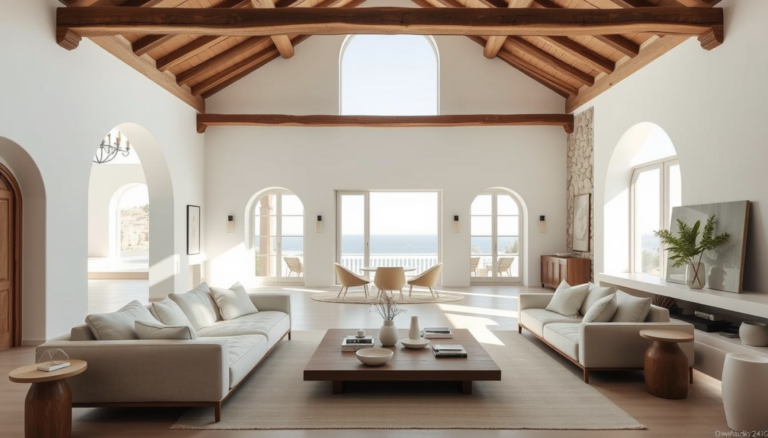
Trying to turn your noisy living space into a calm, cozy retreat? This Japandi Family room design guide shows simple ways to blend Japanese minimalism with Scandinavian warmth so your living room and playroom combo becomes a peaceful spot for connection and everyday life. Whether you’re tackling clutter or just want a more mindful shared space, these ideas make it easy to create balance without sacrificing comfort.
Key Takeaways
- Combine wood and muted colors for grounding energy.
- Layer plants like snake plants to purify air and soothe minds.
- Choose low-profile furniture for open, airy layouts.
- Use candles or essential oils to deepen relaxation.
- Balance function with beauty through multi-use storage.
What Are Japandi Family Zones?
I found Japandi interior design to be a mix of Scandinavian minimalism and Japanese calm. It uses natural materials like oak and linen. This blend creates spaces where family life and beauty meet.
Defining Japandi Design Principles
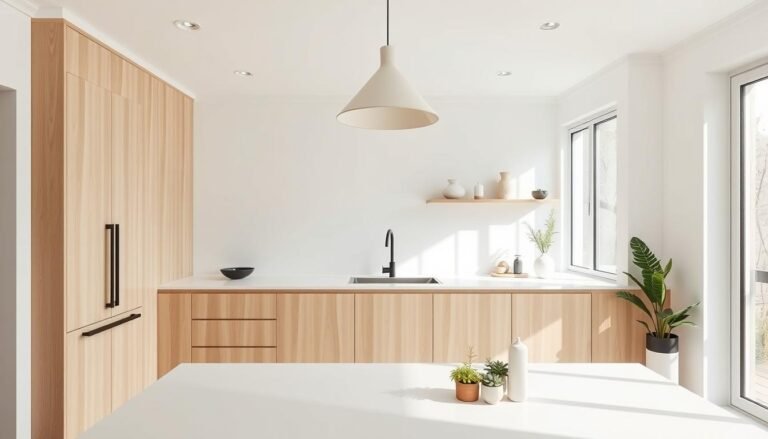
Japandi design is all about simplicity and warmth. Brands like Norm Architects use oak and metal in kitchens. Karimoku’s dining sets mix function with Japanese beauty.
The 60-30-10 color rule keeps things cohesive. Neutral colors are the base, with warm wood or soft textiles adding flair. This shows how Japandi values imperfections, like in ceramics or wood grains.
The Importance of Family Room Design
Family zones are more than just rooms. They’re places for play and rest. A living area with light wood floors and linen becomes a spot for homework and game nights.
Using limewash paint for more light or modular storage for toys makes these zones flexible. Every detail, from handmade ceramics to multi-functional furniture, supports mindful living. Japandi is a way of life for modern families looking for balance.
Creating Cozy Living Spaces

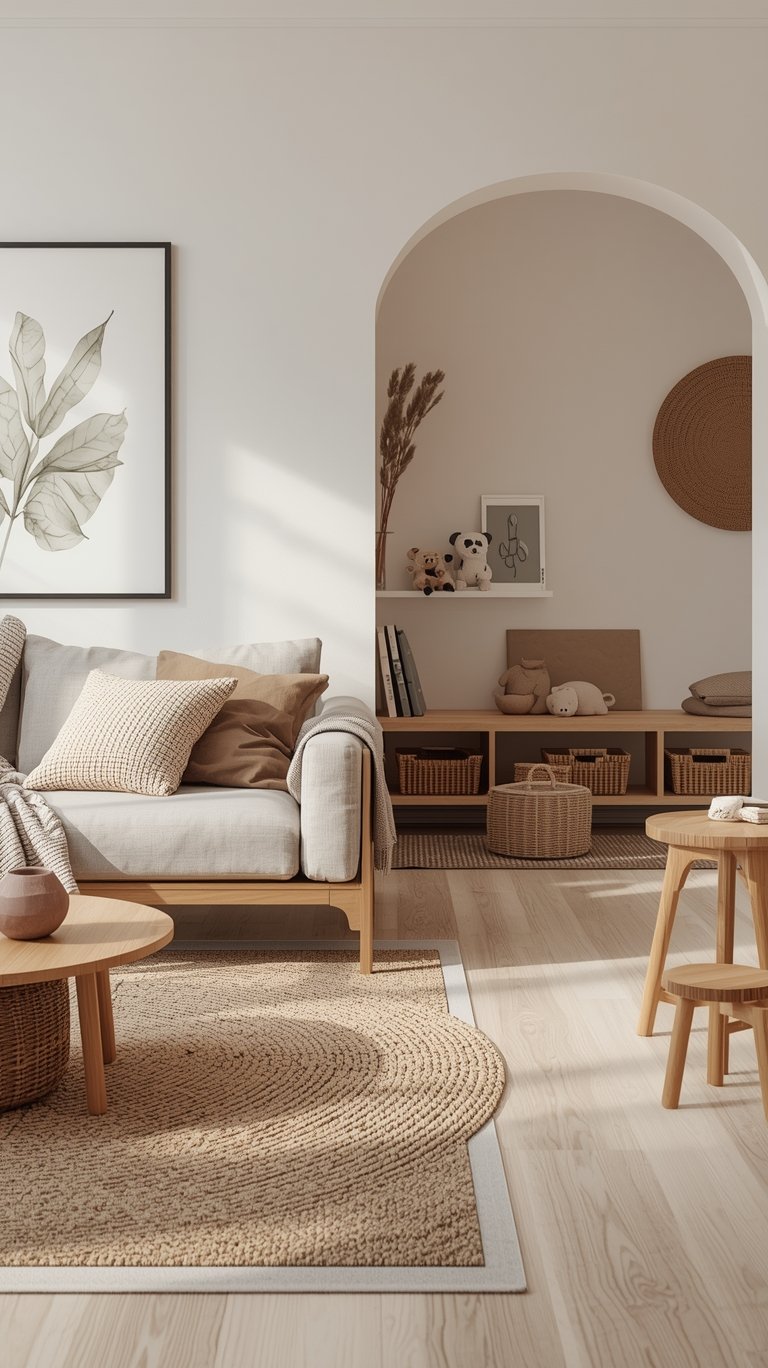
Make your living area a cozy spot for family bonding and peace. Hygge-inspired interiors work well with Japandi’s mix of function and nature. Choose stylish, minimalist furniture that looks good and works well.
Selecting Furniture for Comfort and Function
Look for furniture like the Mariko Round End Table. It’s made from birch and ash with rattan details. It mixes Scandinavian style with Japanese textures and has hidden storage.
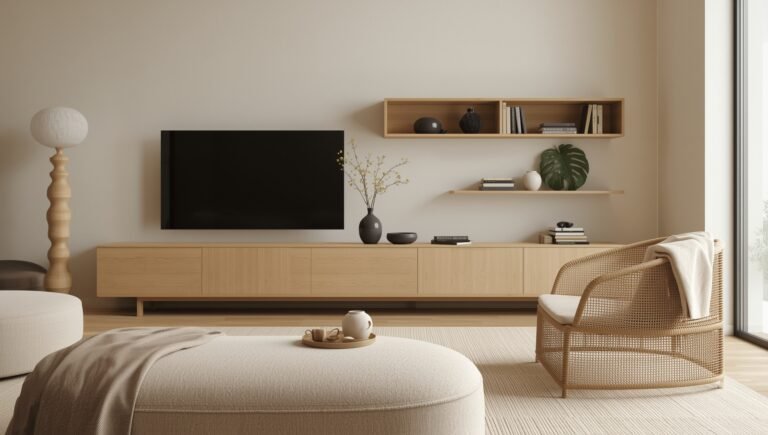
Choose low-profile sofas with built-in storage for toys or blankets. They should have sleek lines and soft fabrics for comfort all day. Even small spaces can use modular systems that grow with your needs.
Incorporating Nature into Your Living Area
Bring the outdoors in with potted plants on minimalist shelves. Bamboo blinds or woven baskets add texture without making it messy. Use stone accents like a river rock tray or bamboo side table to ground the space.
Even city homes can feel cozy. Pair a potted fiddle-leaf fig with a smooth ceramic planter for warmth. Let natural light fill the room, creating a calm atmosphere.
Integrating Work and Play Areas
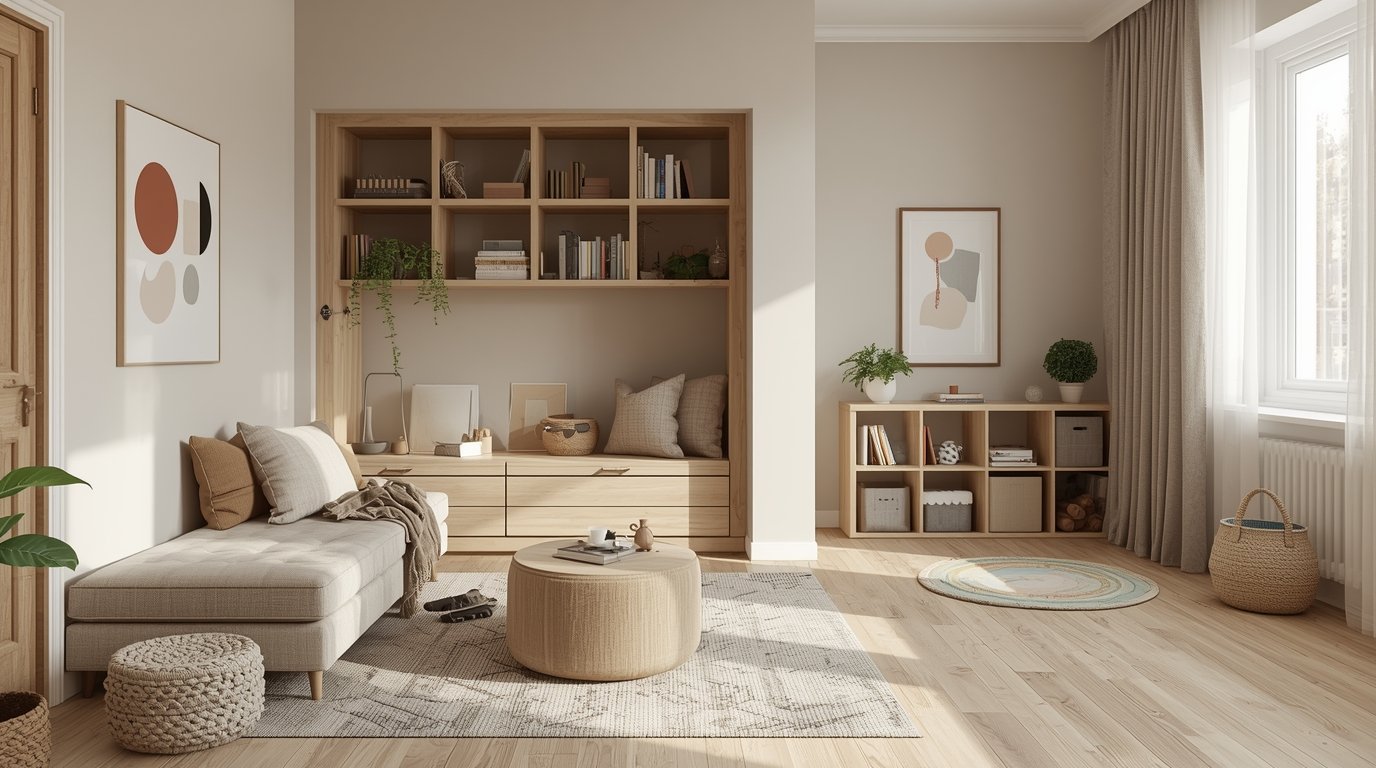
Creating spaces for both work and play needs careful planning. Japandi Family Room Design mix simple looks with useful areas. They use soft grays and warm wood for a calm feel.
Low desks and wool throws make the space cozy. This setup keeps things tidy and comfy.
Setting Up a Study Nook for Productivity
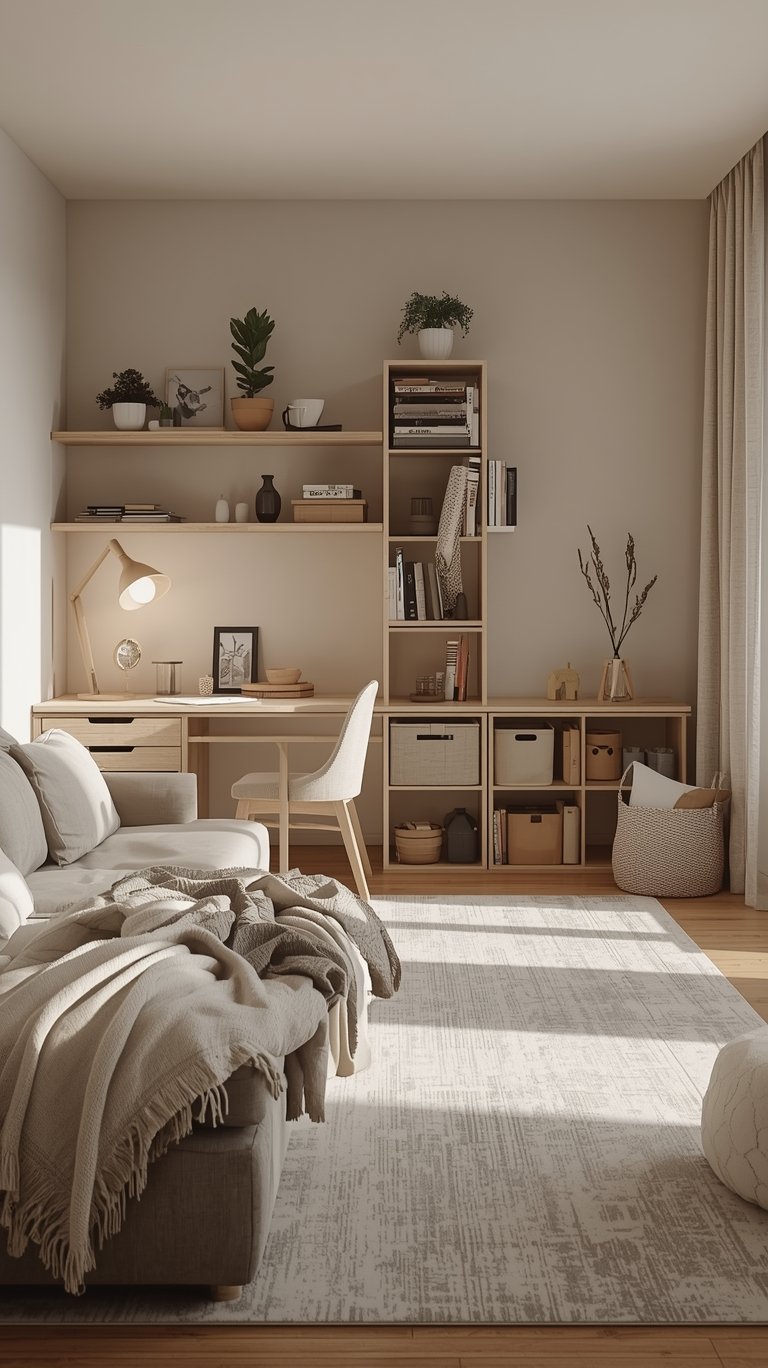
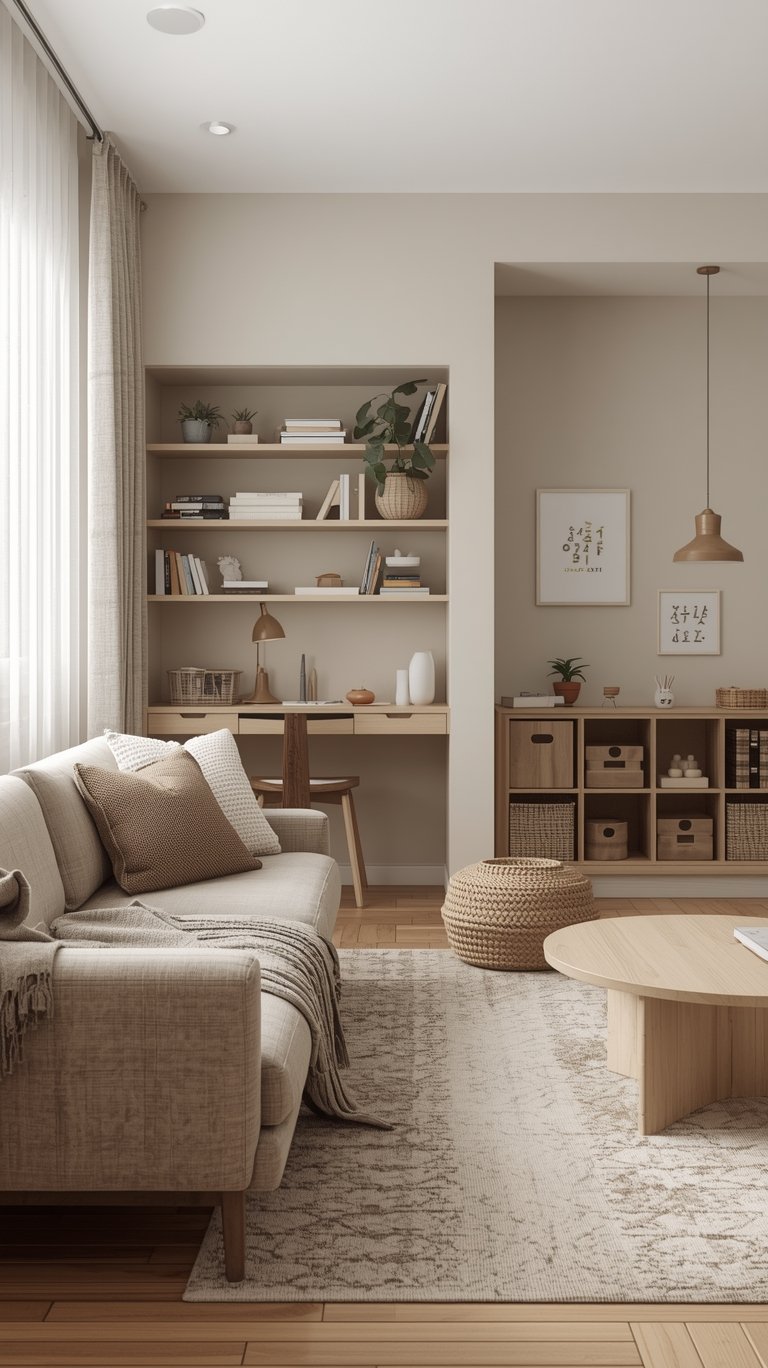
A study area should be simple. Pick a desk with hidden storage for neatness. A neutral rug with a subtle pattern marks the area.
Natural wood shelves for books and plants add charm. A small pendant light provides just the right amount of light. A minimalist chair supports your back while looking good.
Crafting Play Zones That Promote Creativity
Living spaces for families need easy storage. Use cube containers in soft colors for toys. A rainbow rug brings fun color to the area.
Change toys every week to keep things exciting. Keep favorites out and store others away. A low bookshelf with bins makes it easy for kids to find what they need. Soft linen curtains add a calming touch to the space.
Mindful Organization Techniques
Japandi interior design believes in organized spaces for calm minds. I start by choosing items that are both beautiful and useful. This approach turns rooms into places where every item has a purpose.

Decluttering is more than just cleaning. It’s about picking items that make you happy or are useful every day.
Minimalism: Keeping Only What You Need
Picture a living room with only items you love or need. Japandi design is about letting go of too much. But, it’s okay to keep family memories.
Display heirlooms in a special way or store kids’ art in baskets. The goal is to find balance. Keep what’s important without cluttering the space.


Storage Solutions That Enhance Serenity
Functional family zones need hidden storage. Use floating shelves and built-in cabinets to keep things tidy. They keep the room feeling open and airy.
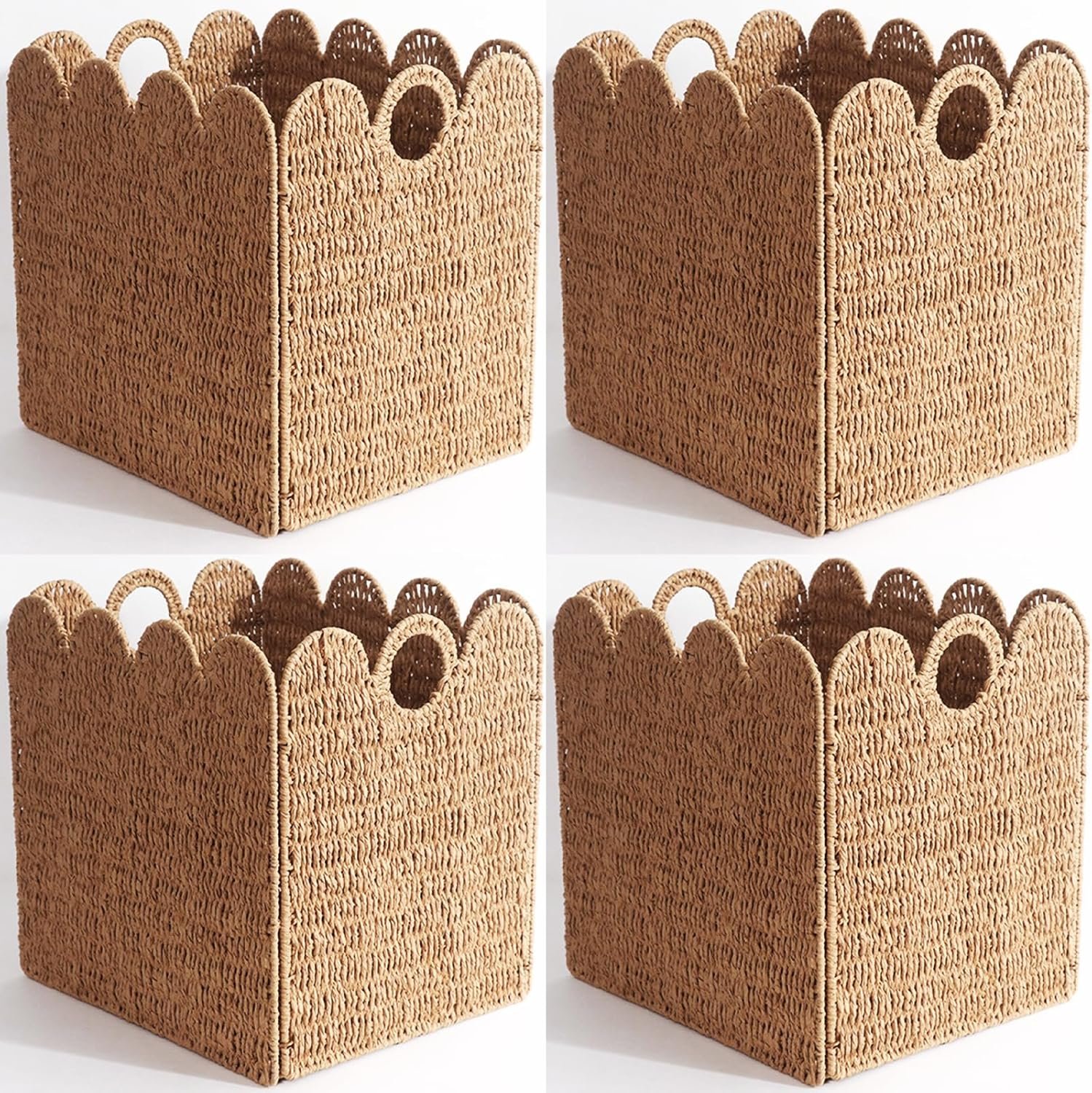
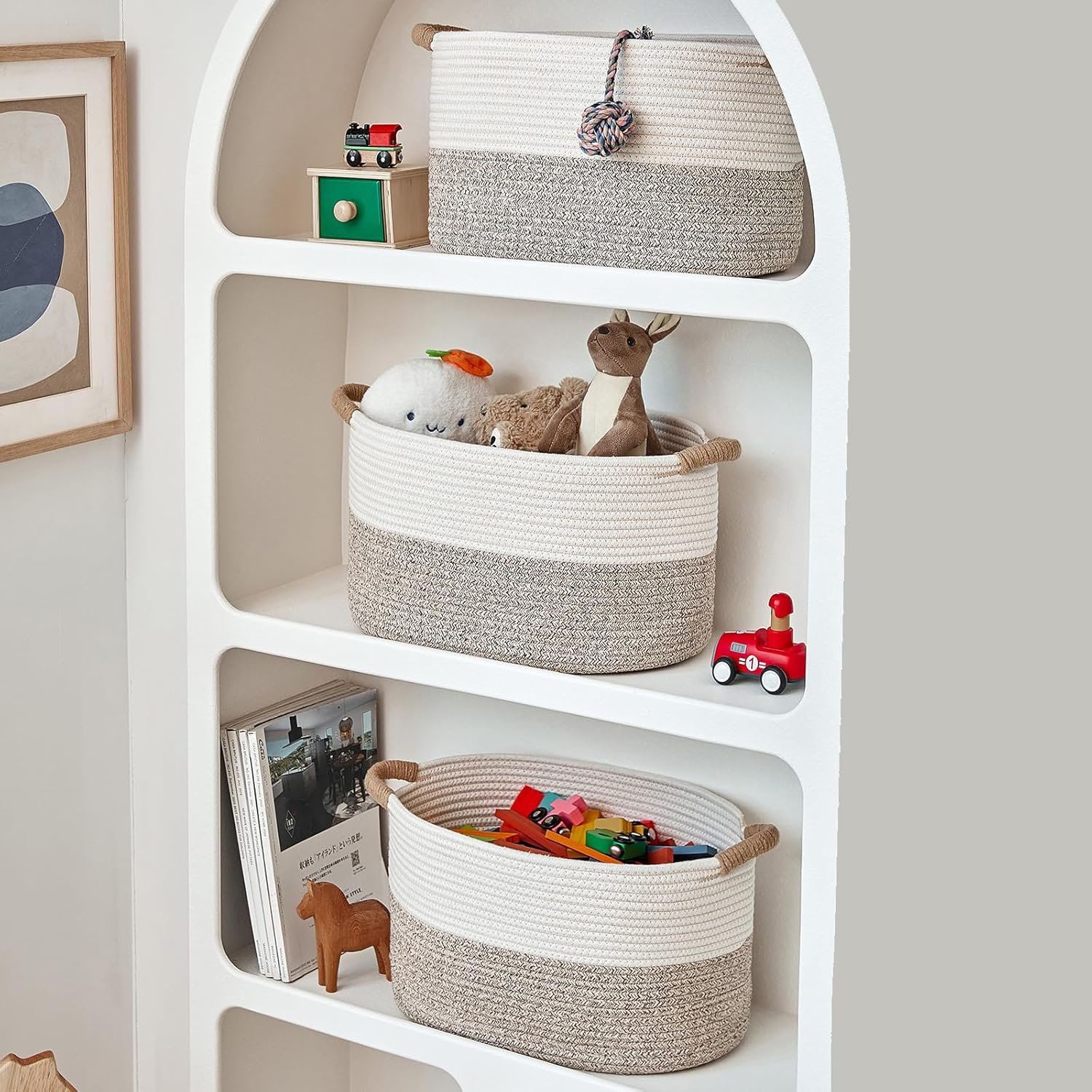
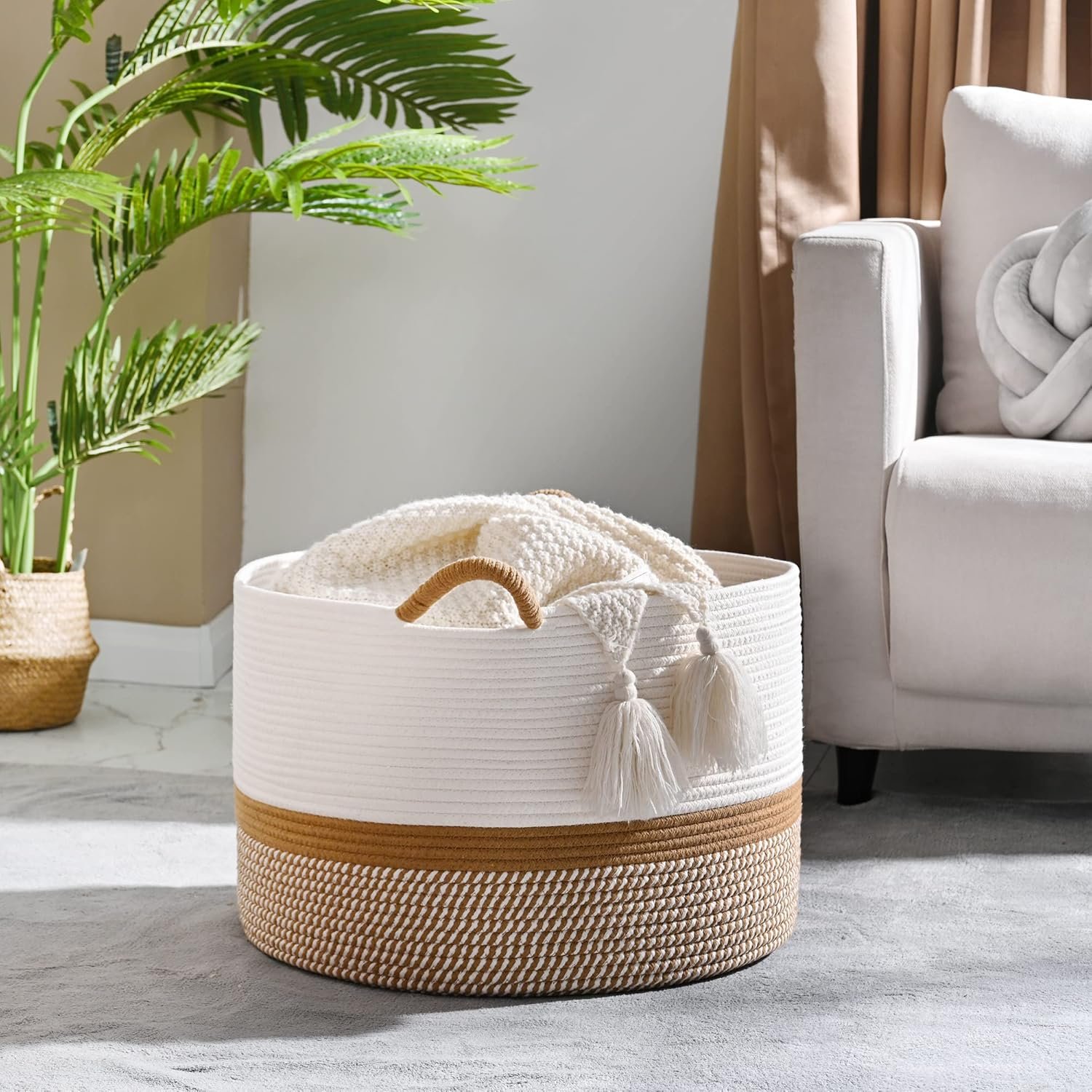
Woven baskets or linen boxes add texture without being too busy. Sliding doors in wardrobes or under-stair areas save space. Even small touches, like open shelving, help keep things running smoothly.
The Role of Color in Japandi Design


Colors in Japandi design set the mood of family spaces. They mix the calm elegance of Japanese design with the cozy feel of Scandinavian style. This mix creates a space that is both peaceful and lively.
Choosing a Color Palette That Soothes
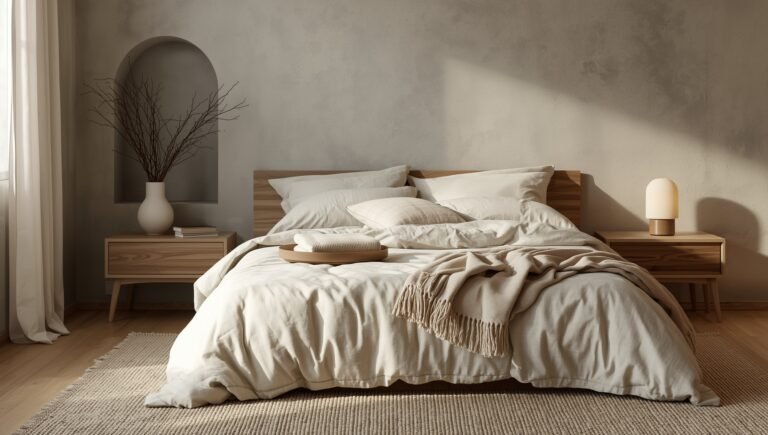
Neutral colors are key in Japandi spaces. Soft whites, muted grays, and earthy beiges are the base. These colors bring simplicity from Japan and coziness from Scandinavia.
Adding natural textures like woven rugs or oak floors adds depth. A room painted in misty blue or warm cream becomes a calm place for daily life.
Using Accent Colors to Spark Joy
Accent colors add life without losing calm. Think of muted greens or warm browns in textiles or decor. A slate-blue throw pillow or a walnut-toned side table adds interest.
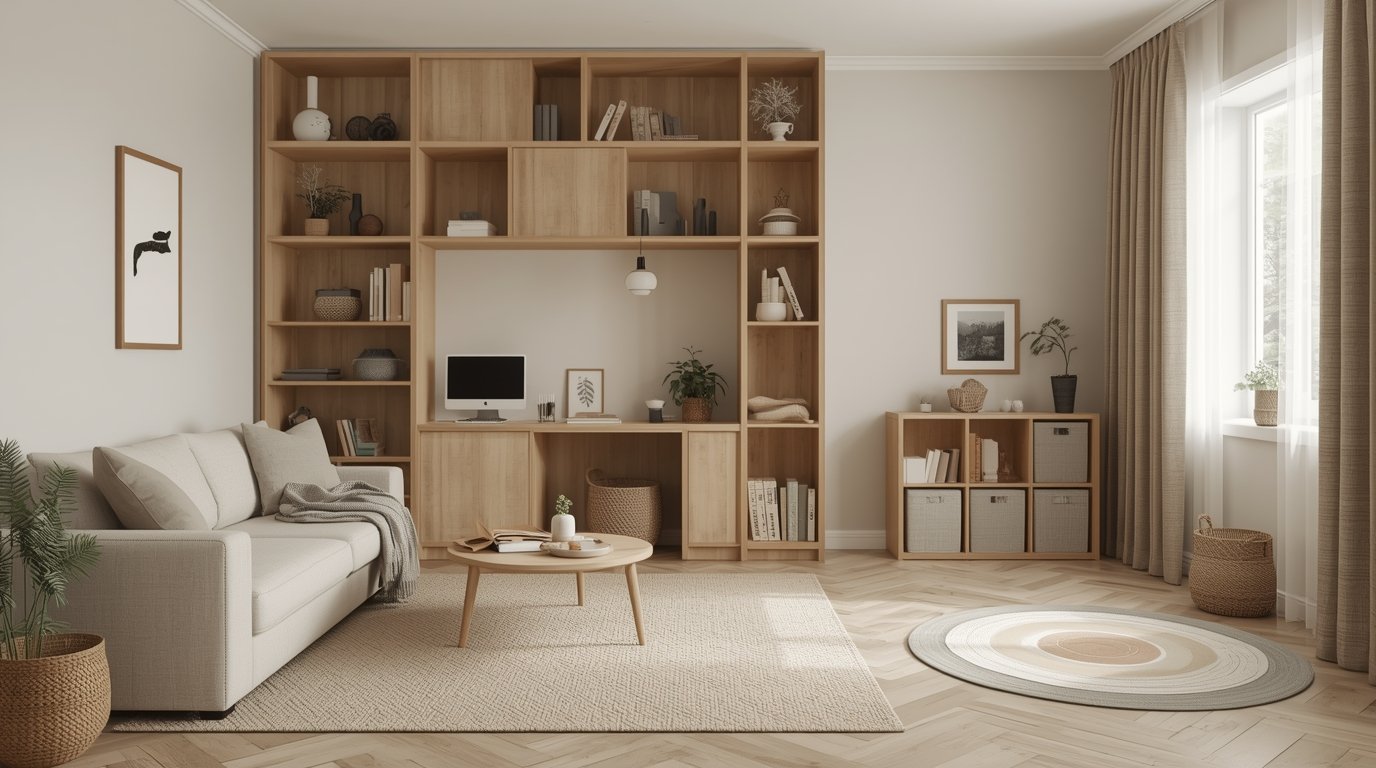
These choices follow Japandi’s idea of mindful design. Every color has a purpose in creating connection.
Let nature inspire your colors. A living area with pale gray walls, a charcoal accent shelf, and a handwoven ivory rug shows the blend of calm and warmth. Each color should support family moments, making spaces into havens of balance.
Soft Textures and Natural Materials
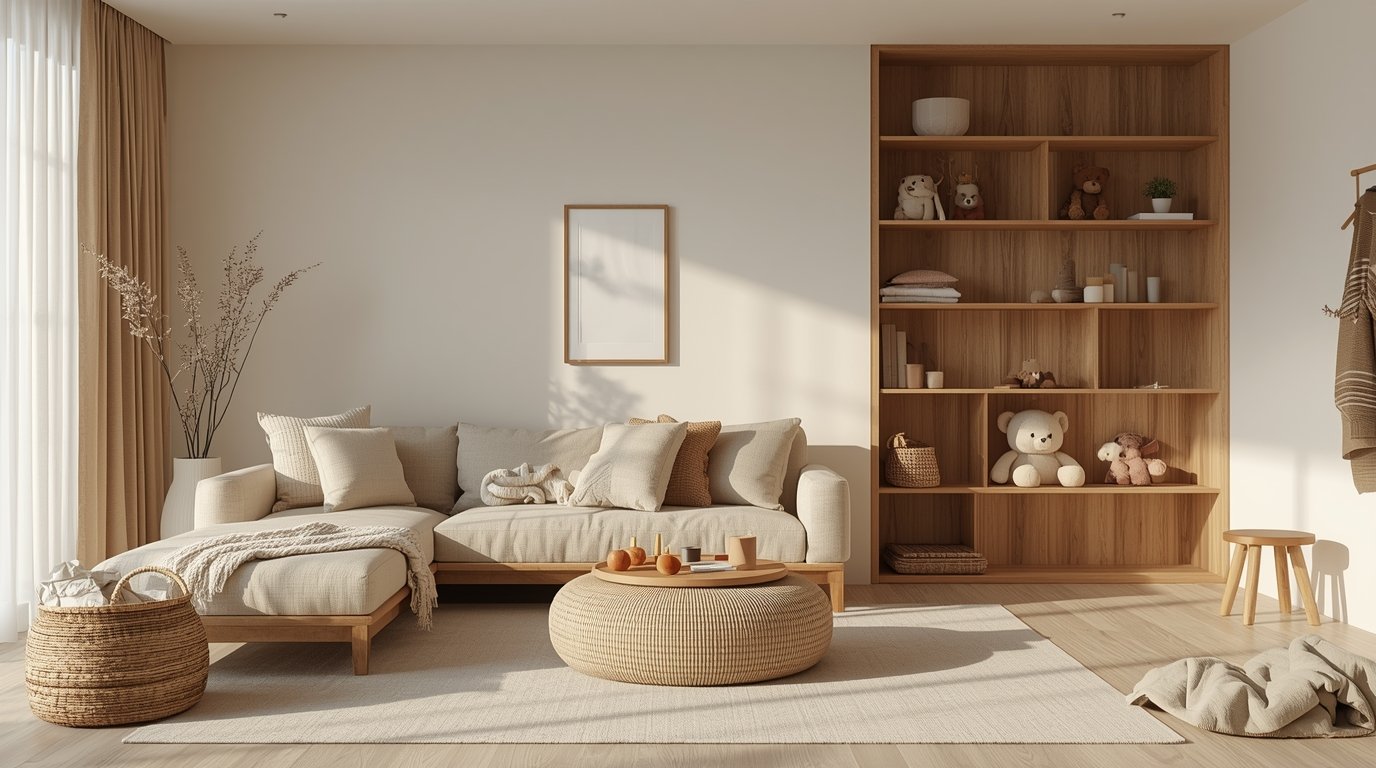
I think the Scandinavian-Japanese fusion loves textures that feel good. It makes spaces where families can relax together. Using natural materials makes these spaces warm and inviting.
Incorporating Wood Elements
Go for furniture made from strong woods like oak or bamboo. Their natural look is beautiful. A wooden coffee table or wooden shelves add calm to your space.
Even stone or handmade ceramics add texture without making the space feel too busy.
Layering Textiles for Warmth and Comfort
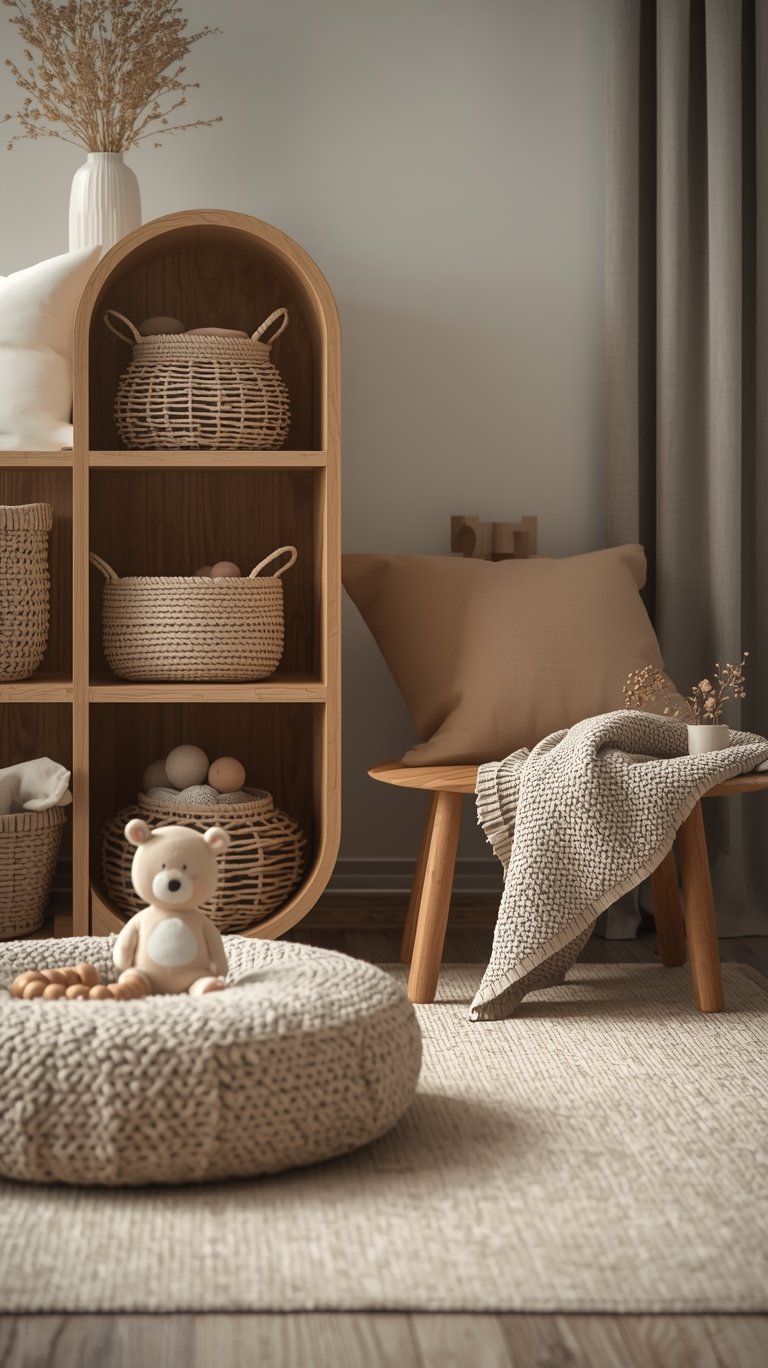
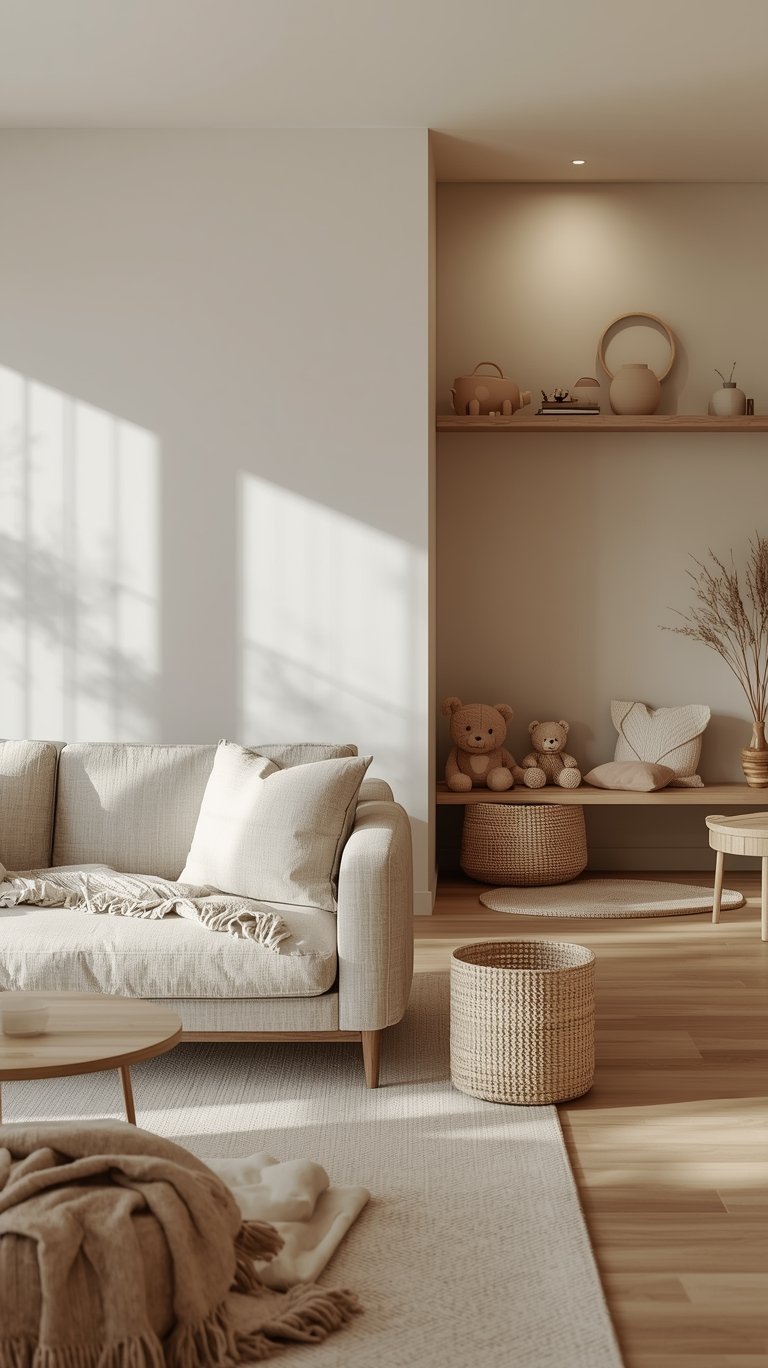
Use linen drapes, wool throws, and cotton cushions to make spaces cozy. Mix different patterns and textures. For example, a wool rug with linen curtains adds depth.
Choose washable wool or jute rugs for families. These keep the room cozy and easy to clean.
Every choice, from woven baskets to paper lanterns, connects us to nature. It makes spaces feel welcoming and green.
Lighting Strategies for a Calm Atmosphere
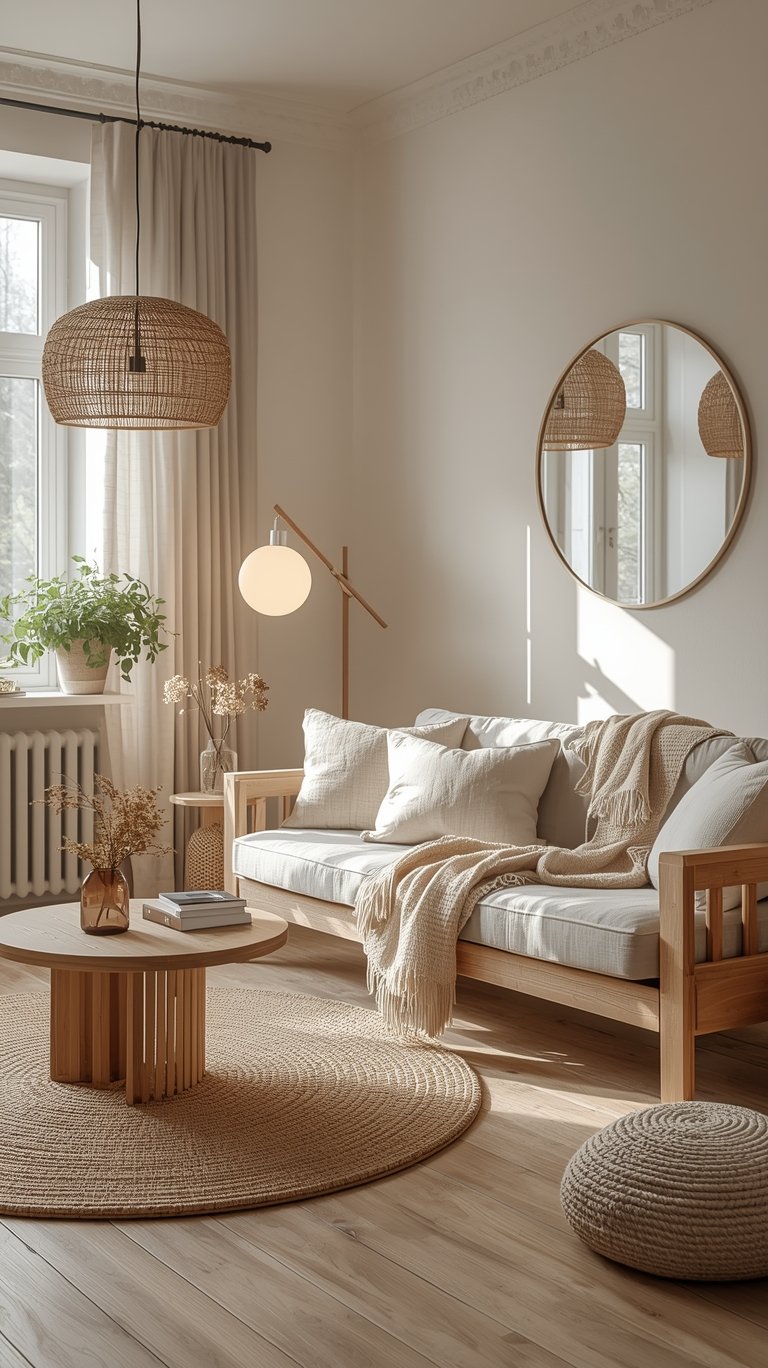
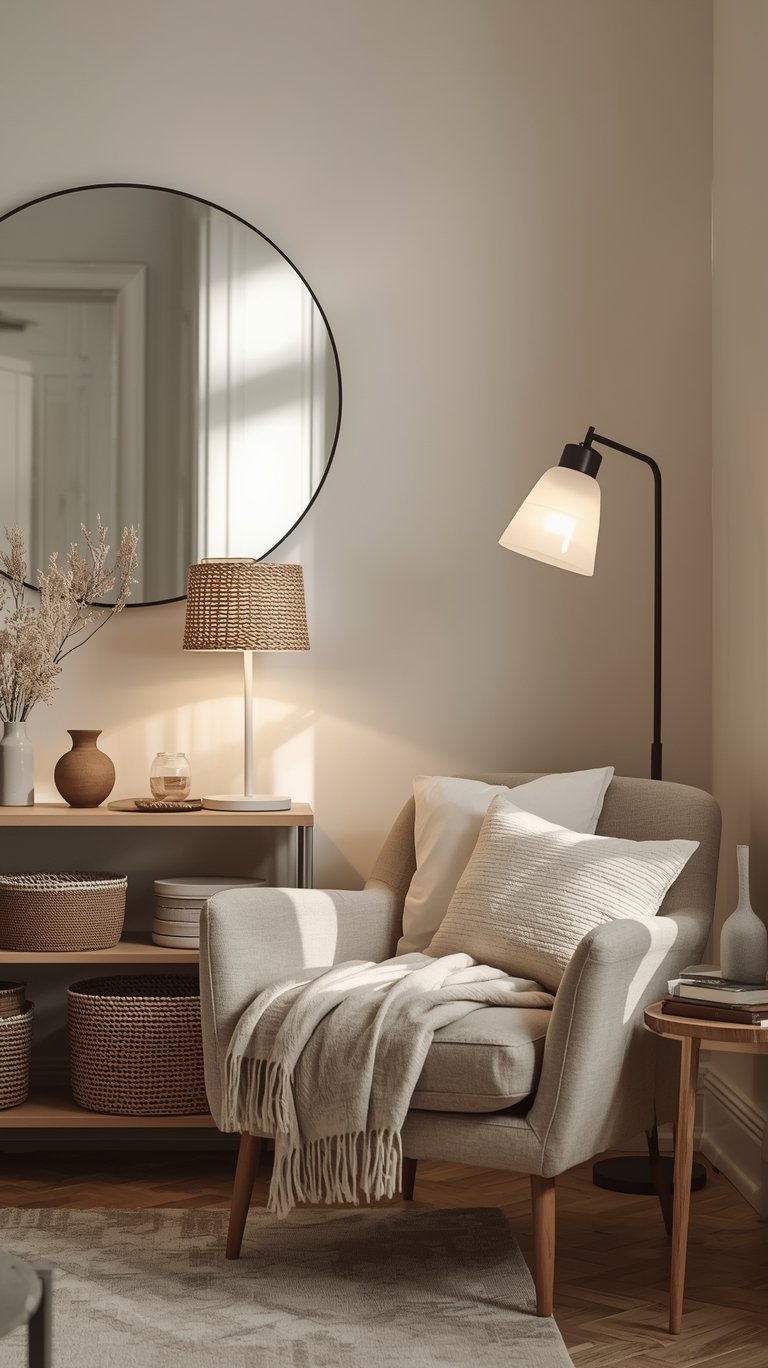
Lighting in Japandi interior design shapes the mood quietly. Start by using natural light to create a calm space. Big windows with sheer curtains let in soft sunlight, avoiding harsh shadows.
Mirrors placed by windows reflect light further into rooms. Light-colored walls also reflect light, making spaces feel bigger. This follows the modern Japanese design’s focus on balance between inside and outside.
Artificial lighting should feel like nature in minimalist decor. Choose items like rice paper lanterns or bamboo pendant lights for soft light. They keep the look simple and clean.
Use a mix of lights: ceiling lights, table lamps, and floor lamps. Pick fixtures with frosted glass or woven materials for warm, even light. LED bulbs with 2700K-3000K tones bring a relaxing sunset feel.
Look for unique pieces like flower-shaped pendant lights or tree-root bases. They add charm without making the space feel cluttered. Dimmers help adjust the light for different times of day. This way, you smoothly move from day to night, just like Japandi’s mindful living spaces.
Personalizing Your Japandi Family Zones


Make your Japandi spaces truly yours by adding personal touches. Start with family mementos like heirloom ceramics or a handwoven tapestry. These items connect the room to your family’s history and the design’s organic feel.
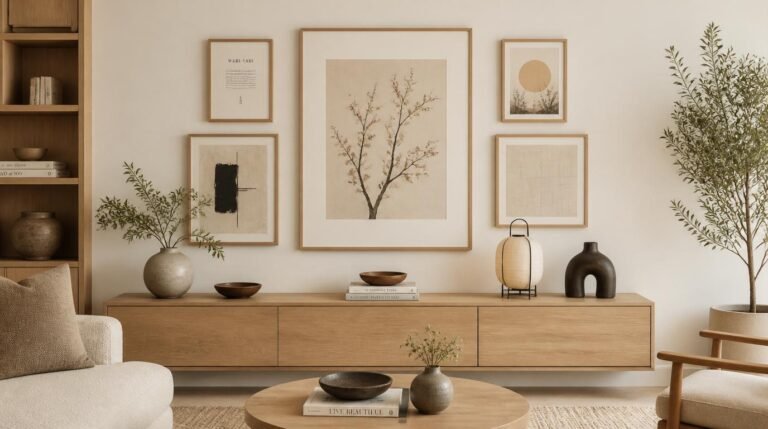
Display photos in simple frames on a light wood shelf. A vintage travel postcard collection on a bamboo side table adds beauty without clutter. Repurpose old items, like turning a child’s drawing into canvas art or framing pressed flowers.
Displaying Family Memories with Style
Place travel mugs and Scandinavian vases on a natural wood tray. Use a floating wall shelf for Japandi ceramics and a framed childhood portrait. A black-and-white photo gallery in uniform frames celebrates shared moments while staying true to Japandi.
Blending Personal Preferences with Japandi Elements
Combine heirlooms with sleek items, like a carved wooden bowl and a linen throw. Hang hand-painted canvas above a live-edge coffee table for a mix of personal art and Japandi’s simplicity. Add a cozy hand-knitted throw over a minimalist sofa for warmth and balance.
Tips for Maintaining Japandi Family Zones
To keep your Japandi Family Zones in harmony, take care every day. Also, update them now and then. This way, they stay both useful and peaceful. Here’s how to keep your spaces in line with Japandi principles.

Daily Habits to Keep Spaces Clutter-Free
Small daily habits can make a big difference. Spend five minutes each night tidying up shared areas. Use bamboo bins or woven baskets to organize small things.
Choose stylish minimalist furniture with hidden storage. This keeps surfaces clean. Make sure everyone helps with simple tasks like putting toys away. This keeps your spaces intentional and clutter-free.
The Importance of Regularly Evaluating Your Design
Check your design regularly to see if it still fits your family’s needs. Do this every few months. Swap out old items for new natural textiles or handmade ceramics.
Stick to neutral colors with subtle accents. Think pale green pillows or wooden accents. This keeps your spaces calm while still being lively.
By taking care of your spaces daily and updating them regularly, Japandi Family Zones become a lasting part of your home. Start with small changes like adding a woven storage basket or reorganizing a corner. These steps help create a home that supports connection and calm.
10 Quick Hacks for a Kid-Friendly Family Room


Here are easy, useful hacks you can add to your family room design. They help keep kids safe and toys tidy. Each hack is simple and works for a kid-friendly living room or living room playroom.
1. 5-Minute Tidy Routine
Make a short cleanup routine kids can follow.
- Set a 5-minute timer after playtime.
- Give each child one box or basket to fill.
- Turn cleanup into a game (race or song). This keeps toys from piling up and makes storage part of the day.
2. Safety Check List
Quick checks to make the room safer for little ones.
- Anchor tall furniture to the wall.
- Cover sharp corners with soft guards.
- Use outlet covers and hide loose cords.
- Choose non-slip rugs and stable chairs. Do these checks every few months or after rearranging.
3. Toy Rotation System
Keep play fresh and cut down on mess.
- Put most toys away in storage and display 6–8 at a time.
- Rotate toys every week or two.
- Label storage bins with pictures or words. Kids get excited about “new” toys, and the room stays calmer.
4. Zone the Room
Make clear areas for different activities.
- Play zone: low shelves and soft mats.
- Reading zone: comfy chair and basket of books.
- Craft zone: small table and washable mat. Zones help kids know where to play and where to leave toys.
5. Low and Open Storage
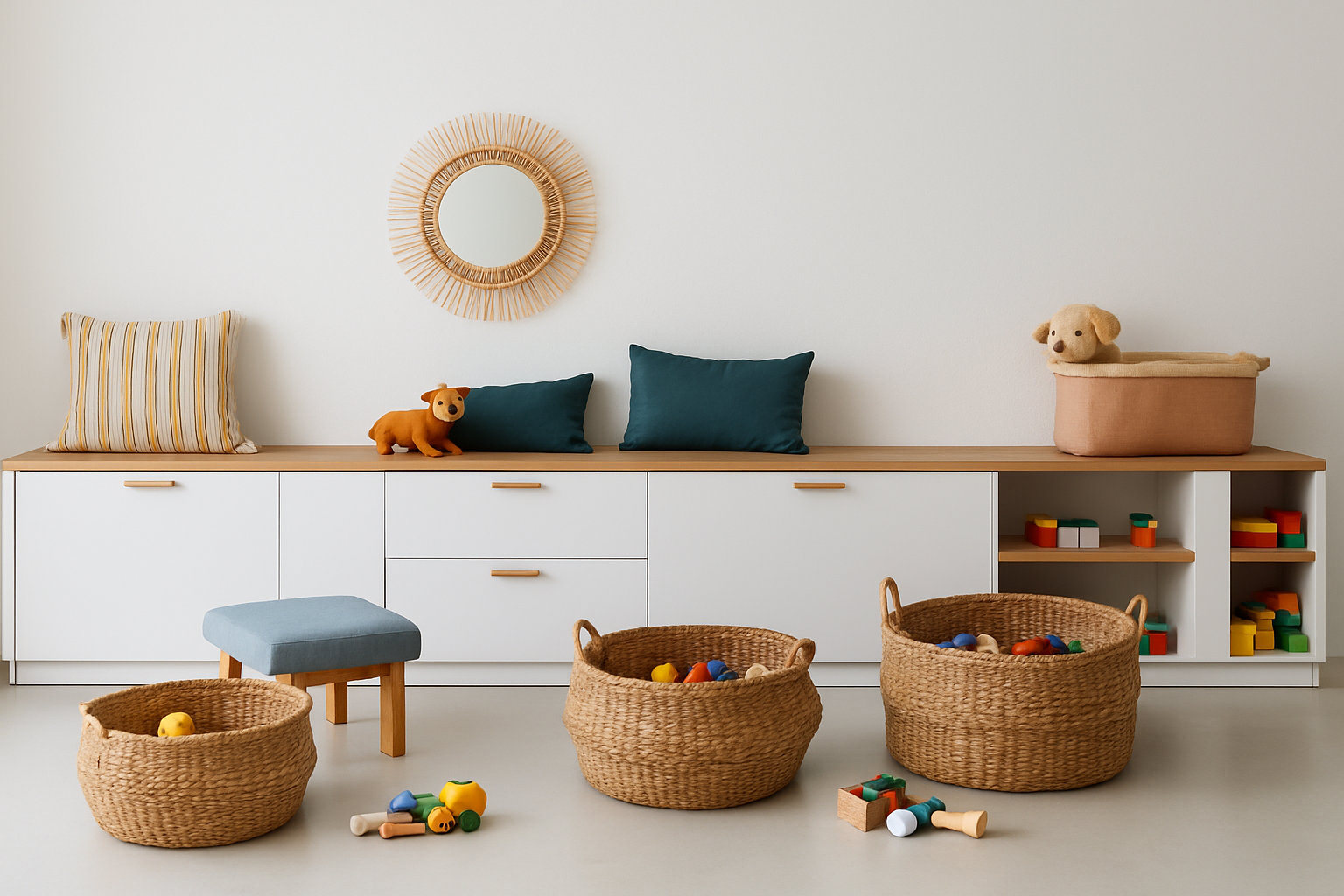
Use kid-height shelves and open bins so kids can reach and put toys away.
- Clear bins or baskets work best.
- Label bins with pictures for younger kids.
- Keep heavy items on lower shelves for safety.
6. Multi-Use Furniture
Pick pieces that hide toys and still look nice.
- Ottomans with storage inside.
- Benches that open up for bins.
- Coffee tables with lower shelves. This keeps your family room tidy while staying stylish.
7. Easy Cleanup Tools
Have quick tools ready to speed up cleaning.
- Small hand broom and dustpan for crumbs and art mess.
- Microfiber cloths for spills.
- Portable toy caddy to move toys between rooms. These tools make everyday messes low stress.
8. Label and Color-Code
Make cleanup simple with labels and colors.
- Use colored bins for types of toys (blue = cars, red = blocks).
- Add picture labels for non-readers. Kids learn to sort by color and picture fast.
9. Soft Corner Solutions
Protect kids from bumps without ruining the look.
- Use rounded-edge furniture when possible.
- Add cushioned corner guards that match wall colors. They keep the space safe and calm.
10. Nighttime Reset
Quick steps to restore calm before bed.
- Dim lights and put toys in their bins.
- Run a 5-minute tidy routine together.
- Leave one cozy spot for reading or family time. A reset helps kids wind down and keeps the family room neat.
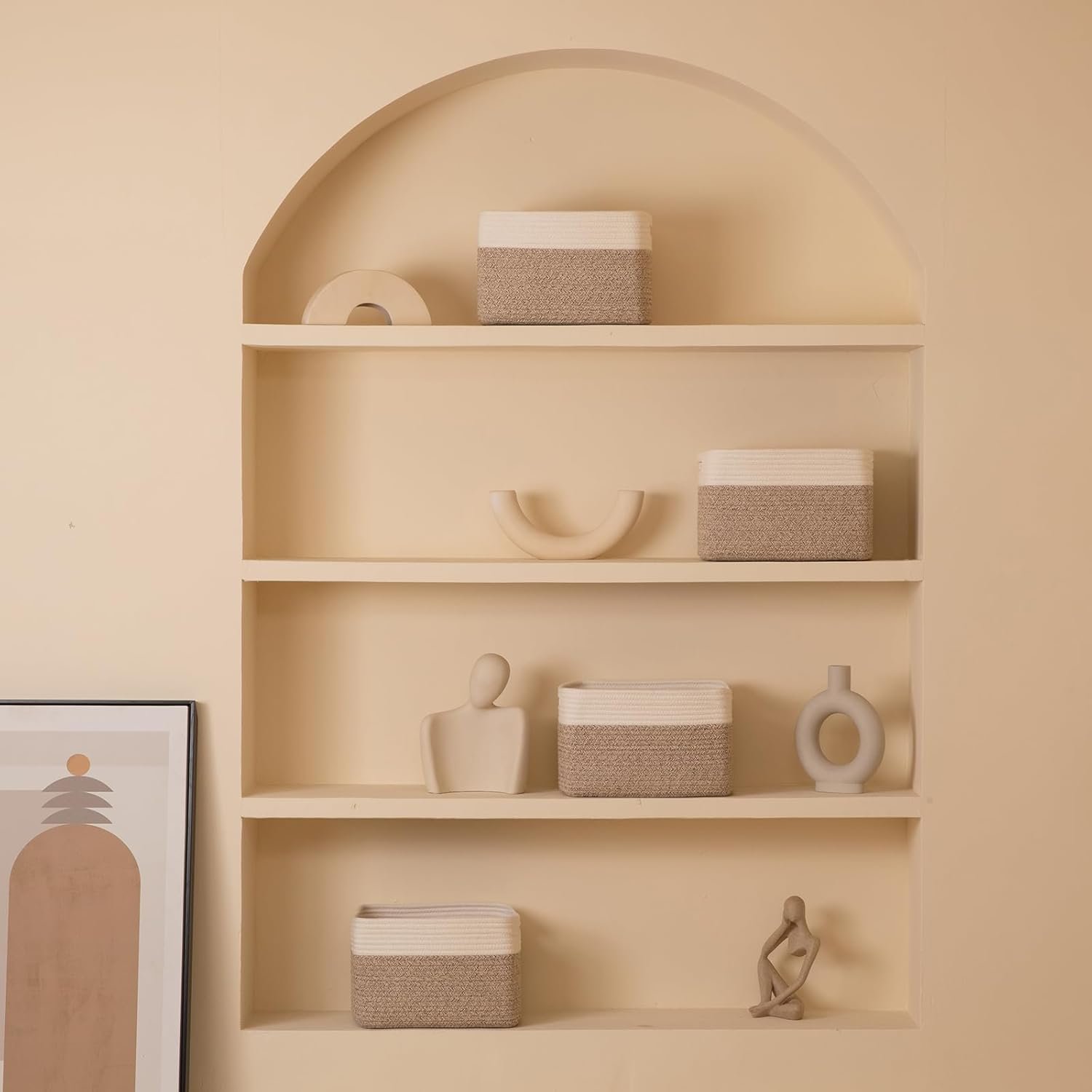
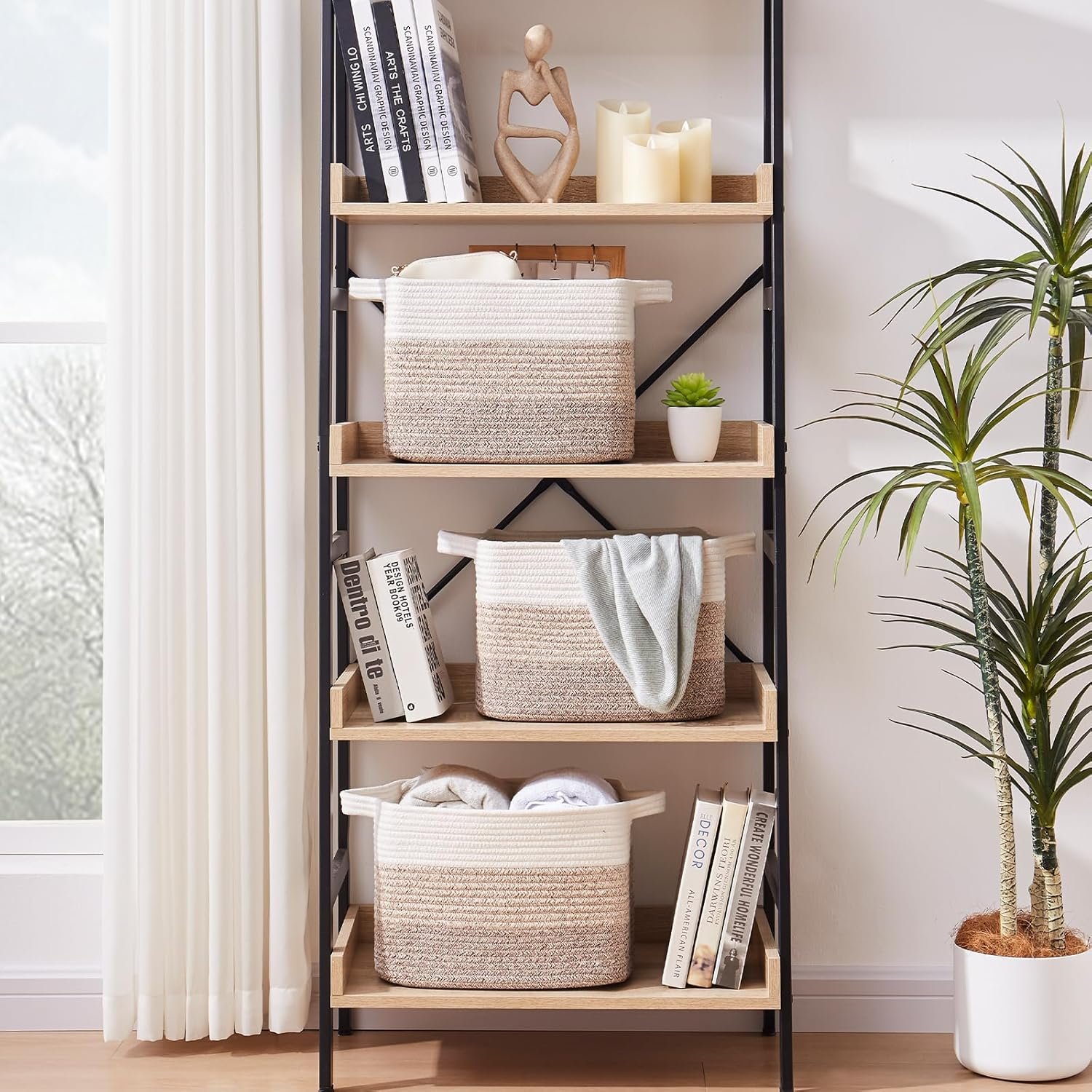
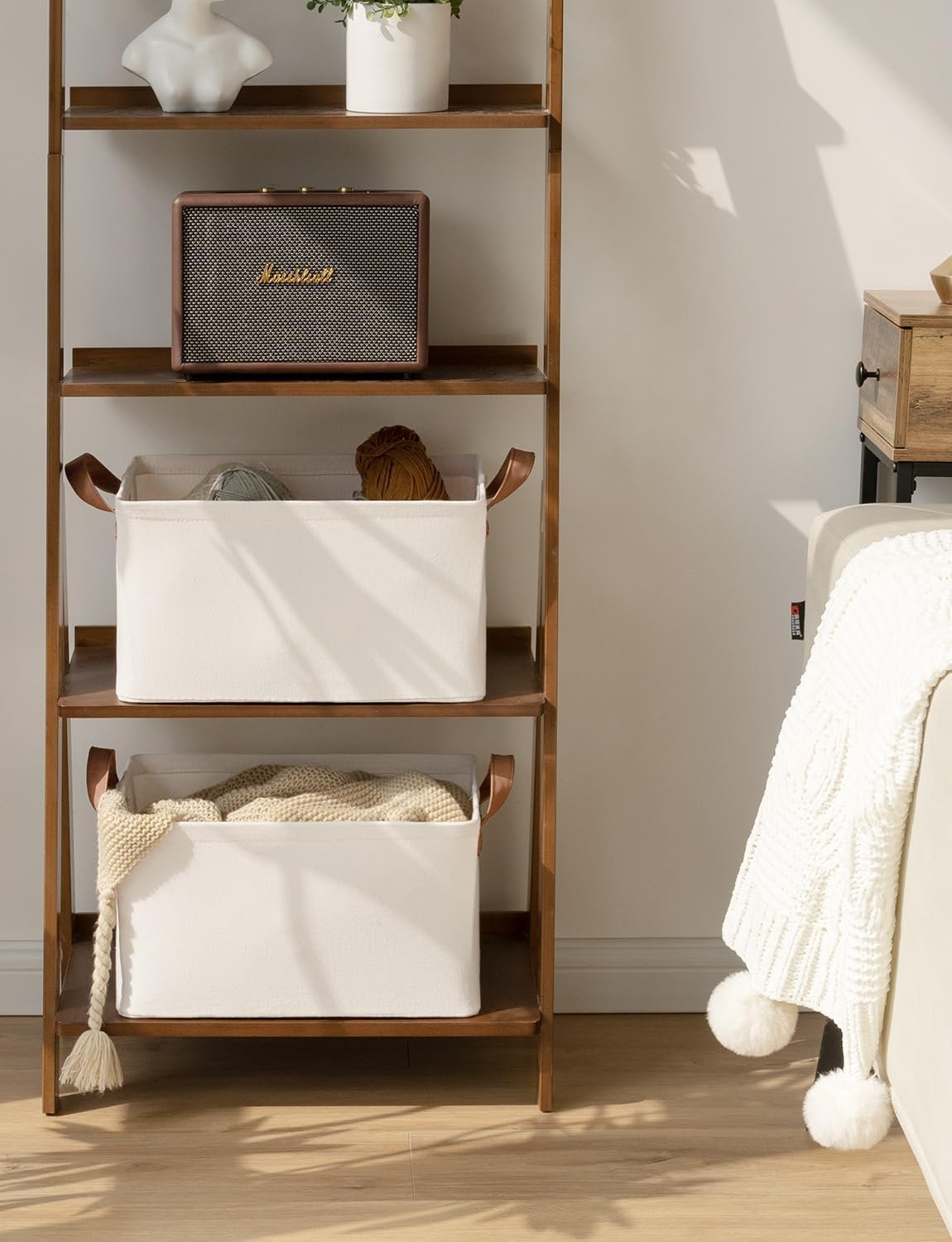
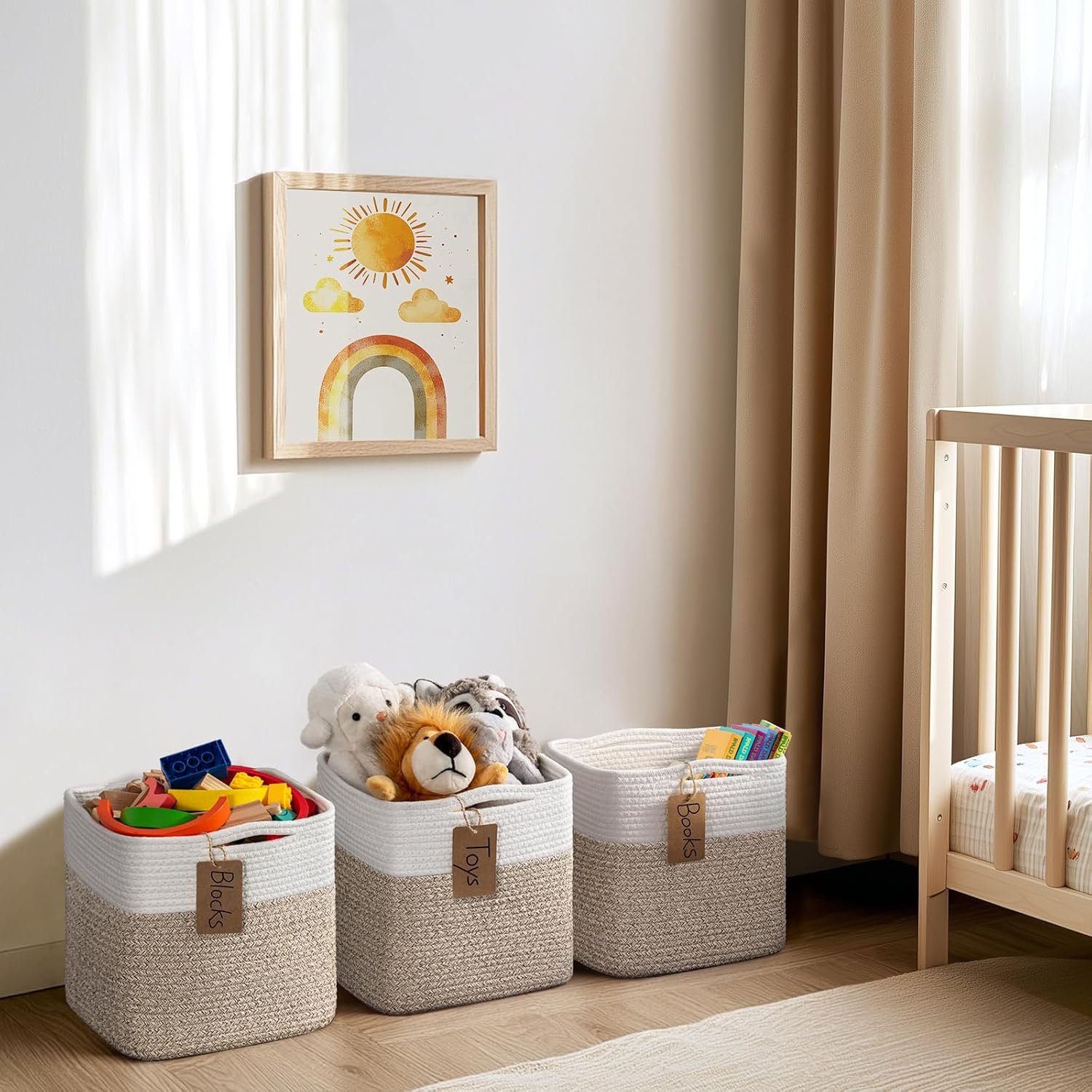
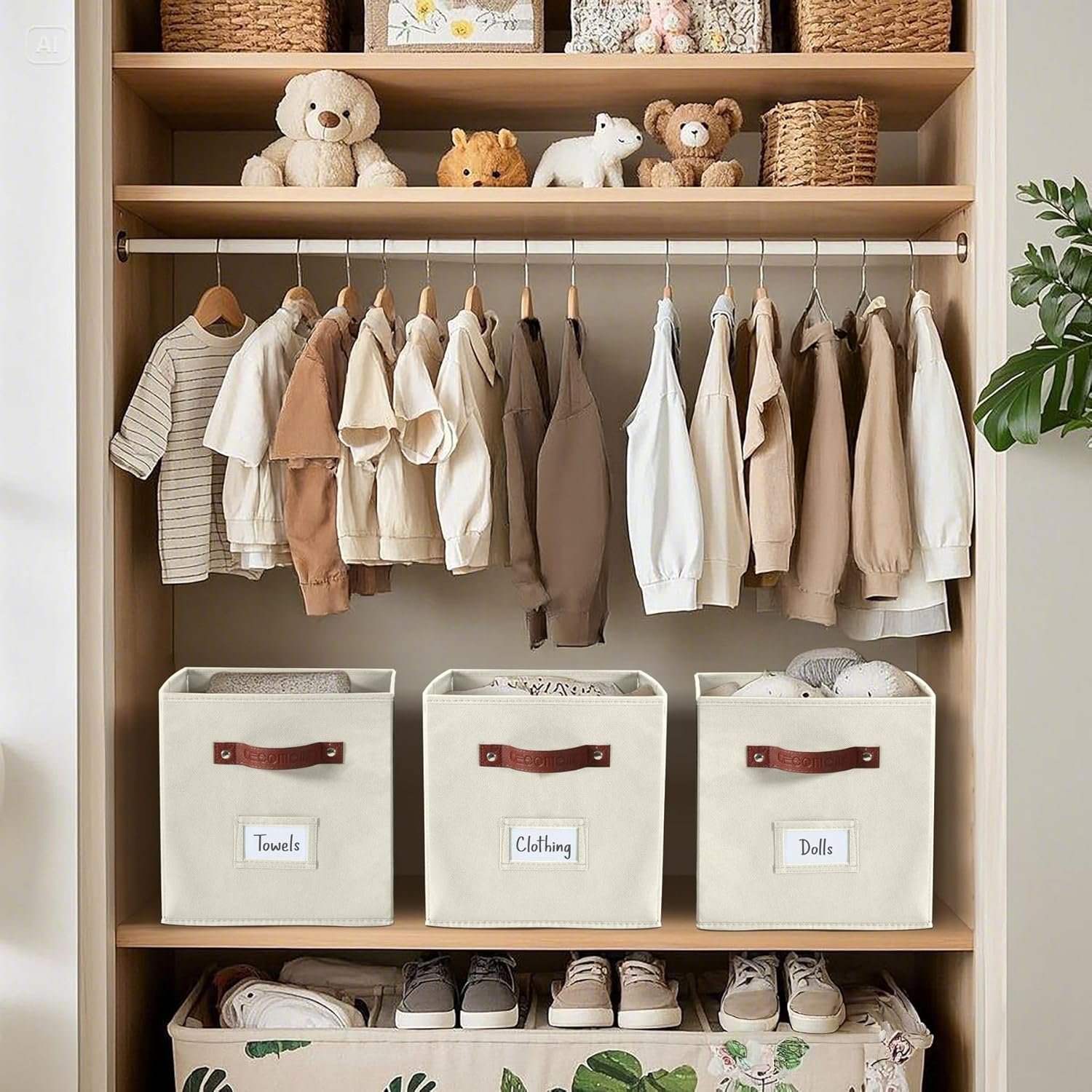
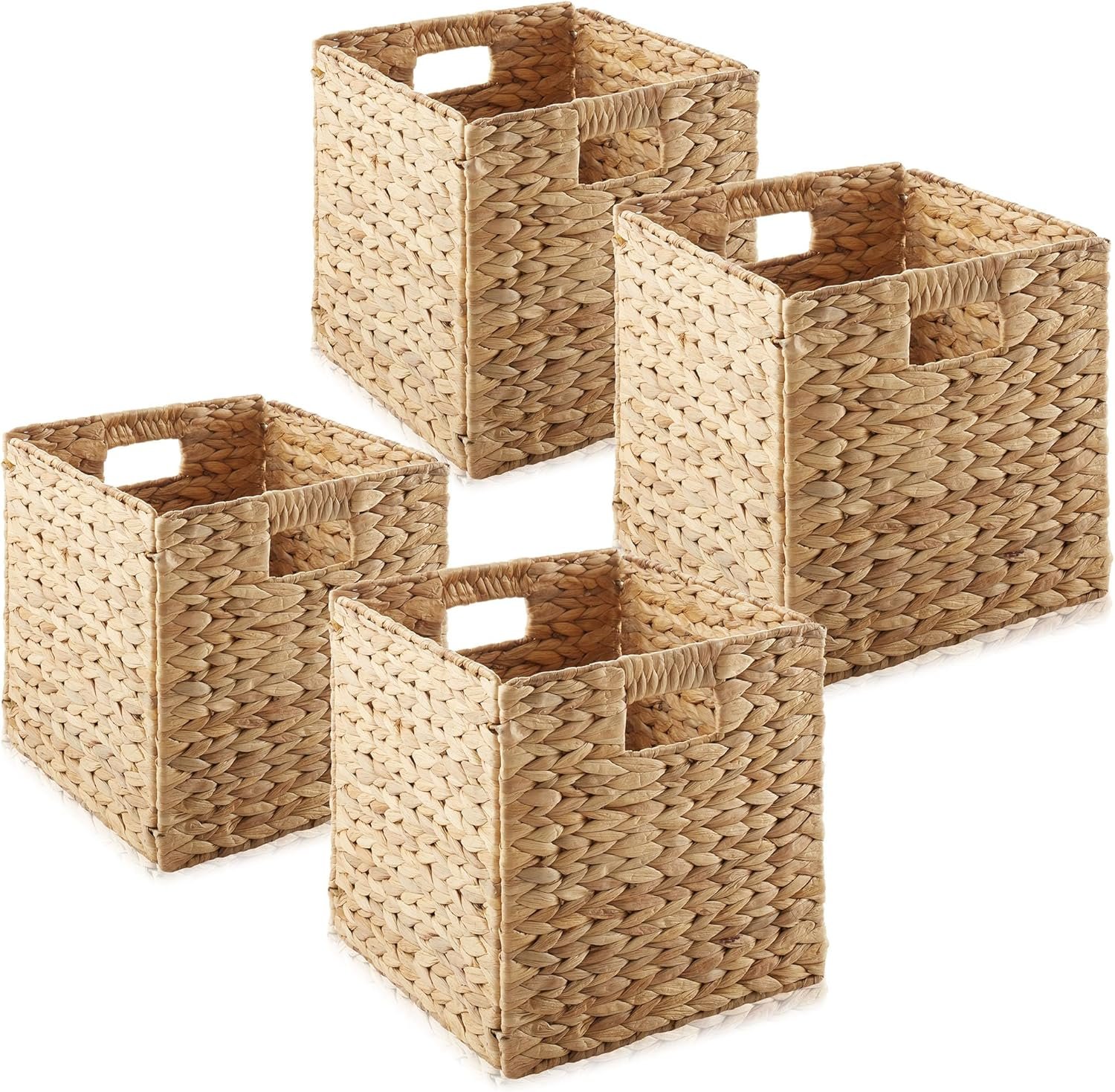
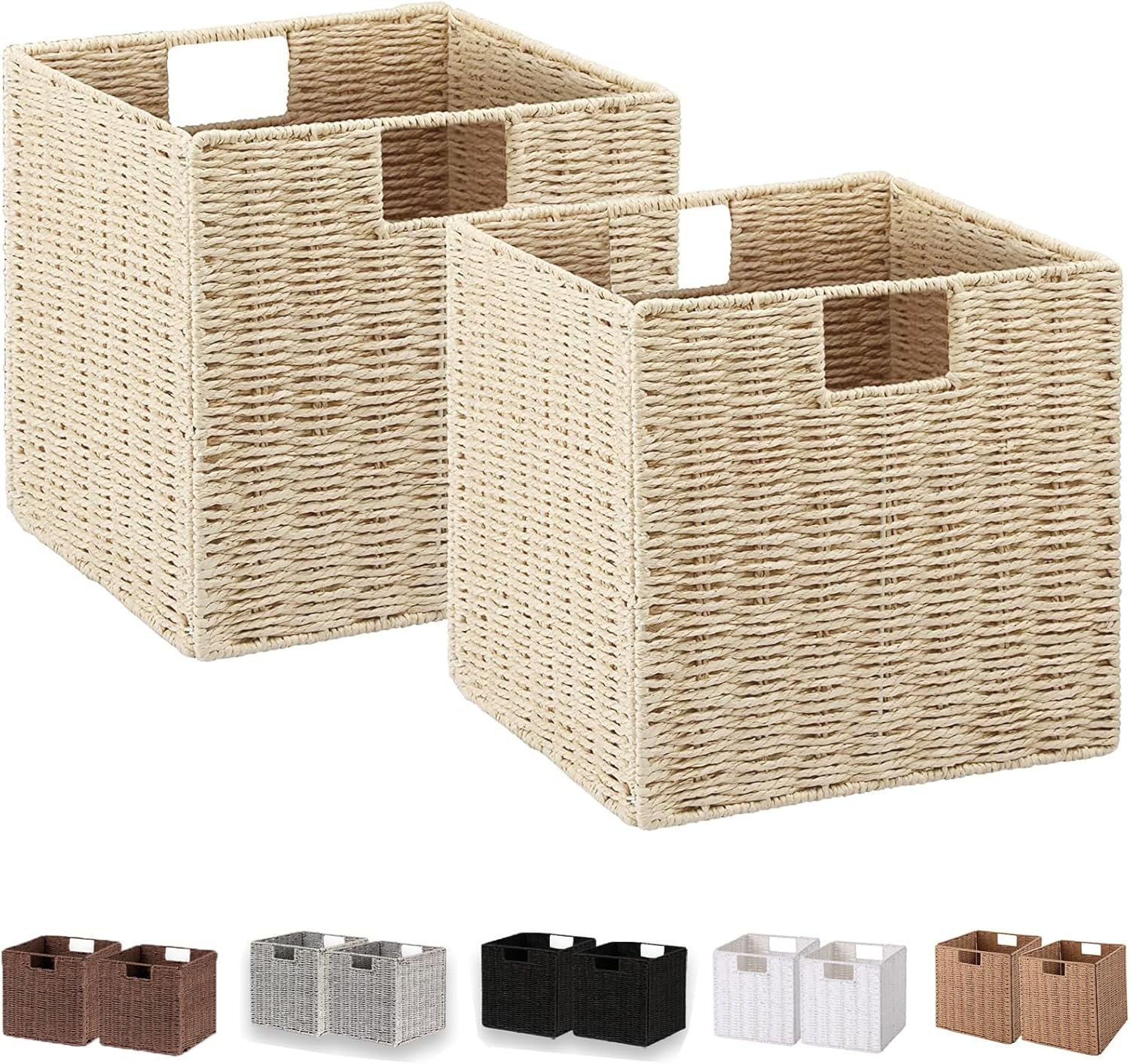
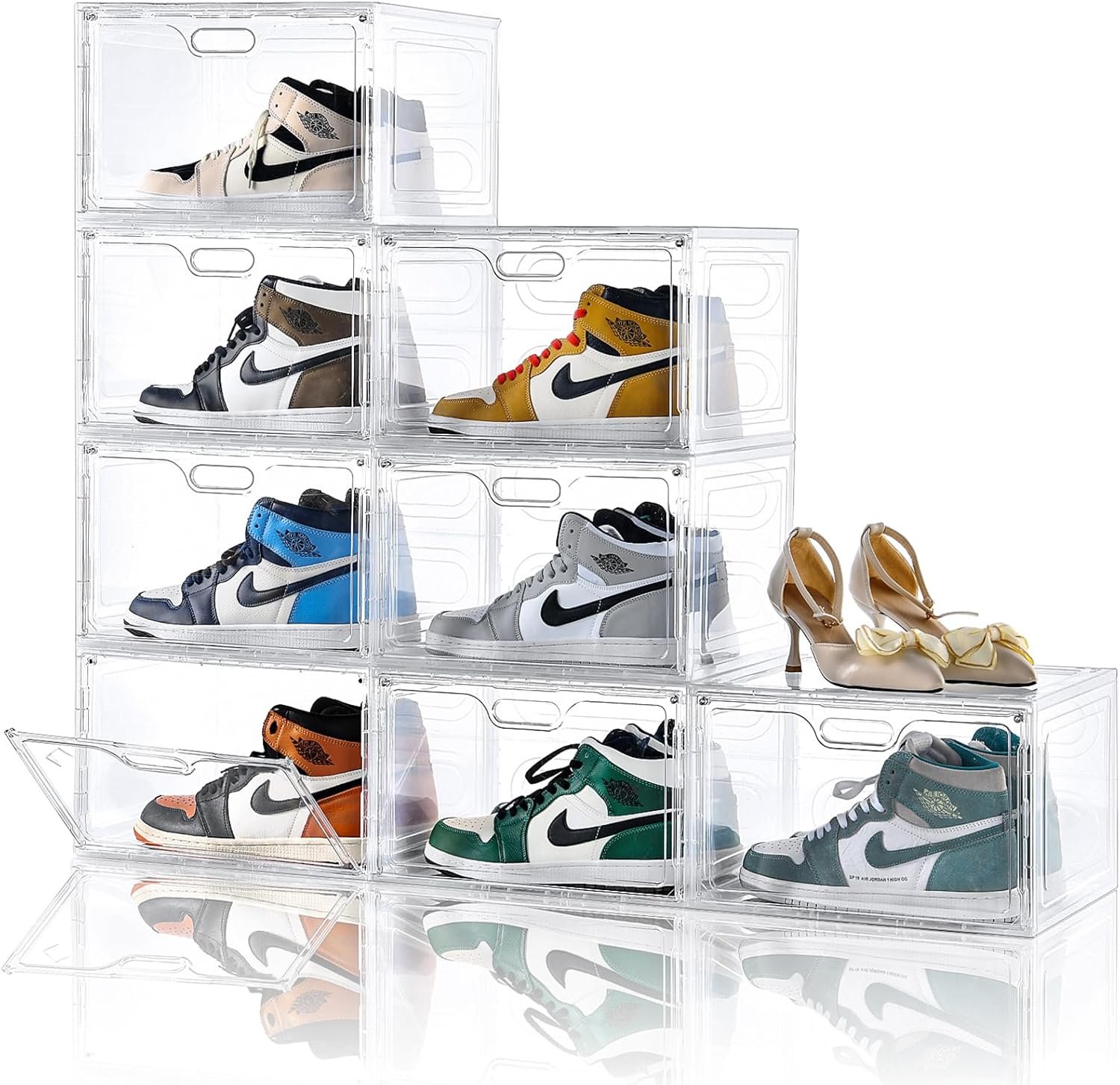
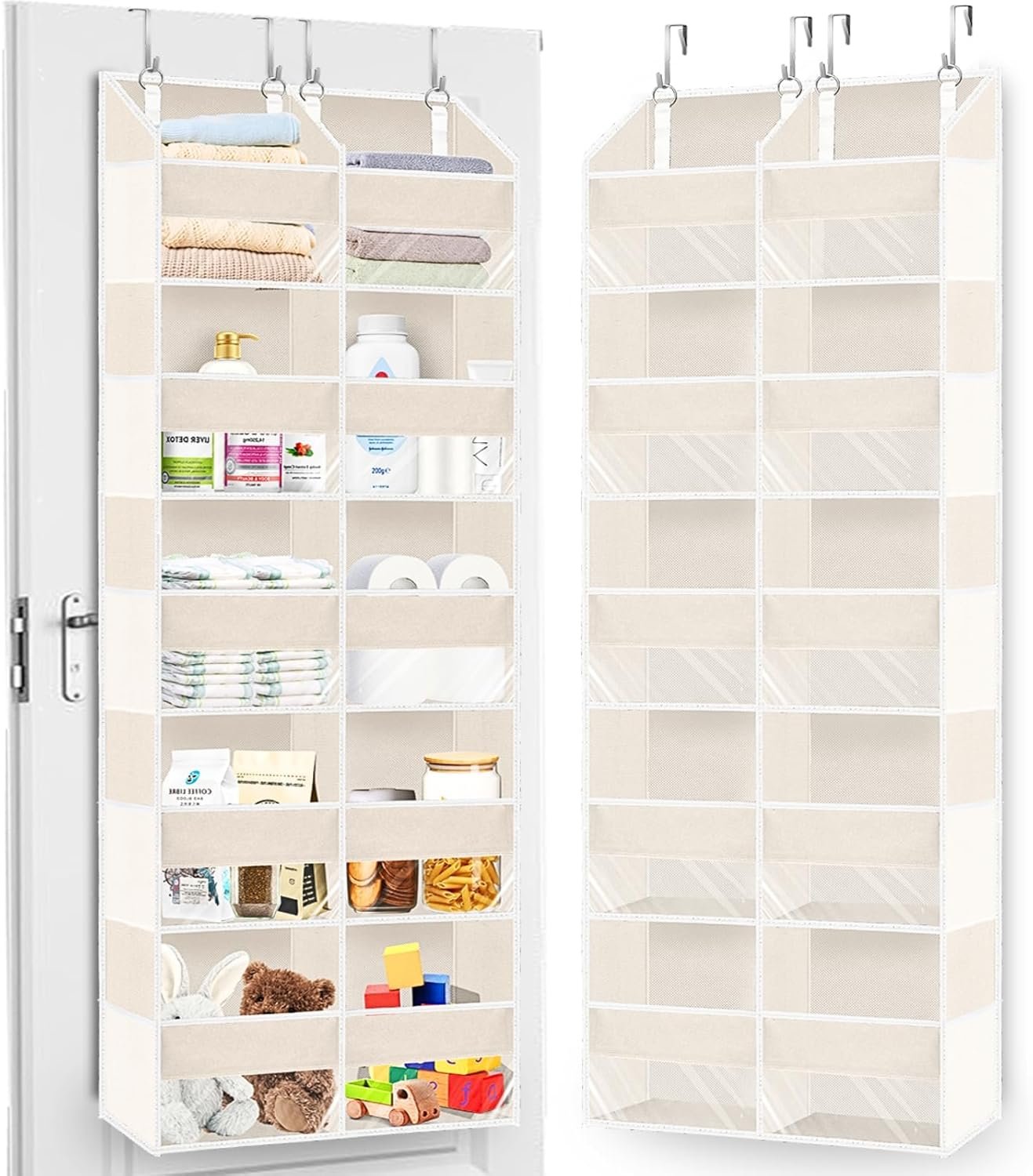
Shop Storage






FAQ
What is Japandi Family Zones?
Japandi Family Zones are special areas in the home. They mix Japanese simplicity with Scandinavian coziness. This creates calm spaces for family activities, blending peace with usefulness.
How does Japandi design apply to family-centric spaces?
Japandi design is all about simplicity, natural materials, and being mindful. In family areas, it means creating spaces for work, play, rest, and socializing. These spaces work together in harmony.
What kind of furniture works best in a Japandi-style living space?
Choose furniture that is both stylish and practical. Look for pieces with clean lines and made from natural materials. Examples include low-profile seating and coffee tables with storage.
How can I incorporate natural elements into my home?
Add plants, wood, stone, and water features to your home. They make your space look better and feel calming. This helps family members feel close to nature.
What are effective strategies for creating work and play areas?
For study areas, make them quiet and simple. Use Japandi-inspired desks and smart storage. For play zones, pick toys and furniture that are simple yet creative. Use storage that’s easy to manage.
How do I maintain mindful organization in my home?
Stick to the minimalist idea by only keeping what’s valuable. Use smart storage like hidden spots and beautiful baskets. This keeps your space looking neat and peaceful.
What color palette works best in Japandi design?
Japandi spaces often use neutral colors like whites, beiges, and grays. Add muted natural tones and use accent colors carefully. This keeps the space calm and focused.
How important are textures and materials in a Japandi family zone?
Textures and materials are key. Wood and bamboo add natural beauty. Layered textiles like linen and cotton add warmth and comfort to a clean look.
What lighting strategies enhance Japandi family zones?
Use natural light well by choosing the right window treatments and furniture. Pick artificial lighting that fits Japandi style, focusing on clean lines and natural materials. This creates a soothing atmosphere.
How can I personalize my Japandi family zones?
Display family photos and special items thoughtfully. Make sure they fit the clean Japandi look. Blend your family’s style with existing pieces to make a unique space.
What are some tips for maintaining Japandi family zones over time?
Start daily routines and organize entryways. Regularly check your design to meet changing family needs. Refresh your space seasonally and make thoughtful changes to keep it enjoyable and useful.
The Bottom Line
A kid-friendly living room blends calm Japandi style with smart family room design so everyone can relax and play. Focus on low, open storage, clear zones, and safety-first choices to keep toys tidy and kids safe. Use simple hacks like toy rotation, 5-minute tidy routines, and multi-use furniture to make your living room playroom work for daily life. These family room ideas keep the space peaceful, practical, and ready for both together time and play.

ABOUT the AUTHOR
TOKI; INTERIOR DESIGN & lifestyle CONTENT CREATOR.
Hey there! I’m Toki—the design-obsessed brain behind Dwell Studio 24. I’m a content creator passionate about interior design, photography, and creativity, living in a 77-year-old house with my husband and our awesome three kids. I write about interior design, furniture, home topics, and my lifestyle, including travel, recipes, skincare, and daily routines. I hope to inspire your next project and lifestyle!
ABOUT the AUTHOR
TOKI; INTERIOR DESIGN & lifestyle CONTENT CREATOR.
Hey there! I’m Toki—the design-obsessed brain behind Dwell Studio 24. I’m a content creator passionate about interior design, photography, and creativity, living in a 77-year-old house with my husband and our awesome three kids. I write about interior design, furniture, home topics, and my lifestyle, including travel, recipes, skincare, and daily routines. I hope to inspire your next project and lifestyle!
ABOUT the AUTHOR
TOKI; INTERIOR DESIGN & lifestyle CONTENT CREATOR.
Hey there! I’m Toki—the design-obsessed brain behind Dwell Studio 24. I write about interior design, furniture, home topics, and my lifestyle, including travel, recipes, skincare, and daily routines. I hope to inspire your next project and lifestyle!