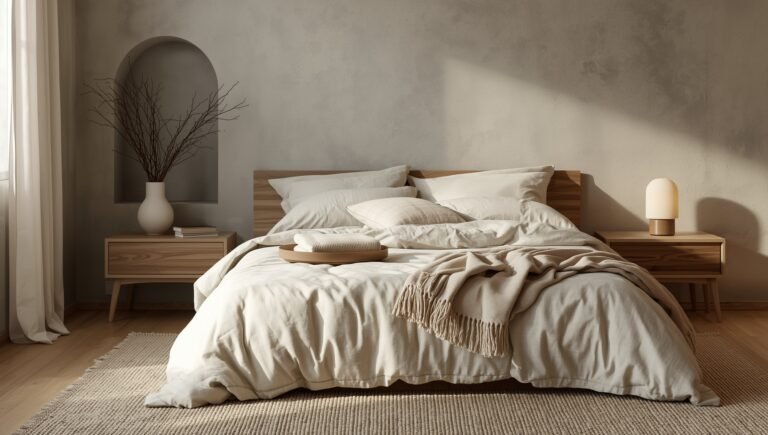
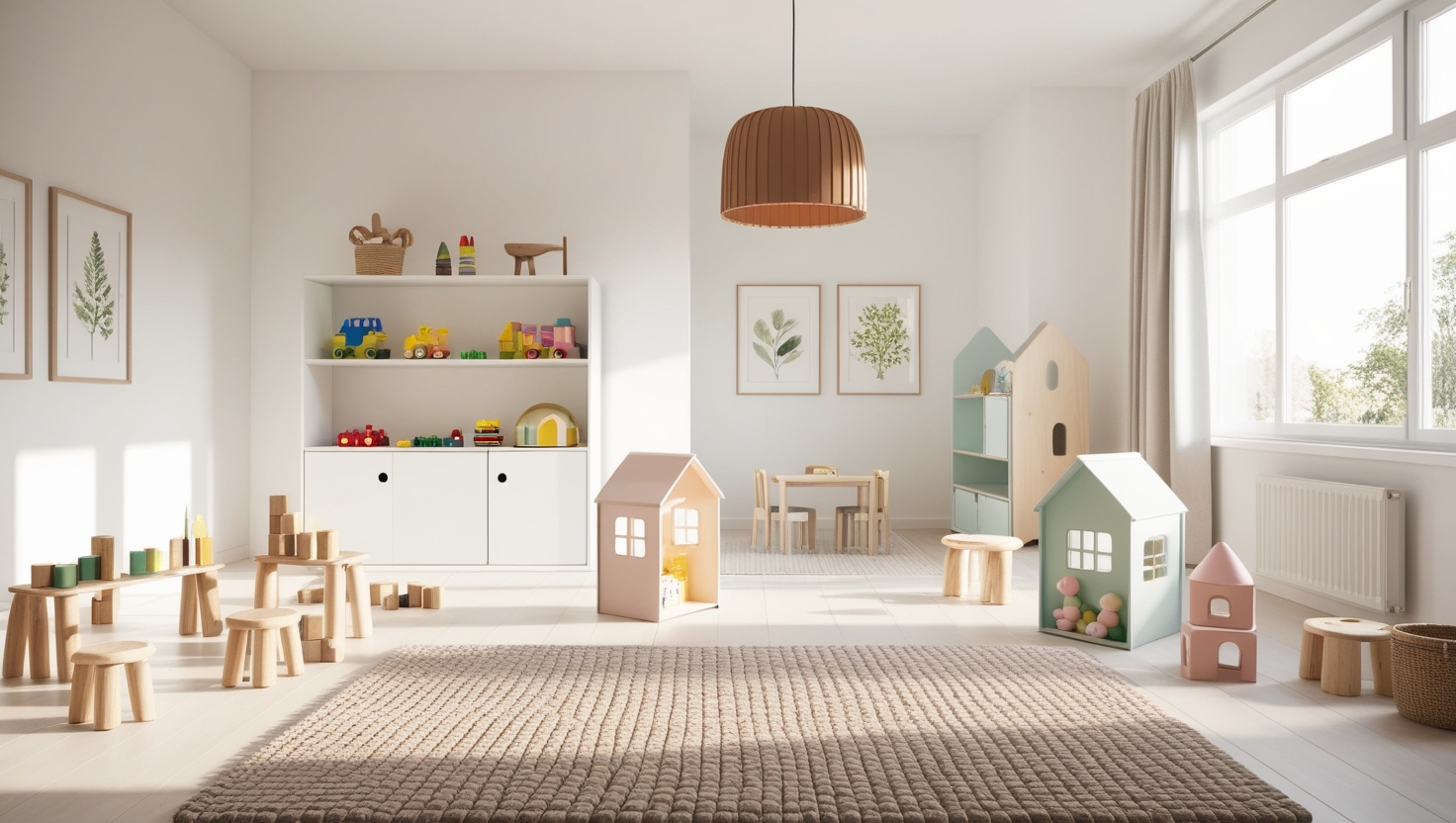
Playroom Ideas: Japandi Summer Spaces for Creative Kids
Looking for inspiring Playroom Ideas that perfectly balance style and functionality for your home? To achieve a serene and organized space, focus on Japandi Design principles by incorporating natural materials, neutral colors, and smart storage solutions.
This guide will show you how to create a peaceful, creative haven that grows with your child while maintaining a clutter-free aesthetic.
Key Takeaways
- Create a multifunctional space that serves both play and learning needs.
- Incorporate Japandi design elements for a serene and organized atmosphere.
- Balance fun and functionality with thoughtful decor and storage solutions.
- Consider the needs and preferences of your kids when designing the playroom.
- A well-designed playroom can foster creativity and imagination in children.
Understanding Japandi Design: A Simplified Approach
Japandi design is a mix of Japanese minimalism and Scandinavian functionality. It makes homes serene and organized. It’s not just about looks; it’s a lifestyle that values simplicity, sustainability, and comfort.
The Philosophy Behind Japandi Design
Japandi design blends Japanese and Scandinavian styles. It takes Japanese minimalism and Scandinavian coziness. This mix creates a design that looks good and works well.
Key elements of the Japandi philosophy include:
- Emphasis on natural materials
- Minimal ornamentation
- Functionality and practicality
- Connection to nature
Key Characteristics of Japandi Design
Japandi design uses natural materials and simple colors. It focuses on being useful. Some key traits are:
It often uses wood, bamboo, and paper. These materials add warmth and texture. Japandi also favors a calm color scheme, like whites, grays, and earth tones.
To make a summer playroom Japandi, use natural materials and keep it simple. Choose calming colors. This way, you’ll have a peaceful and useful space for fun and rest.
Exploring Japandi Elements for a Summer Playroom
Designing a Japandi-inspired summer playroom means choosing elements that bring calm and connect us to nature. Japandi design focuses on natural materials and soothing colors. This creates a play space that’s both fun and peaceful.
Natural Materials and Textures
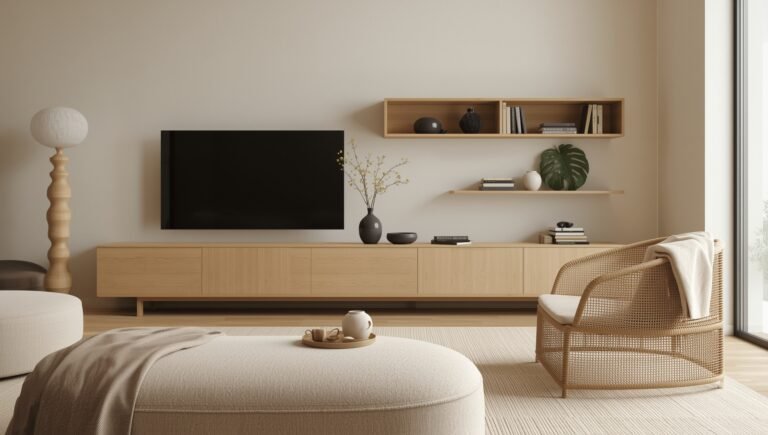
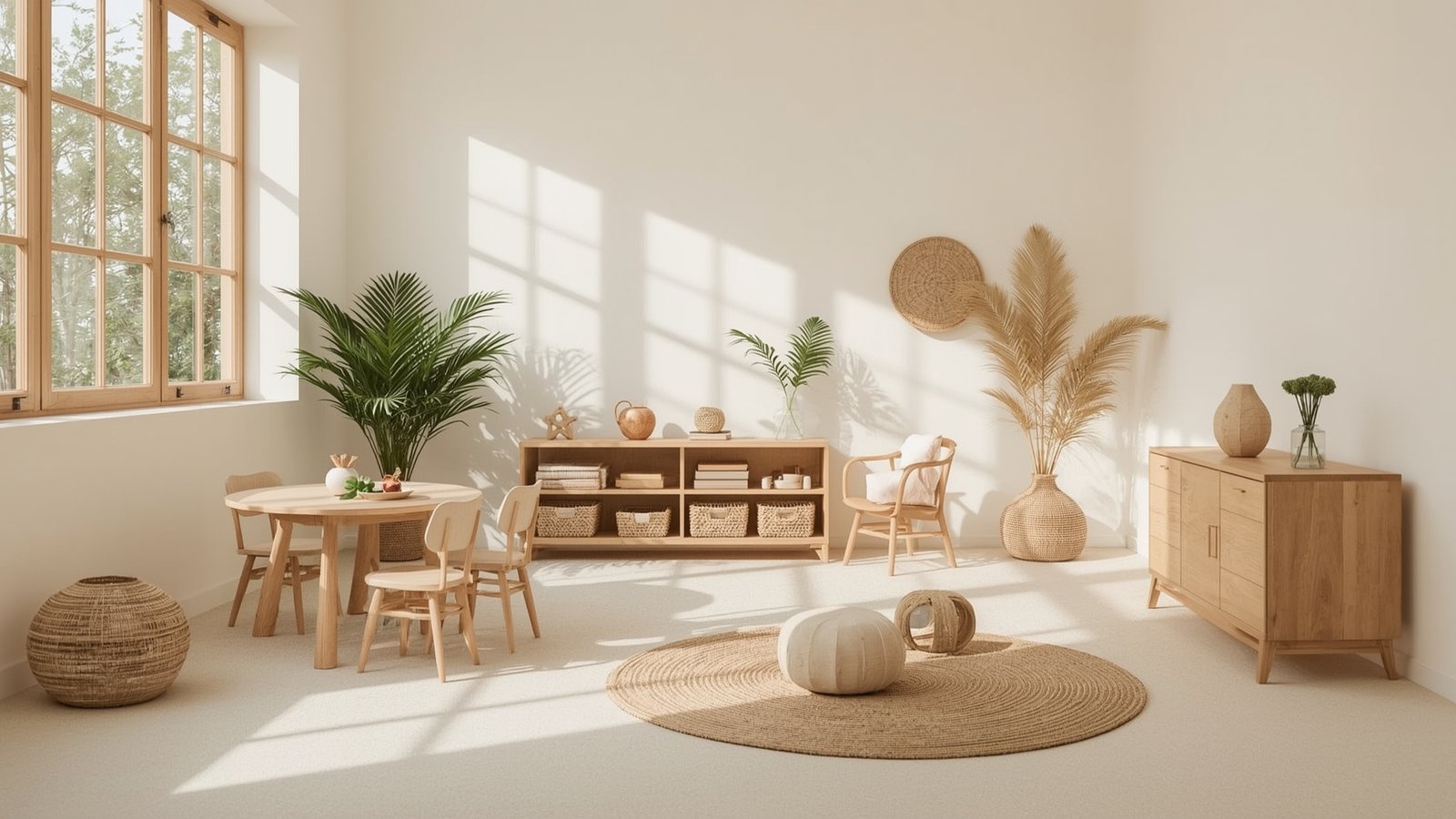
Japandi design loves natural materials and textures. Using wood, bamboo, and woven fibers adds warmth and depth. These materials feel good to touch and make the room cozy.
Calming Color Palettes
Japandi is all about soft colors like white, beige, and light wood tones. These colors make the room feel calm and clean. They’re perfect for a summer playroom.
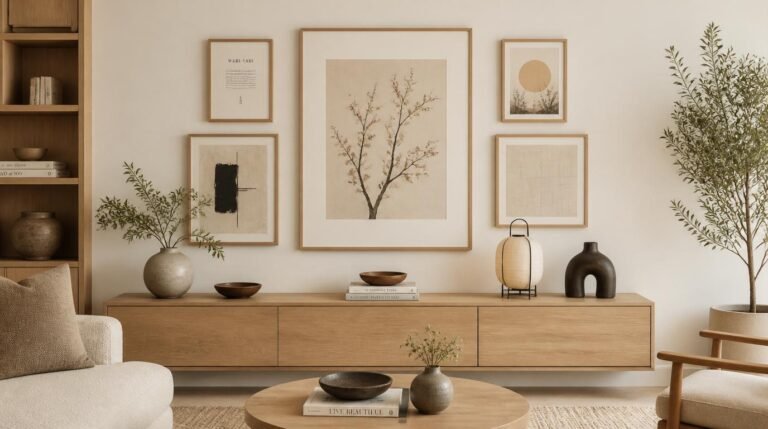
To make the room more interesting, add rugs, throw pillows, and wall art with subtle patterns. This makes the room look better and feel more relaxing. It’s great for kids to play and dream.
Organizing a Summer Playroom: Tips and Tricks
Organizing a summer playroom can seem hard, but it’s doable. A tidy playroom makes playtime better and keeps your home calm.
Storage Solutions for Kids’ Toys
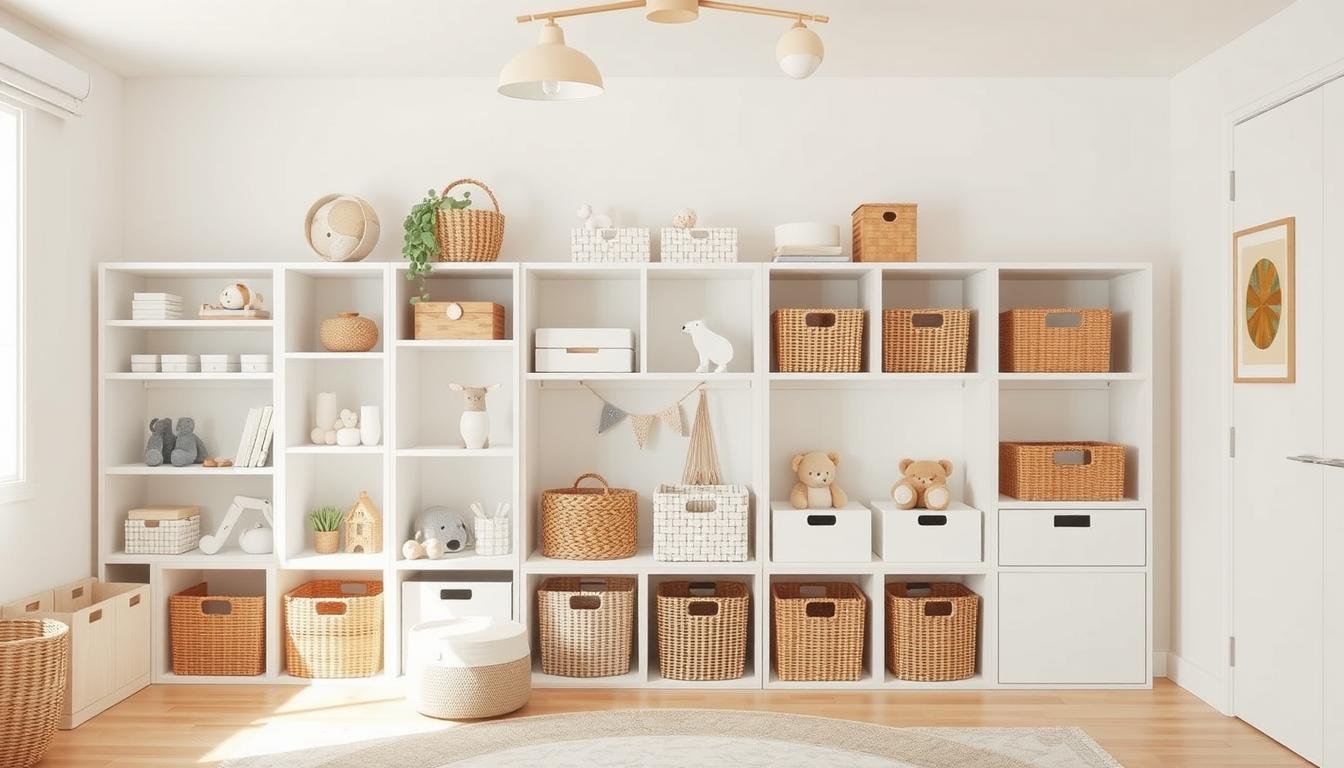
Storage solutions are key for a clean playroom. Look for furniture that stores things, like ottomans or toy boxes that also serve as seats.
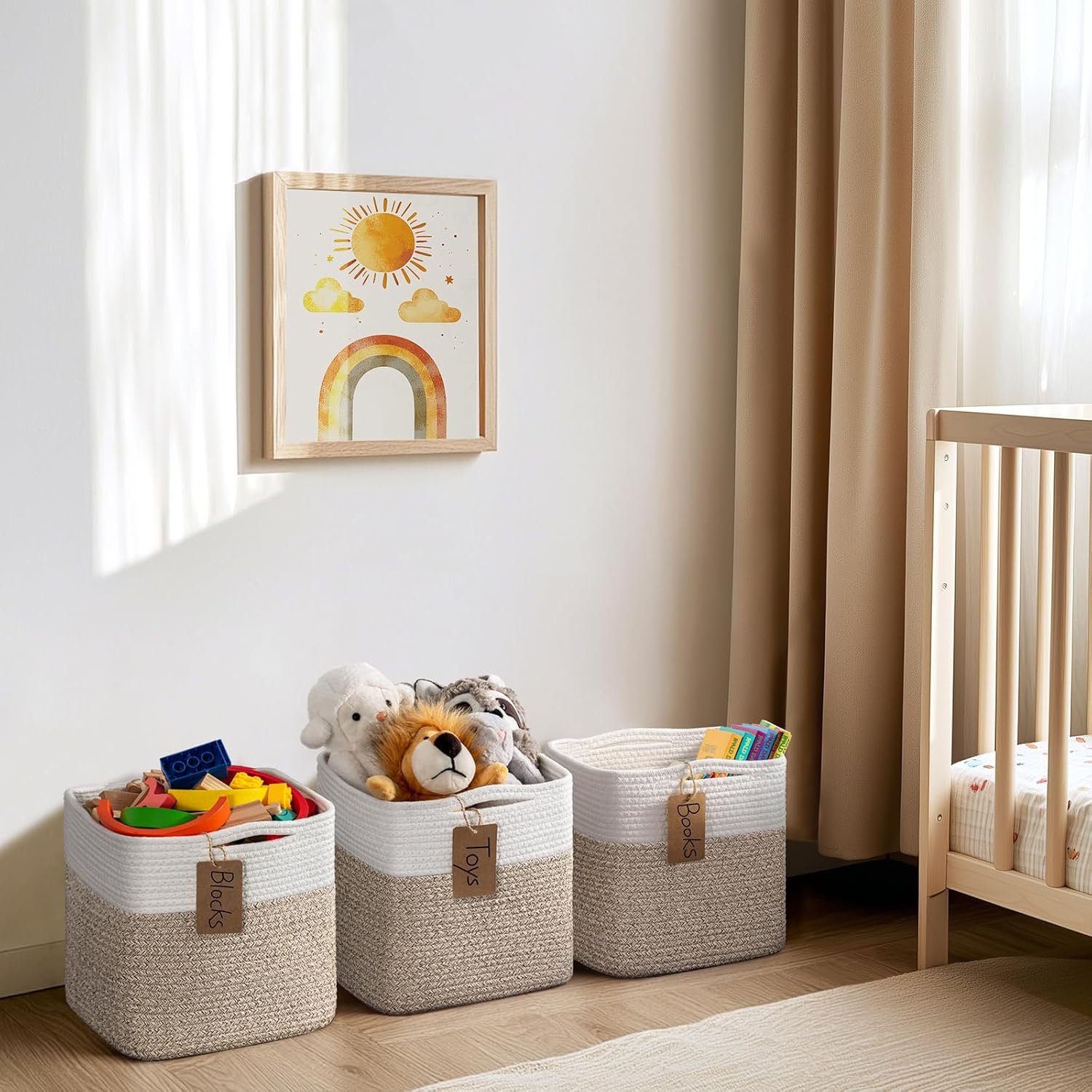
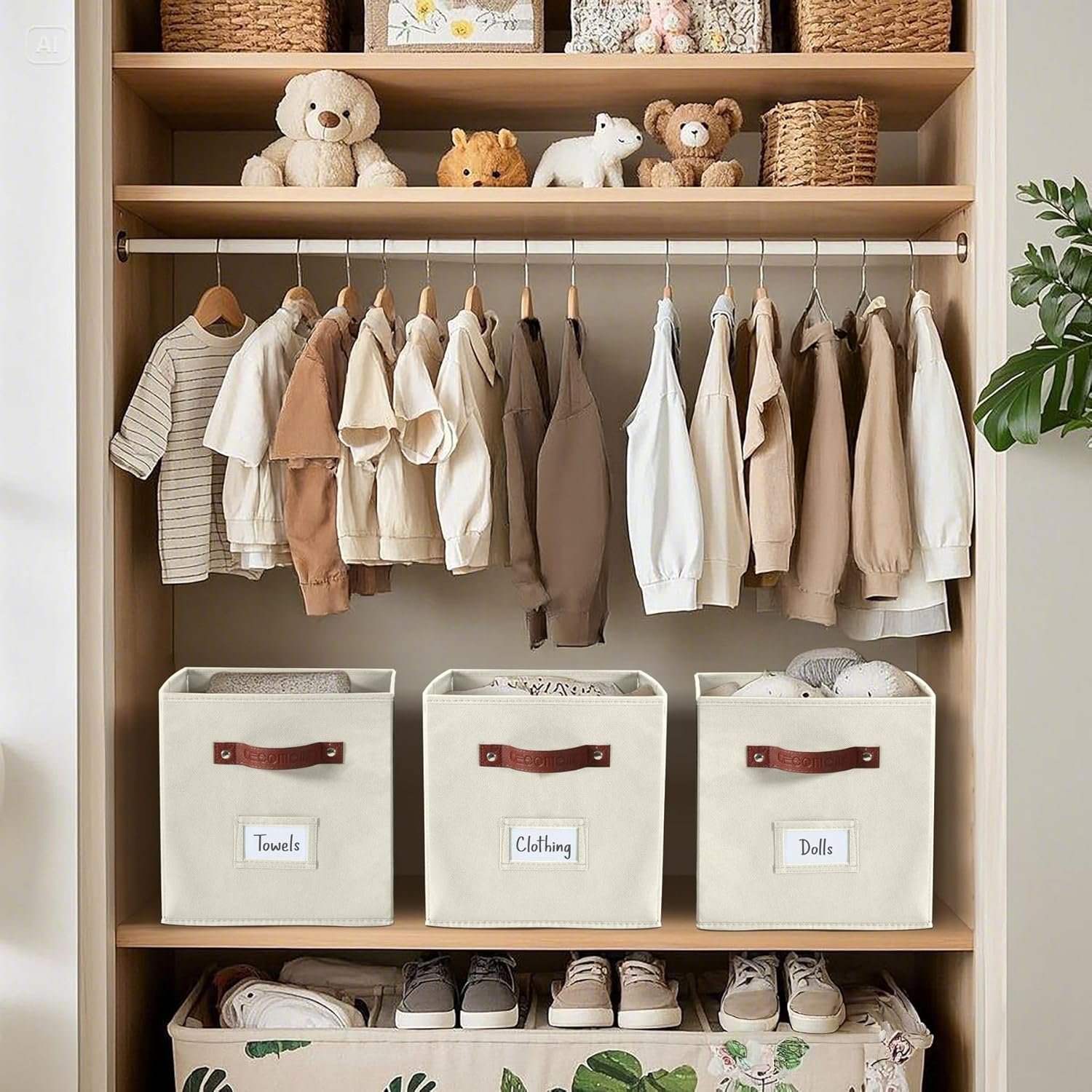
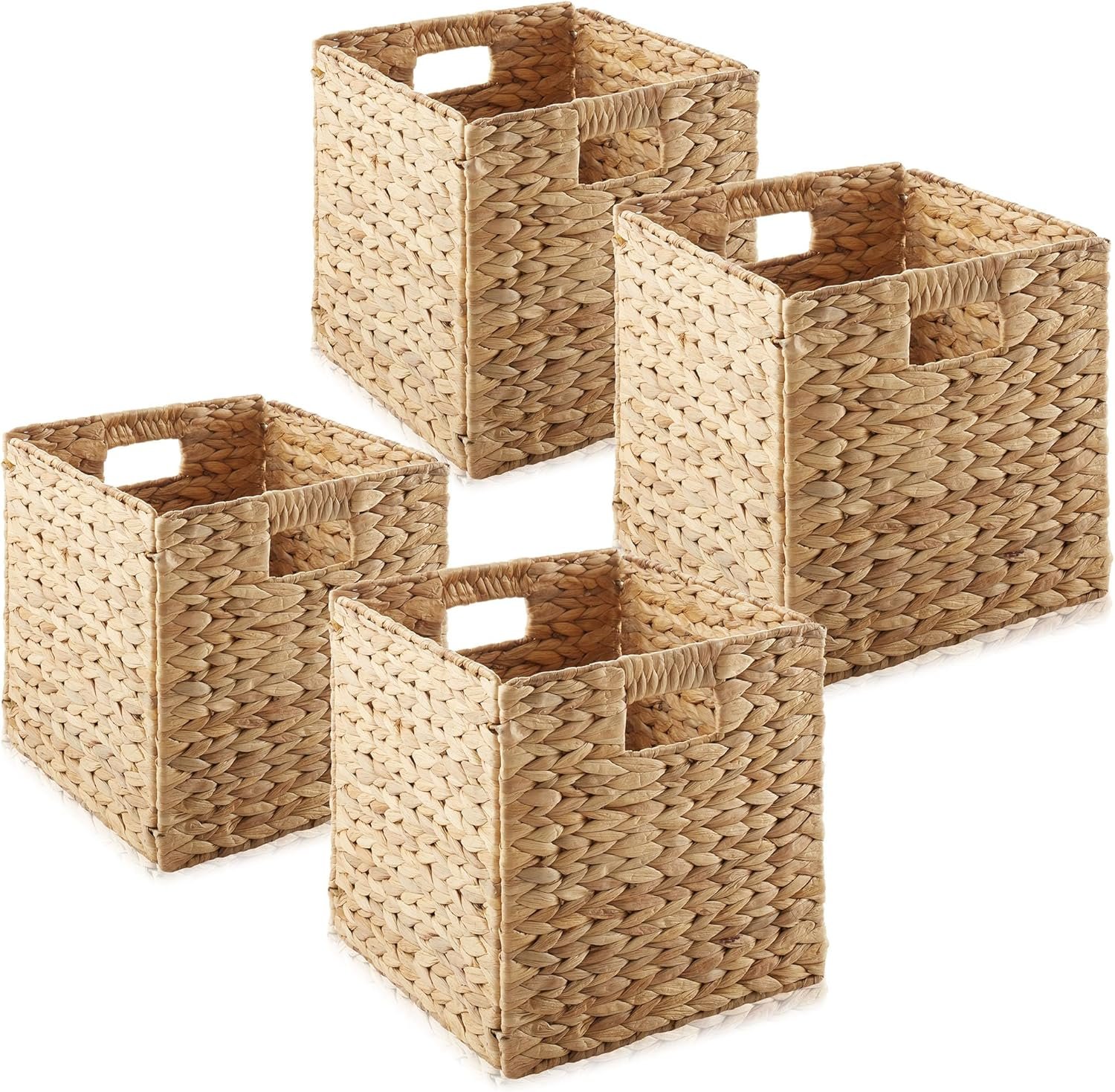
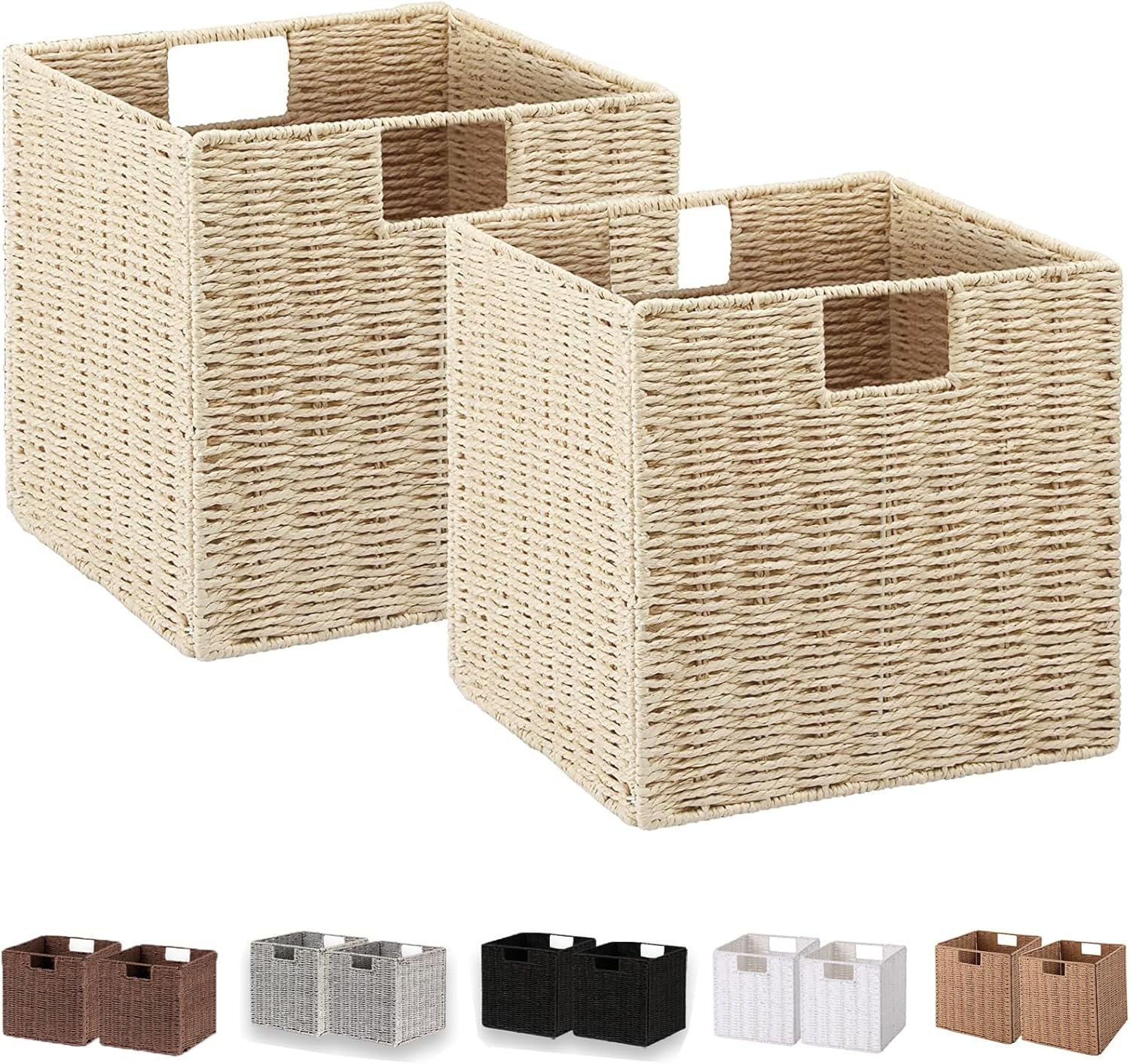
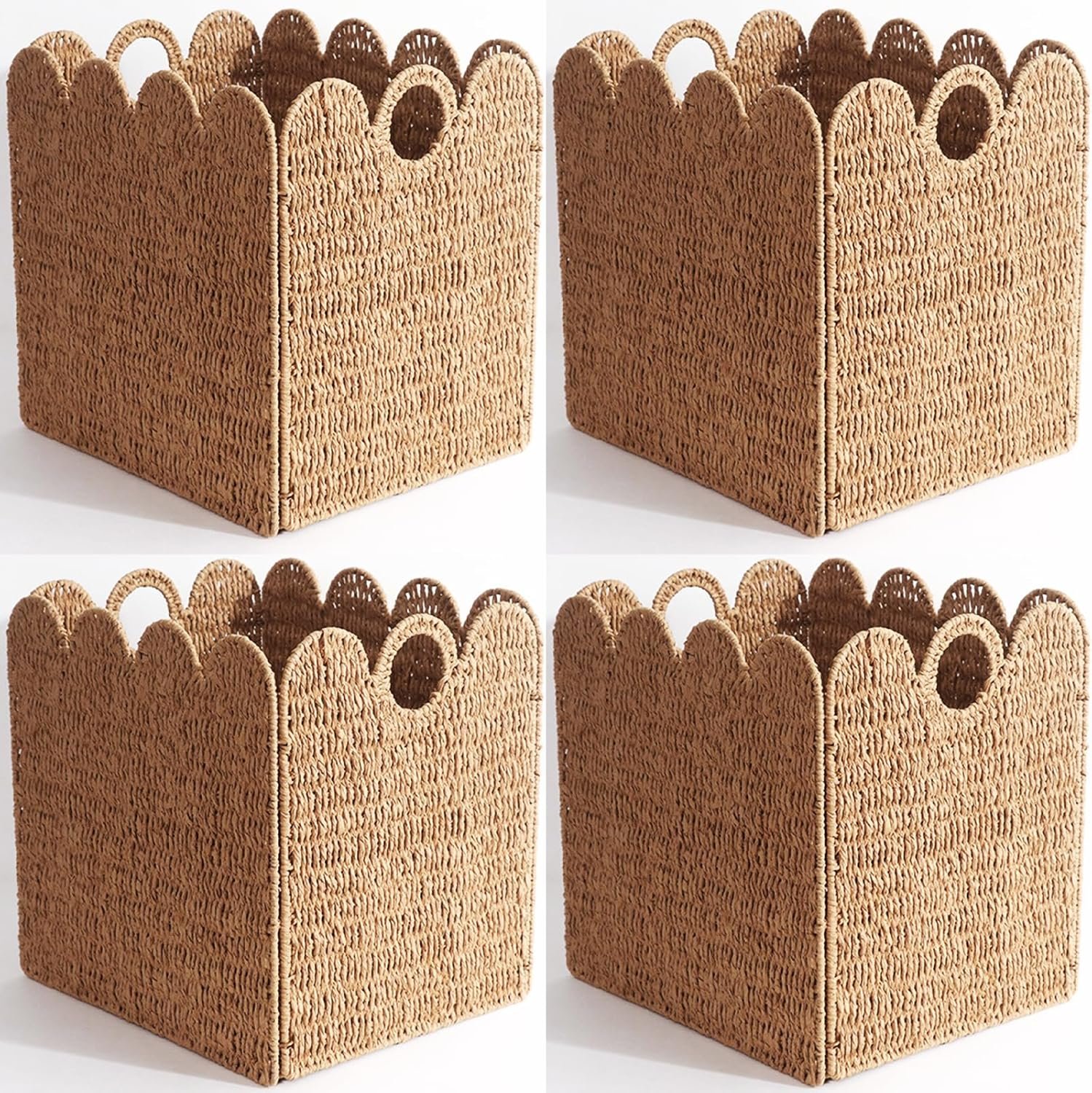
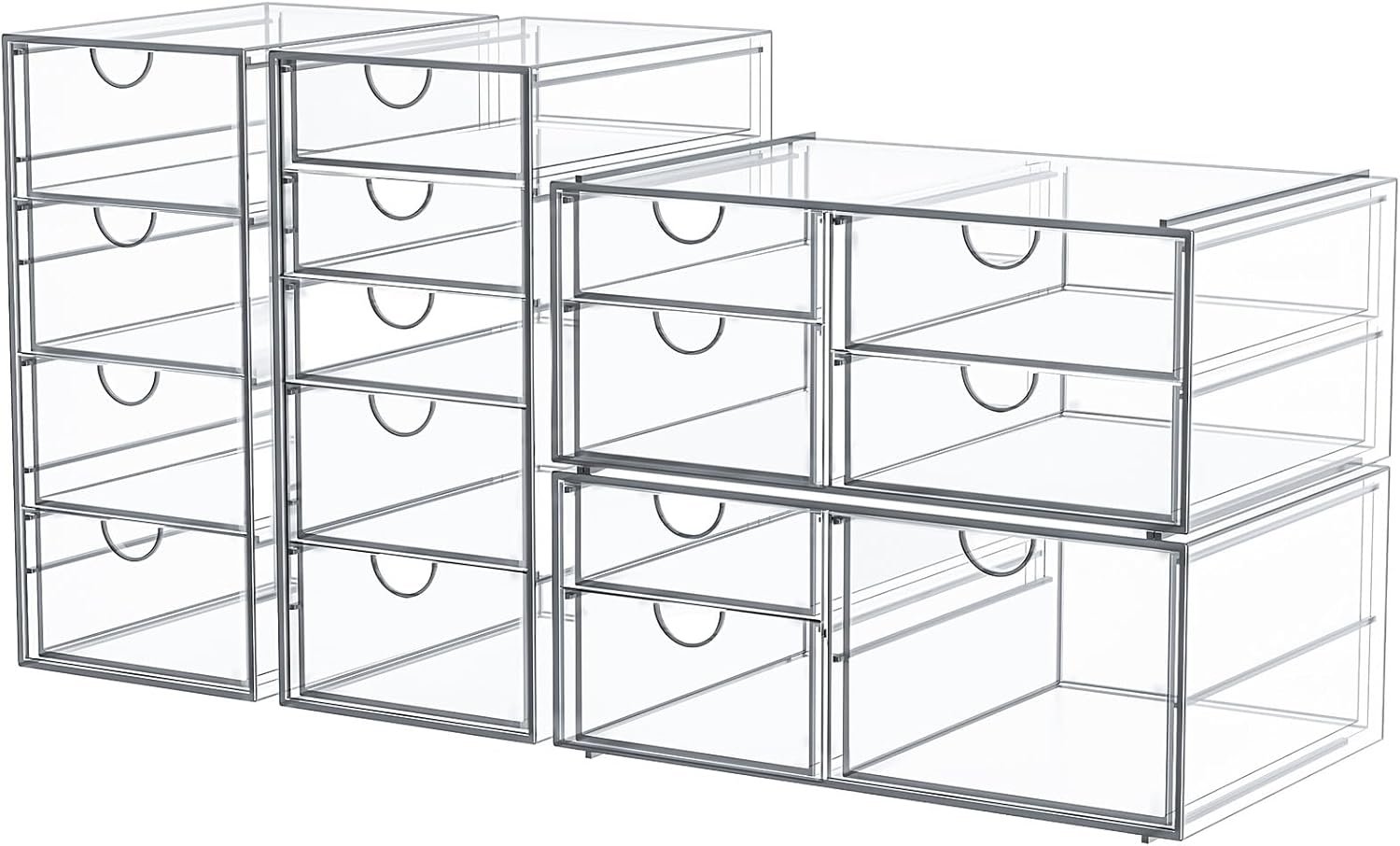
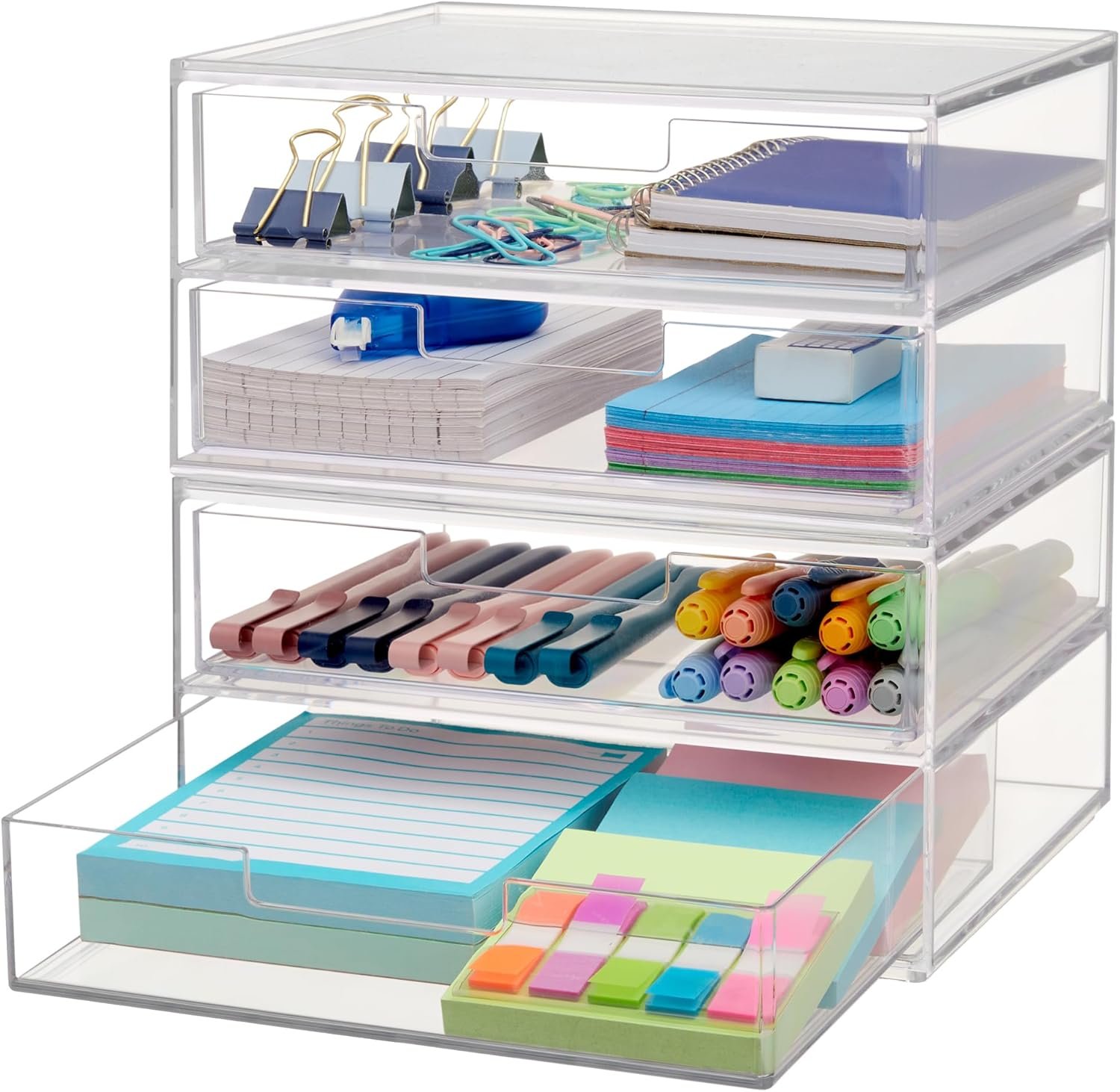
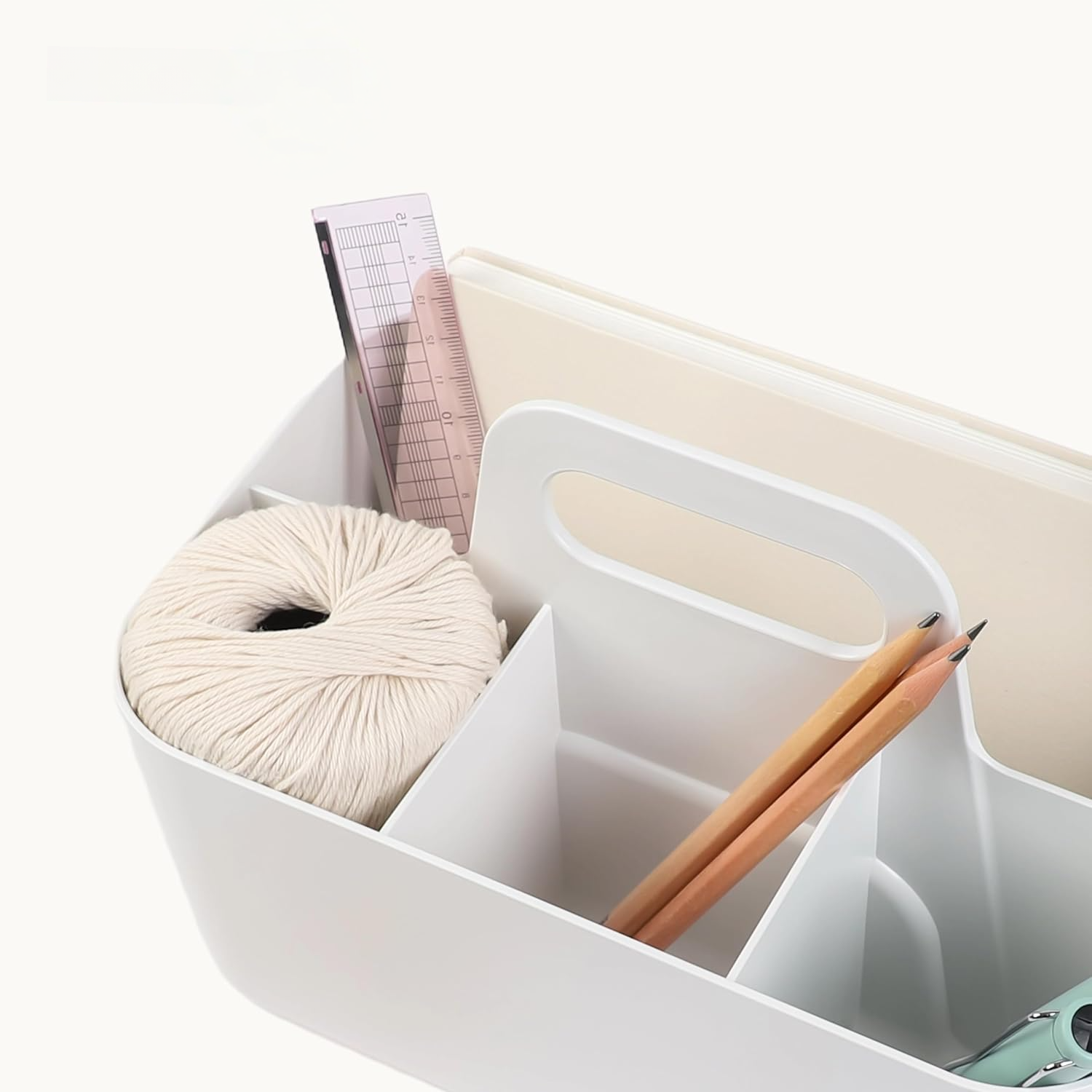
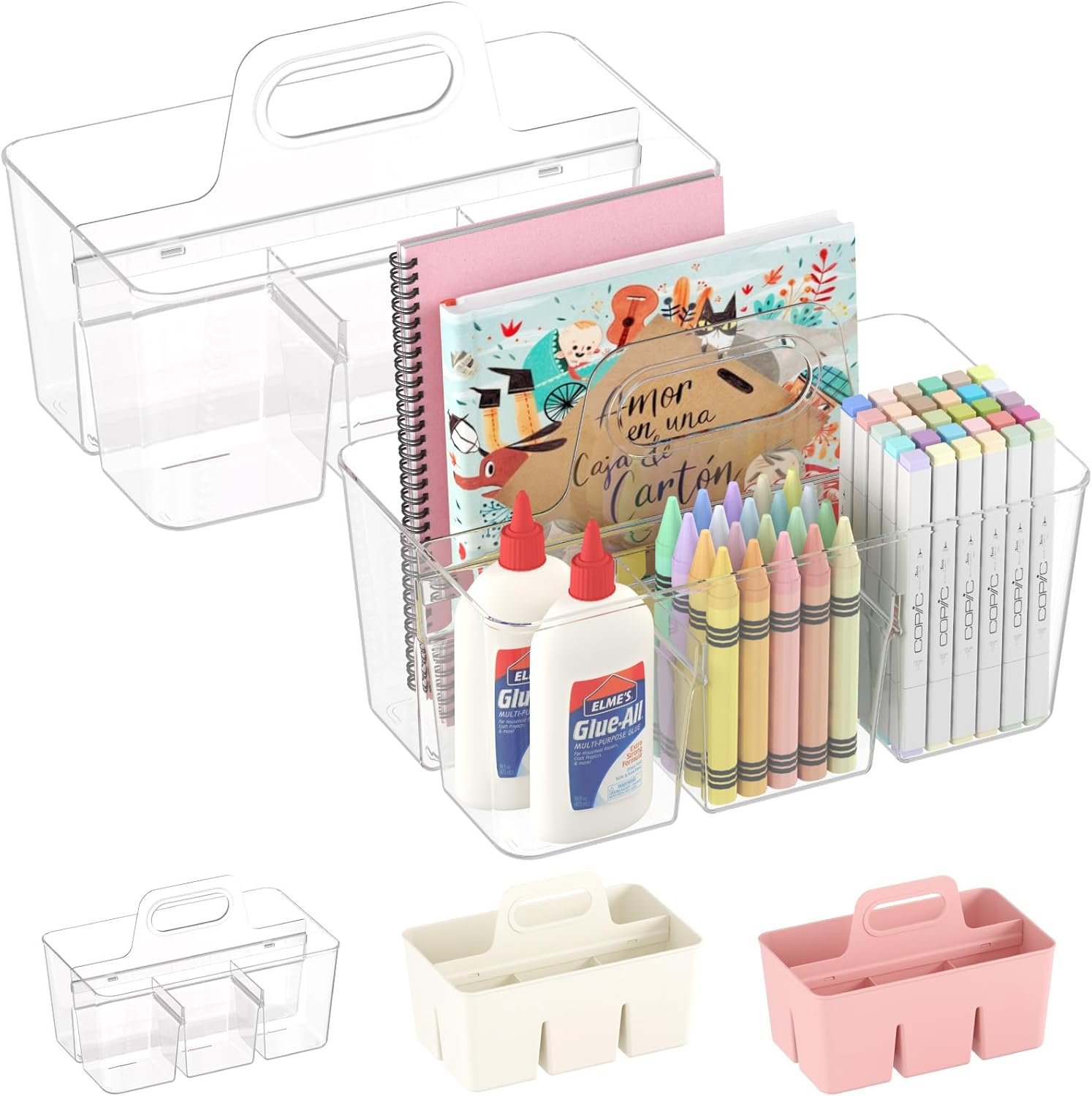
Some Must-have storage solutions for kids’ toys include shelves for books and cases for favorite toys. Also, bins or baskets are great for small items like blocks, dolls, or art supplies.
Maintaining a Clutter-Free Playroom
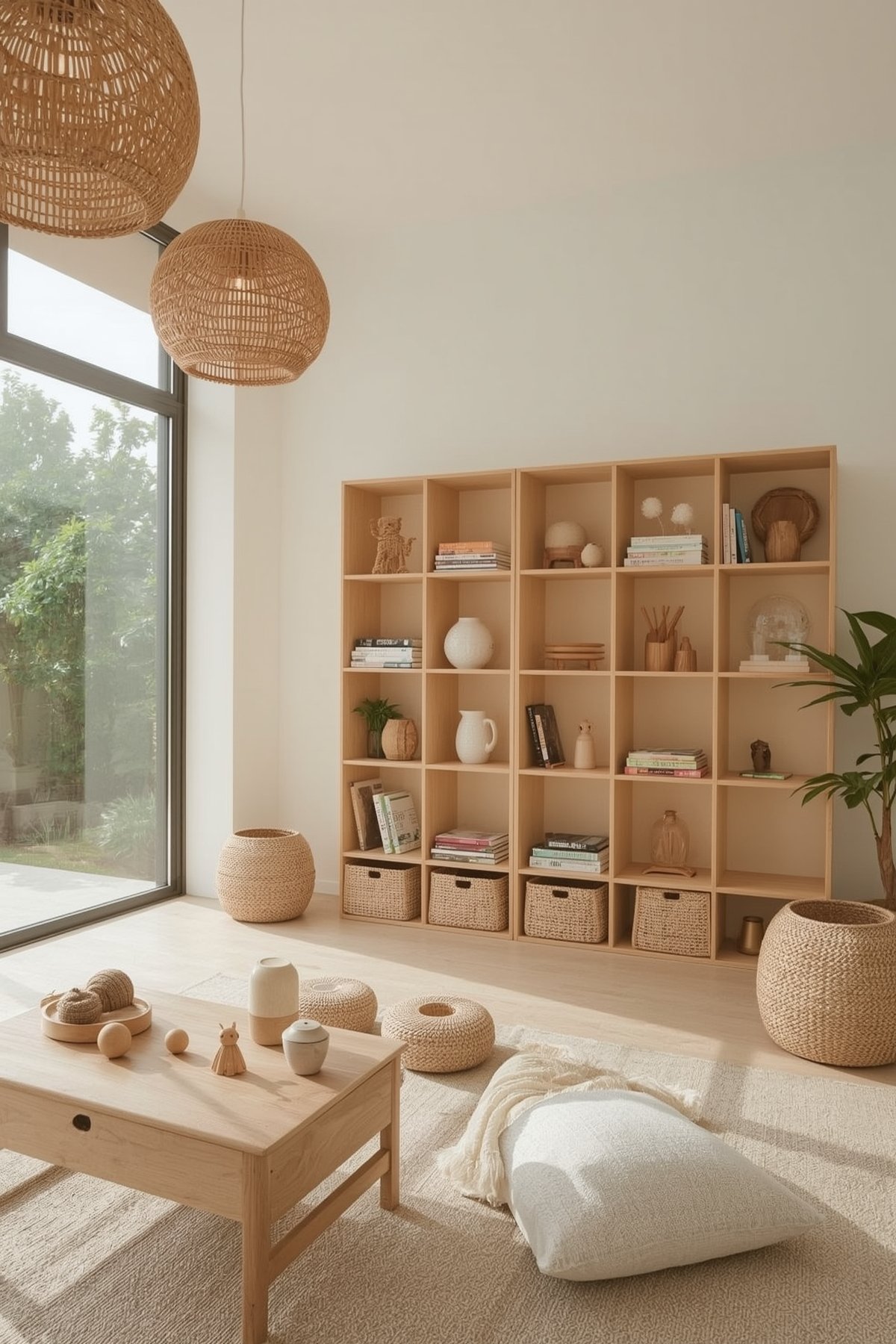
To keep a clutter-free playroom, make cleaning a part of daily life. Kids should help put away toys and supplies after play. Also, sort through toys often and give away or recycle old ones.
Using a “one in, one out” rule helps avoid clutter. This means adding a new toy means getting rid of an old one.
Creating a Multifunctional Playroom
A multifunctional playroom is all about being versatile and smart. It can be a play area, a learning space, or even a temporary workspace. This makes it very useful.
Incorporating Different Activities
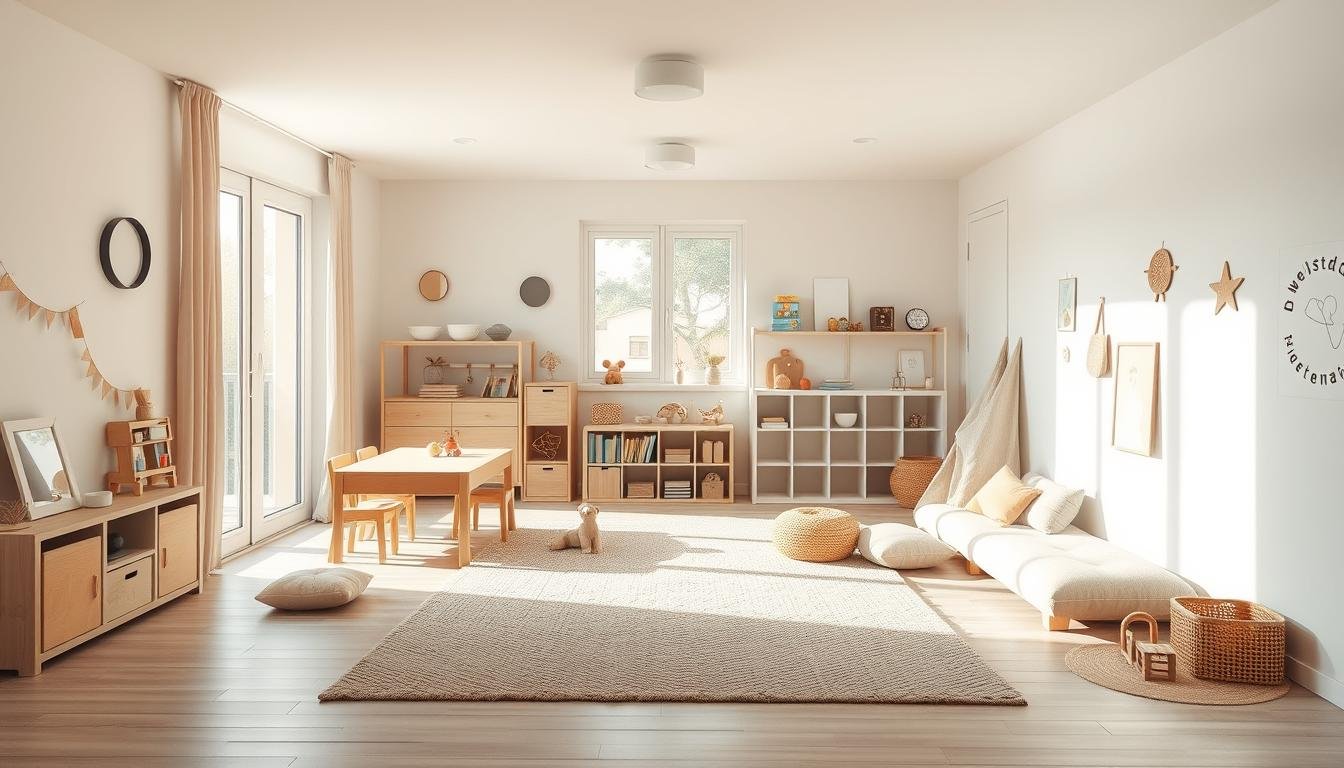
To make your playroom great, add various activities for all ages. Include reading nooks, arts and crafts stations, and active play areas. This keeps the space fun and challenging for kids as they get older.
For example, a cozy reading nook can have a comfy chair or a sofa, a floor lamp, and favorite books. An arts and crafts station can have a table, chairs, and storage for supplies. Active play areas can have climbing structures, balance beams, or a mini trampoline.
Flexible Furniture Solutions
Flexible furniture is key in a multifunctional playroom. It lets you change the space as needed and grow with your kids. Use modular furniture, storage ottomans, and multi-level shelving to save space and be useful.
A storage ottoman can be a seat, a storage spot, and a footrest. Modular furniture can change to fit different needs. Multi-level shelving keeps toys and supplies organized and the floor clear.
With flexible furniture and many activities, you can make a playroom that’s both useful and fun for kids.
Bright and Cheerful Playroom Decor Ideas
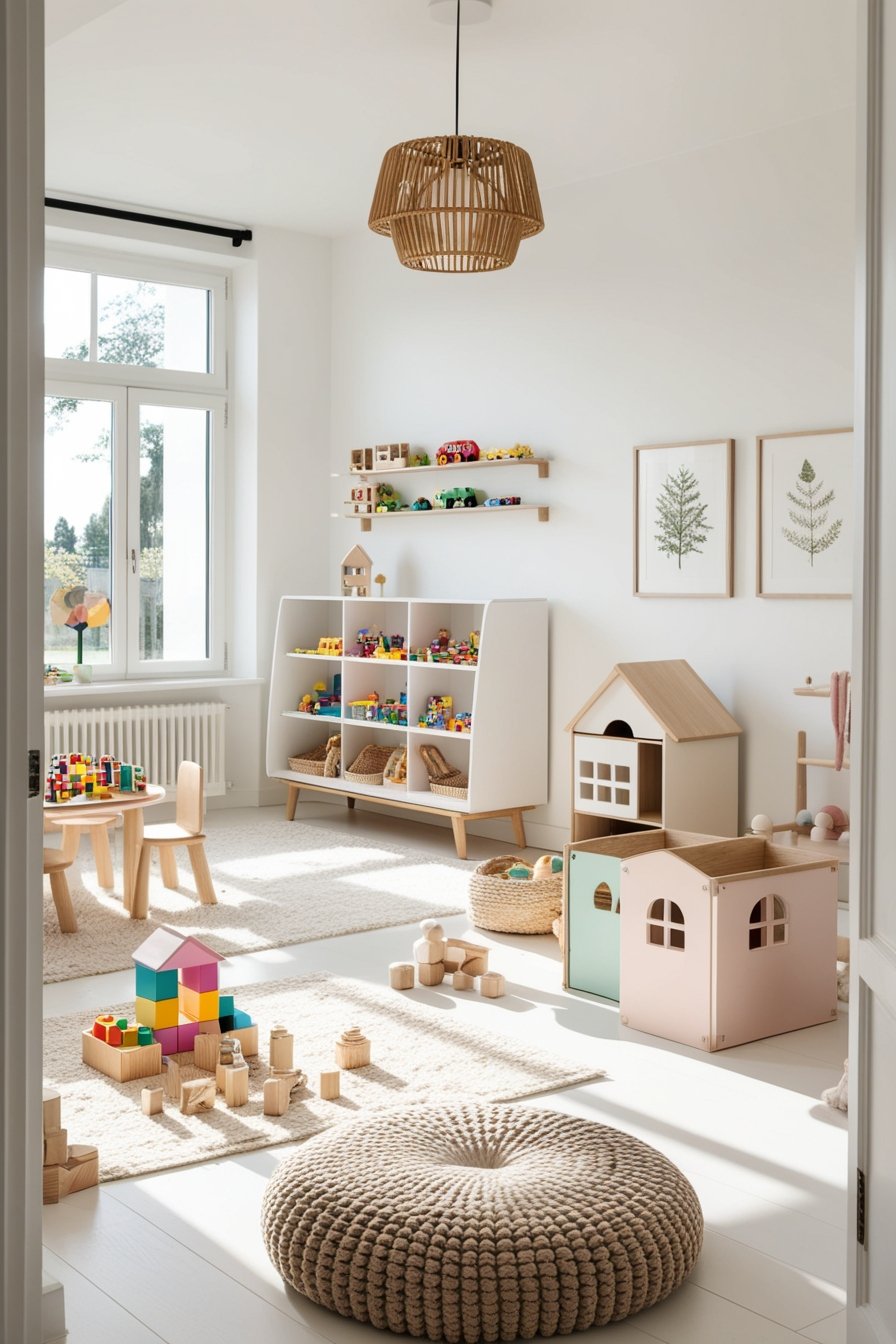
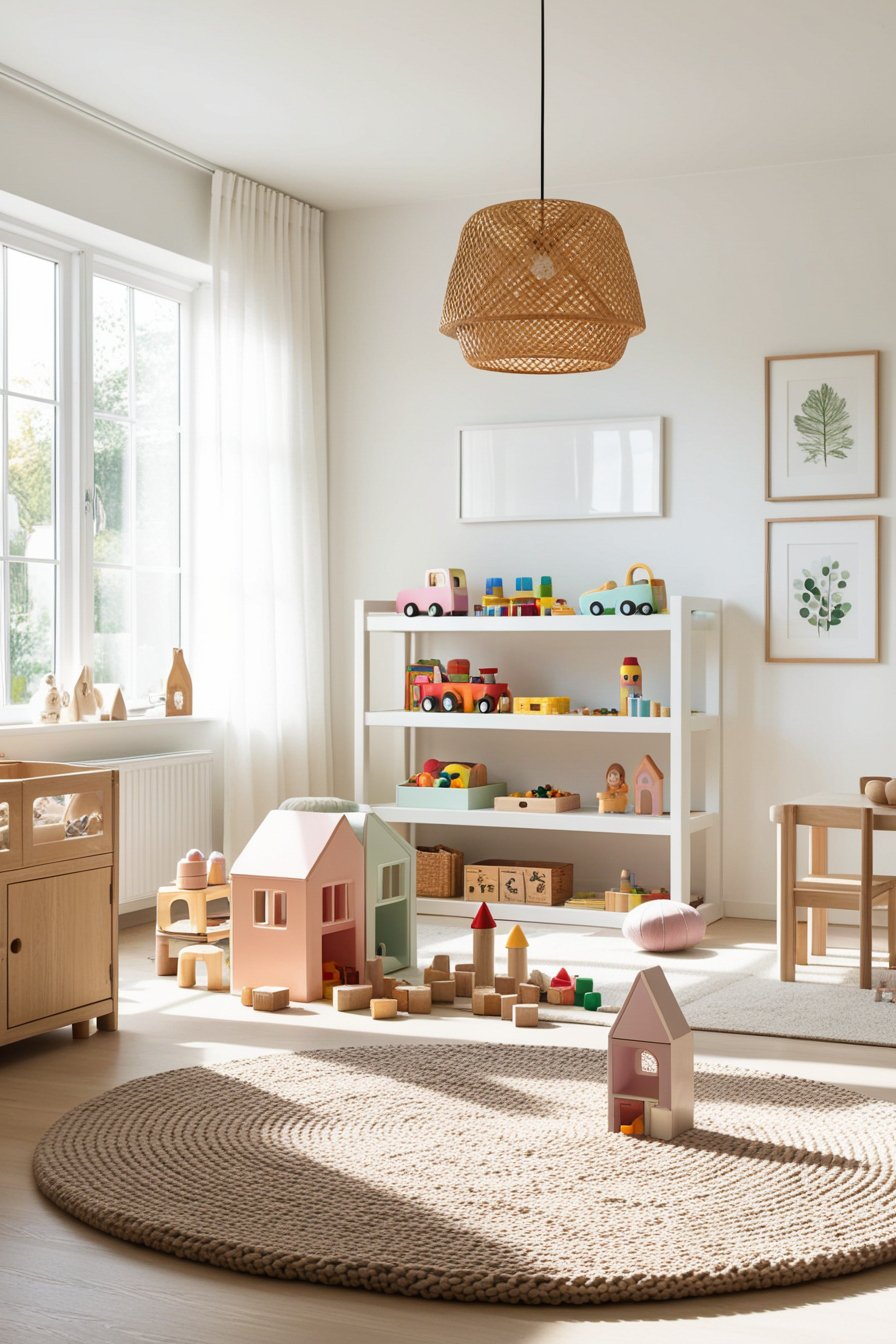
A bright playroom is more than a place for kids to play. It’s where they can be creative and happy. We’ll look at how to make a playroom welcoming with colors, textures, and fun decor.
Colorful Accents and Textiles
Colorful accents and vibrant textiles can make a playroom feel lively. Add throw pillows, rugs, and curtains in bright colors. These items add interest and different textures, making the room fun for kids.
Choose durable, easy-to-clean textiles. Bright colors can tie the room together or add fun touches. For example, a red rug with yellow and blue pillows creates a happy atmosphere.
Whimsical Decor Elements
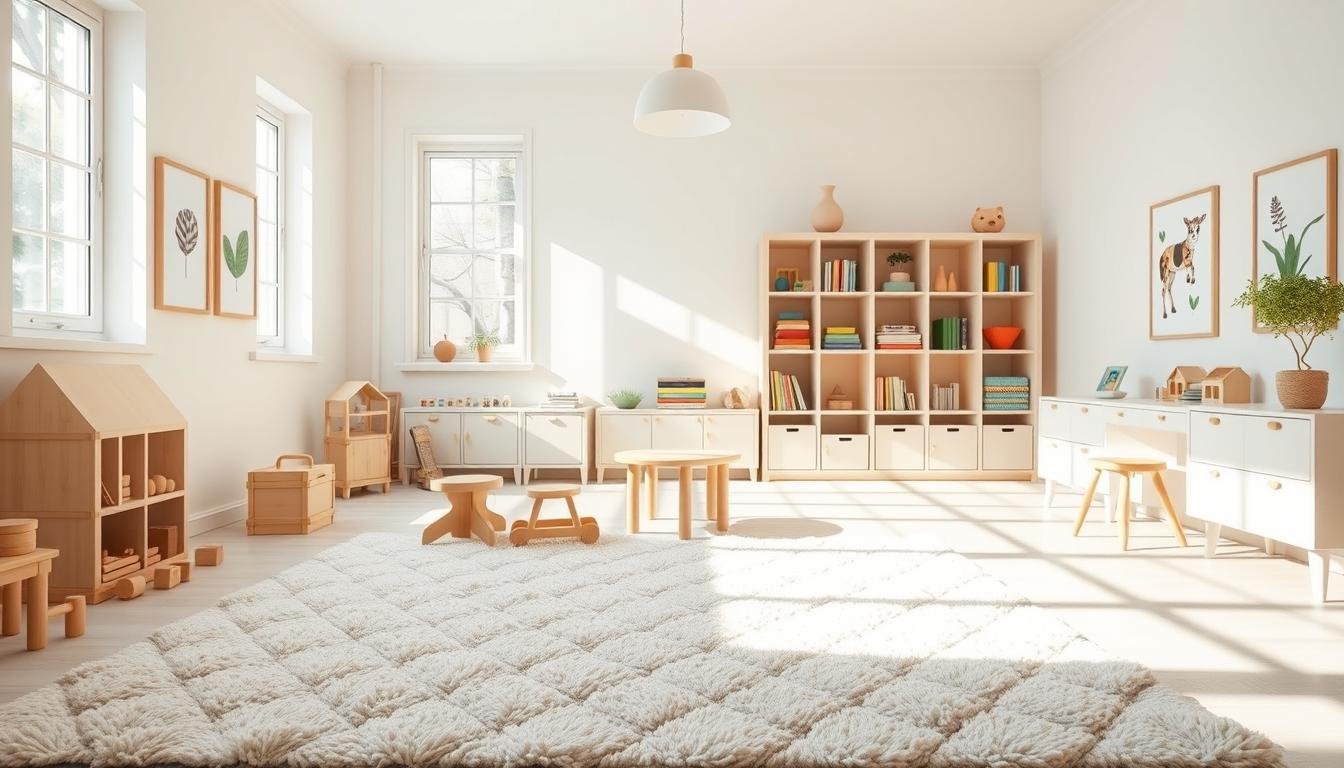
Whimsical decor adds magic to a playroom. Think about wall decals, mobiles, or unique art. These items excite kids and spark their imagination.
Make the room special by adding things your child loves. A room themed around a favorite cartoon or nature can use themed decor. This makes the space feel like their own.
By mixing colors, textures, and whimsical decor, you create a fun playroom. It’s a place where kids can play, learn, and grow happily.
Interactive Elements for Summer Playrooms
Interactive elements are key in a summer playroom. They help kids explore and learn. Mixing DIY projects with fun activities makes the space both enjoyable and educational.
DIY Playroom Projects
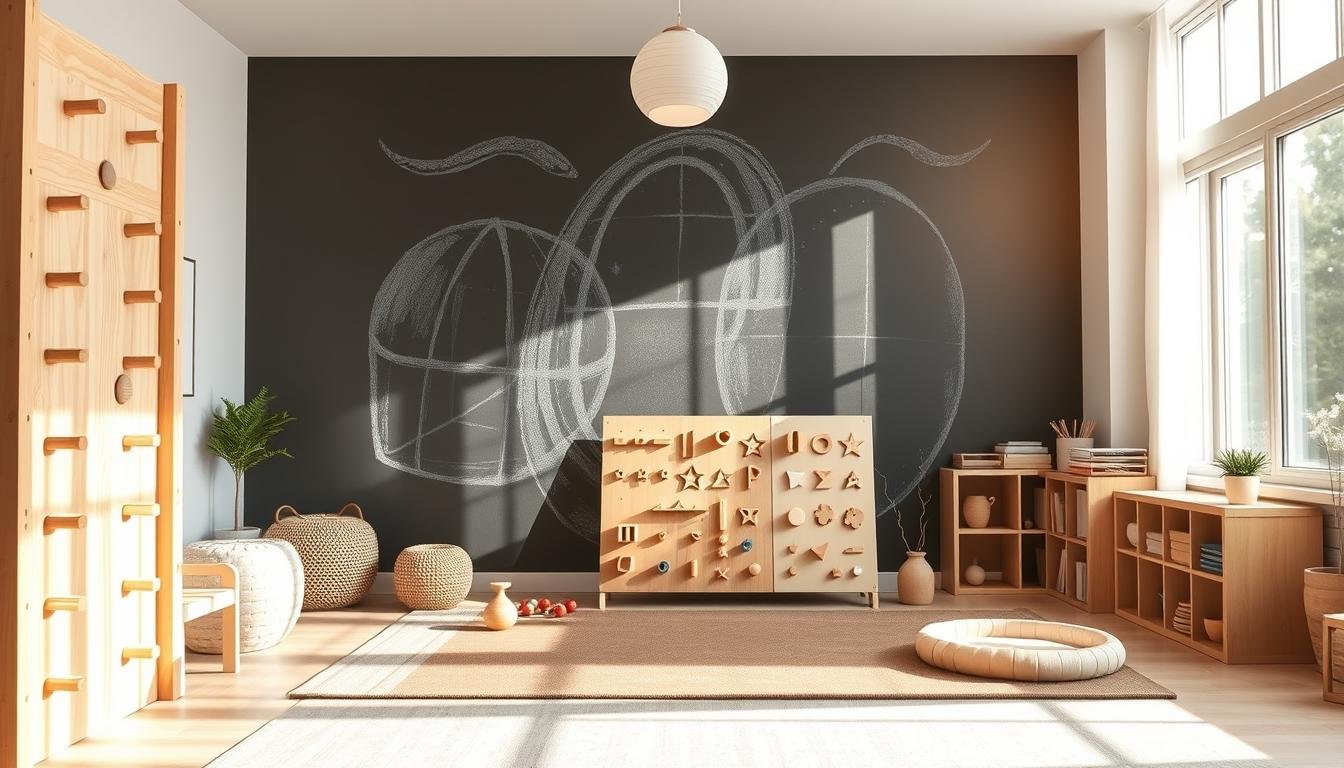
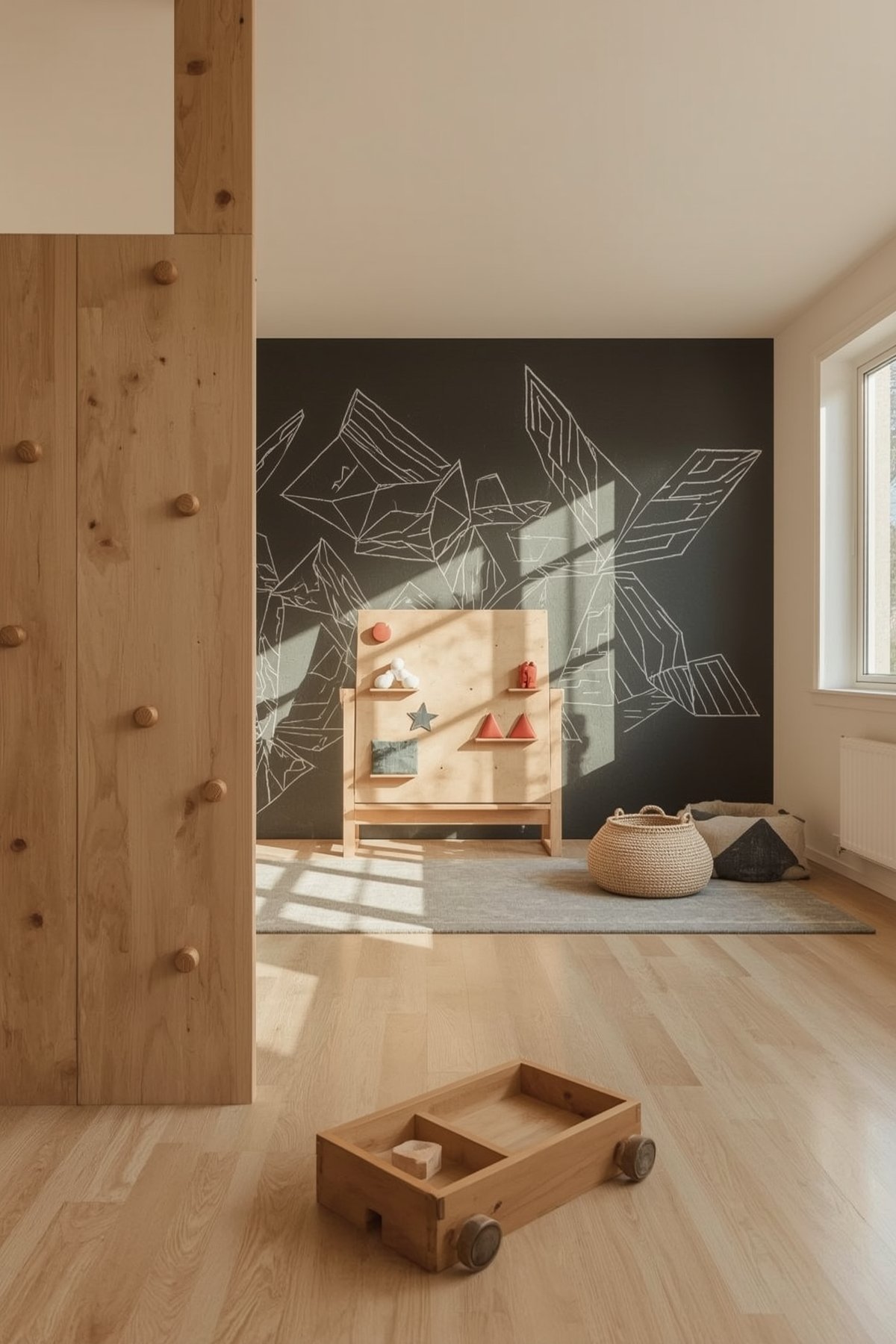
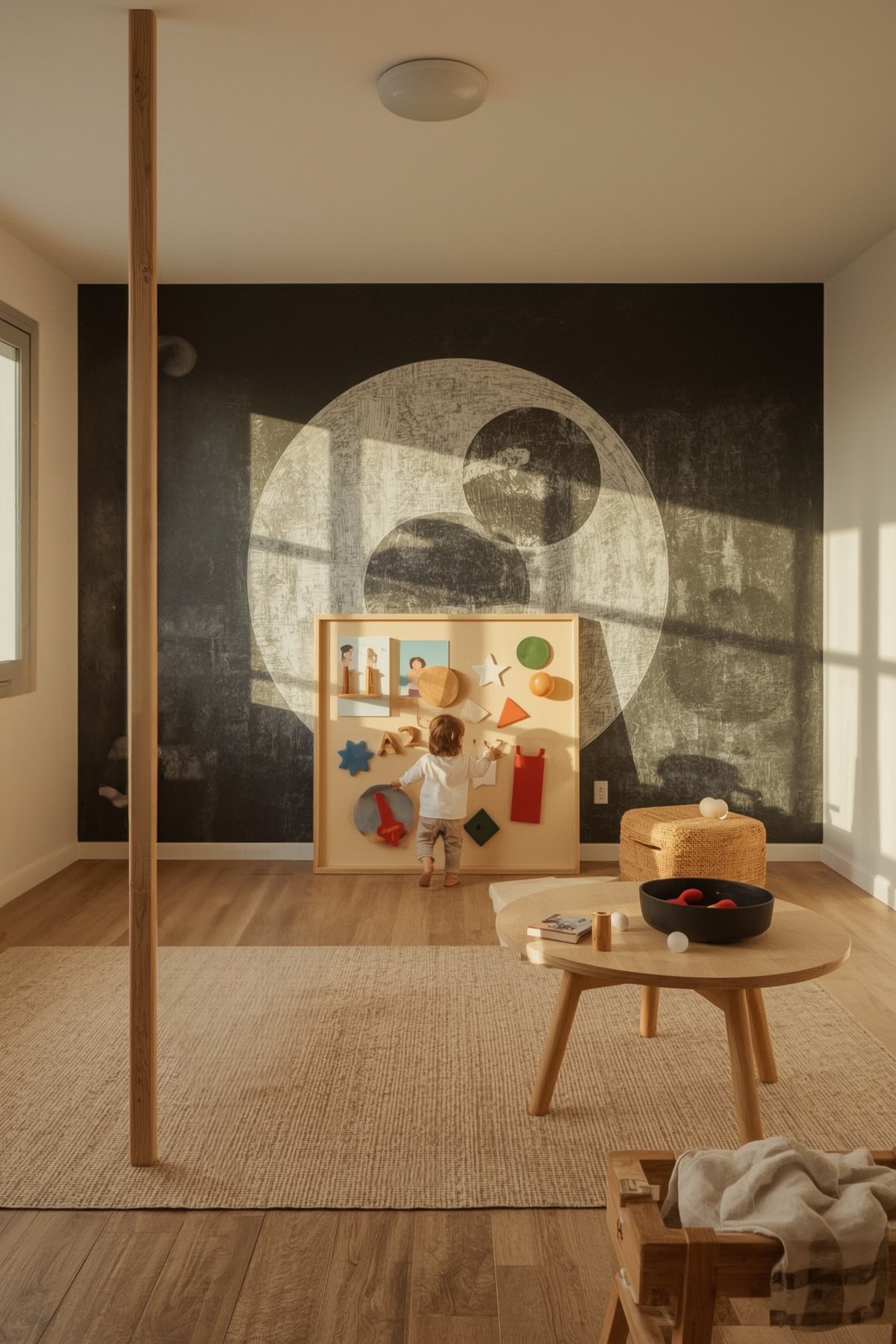
DIY projects are great for adding fun to your summer playroom. You can make a chalkboard wall or a DIY craft station for creativity. Building a reading nook or a fort with pillows and blankets is also a good idea.
These projects are not just fun. They also help kids solve problems and use their imagination. Making DIY projects together with your kids makes it a fun team effort.
Engaging Play Activities
Engaging activities are also important for a summer playroom. You can have a science experiment station or a cooking area for hands-on learning. Adding outdoor games or indoor scavenger hunts keeps kids active and interested.
To keep your playroom exciting, change activities with the seasons. Try a summer-themed craft corner or have indoor picnics.
By mixing interactive elements, DIY projects, and fun activities, you can make a summer playroom that’s both fun and educational for your kids.
Summer-Friendly Playroom Setups
Creating a summer-friendly playroom is more than looks. It’s about being functional and comfy. As seasons change, our homes, like playrooms, must adapt to keep kids happy and engaged.
Key to a summer playroom is its ability to change with the seasons. Use storage bins and baskets that can be labeled and moved as needed. This keeps the playroom tidy and relevant.
Adapting to Seasonal Changes
Changing your playroom for the seasons is more than just decor. It’s about making it functional and fun all year. Use flexible furniture and play areas that serve many purposes. For example, a storage ottoman can be a seat and a place to store toys.
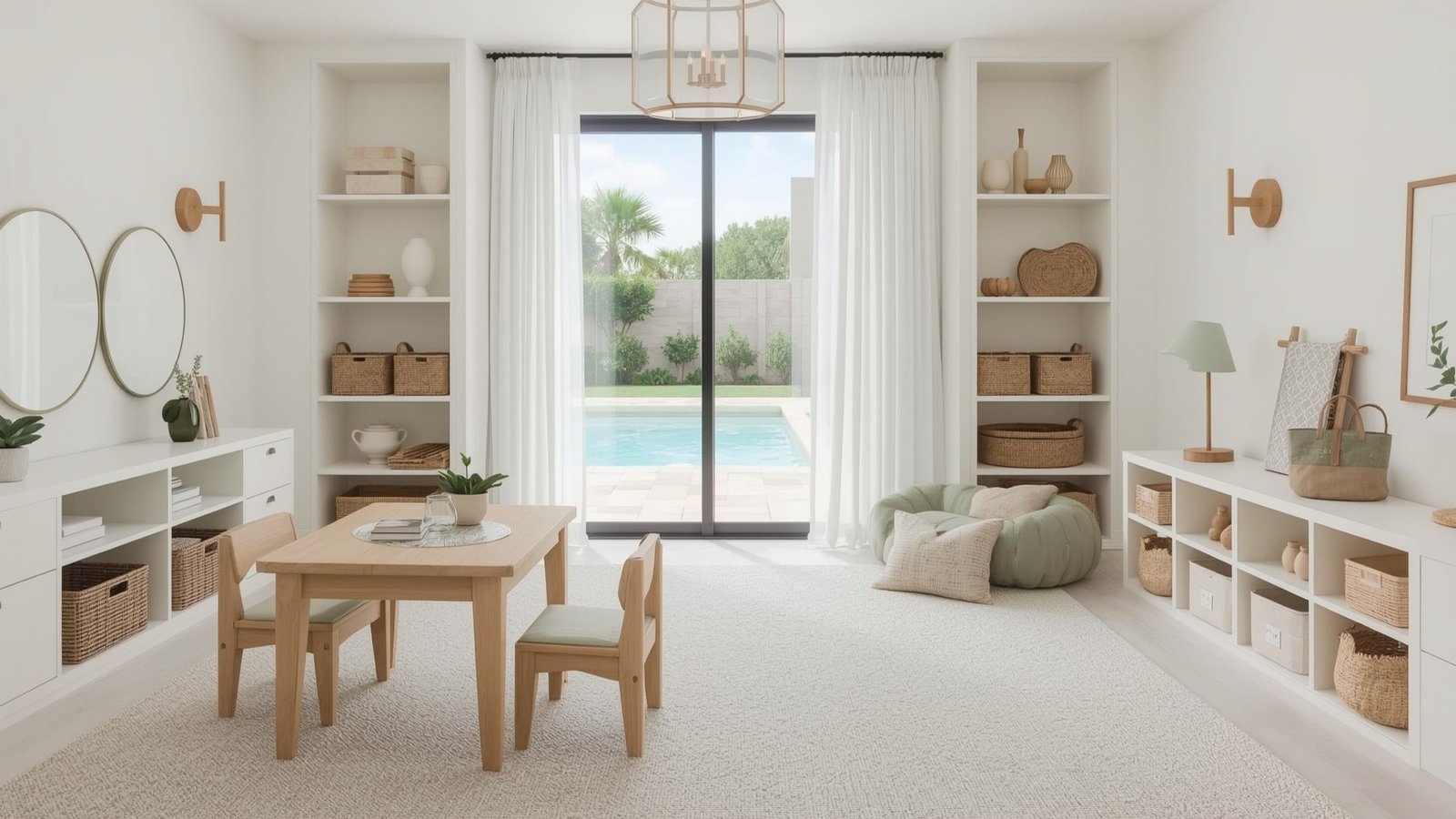
As summer arrives, add light and fresh touches. Use light-colored textiles and natural materials in your decor. Adding plants or fresh flowers can also bring summer vibes to the room.
Seasonal Decor Ideas
For seasonal decor, aim for simplicity and versatility. Start with a neutral base and add seasonal touches. For summer, think bright colors and beachy themes. Use colorful rugs, beach art, or summer toys to decorate.
Another idea is to bring outdoor play elements inside. This could mean indoor toys or a play area that feels like the outdoors. Try a nature mural or a window seat with a view.
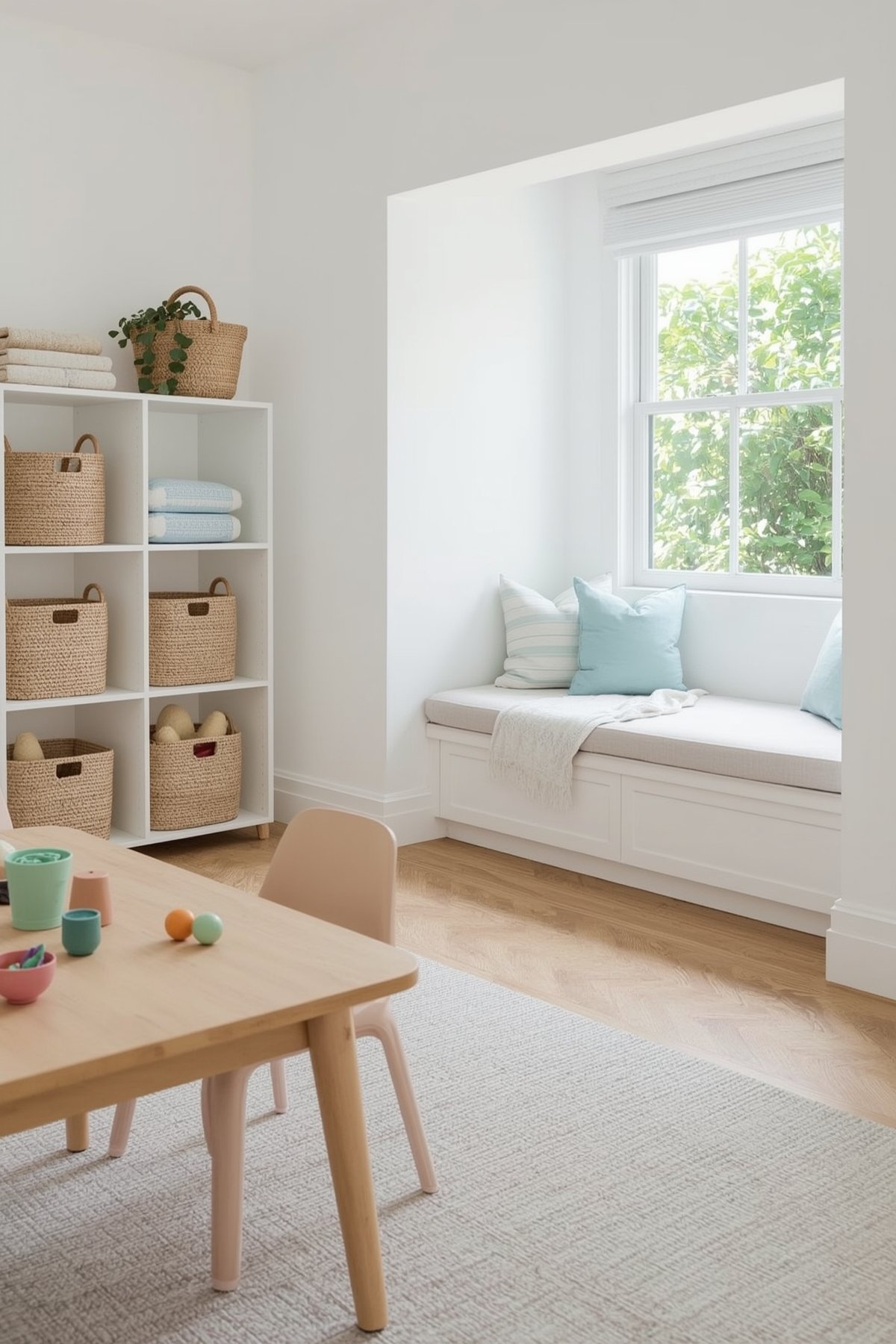
Planning a Japandi-Inspired Playroom
Starting to design a Japandi playroom, I first look at the space. It’s about mixing minimalism with function, perfect for kids to play and learn. Adding Best Japandi summer playroom ideas for kids makes it look and work better.
Assessing Your Space
First, I measure the room and note its layout. This helps plan the space well. It ensures the room is used right.
Think about the room’s natural light. Japandi design loves light. Also, make sure there’s room for kids to move around.
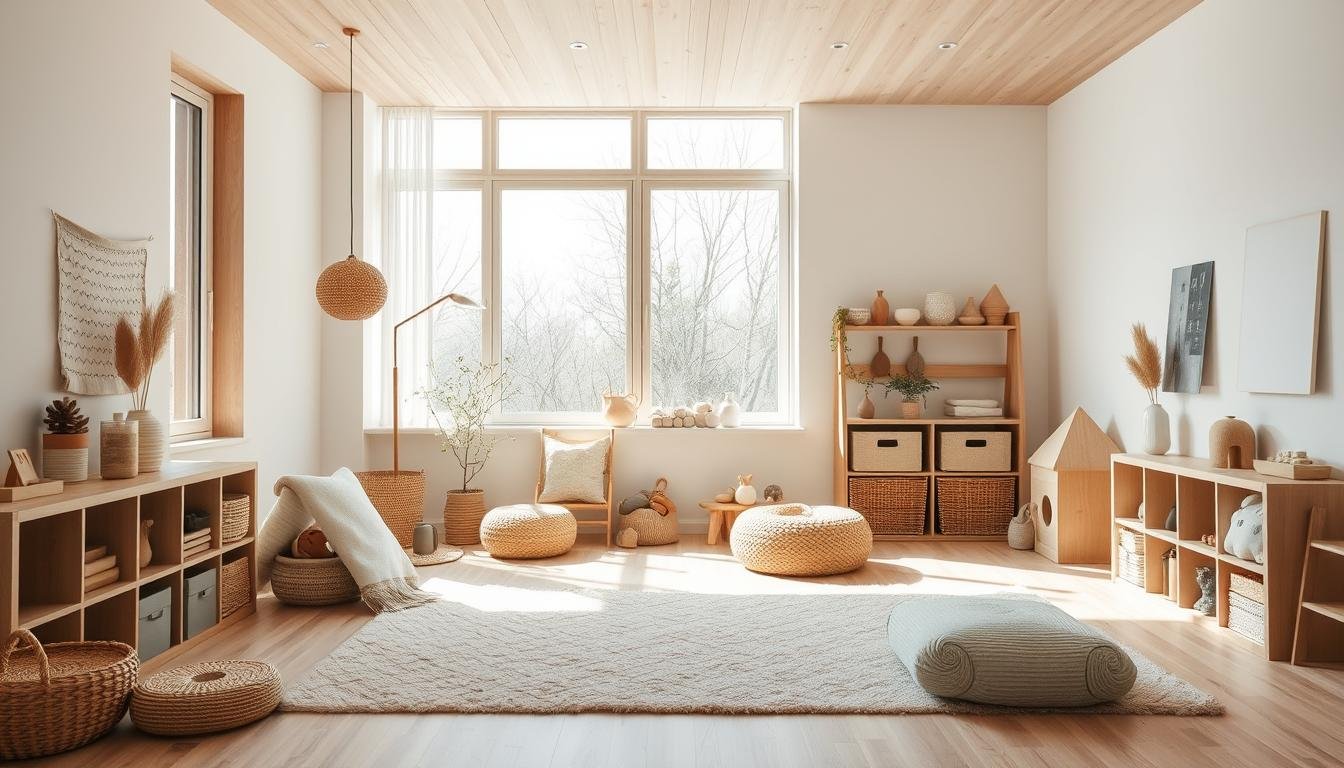
Selecting Japandi-Inspired Furniture
Finding the right furniture is key for a Japandi playroom. I choose pieces that are simple and minimal. Japandi-inspired furniture that does more than one thing keeps the room tidy and pretty.
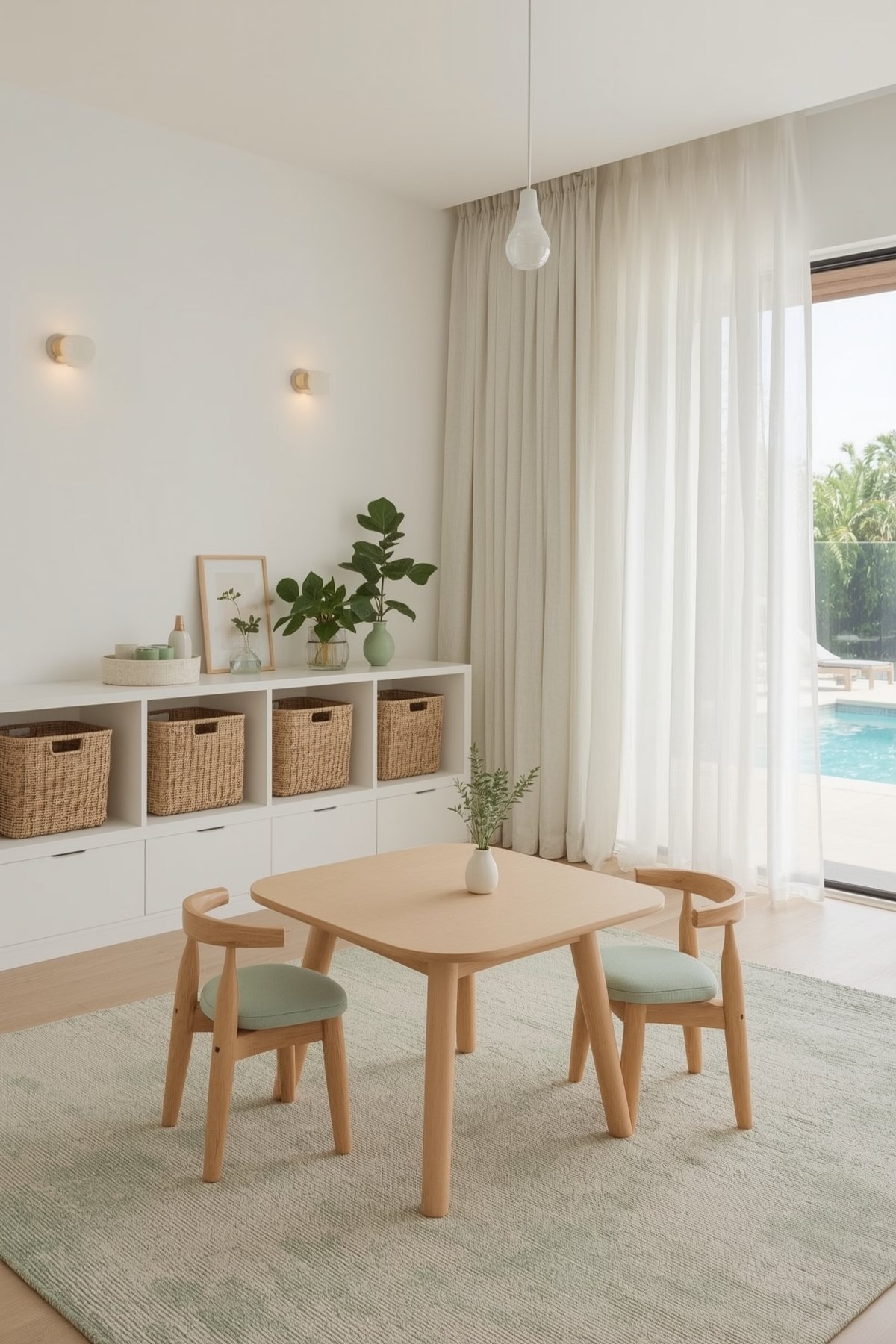
Look for low sofas, simple shelves, and wooden items with clean lines. These pieces show off Japandi style and help keep the space neat.
By picking the right furniture, you make a Japandi playroom that looks good and works well. This careful design makes the room a calm and fun place for kids.
Case Studies: Real-Life Japandi Playroom Examples
Looking at Japandi playrooms shows us what makes them special. They mix Japanese simplicity with Scandinavian warmth. This creates a calm yet fun space for kids.
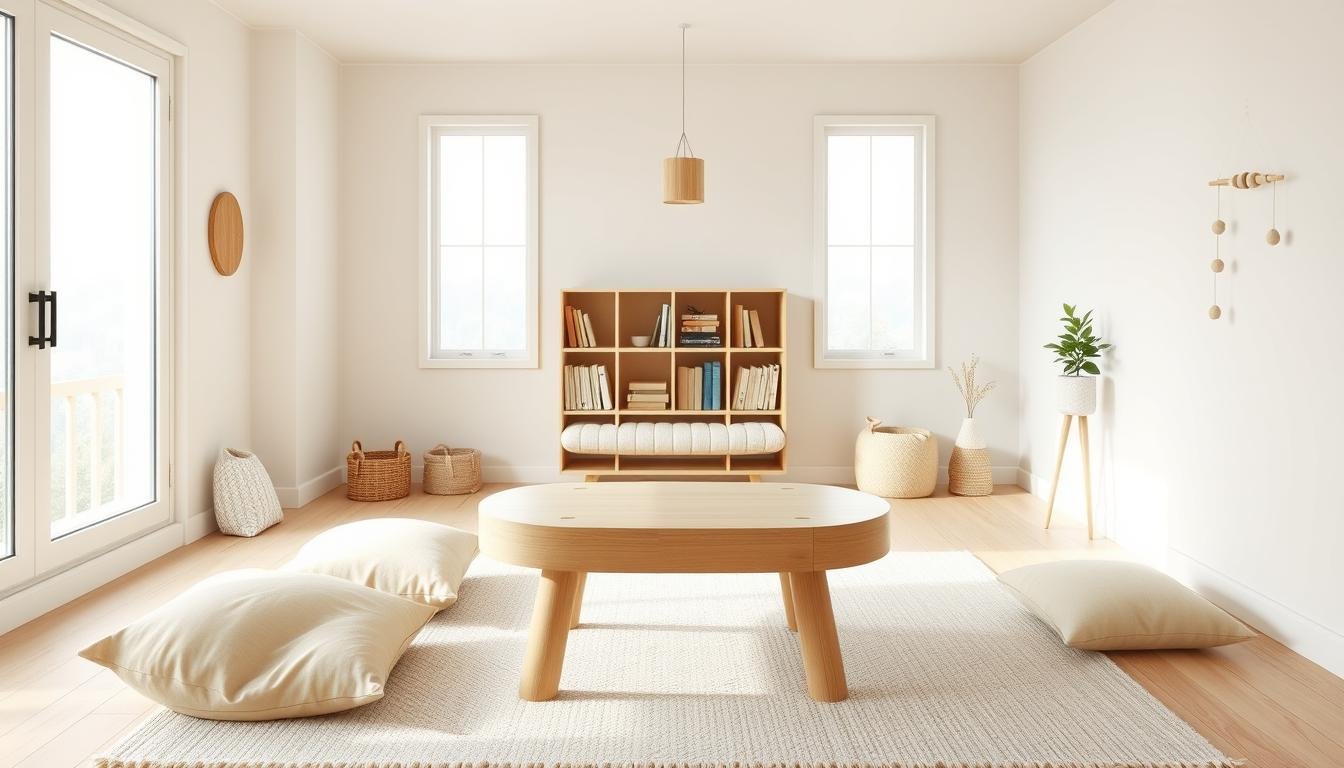
Successful Japandi Playroom Designs
Good Japandi playrooms use natural materials and soft colors. This makes the room peaceful yet exciting for kids. Wooden furniture and soft fabrics add warmth without clutter.
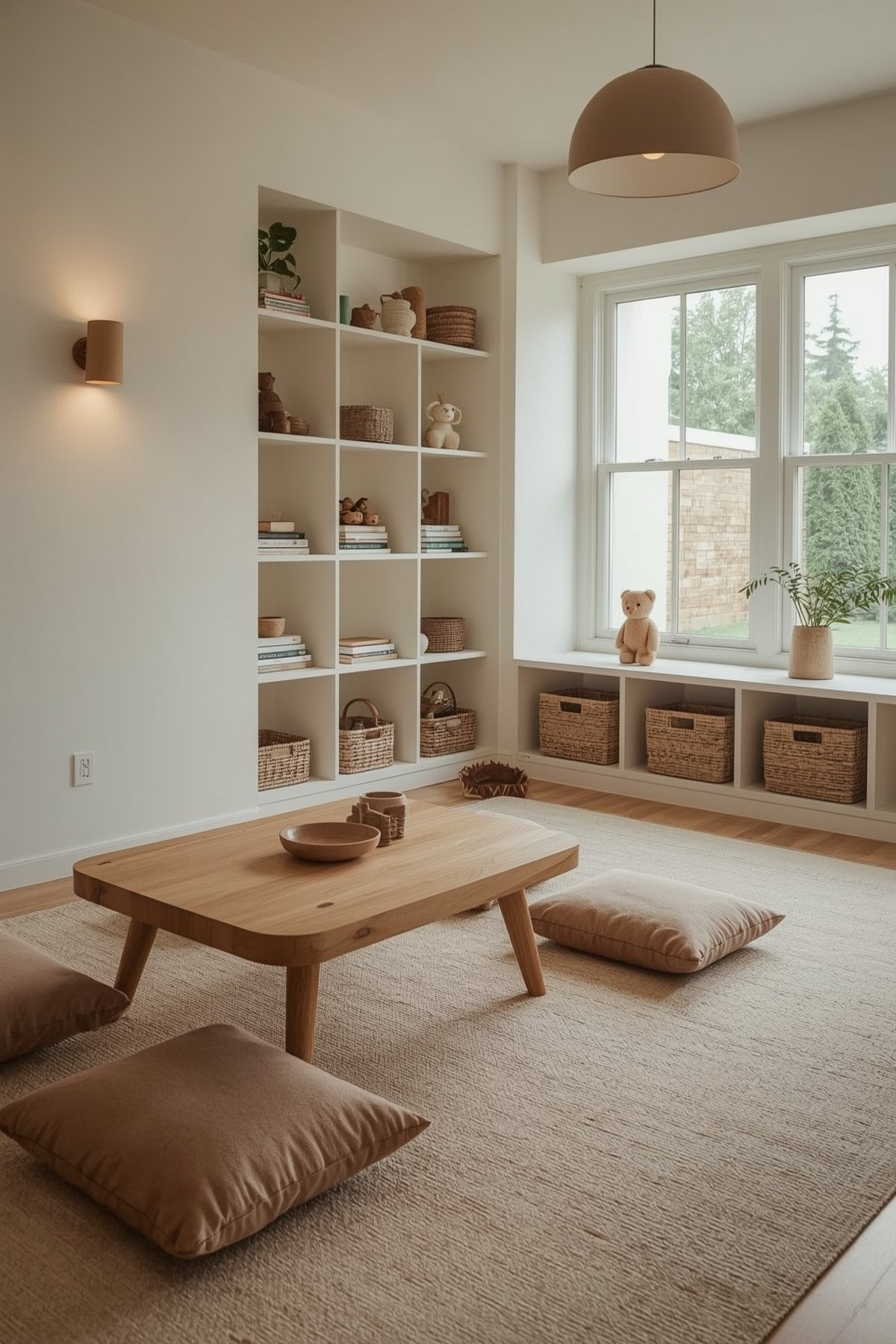
For example, a playroom might have a calm color and wood accents. It has a low table and chairs for kids to play. Baskets and simple shelves keep toys tidy, keeping the room calm.
Lessons Learned from Japandi Playroom Examples
These playrooms teach us about flexibility and function. Using furniture that changes with the child’s age is smart. Adding plants or a vase with branches also makes the room feel calmer.
Another important lesson is the power of simple decor. Japandi design keeps things simple. This lets kids play without getting distracted by too much stuff. This way, the playroom is both lovely and good for kids to play and grow.
Maintaining Your Japandi Playroom
To keep your Japandi playroom calm, create a maintenance plan. Regular care keeps it tidy and the Japandi look alive.
Tips for Keeping Your Playroom Organized
Japandi design loves minimalism. So, organize your playroom well. Use natural materials like wood and bamboo for storage.
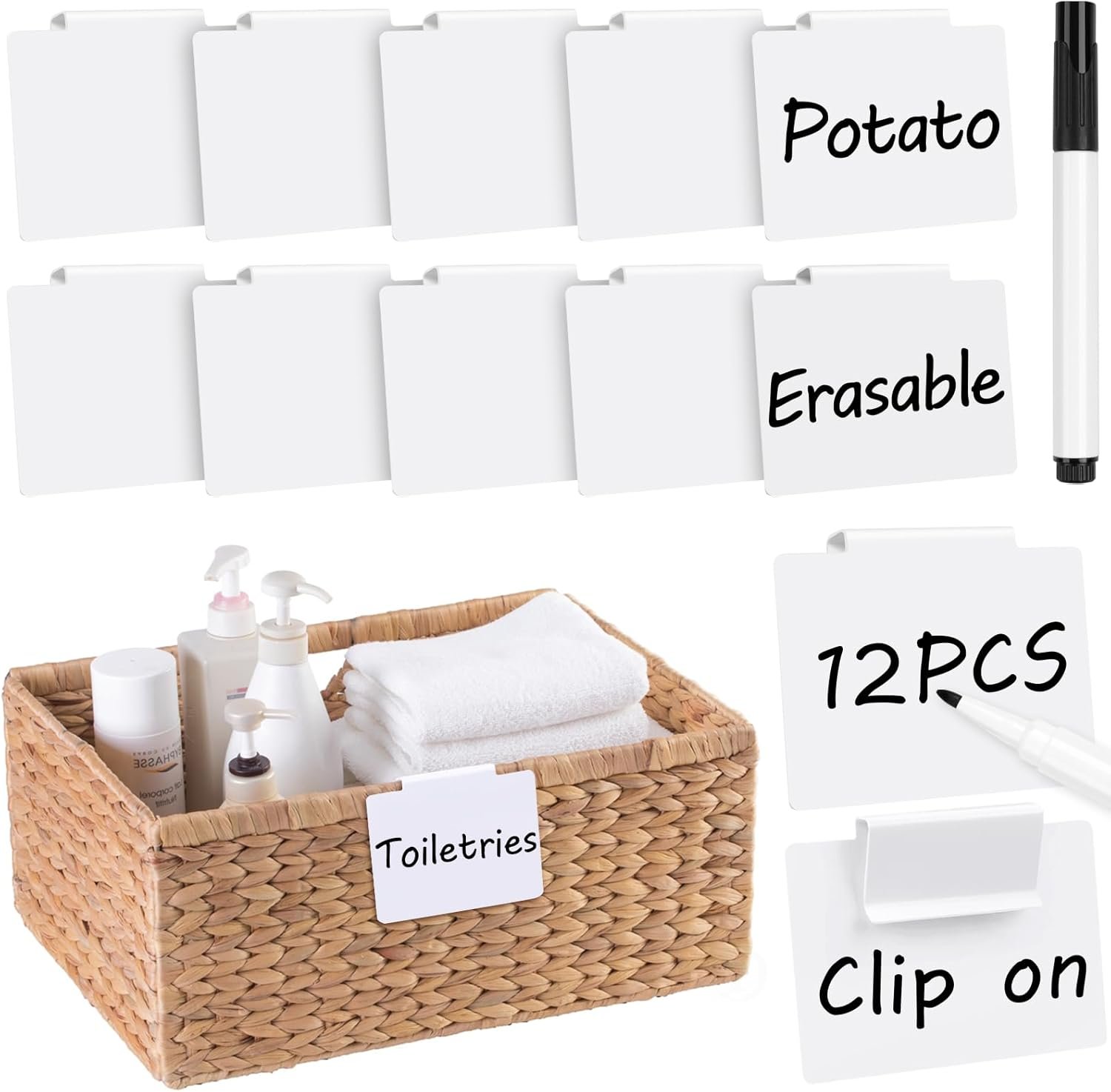
Make a daily rule to put away toys after play. This keeps the room neat and makes cleaning simple. Use baskets or bins with labels to help kids keep things tidy.
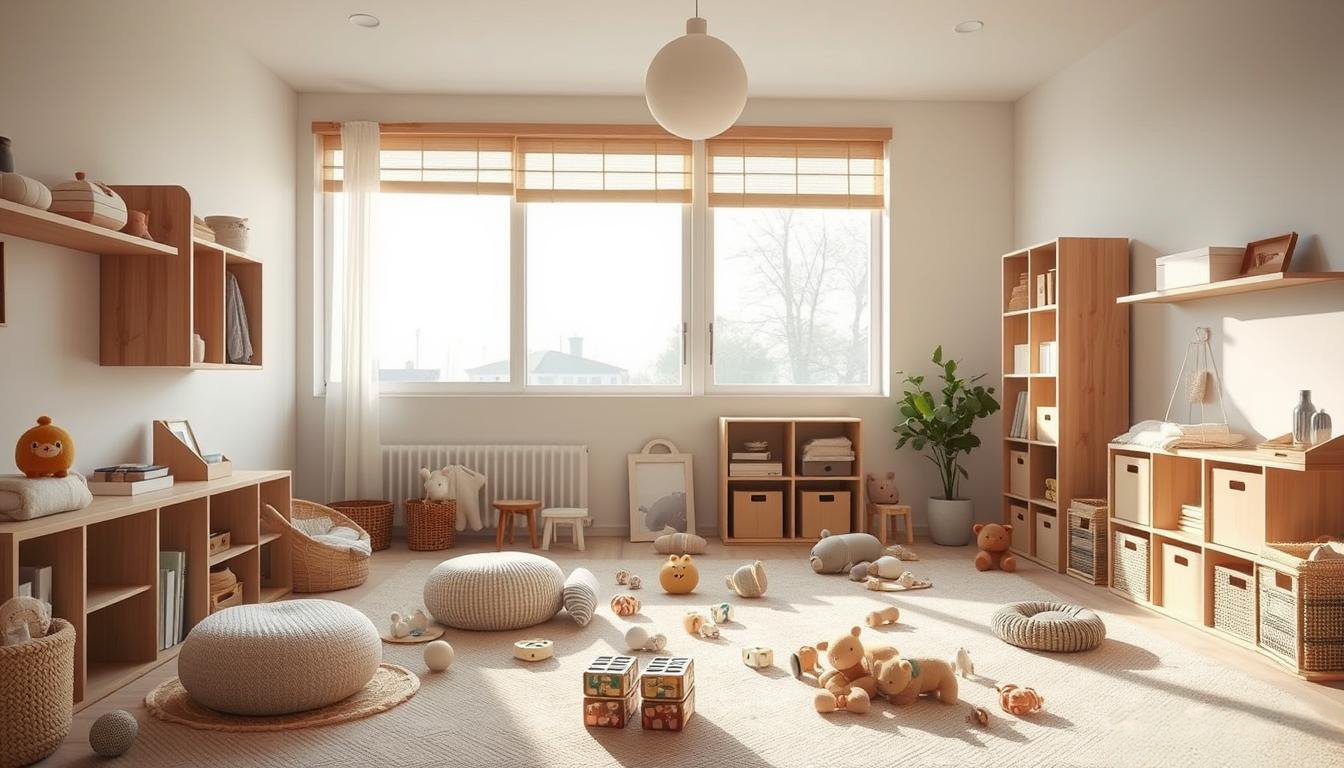
Maintaining the Japandi Aesthetic
The Japandi look focuses on natural textures, calm colors, and simple shapes. Check your playroom often for anything out of place. Remove items that don’t fit the Japandi style.
Stick to a few colors to keep the Japandi vibe. Add plants or natural elements for warmth and texture. This keeps the space cozy and inviting.
Follow these tips for a Japandi playroom that’s both beautiful and useful. It will be a perfect spot for play and relaxation.
My Favorite Shops
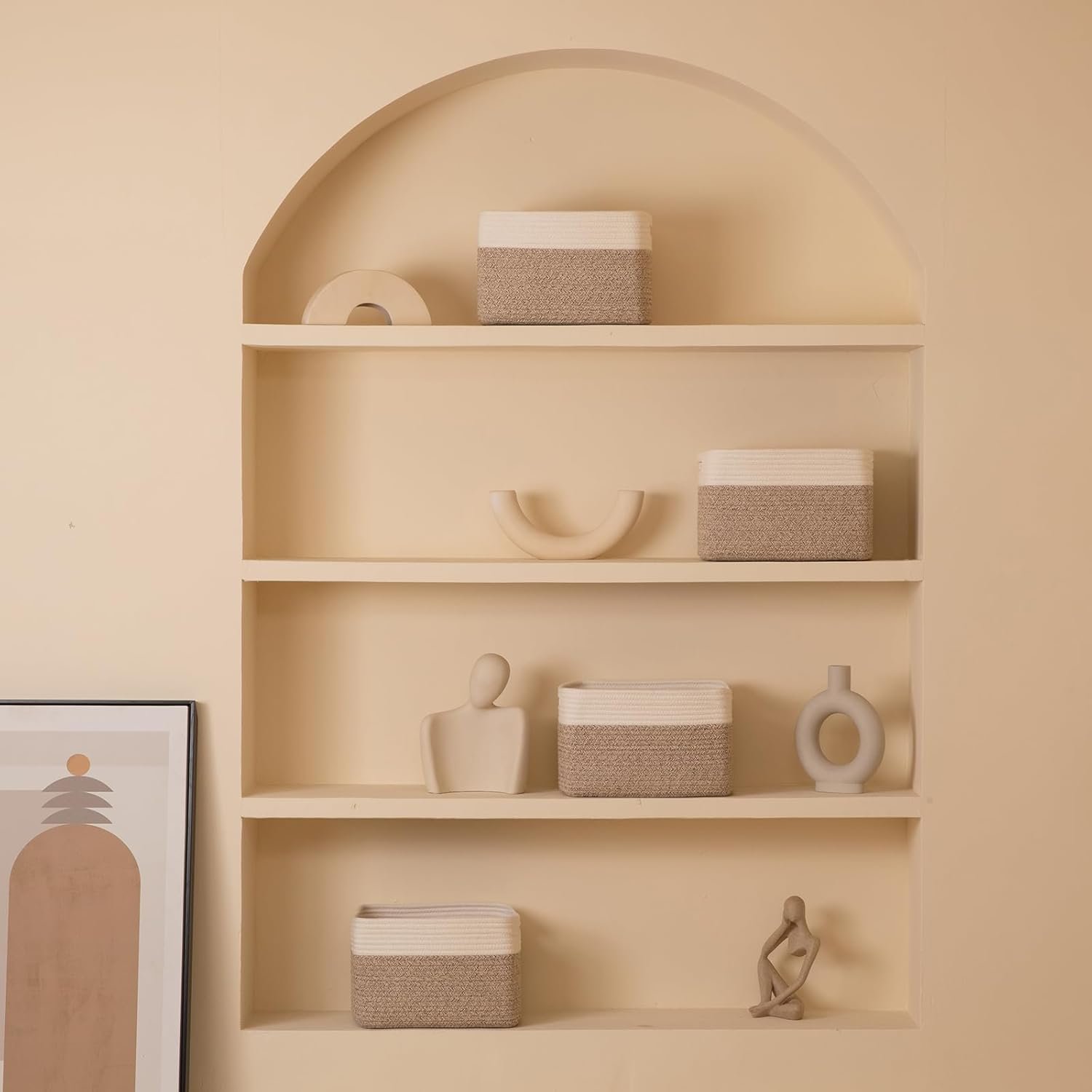
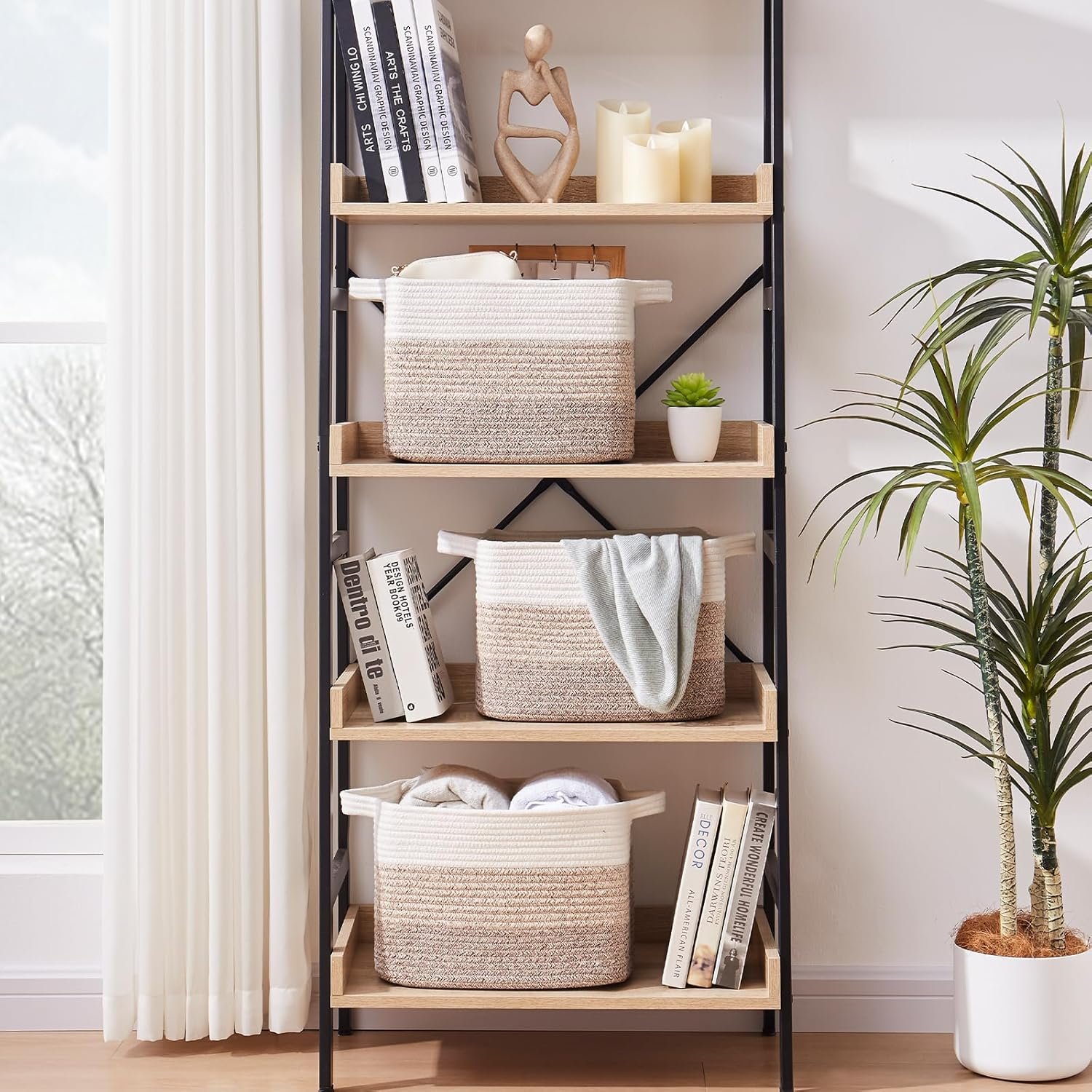
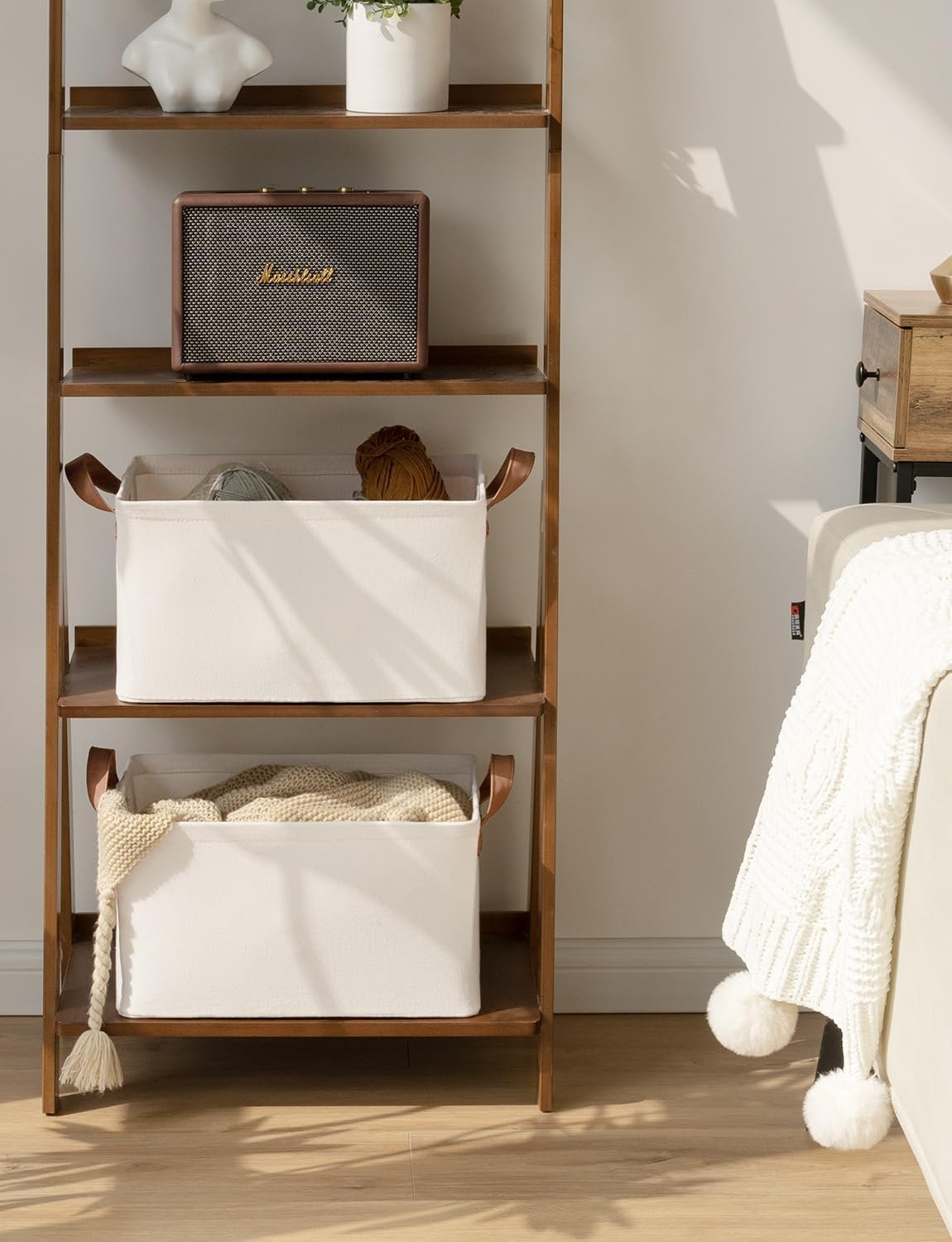
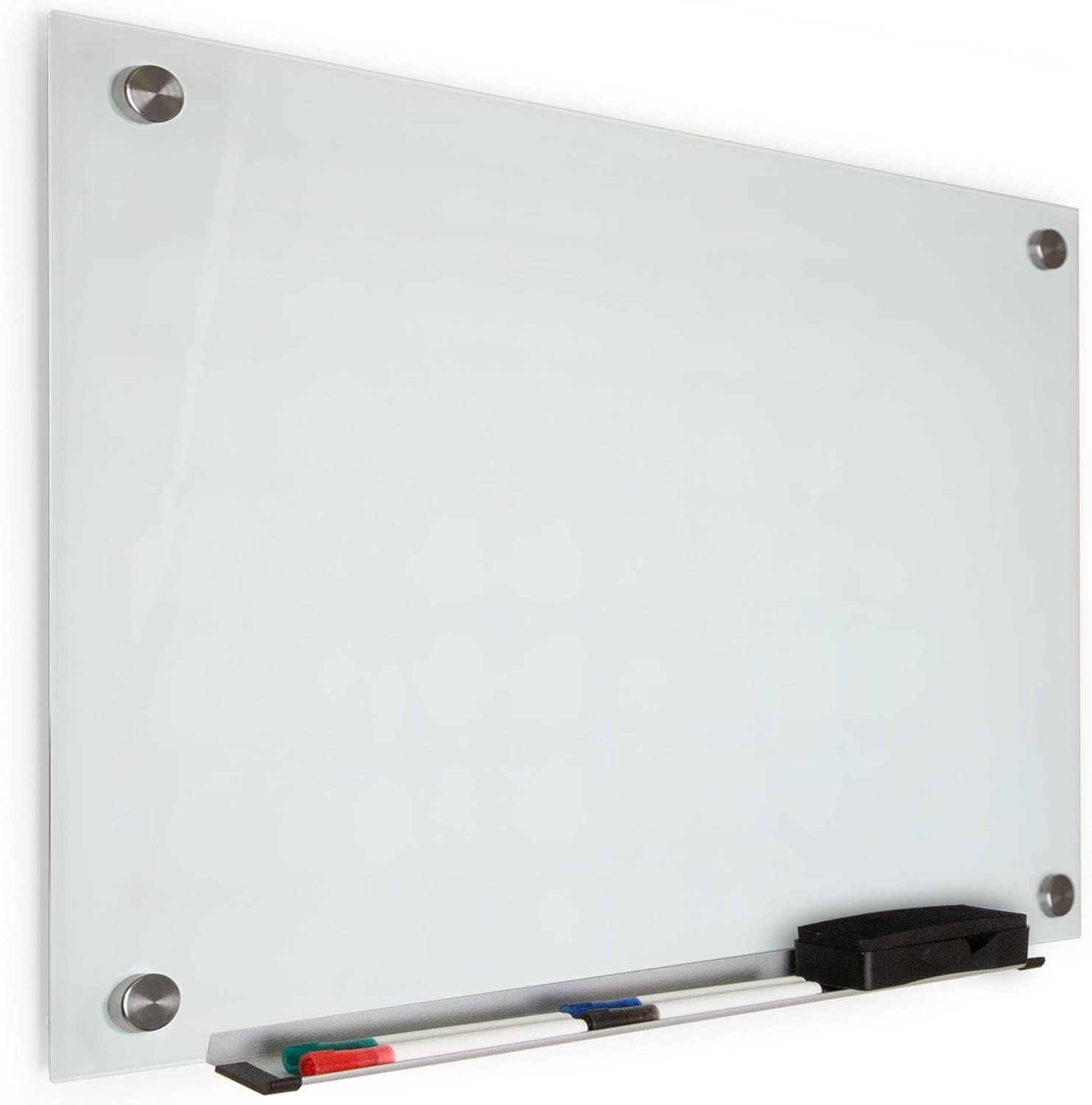
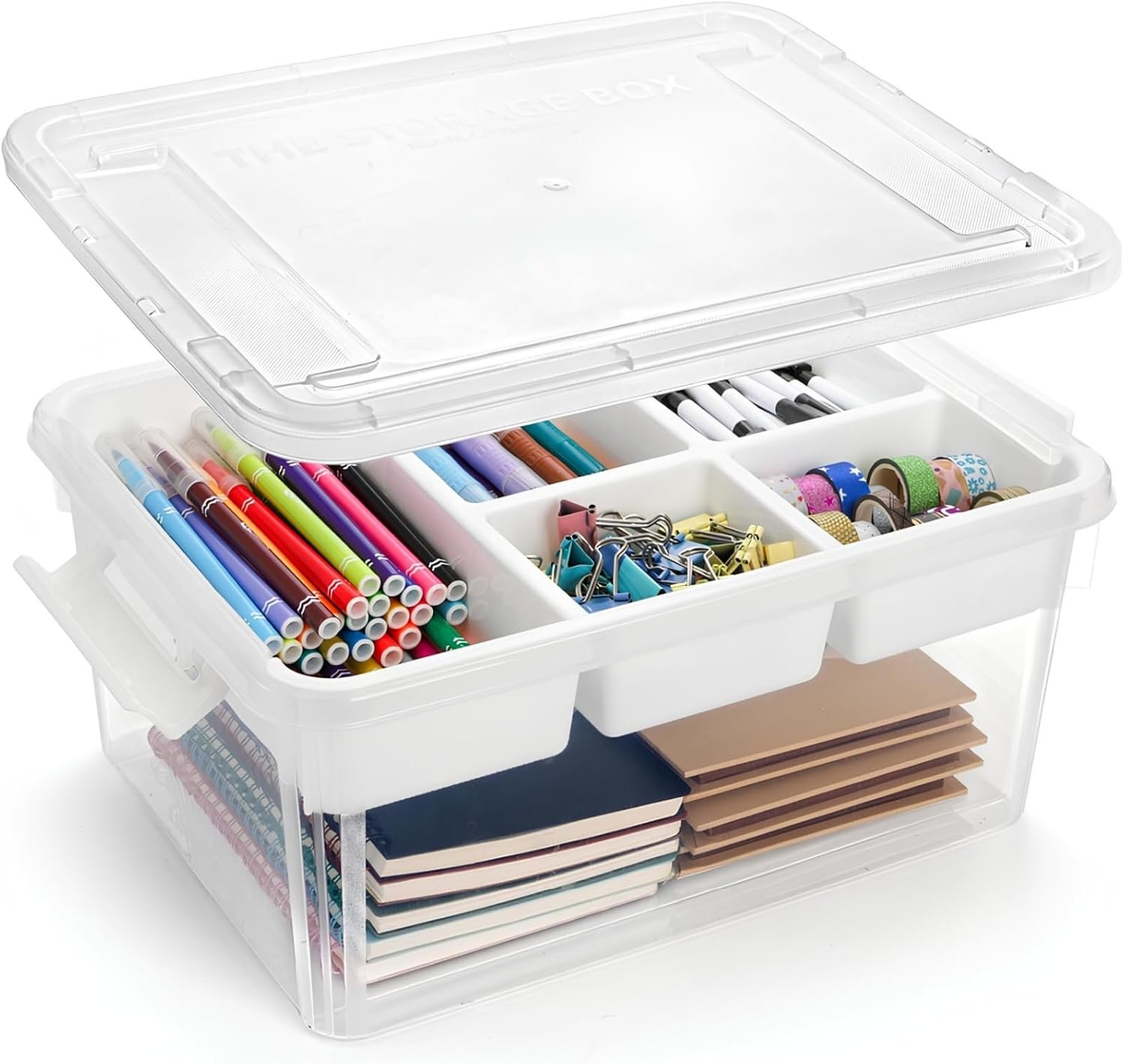
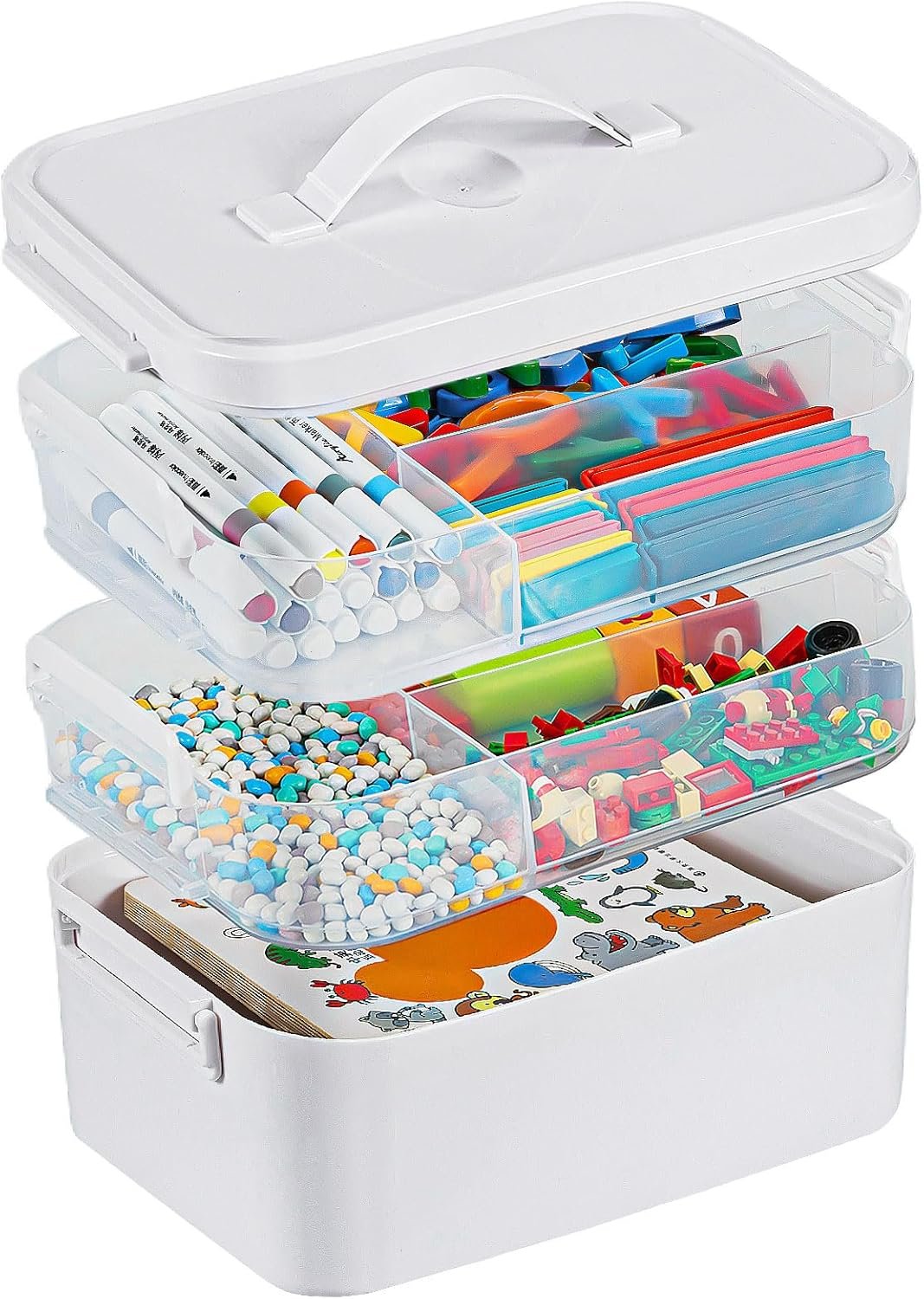
Discover curated modern storage solutions for your playroom at these premier online shops!
Curated Picks from Amazon





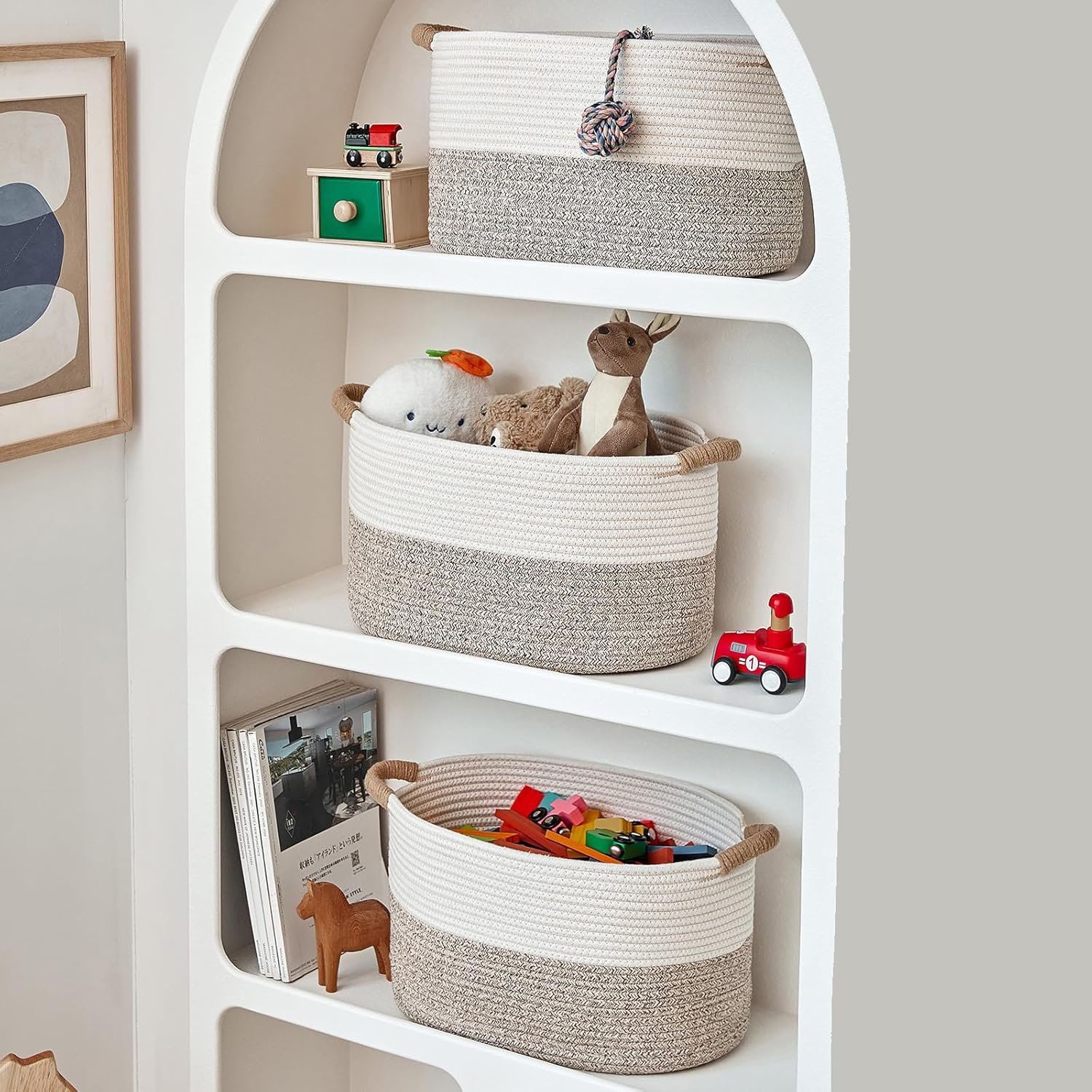
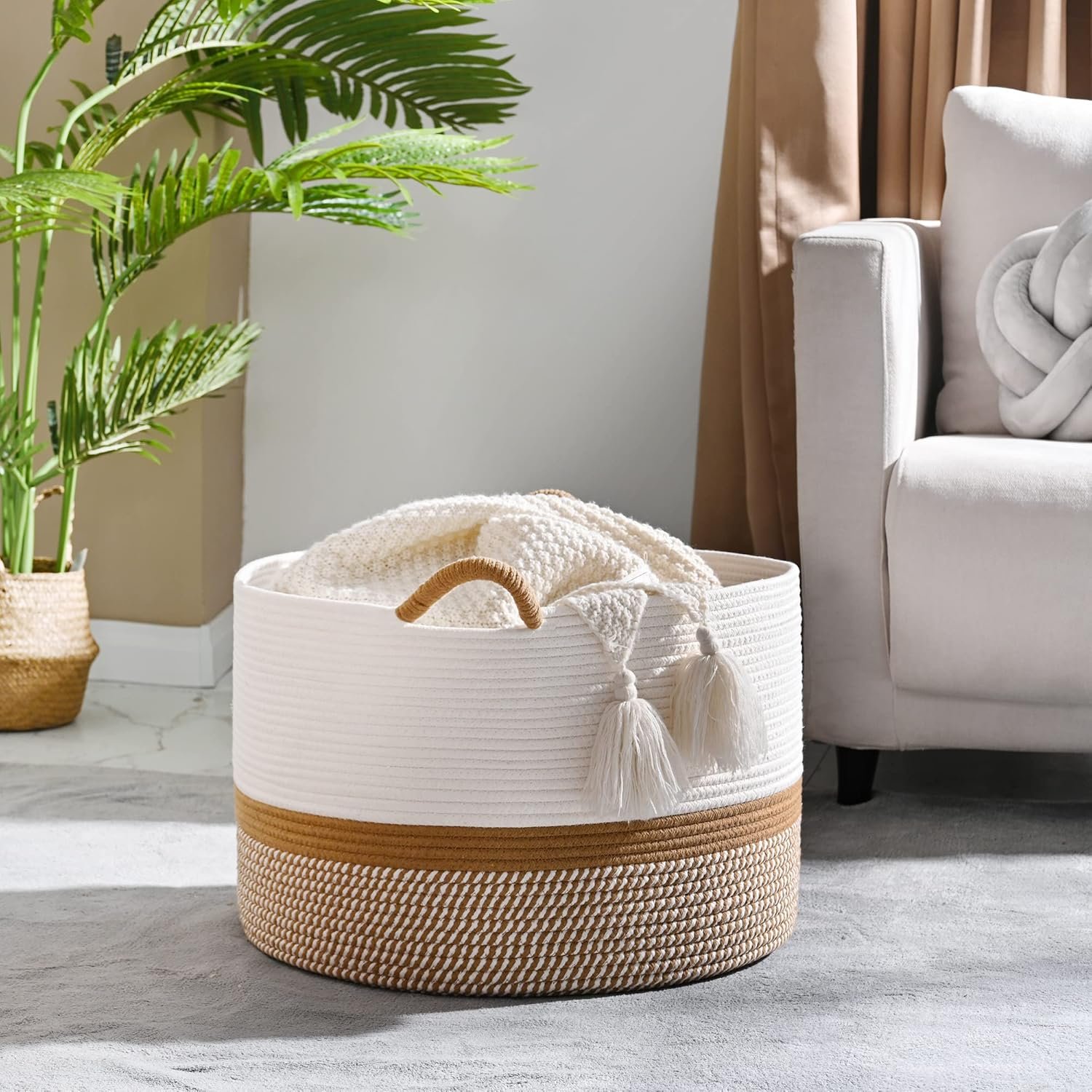

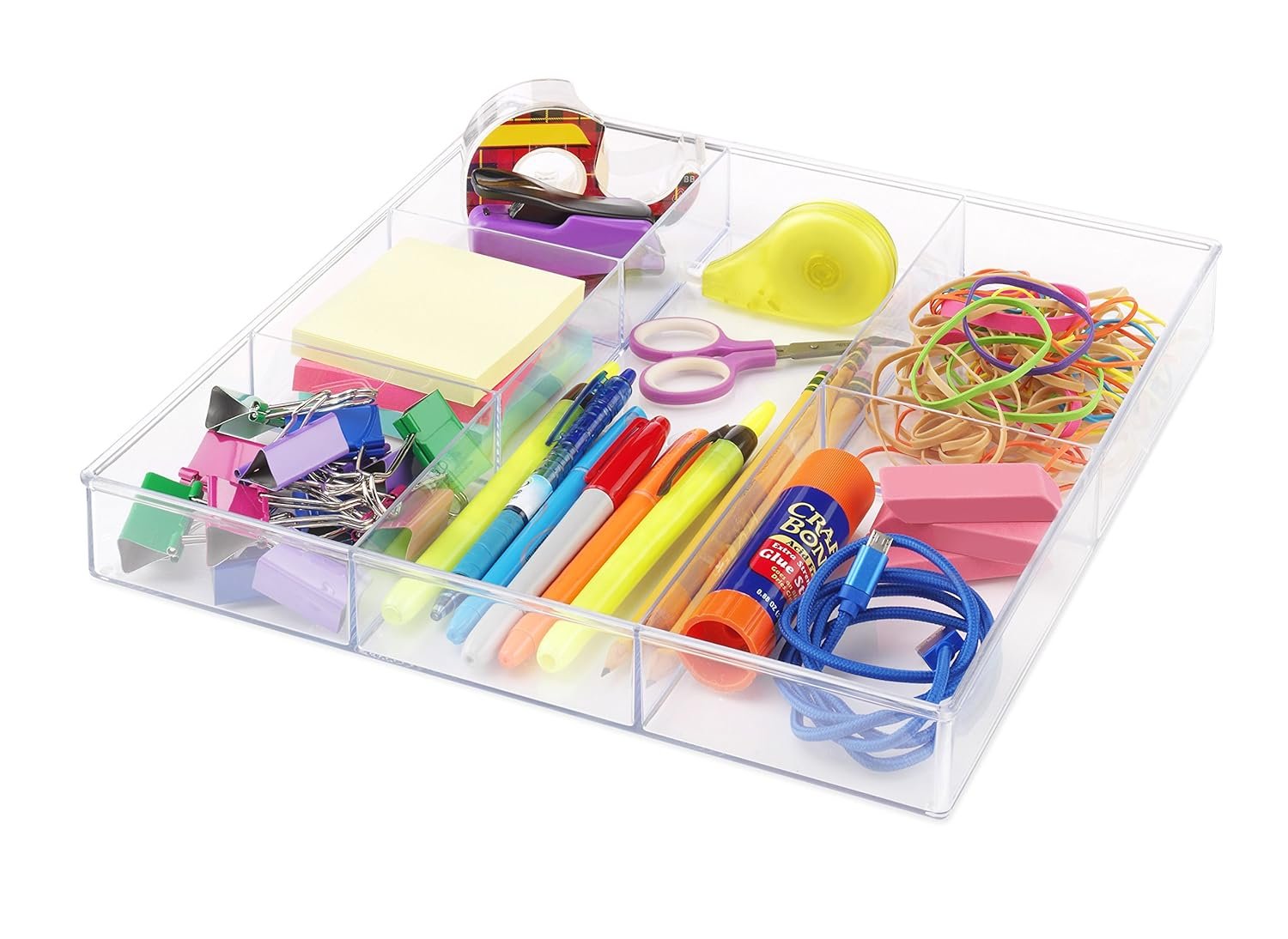


FAQs
What is Japandi design, and how can it be applied to a summer playroom?
Japandi design mixes Japanese and Scandinavian styles. It’s all about being simple, using natural stuff, and being useful. For a summer playroom, use natural textures and calm colors. Choose furniture that does more than one thing to make the space fun and quiet.
How can I organize a clutter-free summer playroom?
Keep your playroom tidy with storage like baskets, shelves, and cabinets. Teach kids to put away toys after play. A “one in, one out” rule helps stop clutter from growing.
What are some ideas for bright and cheerful playroom decor?
Brighten up your playroom with colorful pillows, blankets, and rugs. Add fun decor like artwork or sculptures to spark creativity and imagination.
How can I make my summer playroom more interactive?
Make your playroom interactive with DIY projects and fun activities. Try puzzles, games, or art supplies. Add things like a chalkboard or play kitchen for more play ideas.
What are some tips for planning a Japandi inspired playroom?
First, figure out your space and pick Japandi furniture, like a low sofa or wood table. Use natural stuff like wicker and calm colors like beige. This will make a peaceful room.
How can I adapt my playroom to seasonal changes?
Change your playroom decor with the seasons. Add summer or winter art or textiles. Use bins or baskets for seasonal items to easily switch things up.
What are some must have storage solutions for kids’ toys?
You need baskets, shelves, and cabinets for toy storage. Use labeled bins to help kids find where things go. This keeps the room tidy and easy to clean up.
How can I maintain the Japandi aesthetic in my playroom?
Keep it simple and natural with Japandi. Don’t clutter the room with too much stuff. Choose a few special pieces that show off the Japandi style.
The Bottom Line
Creating a Japandi summer playroom is a journey. It mixes simplicity with function. By understanding Japandi design, you can make a space that looks good and works well.
Final Considerations for a Japandi Playroom
When designing your Japandi playroom, use natural materials and calm colors. Also, choose furniture that does more than one thing. These steps will make a peaceful and fun space for kids.
Embracing the Japandi Way
Adopting the Japandi lifestyle is more than decorating. It’s about living simply, sustainably, and mindfully. Creating your Japandi summer playroom is more than decorating. It’s about starting a way of life that brings well-being and connection.
Follow these tips to make a Japandi summer playroom. It will be a safe haven for kids and show off your style. It will truly capture the spirit of the Japandi lifestyle.

ABOUT the AUTHOR
TOKI; INTERIOR DESIGN & lifestyle CONTENT CREATOR.
Hey there! I’m Toki—the design-obsessed brain behind Dwell Studio 24. I’m a content creator passionate about interior design, photography, and creativity, living in a 77-year-old house with my husband and our awesome three kids. I write about interior design, furniture, home topics, and my lifestyle, including travel, recipes, skincare, and daily routines. I hope to inspire your next project and lifestyle!
ABOUT the AUTHOR
TOKI; INTERIOR DESIGN & lifestyle CONTENT CREATOR.
Hey there! I’m Toki—the design-obsessed brain behind Dwell Studio 24. I’m a content creator passionate about interior design, photography, and creativity, living in a 77-year-old house with my husband and our awesome three kids. I write about interior design, furniture, home topics, and my lifestyle, including travel, recipes, skincare, and daily routines. I hope to inspire your next project and lifestyle!
ABOUT the AUTHOR
TOKI; INTERIOR DESIGN & lifestyle CONTENT CREATOR.
Hey there! I’m Toki—the design-obsessed brain behind Dwell Studio 24. I write about interior design, furniture, home topics, and my lifestyle, including travel, recipes, skincare, and daily routines. I hope to inspire your next project and lifestyle!